Liu Chuanbin, Han Dong, Liang Ping, Li Yang, Cao Feng
Medical School of Chinese PLA, Beijing, China.
The Second Medical Center, Chinese PLA General Hospital, National Clinical Research Center for Geriatric Disease, Beijing, China.
Front Cell Dev Biol. 2021 Apr 22;9:636136. doi: 10.3389/fcell.2021.636136. eCollection 2021.
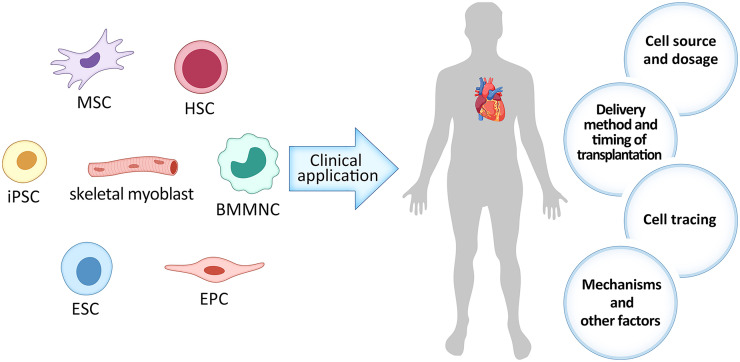
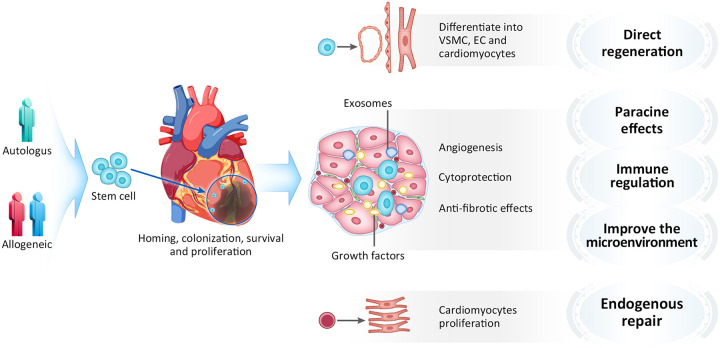
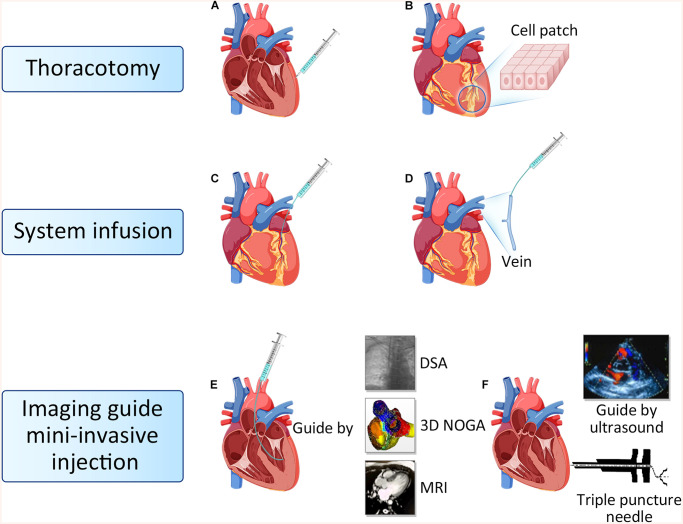
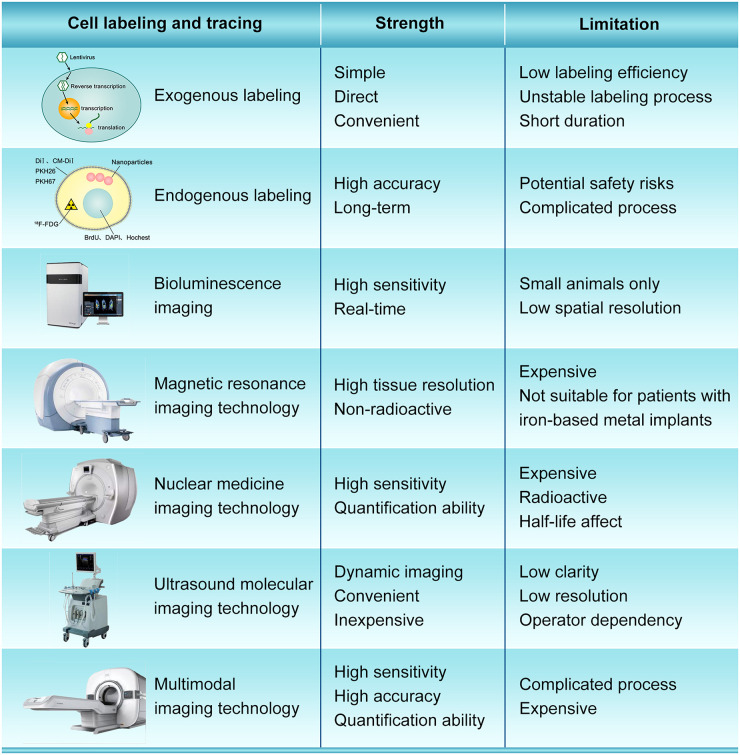
Ischemic heart disease (IHD) is the leading cause of mortality worldwide. Stem cell transplantation has become a promising approach for the treatment of IHD in recent decades. It is generally recognized that preclinical cell-based therapy is effective and have yielded encouraging results, which involves preventing or reducing myocardial cell death, inhibiting scar formation, promoting angiogenesis, and improving cardiac function. However, clinical studies have not yet achieved a desired outcome, even multiple clinical studies showing paradoxical results. Besides, many fundamental puzzles remain to be resolved, for example, what is the optimal delivery timing and approach? Additionally, limited cell engraftment and survival, challenging cell fate monitoring, and not fully understood functional mechanisms are defined hurdles to clinical translation. Here we review some of the current dilemmas in stem cell-based therapy for IHD, along with our efforts and opinions on these key issues.
缺血性心脏病(IHD)是全球范围内的主要死亡原因。近几十年来,干细胞移植已成为治疗IHD的一种有前景的方法。人们普遍认为,基于细胞的临床前治疗是有效的,并取得了令人鼓舞的结果,包括预防或减少心肌细胞死亡、抑制瘢痕形成、促进血管生成以及改善心脏功能。然而,临床研究尚未取得理想的结果,甚至多项临床研究显示出矛盾的结果。此外,许多基本难题仍有待解决,例如,最佳的递送时机和方法是什么?此外,细胞植入和存活有限、细胞命运监测具有挑战性以及功能机制尚未完全明确是临床转化的障碍。在此,我们回顾了基于干细胞治疗IHD当前面临的一些困境,以及我们在这些关键问题上所做的努力和观点。