Korneev Denis, Merriner D Jo, Gervinskas Gediminas, de Marco Alex, O'Bryan Moira K
School of Biological Sciences, Monash University, Melbourne, VIC, Australia.
Department of Biochemistry and Molecular Biology, Biomedicine Discovery Institute, Monash University, Melbourne, VIC, Australia.
Front Cell Dev Biol. 2021 Apr 22;9:672592. doi: 10.3389/fcell.2021.672592. eCollection 2021.
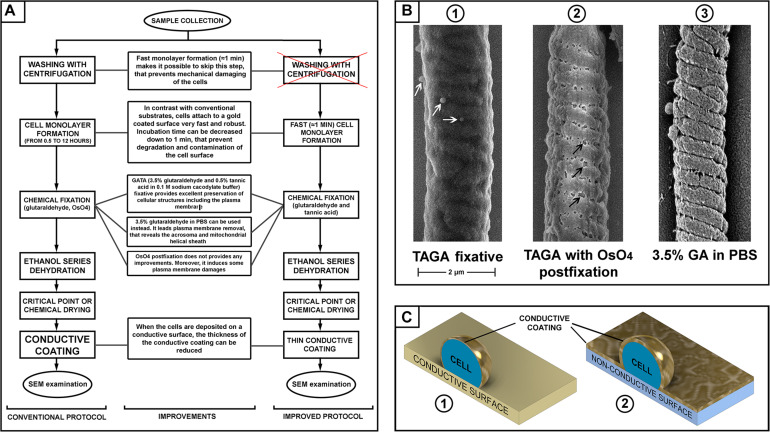
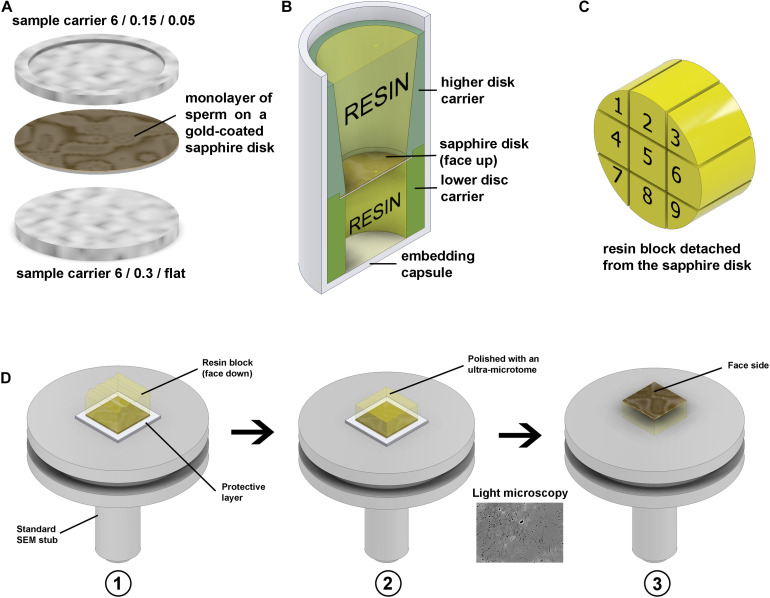
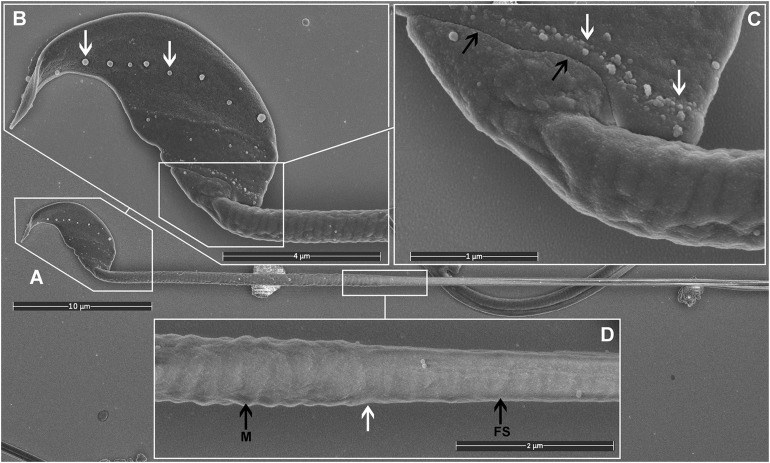
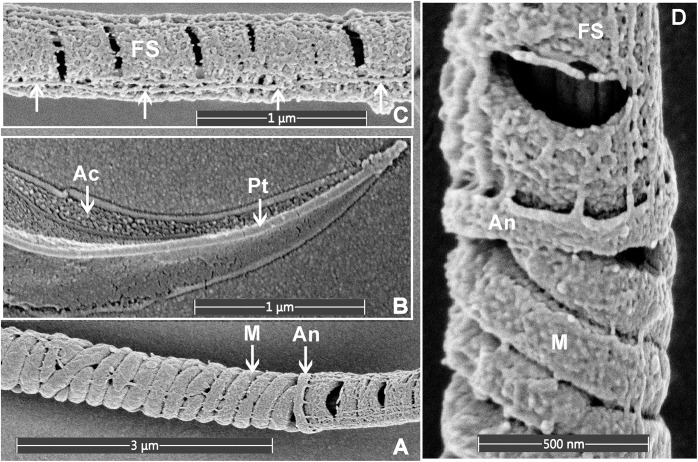
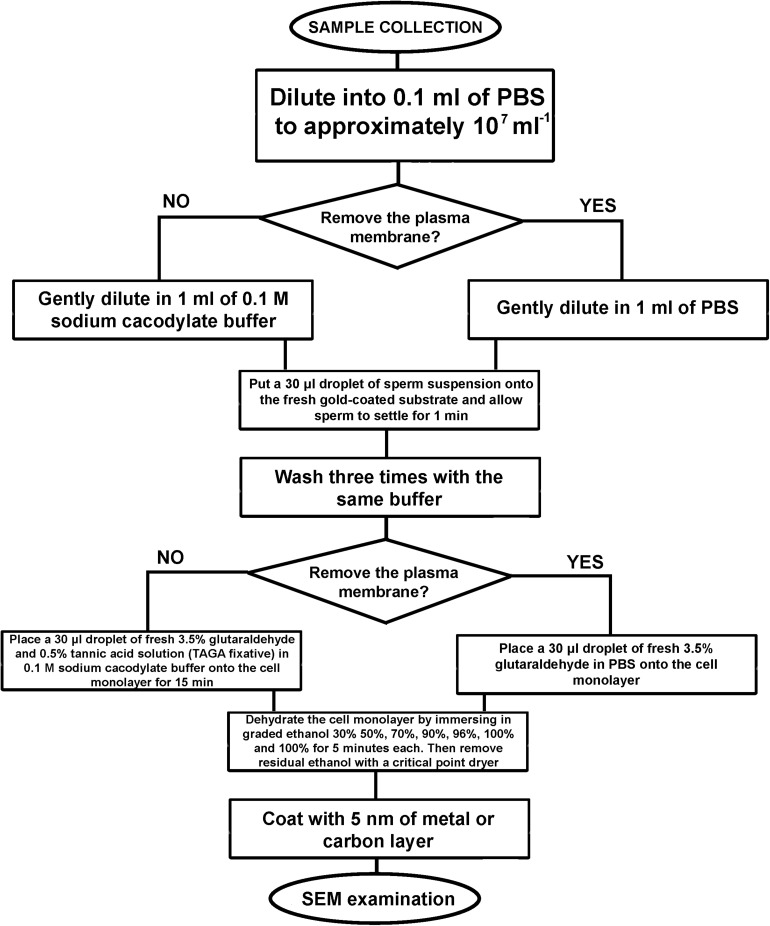
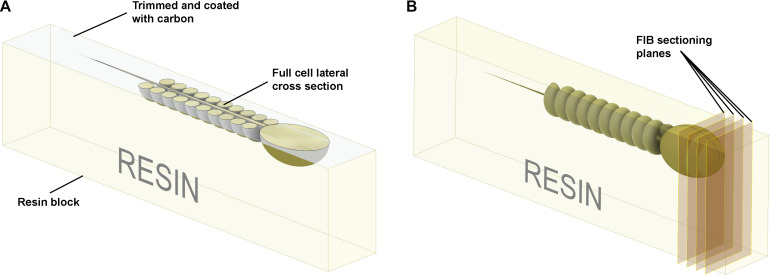
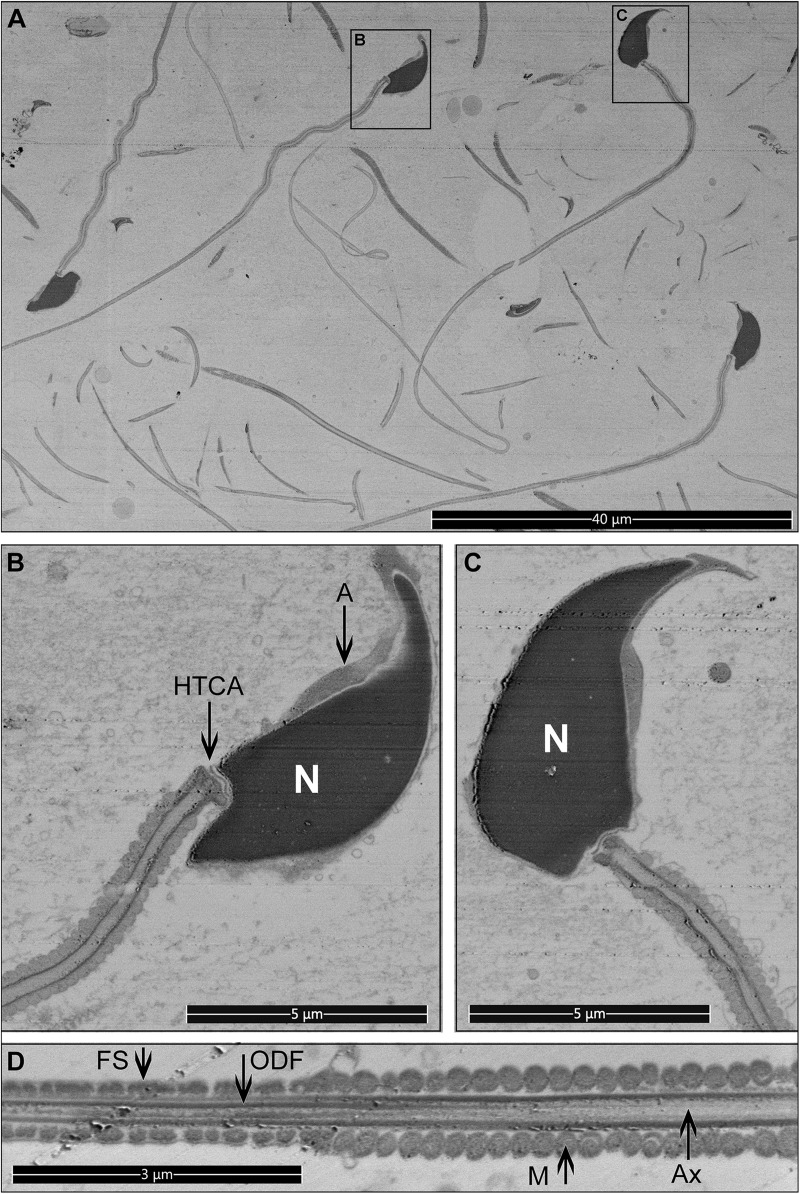
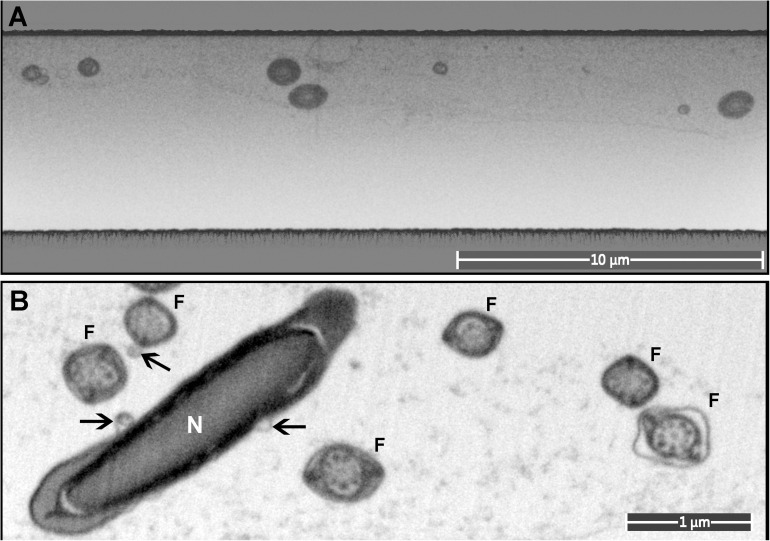
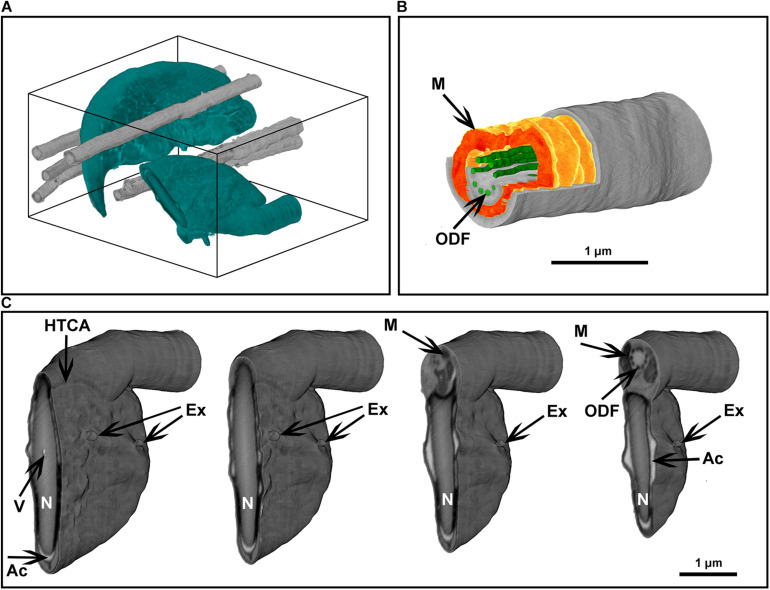
The analysis of spermatozoa morphology is fundamental to understand male fertility and the etiology of infertility. Traditionally scanning electron microscopy (SEM) has been used to define surface topology. Recently, however, it has become a critical tool for three-dimensional analysis of internal cellular ultrastructure. Modern SEM provides nanometer-scale resolution, but the meaningfulness of such information is proportional to the quality of the sample preservation. In this study, we demonstrate that sperm quickly and robustly adhere to gold-coated surfaces. Leveraging this property, we developed three step-by-step protocols fulfilling different needs for sperm imaging: chemically fixed monolayers for SEM examination of the external morphology, and two high-pressure freezing-based protocols for fast SEM examination of full cell internal morphology and focused ion-beam SEM tomography. These analyses allow previously unappreciated insights into mouse sperm ultrastructure, including the identification of novel structures within the fibrous sheath and domain-specific interactions between the plasma membrane and exosome-like structures.
精子形态分析对于理解男性生育能力和不育症病因至关重要。传统上,扫描电子显微镜(SEM)一直用于定义表面拓扑结构。然而,最近它已成为细胞内部超微结构三维分析的关键工具。现代SEM提供纳米级分辨率,但此类信息的意义与样品保存质量成正比。在本研究中,我们证明精子能快速且牢固地附着在镀金表面。利用这一特性,我们开发了三个逐步方案,以满足精子成像的不同需求:用于外部形态SEM检查的化学固定单层,以及用于全细胞内部形态快速SEM检查和聚焦离子束SEM断层扫描的两个基于高压冷冻的方案。这些分析使我们对小鼠精子超微结构有了前所未有的深入了解,包括在纤维鞘内识别新结构以及质膜与外泌体样结构之间的区域特异性相互作用。