Samaddar Arghadip, Sharma Anuradha
Department of Microbiology, All India Institute of Medical Sciences, Jodhpur, India.
Front Med (Lausanne). 2021 Apr 23;8:670731. doi: 10.3389/fmed.2021.670731. eCollection 2021.
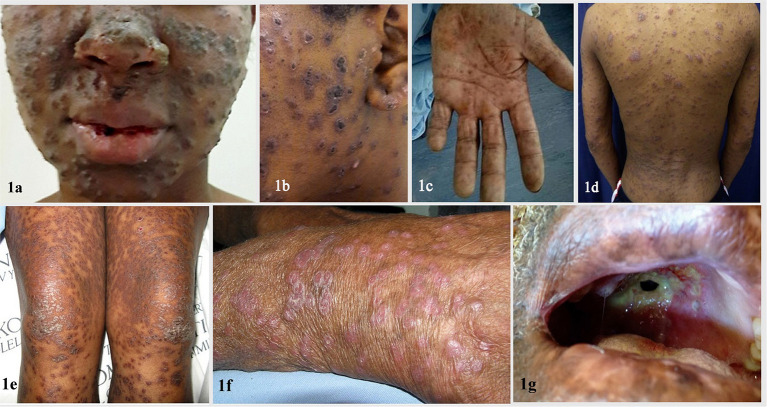
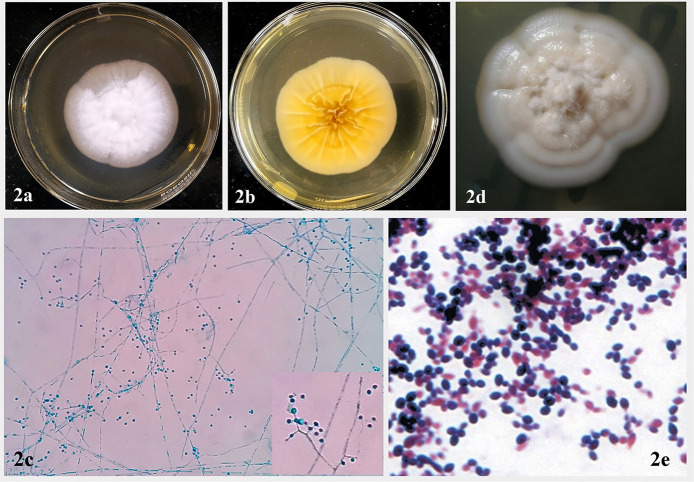
Recently, the global emergence of emergomycosis, a systemic fungal infection caused by a novel dimorphic fungus species has been observed among immunocompromised individuals. Though initially classified under the genus , a taxonomic revision in 2017 based on DNA sequence analyses placed five -like fungi under a separate genus . These include , and . was renamed as , while and remained within the genus until a taxonomic revision in 2020 placed both the species under the genus . However, unlike other members of the genus, and do not cause disseminated disease. The former causes adiaspiromycosis, a granulomatous pulmonary disease, while the latter has not been associated with human disease. So far, emergomycosis has been mapped across four continents: Asia, Europe, Africa and North America. However, considering the increasing prevalence of HIV/AIDS, it is presumed that the disease must have a worldwide distribution with many cases going undetected. Diagnosis of emergomycosis remains challenging. It should be considered in the differential diagnosis of histoplasmosis as there is considerable clinical and histopathological overlap between the two entities. Sequencing the internal transcribed spacer region of ribosomal DNA is considered as the gold standard for identification, but its application is compromised in resource limited settings. Serological tests are non-specific and demonstrate cross-reactivity with galactomannan antigen. Therefore, an affordable, accessible, and reliable diagnostic test is the need of the hour to enable its diagnosis in endemic regions and also for epidemiological surveillance. Currently, there are no consensus guidelines for the treatment of emergomycosis. The recommended regimen consists of amphotericin B (deoxycholate or liposomal formulation) for 1-2 weeks, followed by oral itraconazole for at least 12 months. This review elaborates the taxonomic, clinical, diagnostic, and therapeutic aspects of emergomycosis. It also enumerates several novel antifungal drugs which might hold promise in the treatment of this condition and therefore, can be potential areas of future studies.
最近,在免疫功能低下的个体中观察到了一种由新型双相真菌物种引起的系统性真菌感染——新兴真菌病在全球范围内出现。尽管最初被归类于 属,但2017年基于DNA序列分析的分类学修订将五种类似 的真菌归入了一个单独的属。这些包括 、 和 。 被重新命名为 ,而 和 在2020年分类学修订将这两个物种归入 属之前一直保留在 属内。然而,与 属的其他成员不同, 和 不会引起播散性疾病。前者引起阿迪孢子菌病,一种肉芽肿性肺部疾病,而后者尚未发现与人类疾病有关。到目前为止,新兴真菌病已在四大洲被发现:亚洲、欧洲、非洲和北美洲。然而,考虑到艾滋病毒/艾滋病的患病率不断上升,可以推测这种疾病一定在全球范围内分布,许多病例未被发现。新兴真菌病的诊断仍然具有挑战性。在组织胞浆菌病的鉴别诊断中应考虑到它。因为这两种疾病在临床和组织病理学上有相当大的重叠。核糖体DNA内部转录间隔区测序被认为是鉴定的金标准,但在资源有限的环境中其应用受到限制。血清学检测是非特异性的,并且与半乳甘露聚糖抗原存在交叉反应。因此,迫切需要一种经济实惠、易于获得且可靠诊断测试,以便在流行地区进行诊断并用于流行病学监测。目前,对于新兴真菌病的治疗尚无共识指南。推荐的治疗方案包括使用两性霉素B(脱氧胆酸盐或脂质体制剂)治疗1至2周,随后口服伊曲康唑至少12个月。本综述阐述了新兴真菌病的分类学、临床、诊断和治疗方面。它还列举了几种可能在治疗这种疾病方面有前景的新型抗真菌药物,因此可能是未来研究的潜在领域。