Department of Cardiovascular Dynamics, National Cerebral and Cardiovascular Center Research Institute, Kishibe-Shinmachi 6-1, Suita, Japan.
J Clin Monit Comput. 2022 Jun;36(3):849-860. doi: 10.1007/s10877-021-00717-w. Epub 2021 May 10.
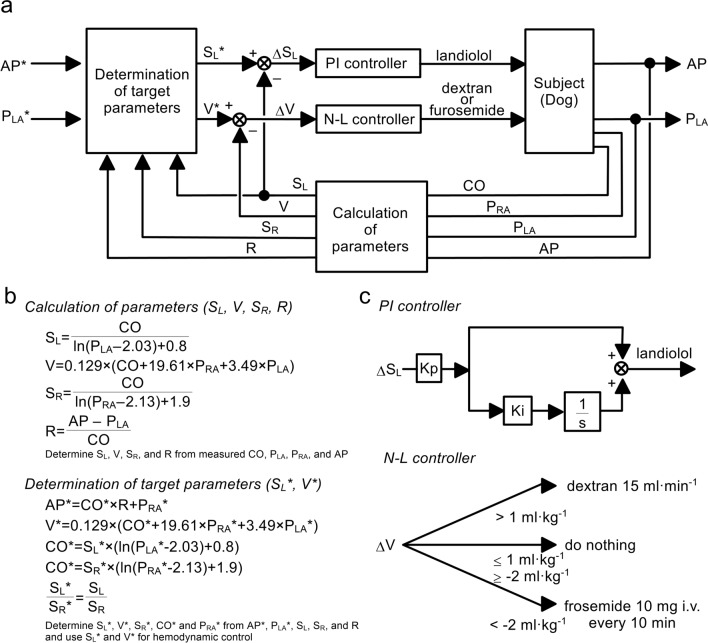
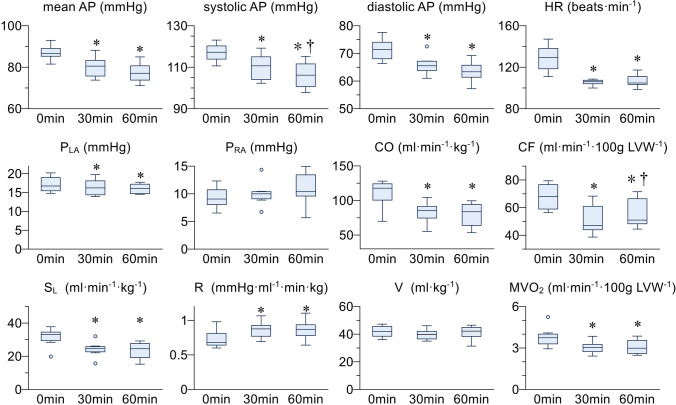
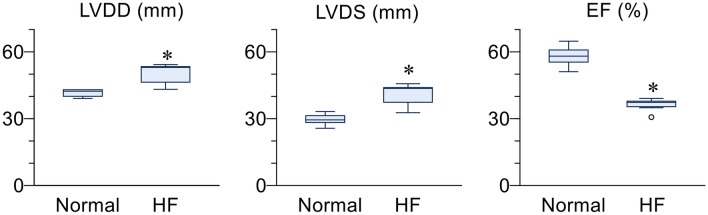
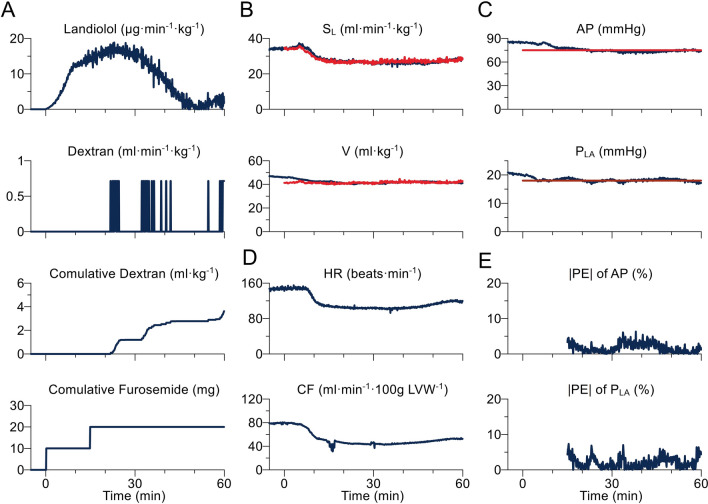
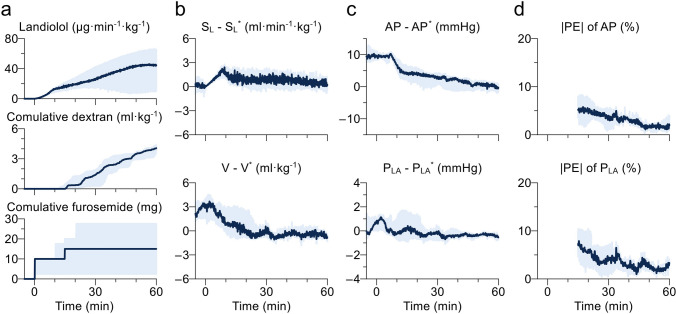
Beta-blockers are well known to reduce myocardial oxygen consumption (MVO) and improve the prognosis of heart failure (HF) patients. However, its negative chronotropic and inotropic effects limit their use in the acute phase of HF due to the risk of circulatory collapse. In this study, as a first step for a safe β-blocker administration strategy, we aimed to develop and evaluate the feasibility of an automated β-blocker administration system. We developed a system to monitor arterial pressure (AP), left atrial pressure (P), right atrial pressure, and cardiac output. Using negative feedback of hemodynamics, the system controls AP and P by administering landiolol (an ultra-short-acting β-blocker), dextran, and furosemide. We applied the system for 60 min to 6 mongrel dogs with rapid pacing-induced HF. In all dogs, the system automatically adjusted the doses of the drugs. Mean AP and mean P were controlled within the acceptable ranges (AP within 5 mmHg below target; P within 2 mmHg above target) more than 95% of the time. Median absolute performance error was small for AP [median (interquartile range), 3.1% (2.2-3.8)] and P [3.6% (2.2-5.7)]. The system decreased MVO and P significantly. We demonstrated the feasibility of an automated β-blocker administration system in a canine model of acute HF. The system controlled AP and P to avoid circulatory collapse, and reduced MVO significantly. As the system can help the management of patients with HF, further validations in larger samples and development for clinical applications are warranted.
β受体阻滞剂众所周知可以降低心肌耗氧量(MVO)并改善心力衰竭(HF)患者的预后。然而,其负性变时和变力作用限制了其在 HF 的急性期使用,因为有循环衰竭的风险。在这项研究中,作为安全使用β受体阻滞剂策略的第一步,我们旨在开发和评估自动β受体阻滞剂给药系统的可行性。我们开发了一个监测动脉压(AP)、左心房压(P)、右心房压和心输出量的系统。该系统通过给予拉替洛尔(一种超短效β受体阻滞剂)、右旋糖酐和呋塞米,利用血流动力学的负反馈来控制 AP 和 P。我们将该系统应用于 6 只快速起搏诱导 HF 的杂种犬,持续 60 分钟。在所有犬中,该系统自动调整药物剂量。平均 AP 和平均 P 超过 95%的时间被控制在可接受范围内(AP 低于目标值 5mmHg 以内;P 高于目标值 2mmHg 以内)。AP [中位数(四分位间距),3.1%(2.2-3.8)]和 P [3.6%(2.2-5.7)]的中位绝对性能误差较小。该系统显著降低了 MVO 和 P。我们在急性 HF 的犬模型中证明了自动β受体阻滞剂给药系统的可行性。该系统控制 AP 和 P 以避免循环衰竭,并显著降低 MVO。由于该系统可以帮助 HF 患者的管理,因此需要在更大的样本中进一步验证并开发用于临床应用。