Soltesz Kristian, Sjöberg Trygve, Jansson Tomas, Johansson Rolf, Robertsson Anders, Paskevicius Audrius, Liao Quiming, Qin Guangqi, Steen Stig
Department Automatic Control, Lund University, P.O. Box 118, SE-221 00, Lund, Sweden.
Department Cardiothoracic Surgery, Lund University and Skåne University Hopital, Lund, Sweden.
J Clin Monit Comput. 2018 Jun;32(3):429-437. doi: 10.1007/s10877-017-0033-z. Epub 2017 Jun 10.
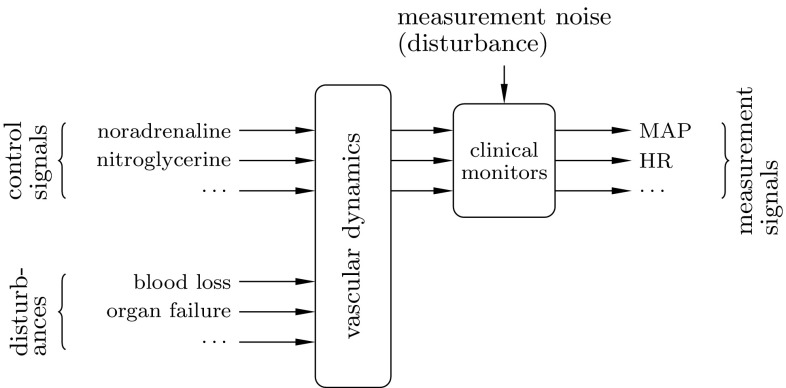
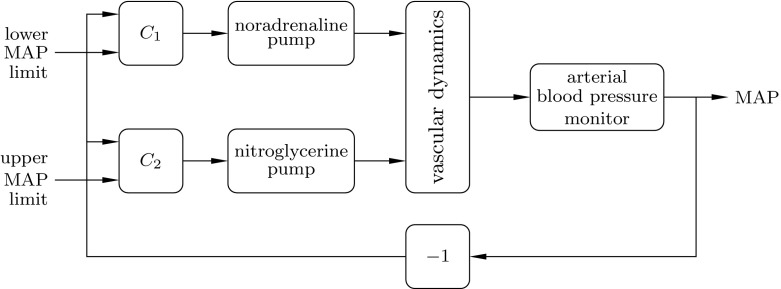
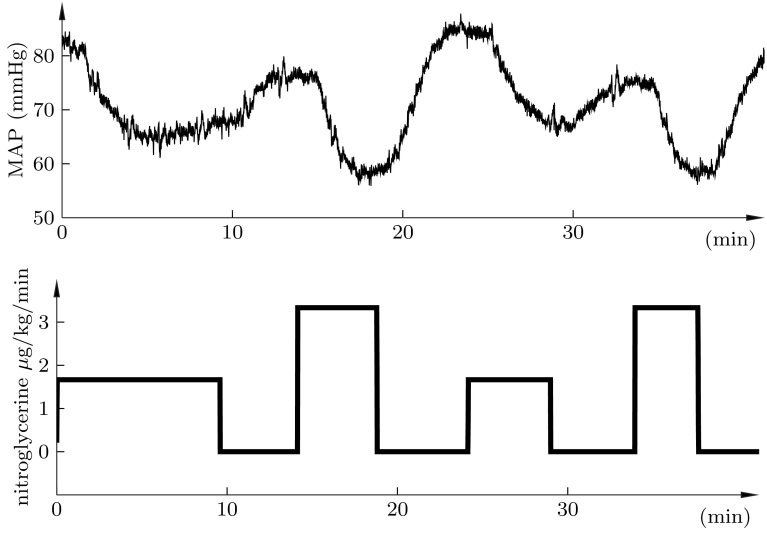
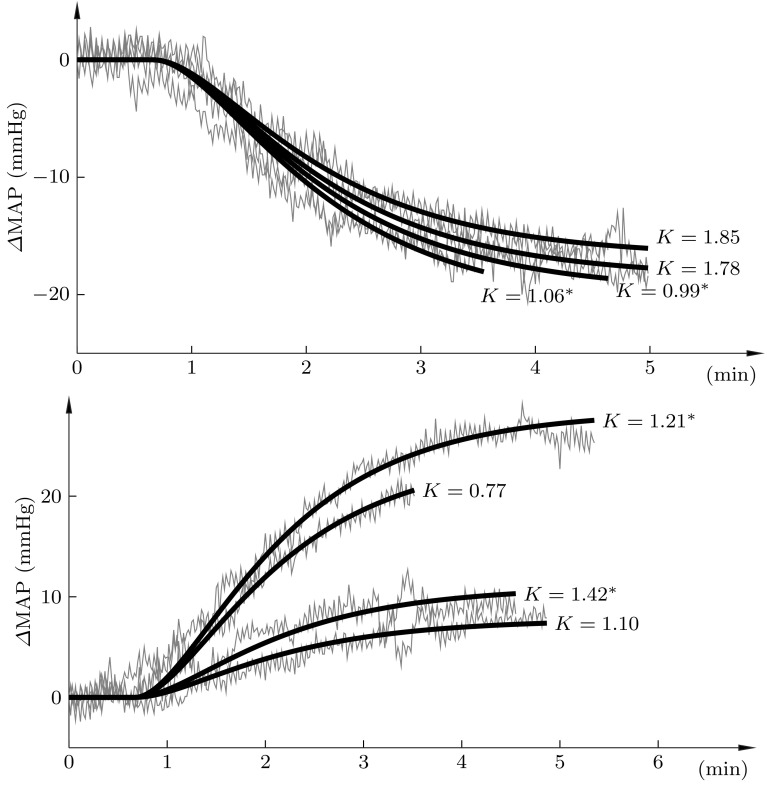
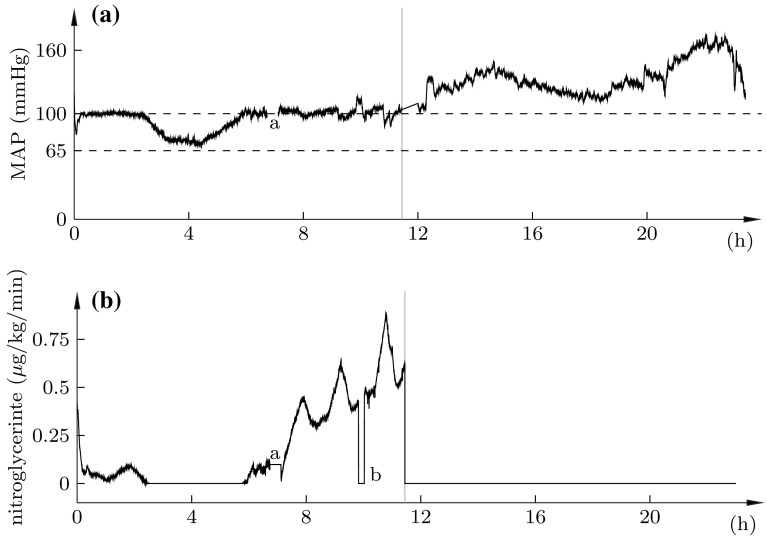
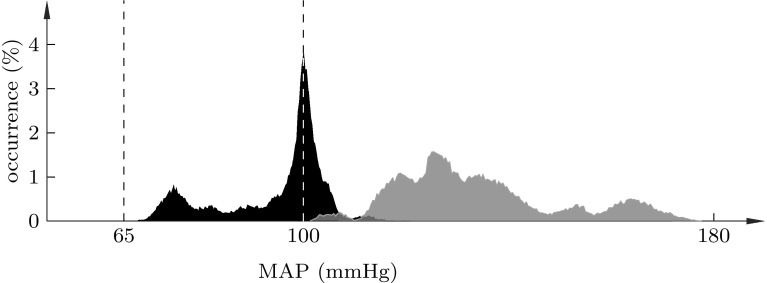
The purpose of this concept study was to investigate the possibility of automatic mean arterial pressure (MAP) regulation in a porcine heart-beating brain death (BD) model. Hemodynamic stability of BD donors is necessary for maintaining acceptable quality of donated organs for transplantation. Manual stabilization is challenging, due to the lack of vasomotor function in BD donors. Closed-loop stabilization therefore has the potential of increasing availability of acceptable donor organs, and serves to indicate feasibility within less demanding patient groups. A dynamic model of nitroglycerine pharmacology, suitable for controller synthesis, was identified from an experiment involving an anesthetized pig, using a gradient-based output error method. The model was used to synthesize a robust PID controller for hypertension prevention, evaluated in a second experiment, on a second, brain dead, pig. Hypotension was simultaneously prevented using closed-loop controlled infusion of noradrenaline, by means of a previously published controller. A linear model of low order, with variable (uncertain) gain, was sufficient to describe the dynamics to be controlled. The robustly tuned PID controller utilized in the second experiment kept the MAP within a user-defined range. The system was able to prevent hypertension, exceeding a reference of 100 mmHg by more than 10%, during 98% of a 12 h experiment. This early work demonstrates feasibility of the investigated modelling and control synthesis approach, for the purpose of maintaining normotension in a porcine BD model. There remains a need to characterize individual variability, in order to ensure robust performance over the expected population.
本概念研究的目的是探讨在猪心跳性脑死亡(BD)模型中实现平均动脉压(MAP)自动调节的可能性。BD供体的血流动力学稳定性对于维持可接受的移植器官质量至关重要。由于BD供体缺乏血管舒缩功能,手动稳定具有挑战性。因此,闭环稳定有可能增加可接受供体器官的可用性,并表明在要求较低的患者群体中的可行性。通过基于梯度的输出误差方法,从涉及麻醉猪的实验中确定了一个适用于控制器合成的硝酸甘油药理学动态模型。该模型用于合成一个用于预防高血压的鲁棒PID控制器,并在第二个实验中在第二只脑死亡猪上进行评估。通过使用先前发表的控制器,通过闭环控制输注去甲肾上腺素同时预防低血压。一个具有可变(不确定)增益的低阶线性模型足以描述要控制的动态。在第二个实验中使用的鲁棒调谐PID控制器将MAP保持在用户定义的范围内。在12小时实验的98%时间内,该系统能够防止高血压超过100 mmHg的参考值超过10%。这项早期工作证明了所研究的建模和控制合成方法在猪BD模型中维持正常血压的可行性。为了确保在预期人群中具有鲁棒性能,仍需要表征个体变异性。