Department of Chemistry and Research Centre, Pope's College (Autonomous), Sawyerpuram-628251, Affiliated to Manonmaniam Sundaranar University, Tirunelveli 627012, Tamil Nadu, India.
Department of Chemistry, Texas A&M University, College Station, TX 77842, USA.
Bioorg Chem. 2021 Jul;112:104967. doi: 10.1016/j.bioorg.2021.104967. Epub 2021 May 5.
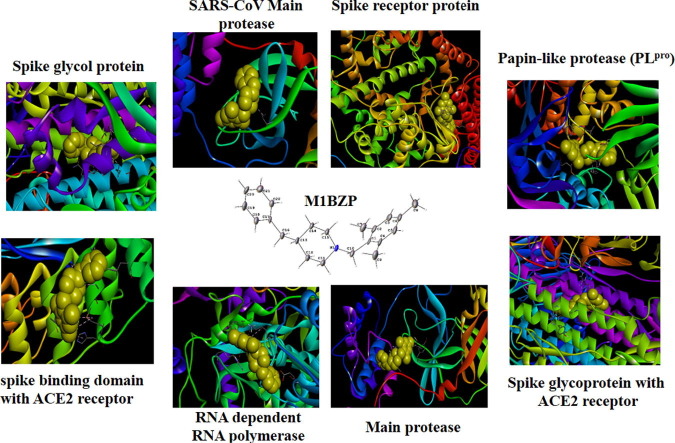
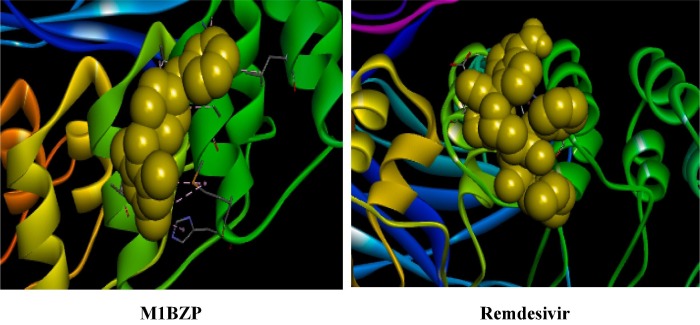
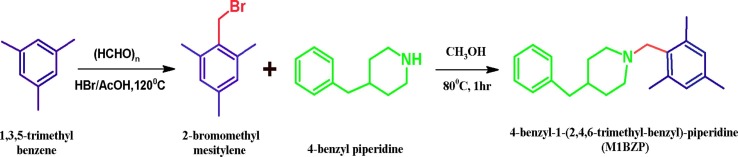
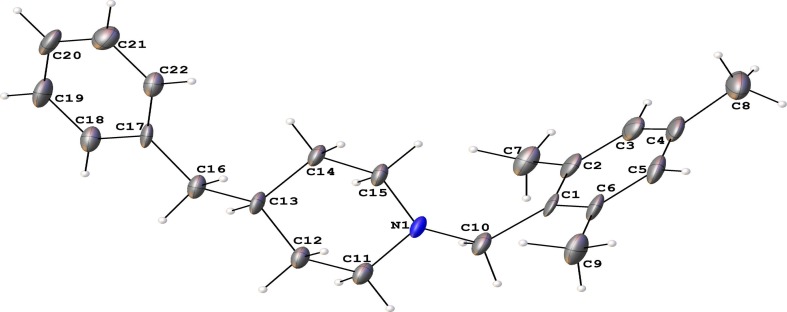
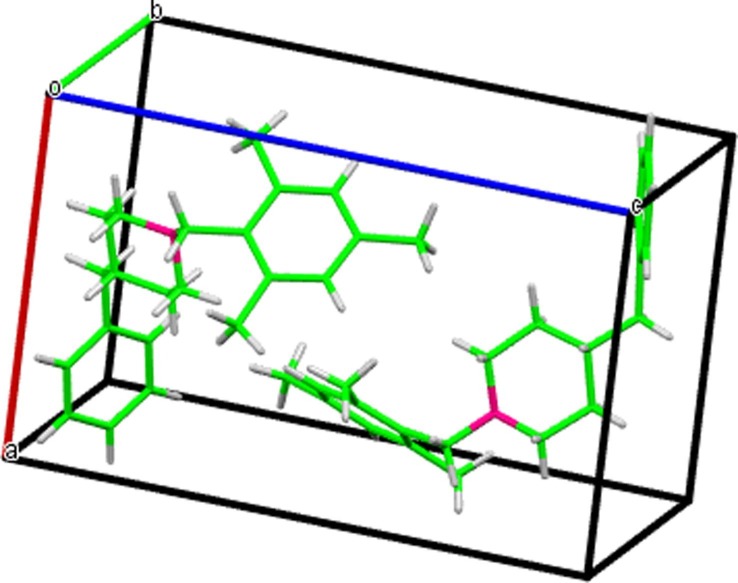
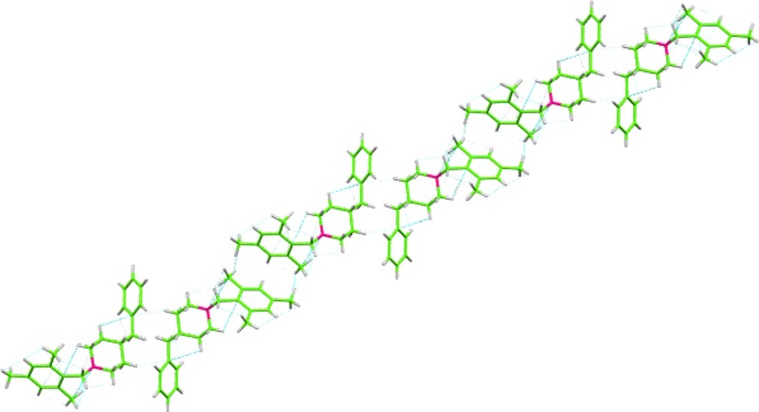
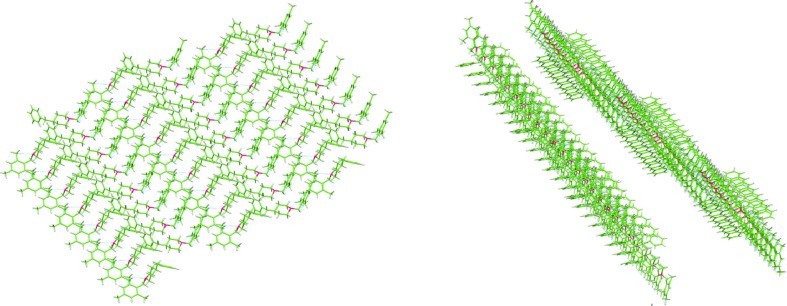
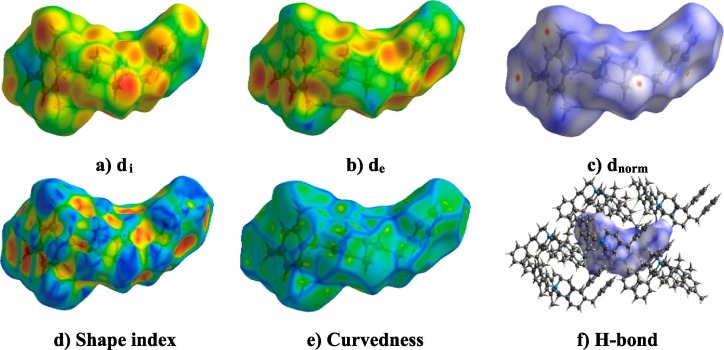
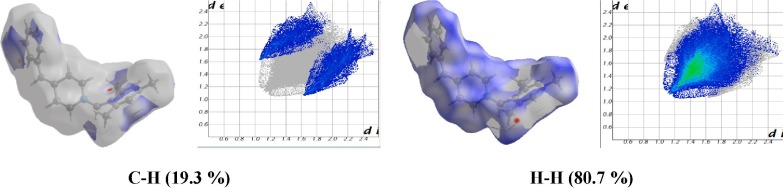
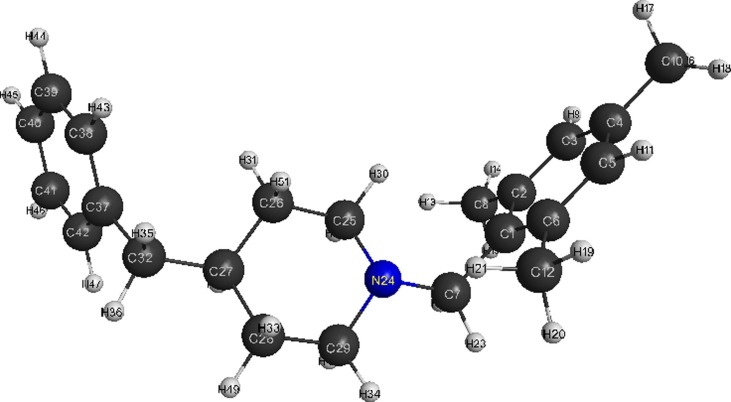
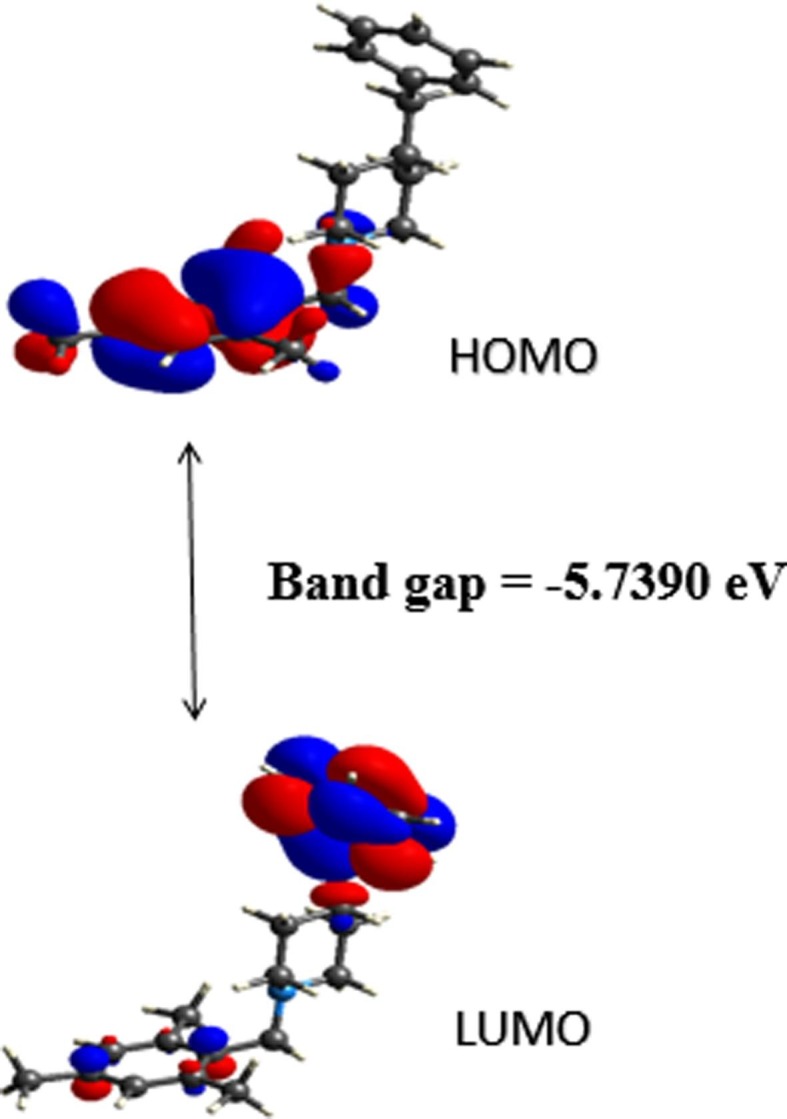
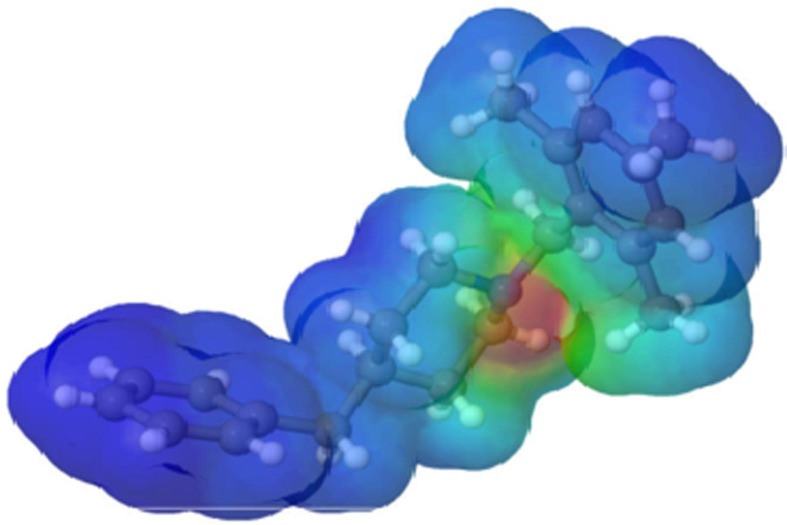
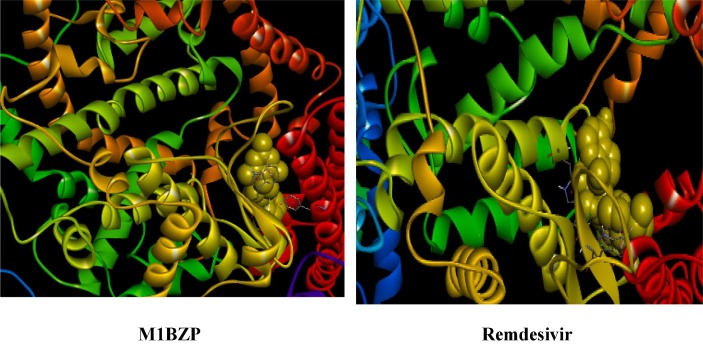
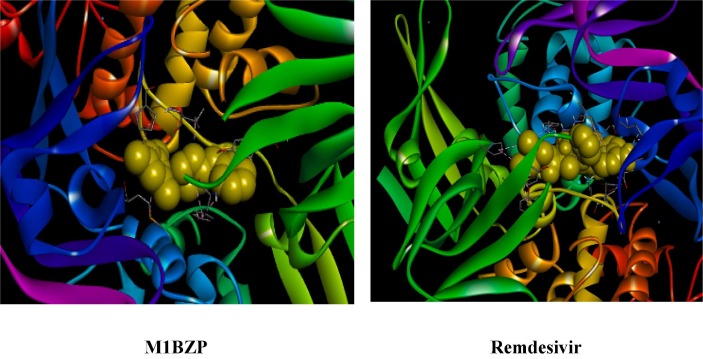
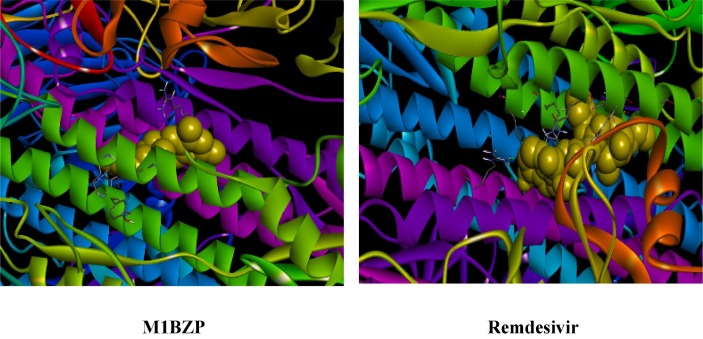
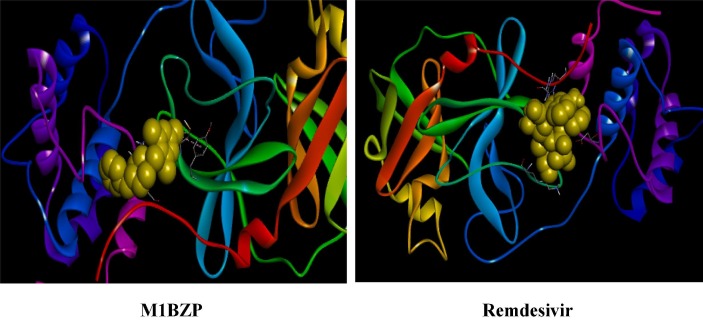
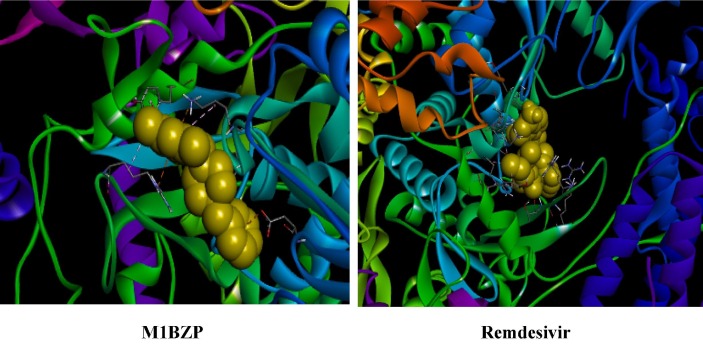
Nowadays, over 200 countries face a wellbeing emergency because of epidemiological disease COVID-19 caused by the SARS-CoV-2 virus. It will cause a very high effect on the world's economy and the worldwide health sector. The present work is an investigation of the newly synthesized 4-benzyl-1-(2,4,6-trimethyl-benzyl)-piperidine (M1BZP) molecule's inhibitory potential against important protein targets of SARS-CoV-2 using computational approaches. M1BZP crystallizes in monoclinic type with P1211 space group. For the title compound M1BZP, spectroscopic characterization like H NMR, C NMR, FTIR, were carried out. The geometry of the compound had been optimized by the DFT method and its results were compared with the X-ray diffraction data. The calculated energies for the Highest Occupied Molecular Orbital (HOMO) and the Lowest Unoccupied Molecular Orbital (LUMO) showed the stability and reactivity of the title compound. Intermolecular interactions in the crystal network were determined using Hirshfeld surface analyses. The molecular electrostatic potential (MEP) picture was drawn using the same level of theory to visualize the chemical reactivity and charge distribution on the molecule. Molecular docking study performed for the synthesized compound revealed an efficient interaction with the COVID-19 protease and resulted in good activities. We hope the present study would help workers in the field to develop potential vaccines and therapeutics against the novel coronavirus. Virtual ADME studies were carried out as well and a relationship between biological, electronic, and physicochemical qualifications of the target compound was determined. Toxicity prediction by computational technique for the title compound was also carried out.
如今,由于 SARS-CoV-2 病毒引起的流行病 COVID-19,超过 200 个国家面临着健康危机。这将对世界经济和全球卫生部门造成非常高的影响。本工作是通过计算方法研究新合成的 4-苄基-1-(2,4,6-三甲基苄基)-哌啶(M1BZP)分子对 SARS-CoV-2 重要蛋白靶标的抑制潜力。M1BZP 以单斜晶型结晶,空间群为 P1211。对标题化合物 M1BZP 进行了光谱特征分析,如 1 H NMR、13 C NMR、FTIR。采用密度泛函理论(DFT)方法优化了化合物的几何形状,并将其结果与 X 射线衍射数据进行了比较。计算出的最高占据分子轨道(HOMO)和最低未占据分子轨道(LUMO)的能量表明了标题化合物的稳定性和反应性。利用 Hirshfeld 表面分析确定了晶体网络中的分子间相互作用。使用相同的理论绘制了分子静电势(MEP)图,以可视化分子上的化学反应性和电荷分布。对合成化合物进行的分子对接研究表明,它与 COVID-19 蛋白酶具有有效的相互作用,并且具有良好的活性。我们希望本研究能帮助该领域的工作者开发针对新型冠状病毒的潜在疫苗和疗法。还进行了虚拟 ADME 研究,并确定了目标化合物的生物、电子和物理化学性质之间的关系。还通过计算技术对标题化合物进行了毒性预测。