Sieradzki Ella T, Morando Michael, Fuhrman Jed A
Department of Biological Sciences, University of Southern California, Los Angeles, California, USA
Department of Biological Sciences, University of Southern California, Los Angeles, California, USA.
mSystems. 2021 May 11;6(3):e00245-21. doi: 10.1128/mSystems.00245-21.
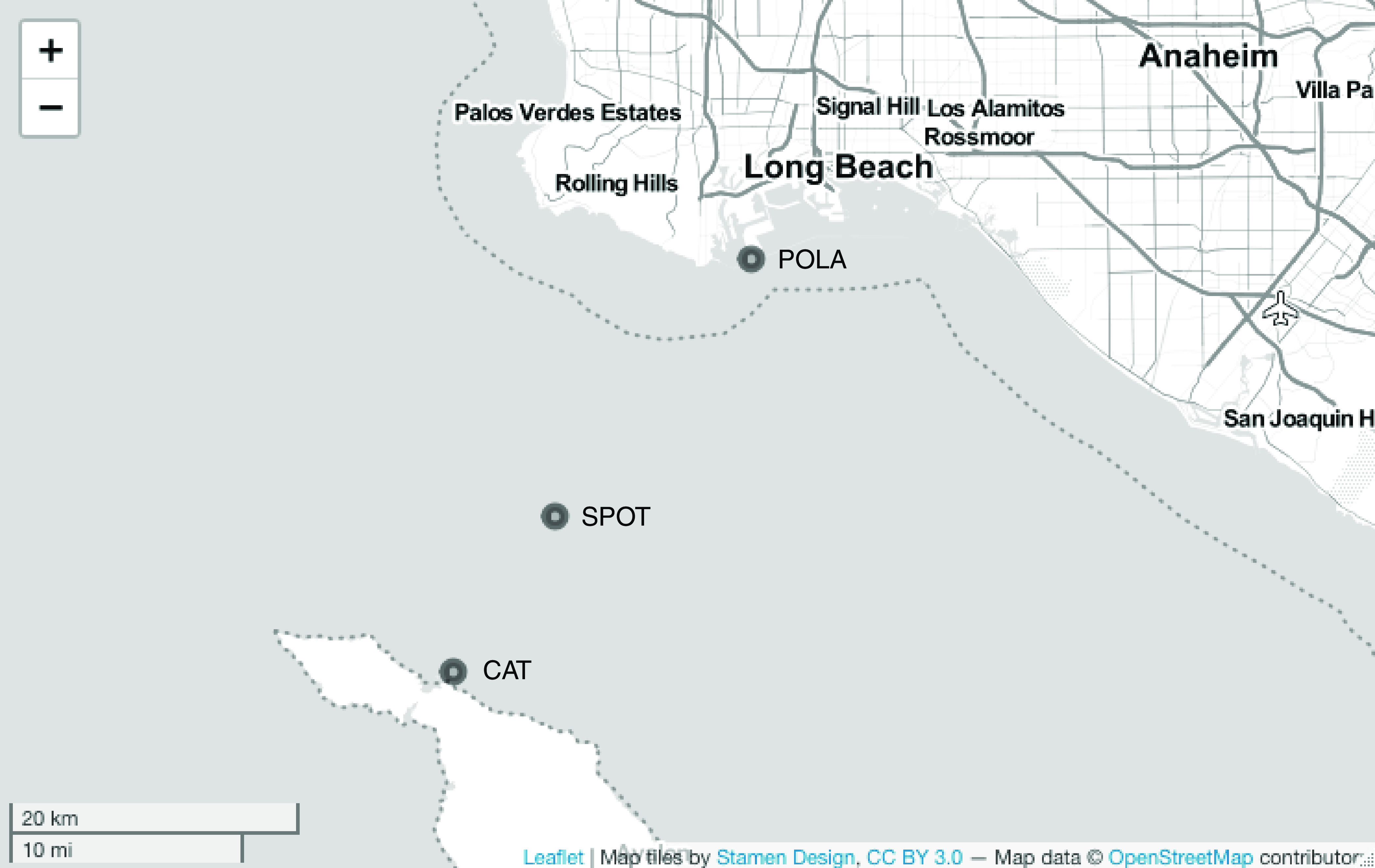
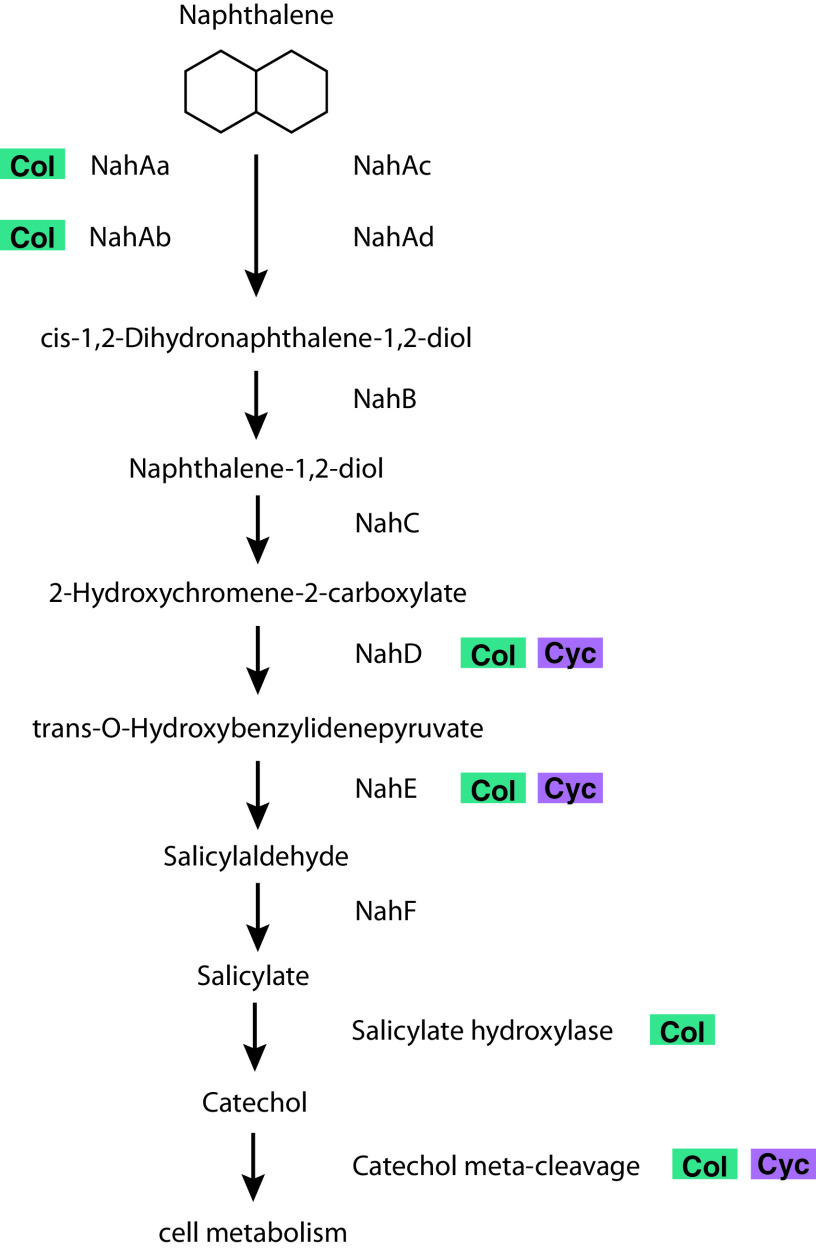
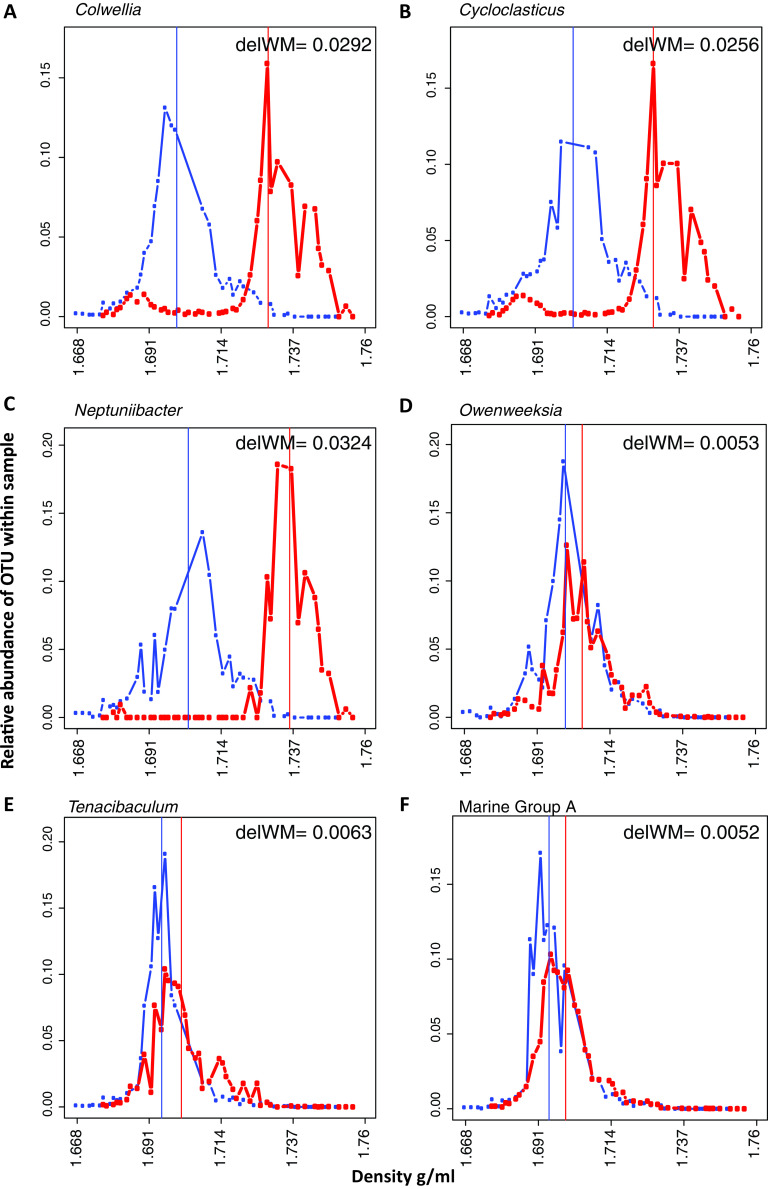
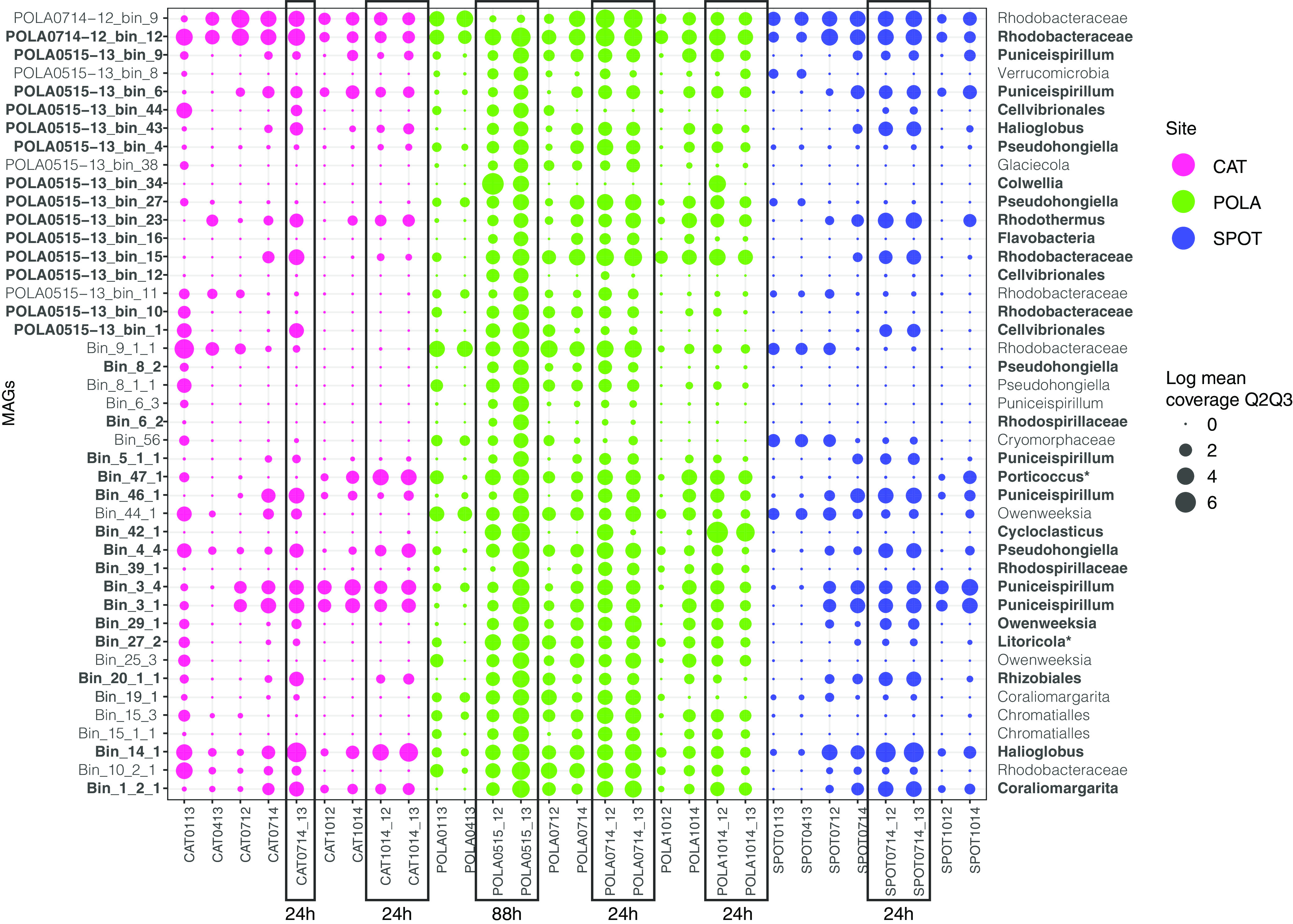
Bacterial biodegradation is a significant contributor to remineralization of polycyclic aromatic hydrocarbons (PAHs)-toxic and recalcitrant components of crude oil as well as by-products of partial combustion chronically introduced into seawater via atmospheric deposition. The Deepwater Horizon oil spill demonstrated the speed at which a seed PAH-degrading community maintained by chronic inputs responds to acute pollution. We investigated the diversity and functional potential of a similar seed community in the chronically polluted Port of Los Angeles (POLA), using stable isotope probing with naphthalene, deep-sequenced metagenomes, and carbon incorporation rate measurements at the port and in two sites in the San Pedro Channel. We demonstrate the ability of the community of degraders at the POLA to incorporate carbon from naphthalene, leading to a quick shift in microbial community composition to be dominated by the normally rare and We show that metagenome-assembled genomes (MAGs) belonged to these naphthalene degraders by matching their 16S-rRNA gene with experimental stable isotope probing data. Surprisingly, we did not find a full PAH degradation pathway in those genomes, even when combining genes from the entire microbial community, leading us to hypothesize that promiscuous dehydrogenases replace canonical naphthalene degradation enzymes in this site. We compared metabolic pathways identified in 29 genomes whose abundance increased in the presence of naphthalene to generate genomic-based recommendations for future optimization of PAH bioremediation at the POLA, e.g., ammonium as opposed to urea, heme or hemoproteins as an iron source, and polar amino acids. Oil spills in the marine environment have a devastating effect on marine life and biogeochemical cycles through bioaccumulation of toxic hydrocarbons and oxygen depletion by hydrocarbon-degrading bacteria. Oil-degrading bacteria occur naturally in the ocean, especially where they are supported by chronic inputs of oil or other organic carbon sources, and have a significant role in degradation of oil spills. Polycyclic aromatic hydrocarbons are the most persistent and toxic component of crude oil. Therefore, the bacteria that can break those molecules down are of particular importance. We identified such bacteria at the Port of Los Angeles (POLA), one of the busiest ports worldwide, and characterized their metabolic capabilities. We propose chemical targets based on those analyses to stimulate the activity of these bacteria in case of an oil spill in the Port POLA.
细菌生物降解是多环芳烃(PAHs)再矿化的重要贡献者,多环芳烃是原油中的有毒且难降解成分,也是通过大气沉降长期进入海水的部分燃烧副产物。“深水地平线”漏油事件展示了由长期输入维持的PAH降解种子群落对急性污染的响应速度。我们利用萘的稳定同位素探测、深度测序的宏基因组以及在洛杉矶港(POLA)和圣佩德罗海峡的两个地点进行的碳掺入率测量,研究了长期受污染的洛杉矶港中类似种子群落的多样性和功能潜力。我们证明了POLA的降解菌群落能够从萘中摄取碳,导致微生物群落组成迅速转变,以通常罕见的[具体微生物名称未给出]为主导。我们通过将它们的16S - rRNA基因与实验稳定同位素探测数据相匹配,表明宏基因组组装基因组(MAGs)属于这些萘降解菌。令人惊讶的是,即使将整个微生物群落的基因组合起来,我们在这些基因组中也未发现完整的PAH降解途径,这使我们推测在该地点,混杂的脱氢酶取代了经典的萘降解酶。我们比较了在萘存在下丰度增加的29个基因组中鉴定出的代谢途径,以生成基于基因组的建议,用于未来优化POLA的PAH生物修复,例如用铵而非尿素、血红素或血红蛋白作为铁源以及极性氨基酸。海洋环境中的漏油事件通过有毒碳氢化合物的生物累积和烃降解细菌导致的氧气消耗,对海洋生物和生物地球化学循环产生毁灭性影响。石油降解细菌在海洋中自然存在,特别是在有石油或其他有机碳源长期输入的地方,并且在漏油降解中起重要作用。多环芳烃是原油中最持久和有毒的成分。因此,能够分解这些分子的细菌尤为重要。我们在全球最繁忙的港口之一洛杉矶港(POLA)鉴定出了此类细菌,并对其代谢能力进行了表征。我们基于这些分析提出化学靶点,以便在POLA港发生漏油事件时刺激这些细菌的活性。