Garcia Sarahi L, Mehrshad Maliheh, Buck Moritz, Tsuji Jackson M, Neufeld Josh D, McMahon Katherine D, Bertilsson Stefan, Greening Chris, Peura Sari
Department of Ecology and Genetics, Limnology, Uppsala University, Uppsala, Sweden
Department of Ecology, Environment, and Plant Sciences, Science for Life Laboratory, Stockholm University, Stockholm, Sweden.
mSystems. 2021 May 11;6(3):e01196-20. doi: 10.1128/mSystems.01196-20.
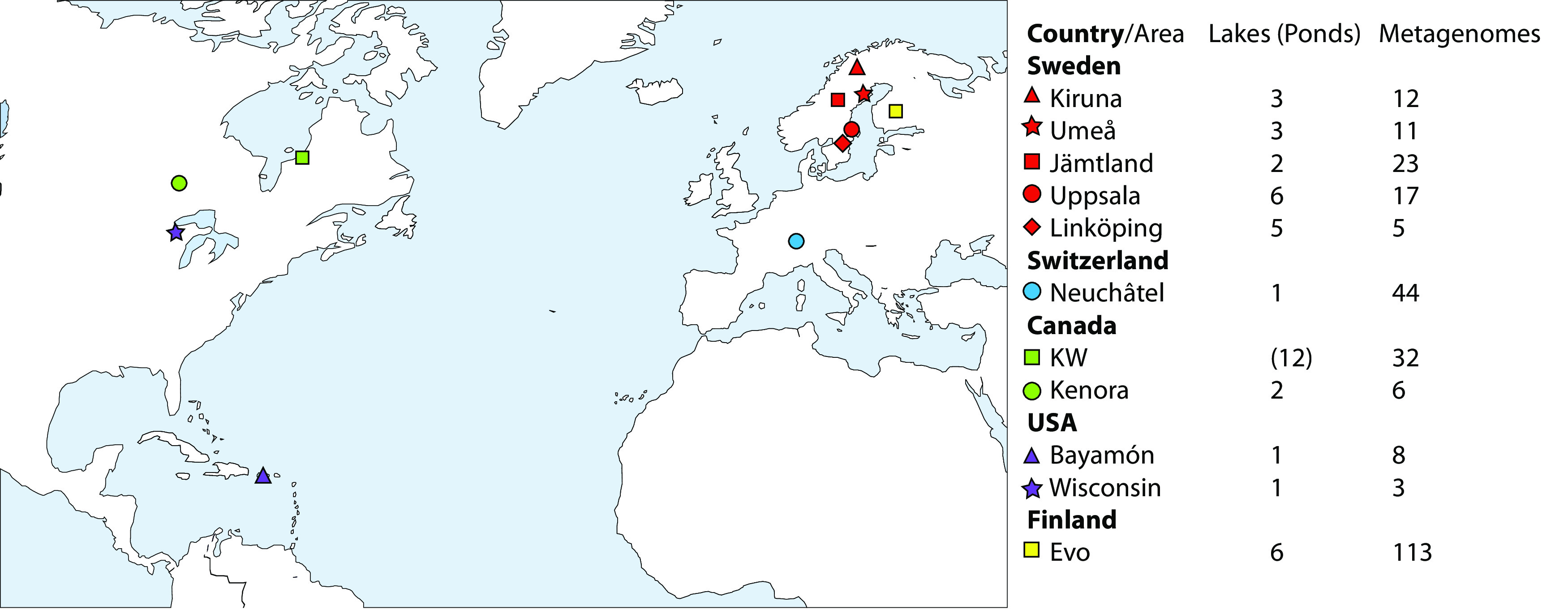
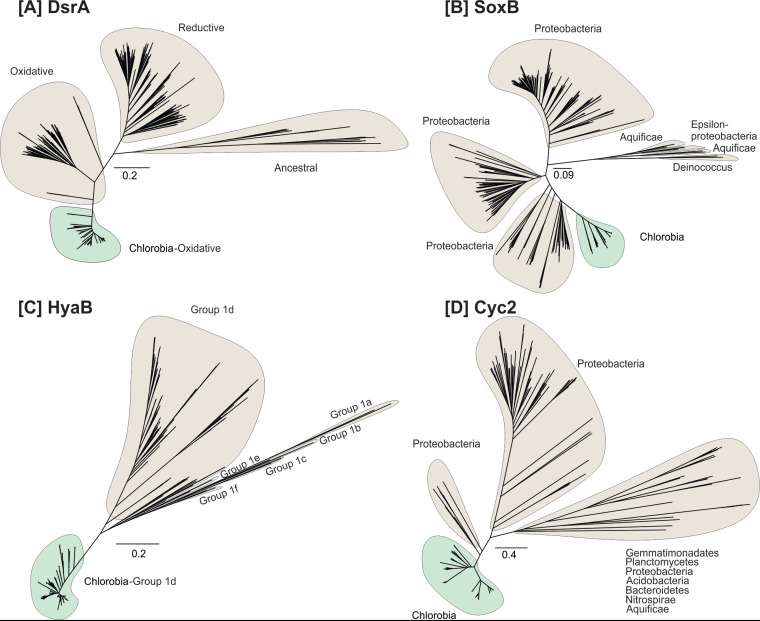
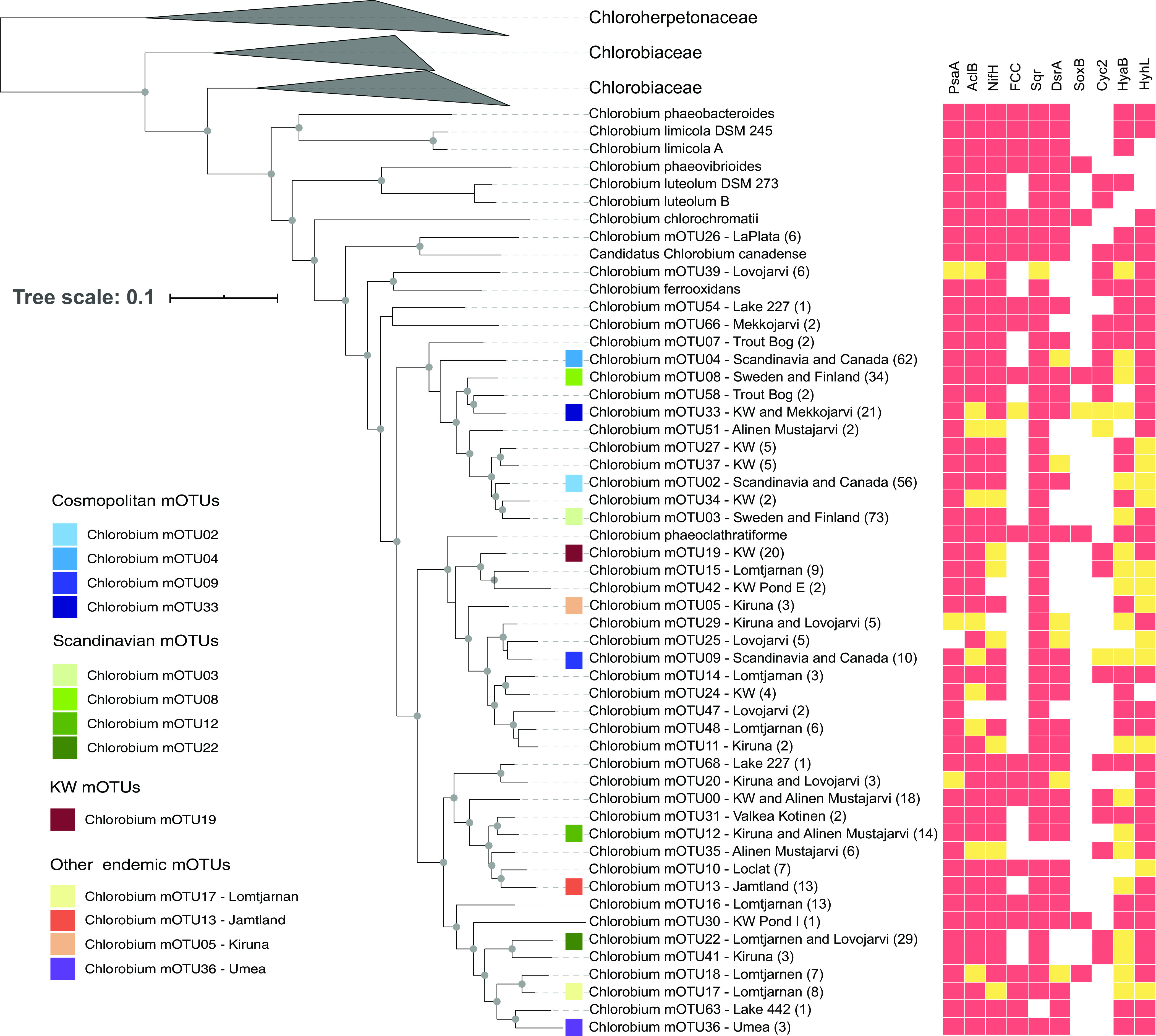
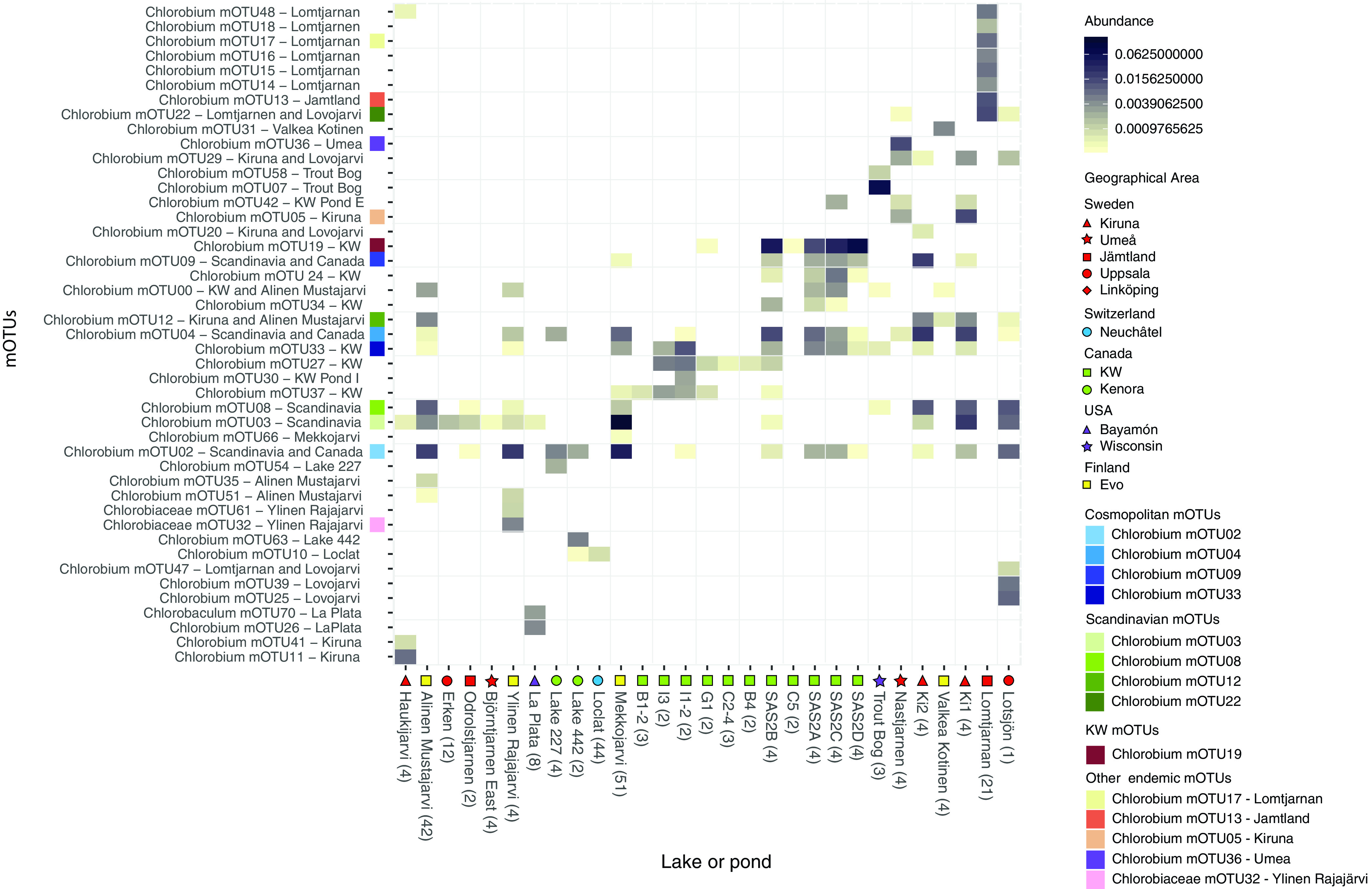
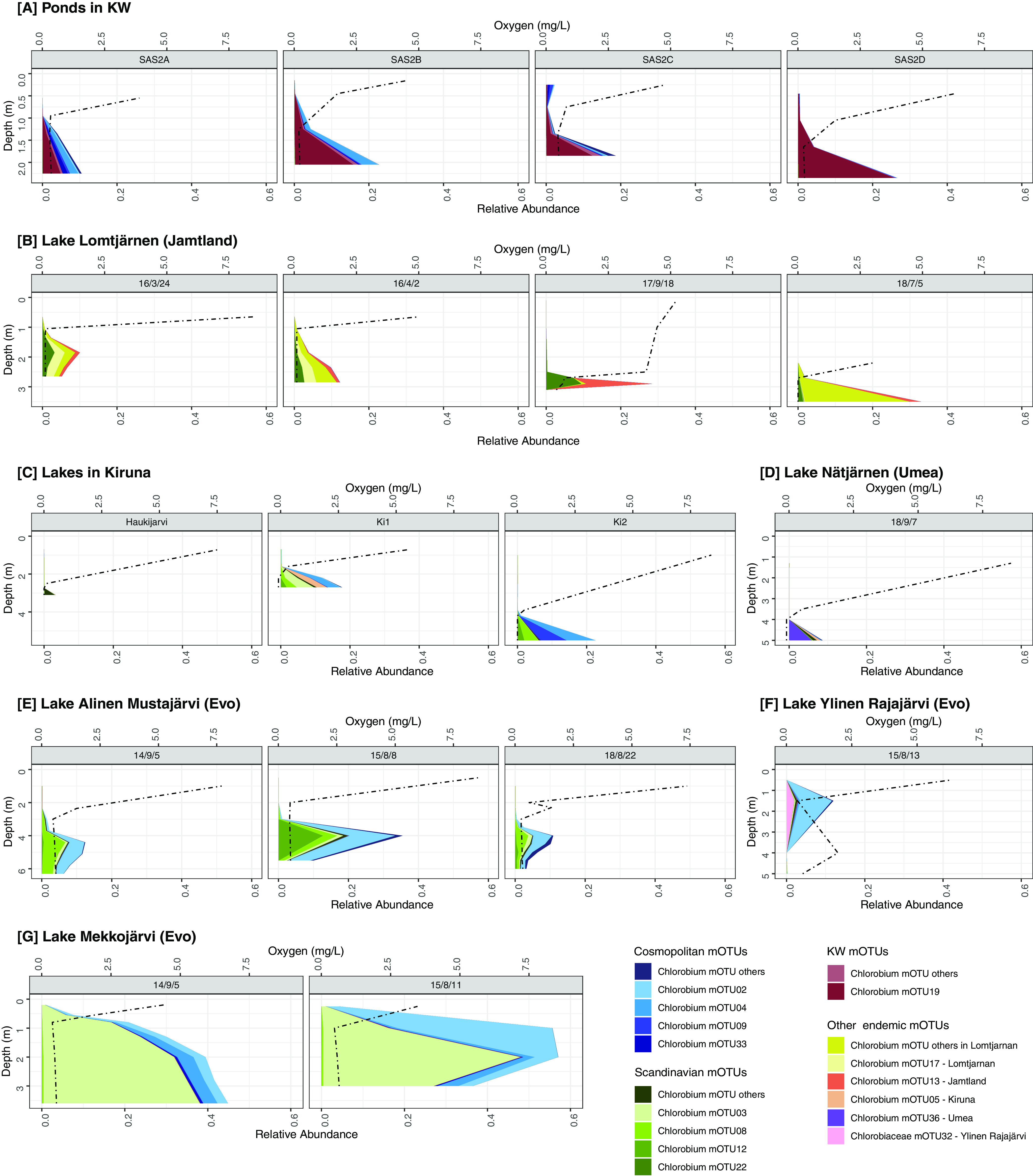
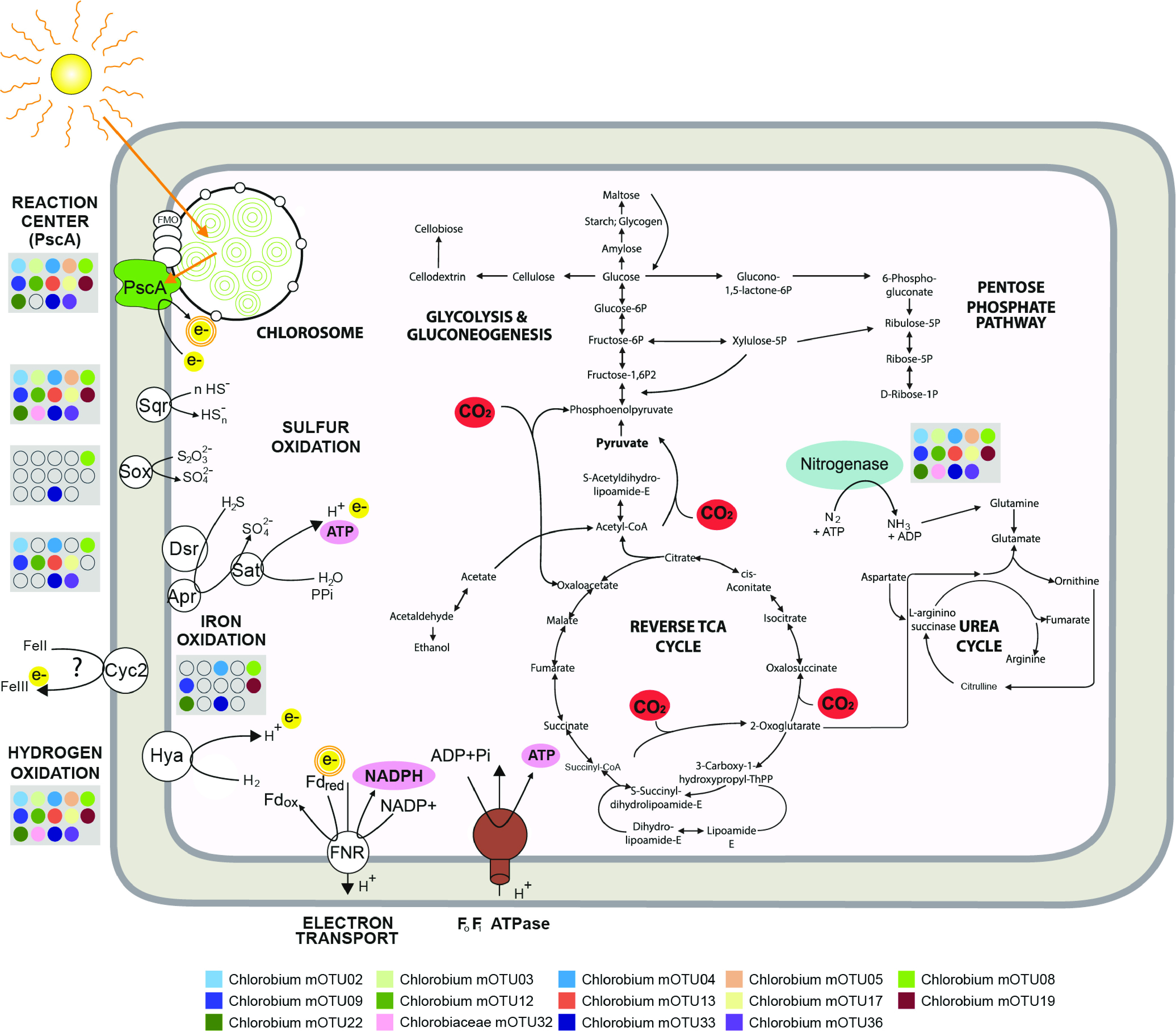
Photosynthetic bacteria from the class (formerly phylum ) sustain carbon fixation in anoxic water columns. They harvest light at extremely low intensities and use various inorganic electron donors to fix carbon dioxide into biomass. Until now, most information on the functional ecology and local adaptations of members came from isolates and merely 26 sequenced genomes that may not adequately represent natural populations. To address these limitations, we analyzed global metagenomes to profile planktonic cells from the oxyclines of 42 freshwater bodies, spanning subarctic to tropical regions and encompassing all four seasons. We assembled and compiled over 500 genomes, including metagenome-assembled genomes (MAGs), single-amplified genomes (SAGs), and reference genomes from cultures, clustering them into 71 metagenomic operational taxonomic units (mOTUs or "species"). Of the 71 mOTUs, 57 were classified within the genus , and these mOTUs represented up to ∼60% of the microbial communities in the sampled anoxic waters. Several -associated mOTUs were globally distributed, whereas others were endemic to individual lakes. Although most clades encoded the ability to oxidize hydrogen, many lacked genes for the oxidation of specific sulfur and iron substrates. Surprisingly, one globally distributed Scandinavian clade encoded the ability to oxidize hydrogen, sulfur, and iron, suggesting that metabolic versatility facilitated such widespread colonization. Overall, these findings provide new insight into the biogeography of the and the metabolic traits that facilitate niche specialization within lake ecosystems. The reconstruction of genomes from metagenomes has helped explore the ecology and evolution of environmental microbiota. We applied this approach to 274 metagenomes collected from diverse freshwater habitats that spanned oxic and anoxic zones, sampling seasons, and latitudes. We demonstrate widespread and abundant distributions of planktonic -associated bacteria in hypolimnetic waters of stratified freshwater ecosystems and show they vary in their capacities to use different electron donors. Having photoautotrophic potential, these members could serve as carbon sources that support metalimnetic and hypolimnetic food webs.
光合细菌纲(原光合细菌门)的细菌在缺氧水柱中维持碳固定。它们能在极低光照强度下捕获光能,并利用各种无机电子供体将二氧化碳固定为生物量。到目前为止,关于光合细菌纲成员功能生态学和局部适应性的大多数信息都来自分离株,仅有26个已测序基因组,可能无法充分代表自然种群。为解决这些局限性,我们分析了全球宏基因组,以描绘来自42个淡水水体斜温层的浮游光合细菌纲细胞,这些水体涵盖了从亚北极到热带地区,并包括所有四个季节。我们组装并整理了500多个基因组,包括宏基因组组装基因组(MAG)、单扩增基因组(SAG)和来自培养物的参考基因组,将它们聚类为71个宏基因组操作分类单元(mOTU或“物种”)。在这71个mOTU中,57个被归类到光合细菌属内,这些mOTU在采样的缺氧水域中占微生物群落的比例高达60%左右。几个与光合细菌相关的mOTU在全球范围内分布,而其他的则是个别湖泊特有的。虽然大多数进化枝编码了氧化氢的能力,但许多缺乏氧化特定硫和铁底物的基因。令人惊讶的是,一个分布于全球的斯堪的纳维亚进化枝编码了氧化氢、硫和铁的能力,这表明代谢多样性促进了这种广泛的定殖。总体而言,这些发现为光合细菌纲的生物地理学以及促进湖泊生态系统中生态位特化的代谢特征提供了新的见解。从宏基因组中重建基因组有助于探索环境微生物群的生态学和进化。我们将这种方法应用于从不同淡水生境收集的274个宏基因组,这些生境跨越有氧和缺氧区域、采样季节和纬度。我们证明了浮游光合细菌纲相关细菌在分层淡水生态系统的湖下层水中广泛且丰富地分布,并表明它们利用不同电子供体的能力各不相同。这些具有光合自养潜力的光合细菌纲成员可以作为支持斜温层和湖下层食物网的碳源。