EpiVax Therapeutics, Inc, 188 Valley Street, Suite 424, Providence, RI, 02909, USA.
EpiVax, Inc, Providence, RI, USA.
Sci Rep. 2021 May 11;11(1):9983. doi: 10.1038/s41598-021-89016-7.
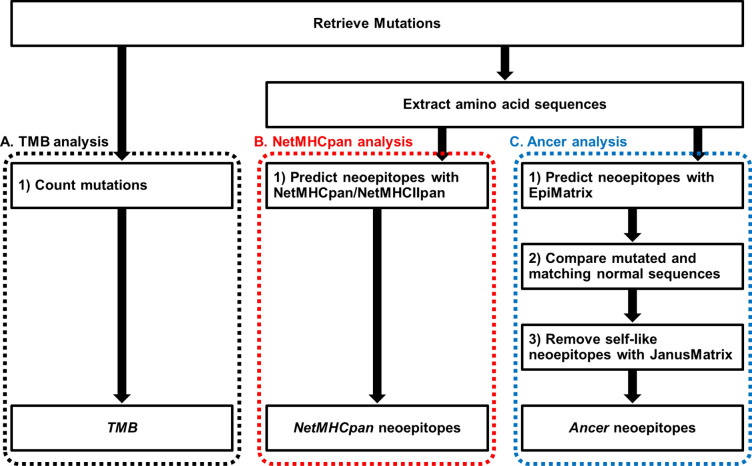
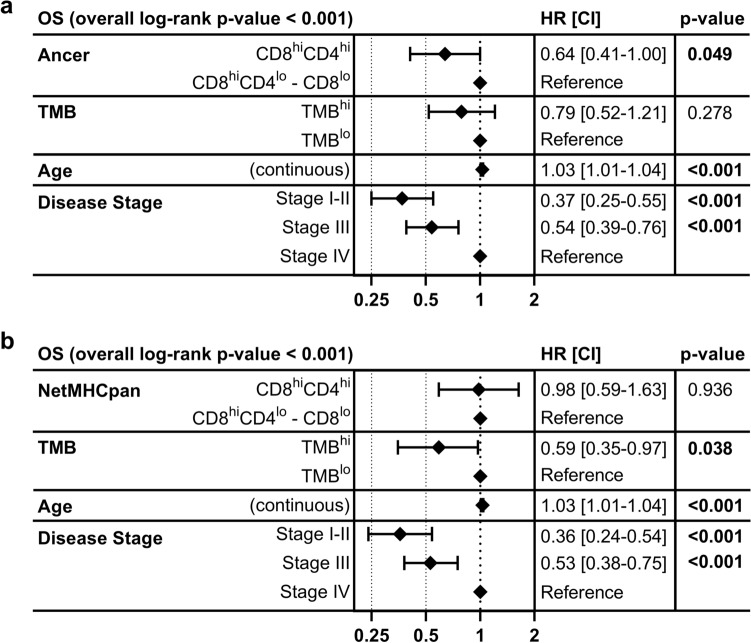
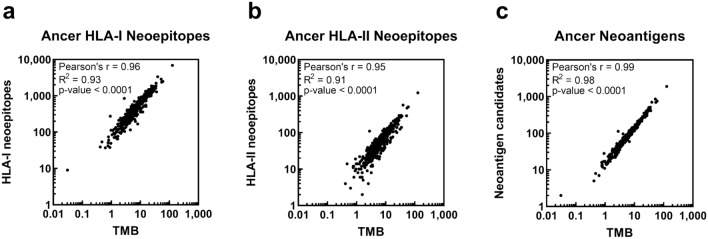
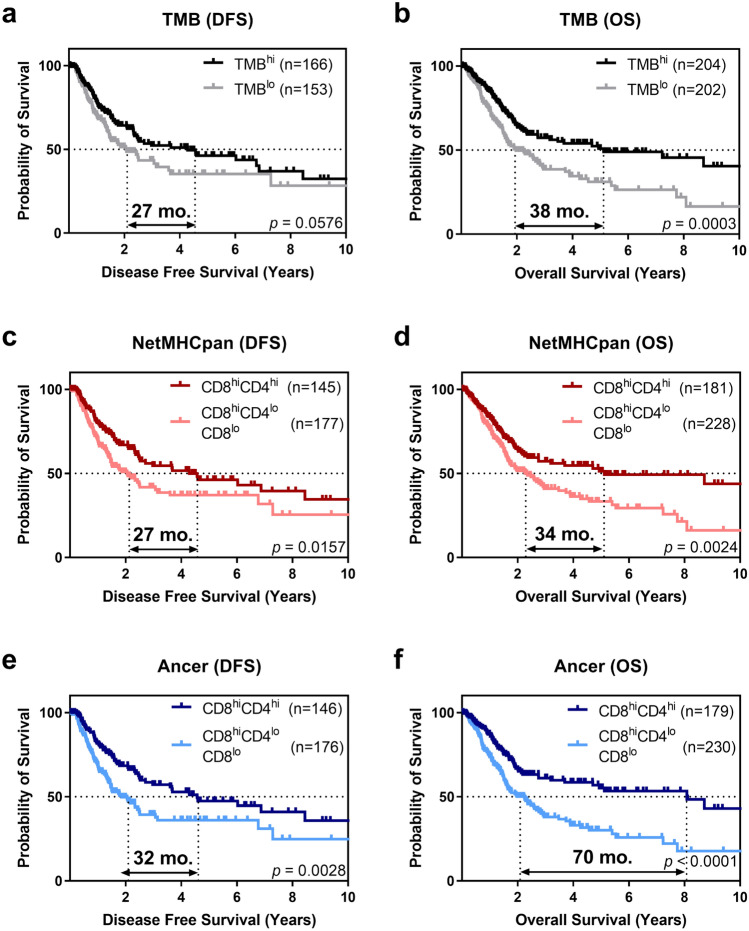
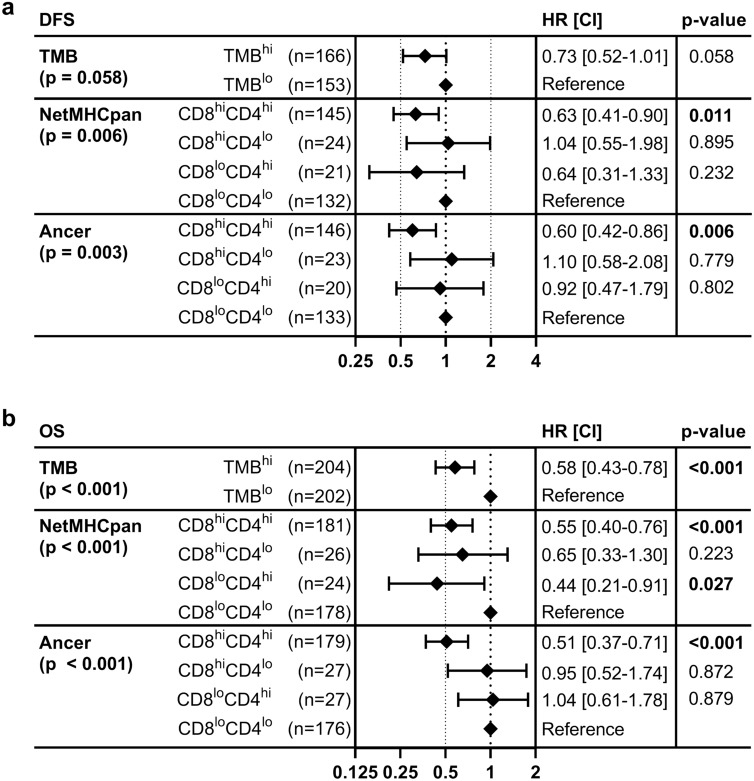
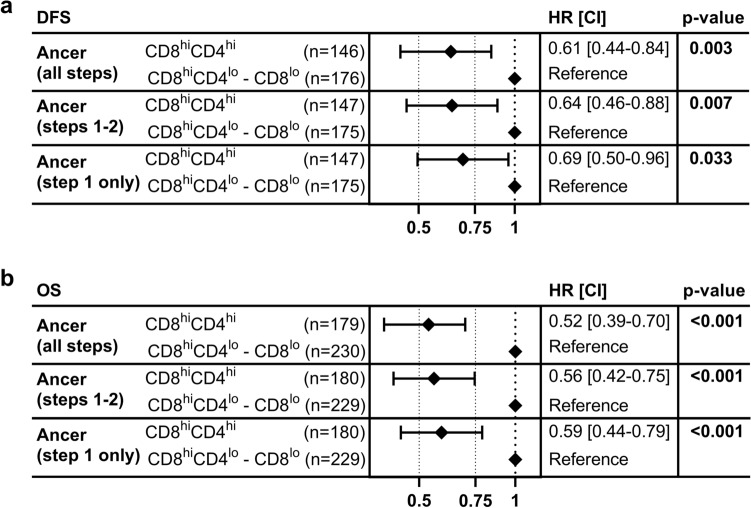
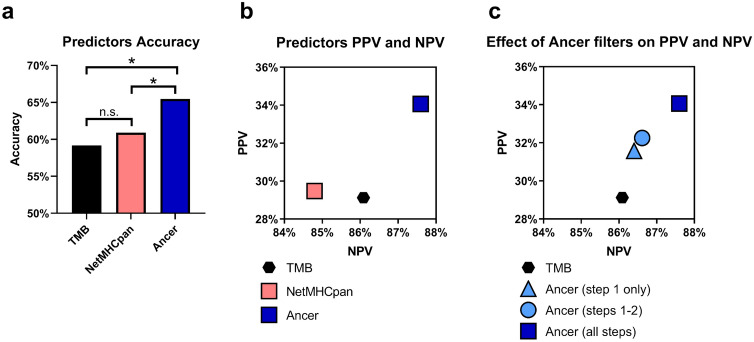
Improvement of risk stratification through prognostic biomarkers may enhance the personalization of cancer patient monitoring and treatment. We used Ancer, an immunoinformatic CD8, CD4, and regulatory T cell neoepitope screening system, to perform an advanced neoantigen analysis of genomic data derived from the urothelial cancer cohort of The Cancer Genome Atlas. Ancer demonstrated improved prognostic stratification and five-year survival prediction compared to standard analyses using tumor mutational burden or neoepitope identification using NetMHCpan and NetMHCIIpan. The superiority of Ancer, shown in both univariate and multivariate survival analyses, is attributed to the removal of neoepitopes that do not contribute to tumor immunogenicity based on their homology with self-epitopes. This analysis suggests that the presence of a higher number of unique, non-self CD8- and CD4-neoepitopes contributes to cancer survival, and that prospectively defining these neoepitopes using Ancer is a novel prognostic or predictive biomarker.
通过预后生物标志物改善风险分层可以增强癌症患者监测和治疗的个体化。我们使用 Ancer(一种免疫信息学 CD8、CD4 和调节性 T 细胞新抗原筛选系统)对来自癌症基因组图谱的膀胱癌队列的基因组数据进行高级新抗原分析。Ancer 与使用肿瘤突变负担或使用 NetMHCpan 和 NetMHCIIpan 进行新抗原鉴定的标准分析相比,显示出更好的预后分层和五年生存率预测。Ancer 的优越性在单变量和多变量生存分析中均得到体现,这归因于根据其与自身表位的同源性,去除了对肿瘤免疫原性没有贡献的新抗原。这项分析表明,存在更多独特的、非自身的 CD8 和 CD4 新抗原与癌症生存有关,并且使用 Ancer 前瞻性地定义这些新抗原是一种新的预后或预测生物标志物。