China-US (Henan) Hormel Cancer Institute, Zhengzhou, China.
Department of Pathophysiology, School of Basic Medical Sciences, Zhengzhou University, Zhengzhou, China.
J Cell Mol Med. 2021 Jun;25(12):5560-5571. doi: 10.1111/jcmm.16568. Epub 2021 May 13.
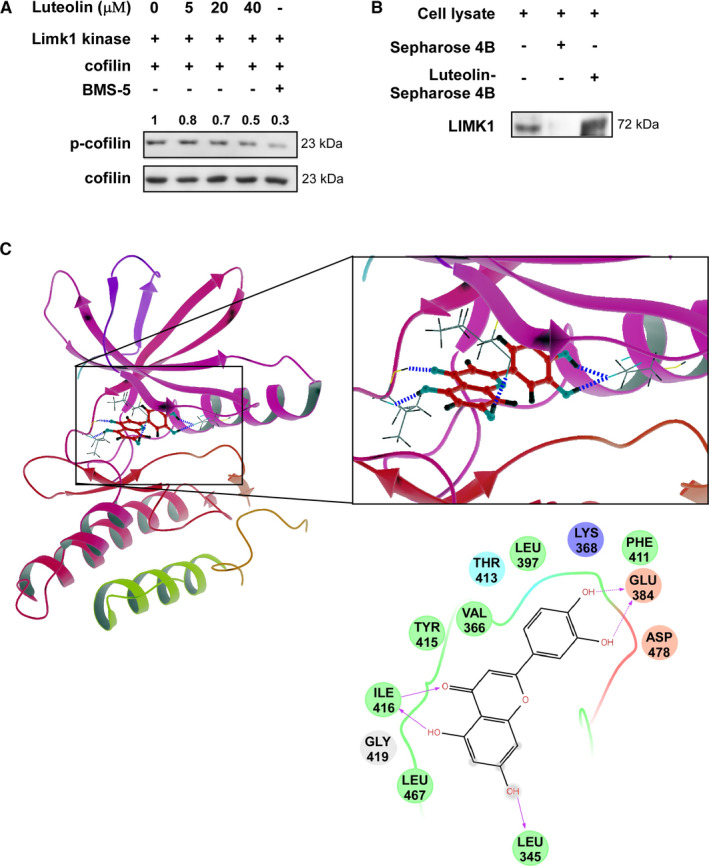
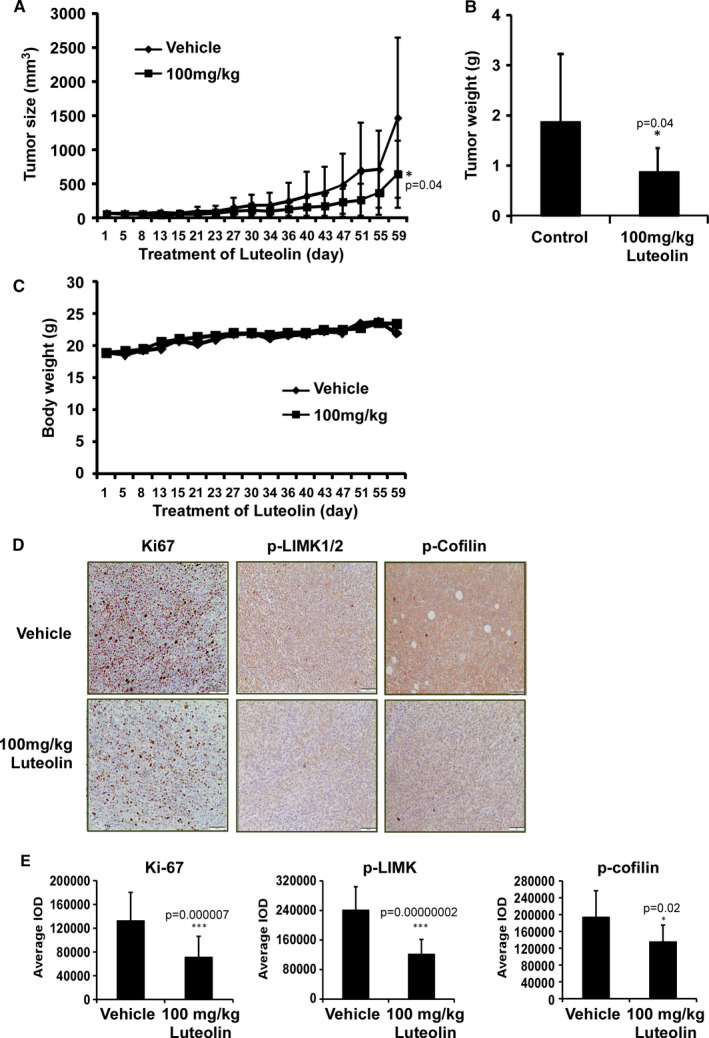
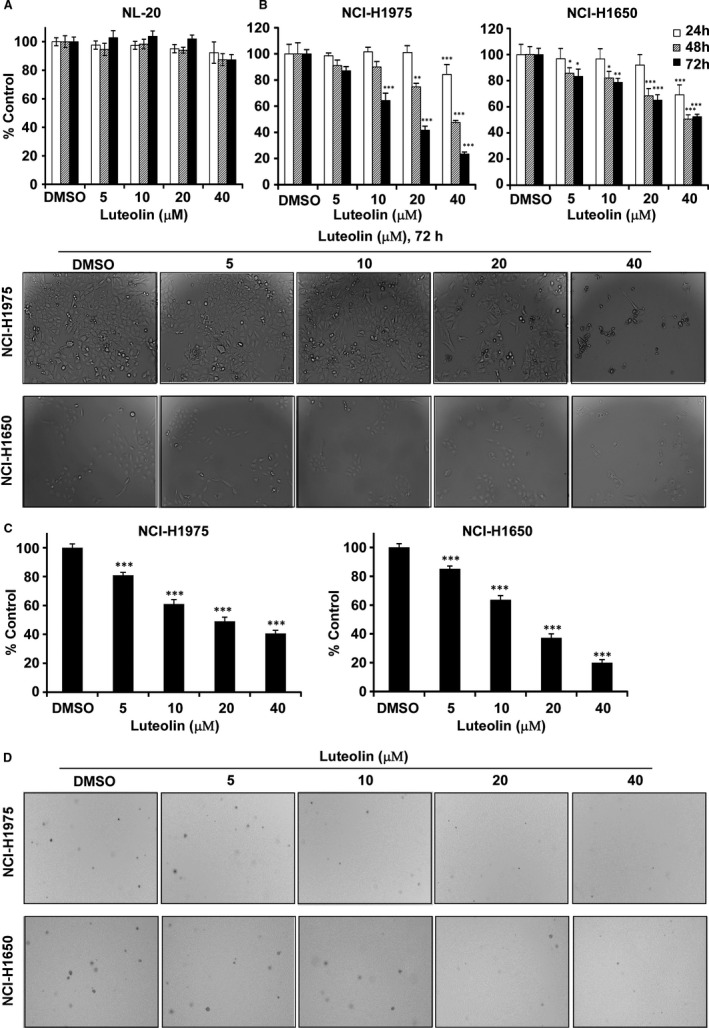
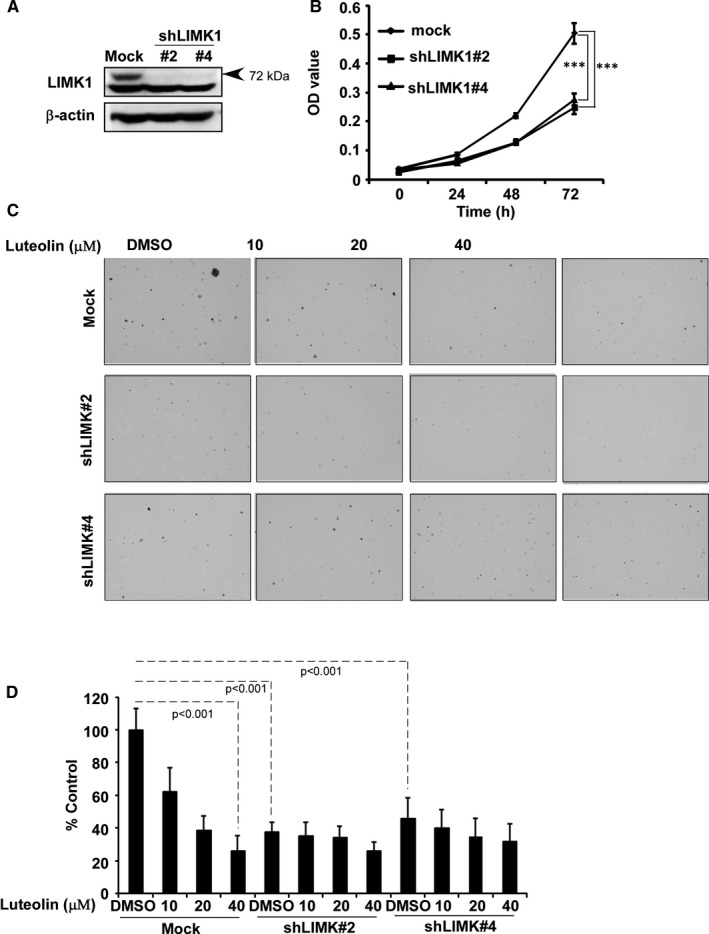
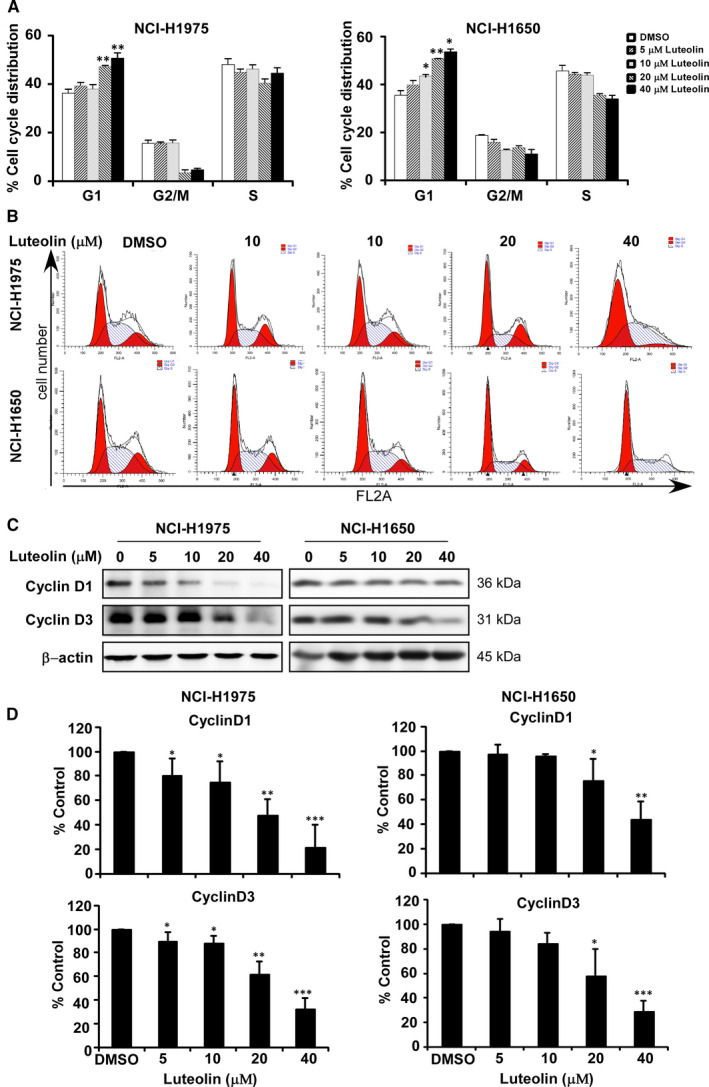
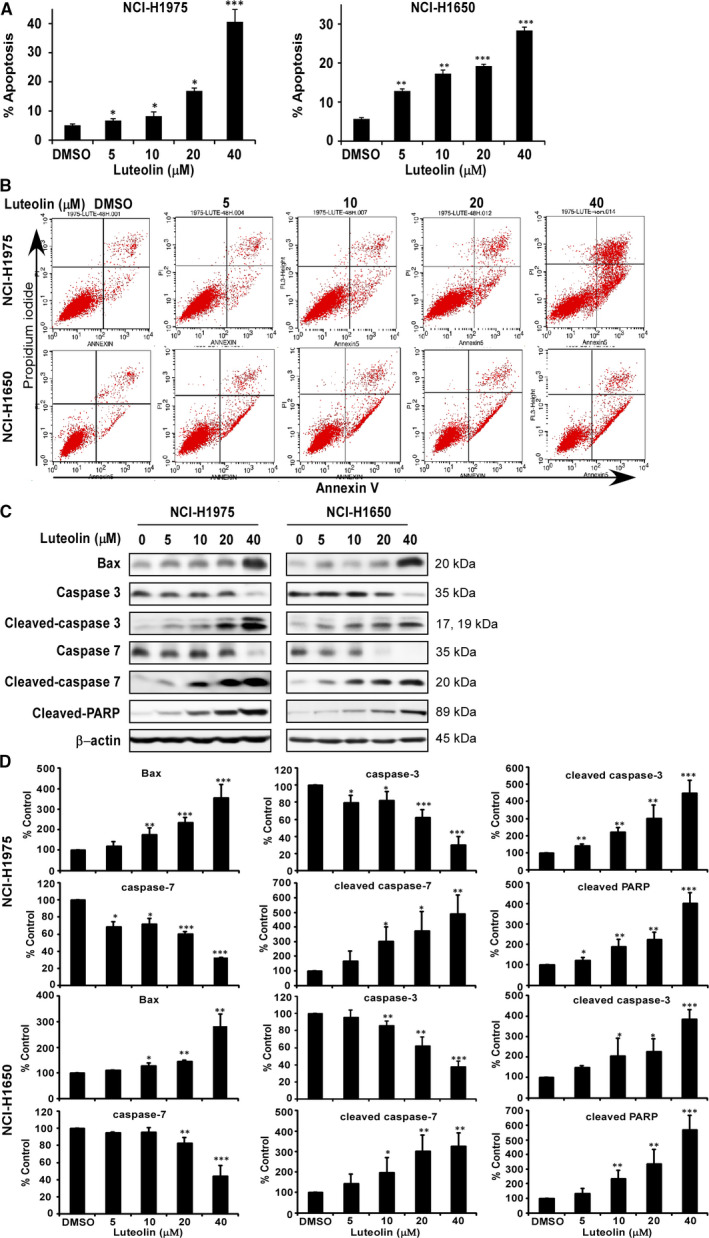
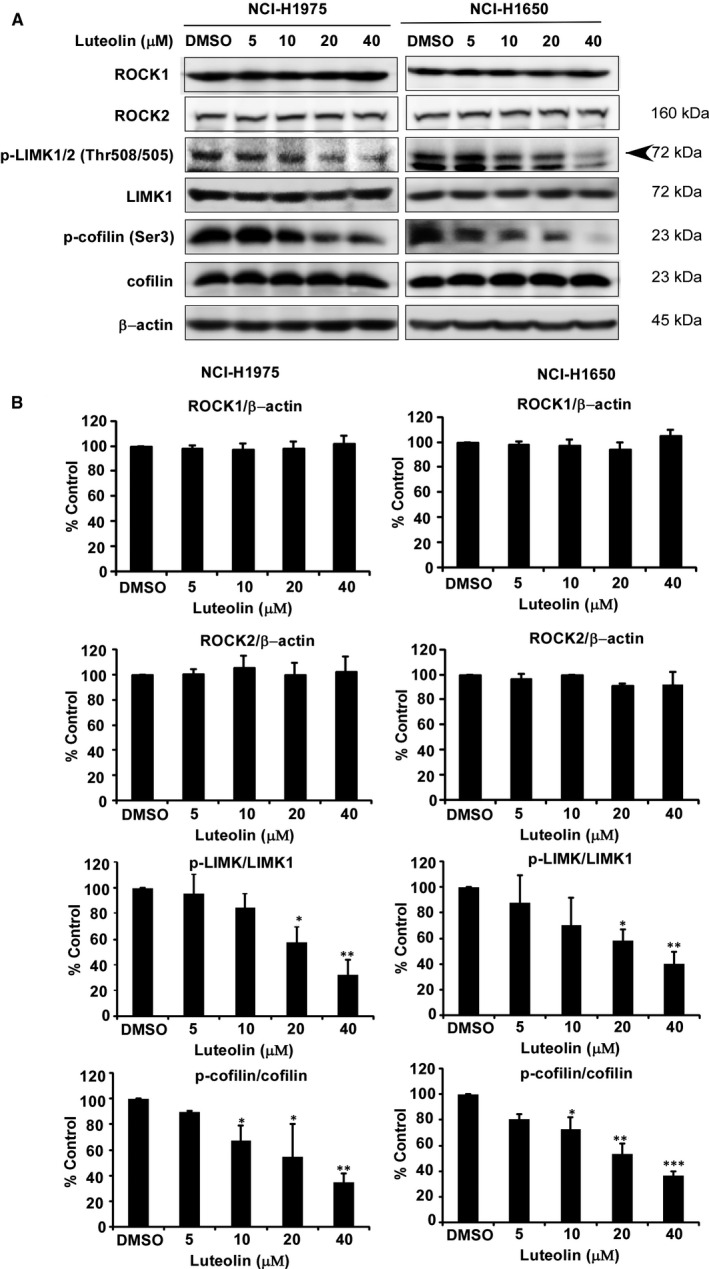
Lung cancer is the leading cause of cancer-related deaths. LIM domain kinase (LIMK) 1 is a member of serine/threonine kinase family and highly expressed in various cancers. Luteolin, a polyphenolic plant flavonoid, has been reported to suppress tumour proliferation through inducing apoptosis and autophagy via MAPK activation in glioma. However, the mechanism of luteolin on suppressing lung cancer growth is still unclear. We found that luteolin targeted LIMK1 from the in silico screening and significantly inhibited the LIMK1 kinase activity, which was confirmed with pull-down binding assay and computational docking models. Treatment with luteolin inhibited lung cancer cells anchorage-independent colony growth and induced apoptosis and cell cycle arrest at G1 phase. Luteolin also decreased the expression of cyclin D1 and increased the levels of cleaved caspase-3 by down-regulating LIMK1 signalling related targets, including p-LIMK and p-cofilin. Furthermore, luteolin suppressed the lung cancer patient-derived xenograft tumour growth by decreasing Ki-67, p-LIMK and p-cofilin expression in vivo. Taken together, these results provide insight into the mechanism that underlies the anticancer effects of luteolin on lung cancer, which involved in down-regulation of LIMK1 and its interaction with cofilin. It also provides valuable evidence for translation towards lung cancer clinical trials with luteolin.
肺癌是癌症相关死亡的主要原因。LIM 结构域激酶 1(LIMK)1 是丝氨酸/苏氨酸激酶家族的成员,在各种癌症中高度表达。木犀草素是一种多酚类植物类黄酮,据报道,通过激活 MAPK 在神经胶质瘤中诱导细胞凋亡和自噬,从而抑制肿瘤增殖。然而,木犀草素抑制肺癌生长的机制尚不清楚。我们通过计算机筛选发现木犀草素靶向 LIMK1,并显著抑制 LIMK1 激酶活性,这通过下拉结合测定和计算对接模型得到了证实。木犀草素处理抑制肺癌细胞锚定非依赖性集落生长,并诱导细胞凋亡和细胞周期停滞在 G1 期。木犀草素还通过下调 LIMK1 信号相关靶标,包括 p-LIMK 和 cleaved caspase-3,降低细胞周期蛋白 D1 的表达,增加 cleaved caspase-3 的水平。此外,木犀草素通过降低 Ki-67、p-LIMK 和 p-cofilin 的表达抑制肺癌患者来源的异种移植肿瘤生长。综上所述,这些结果为木犀草素抑制肺癌的抗癌作用的机制提供了深入的了解,涉及 LIMK1 的下调及其与原肌球蛋白的相互作用。它还为木犀草素在肺癌临床试验中的转化提供了有价值的证据。