ANZAC Research Institute, Concord Hospital, Concord, Australia.
Garvan Institute of Medical Research, Sydney, Australia.
Elife. 2021 May 13;10:e65234. doi: 10.7554/eLife.65234.
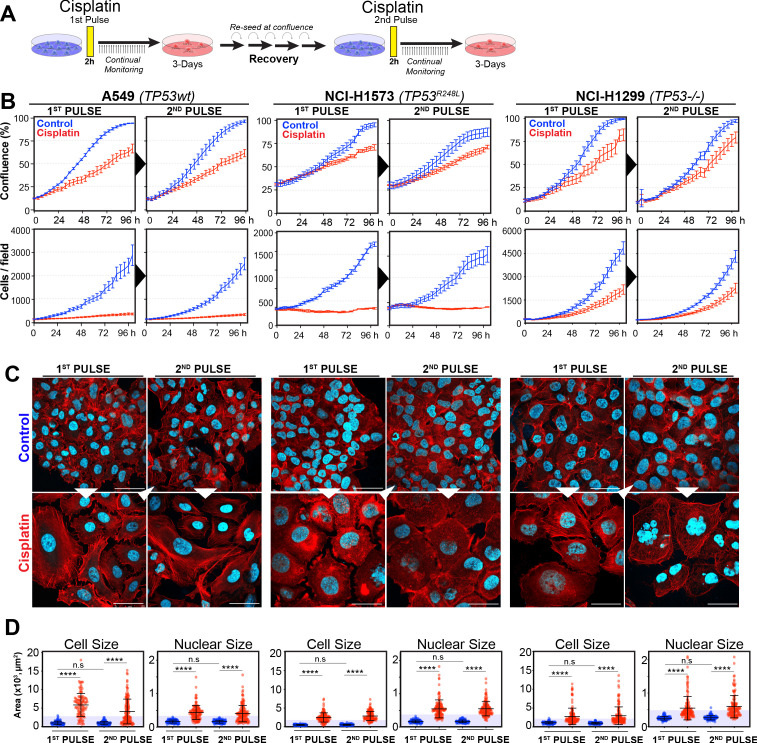
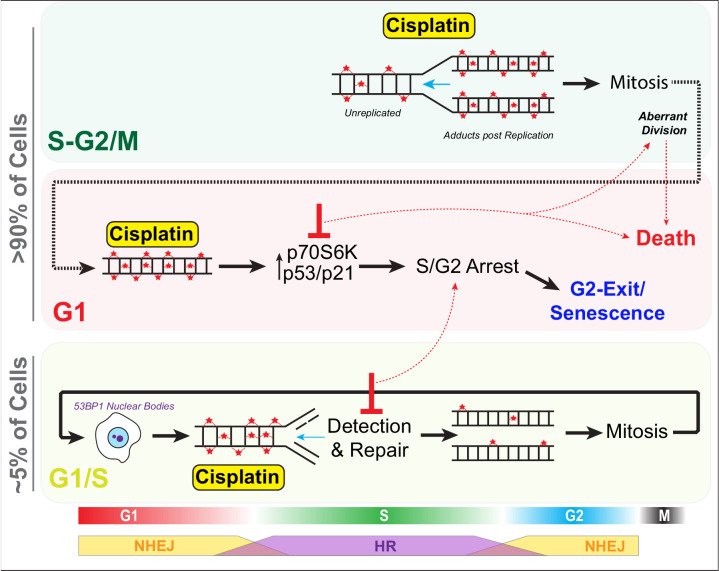
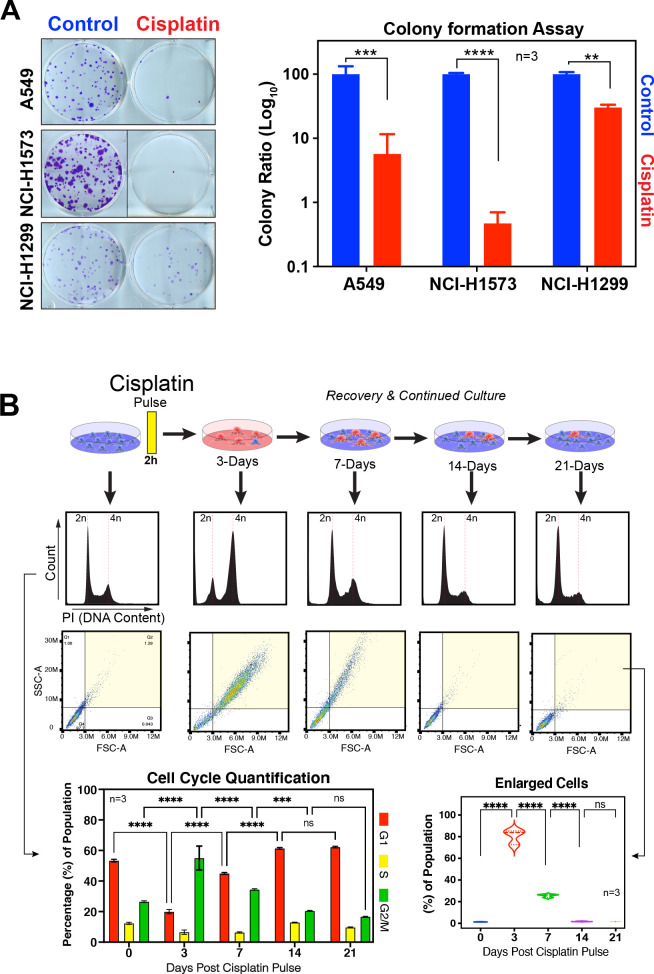
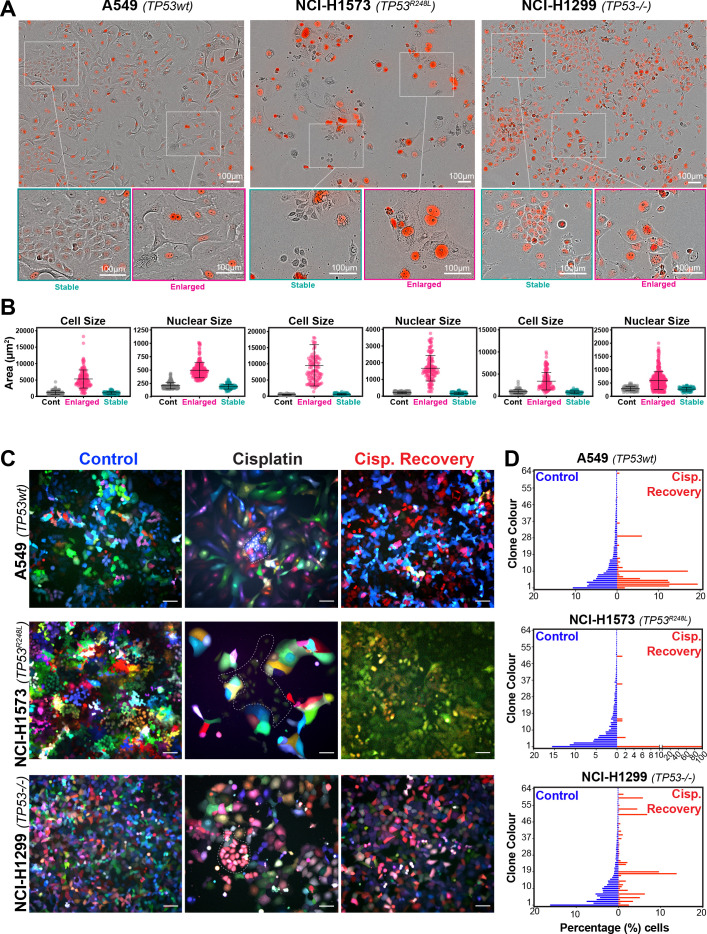
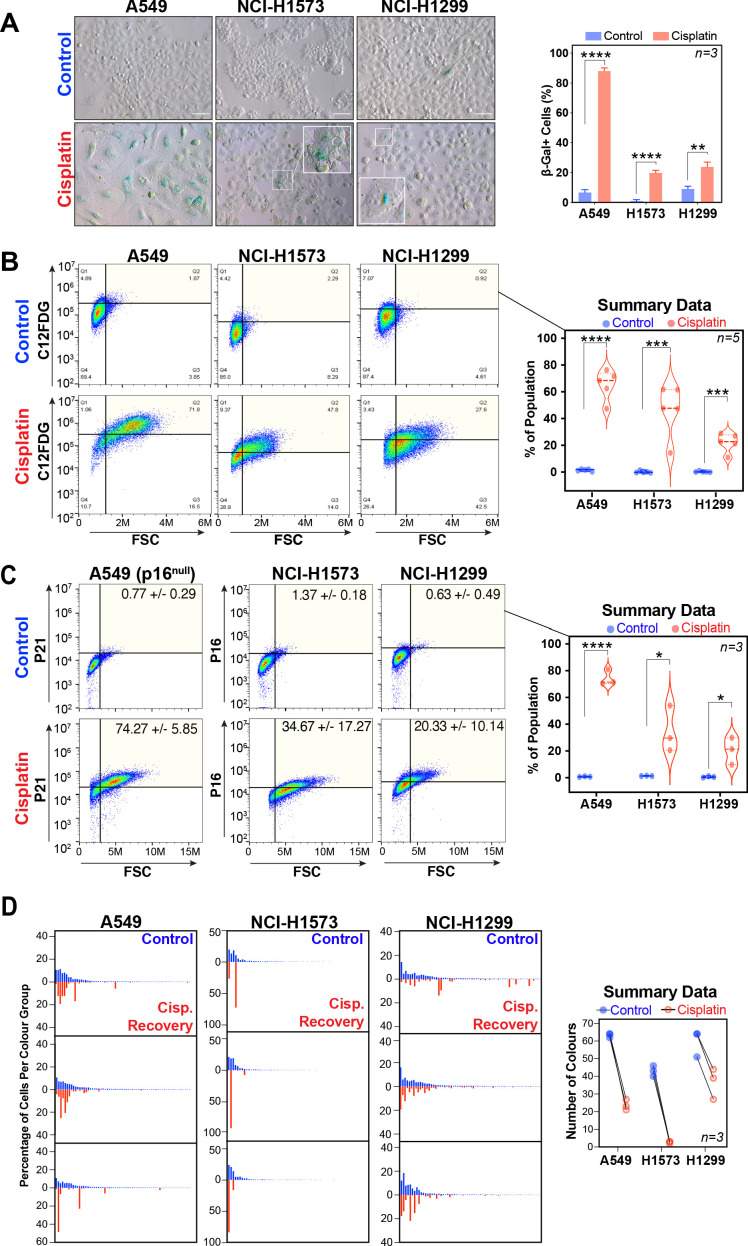
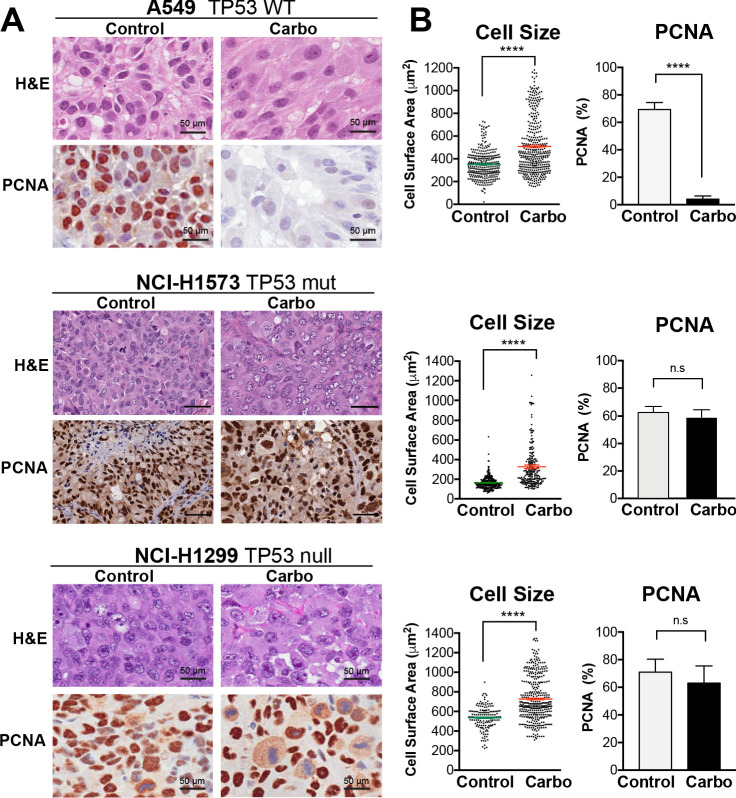
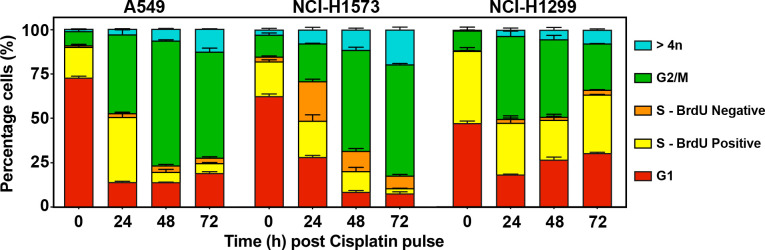
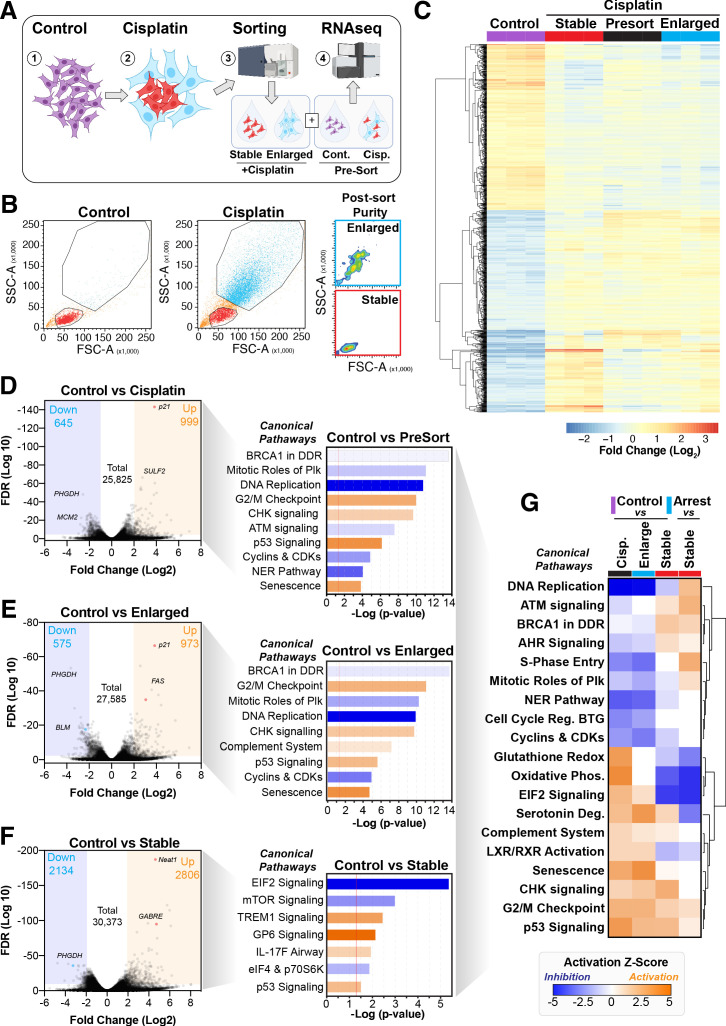
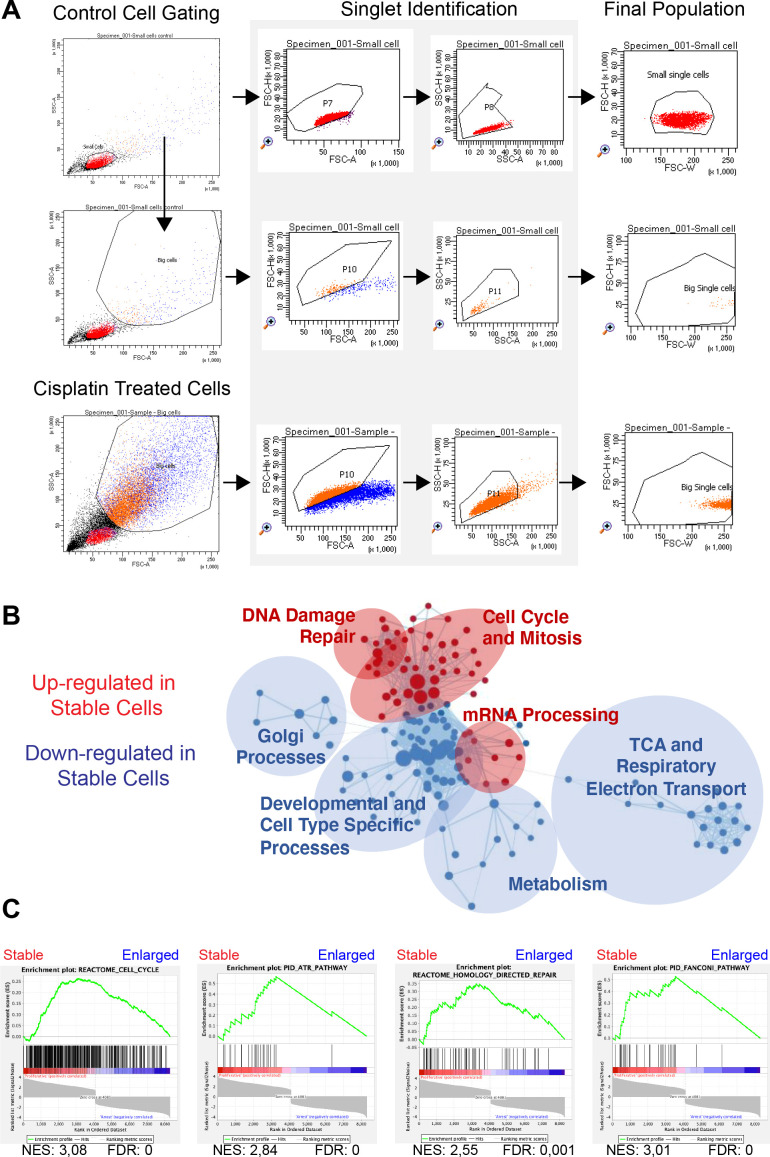
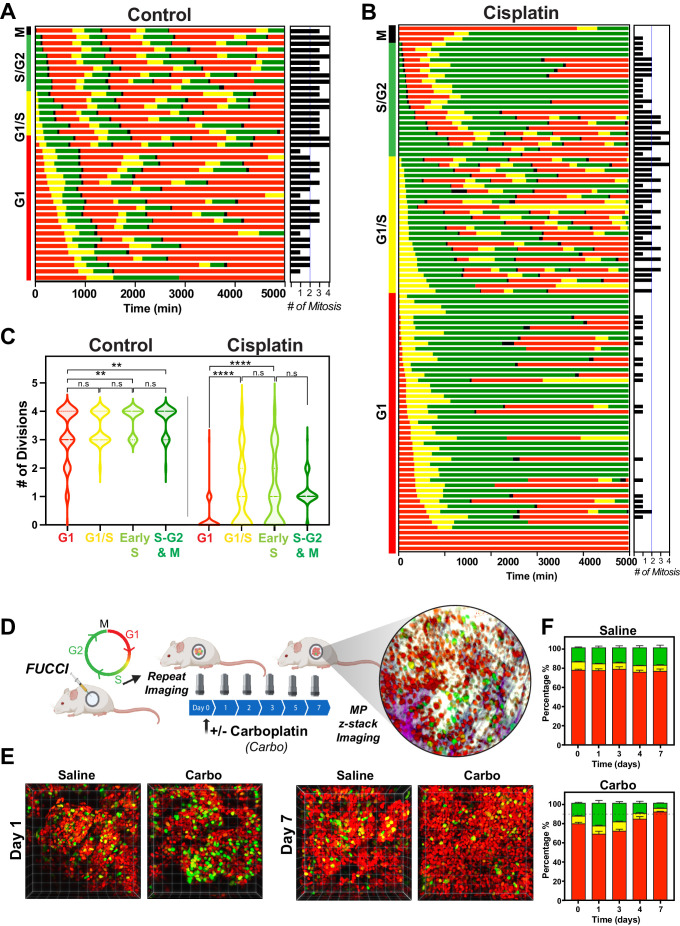
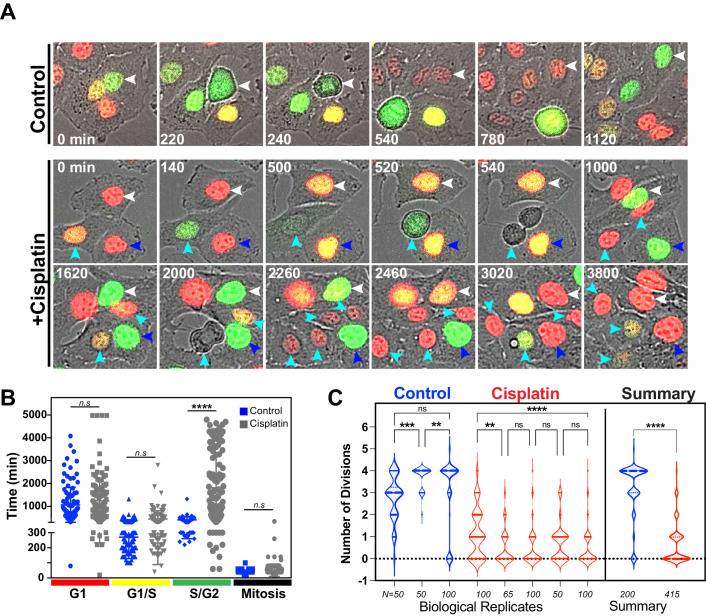
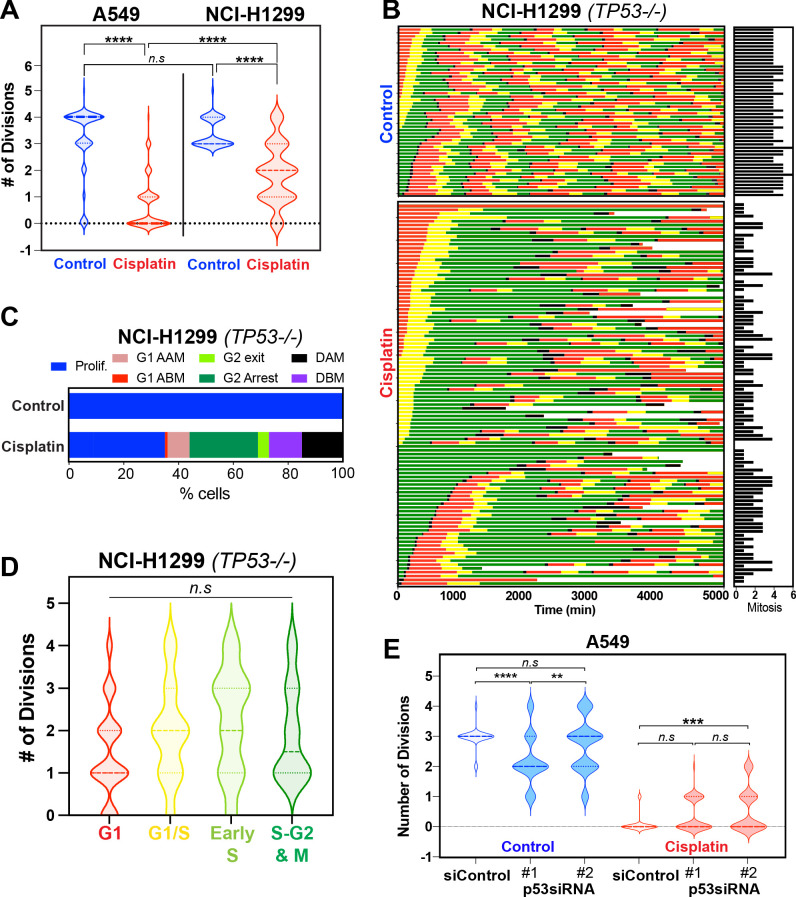
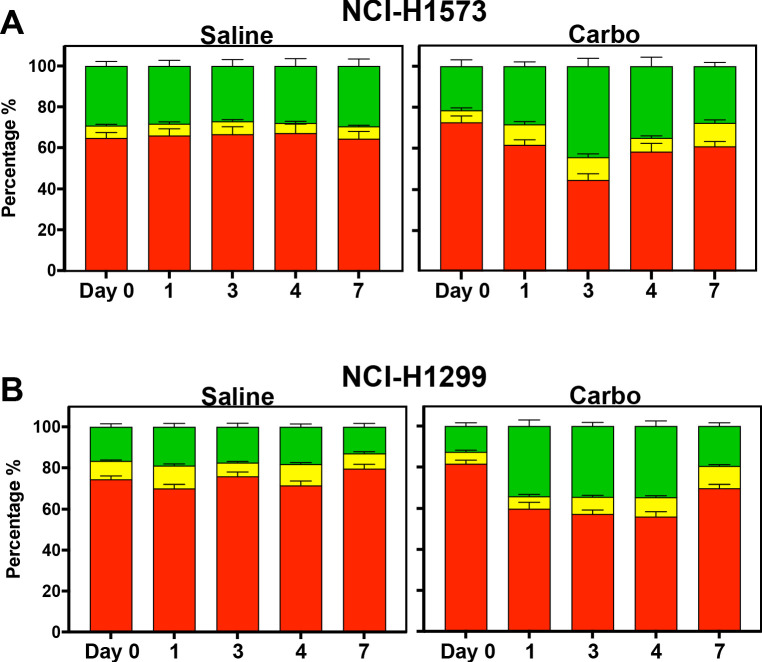
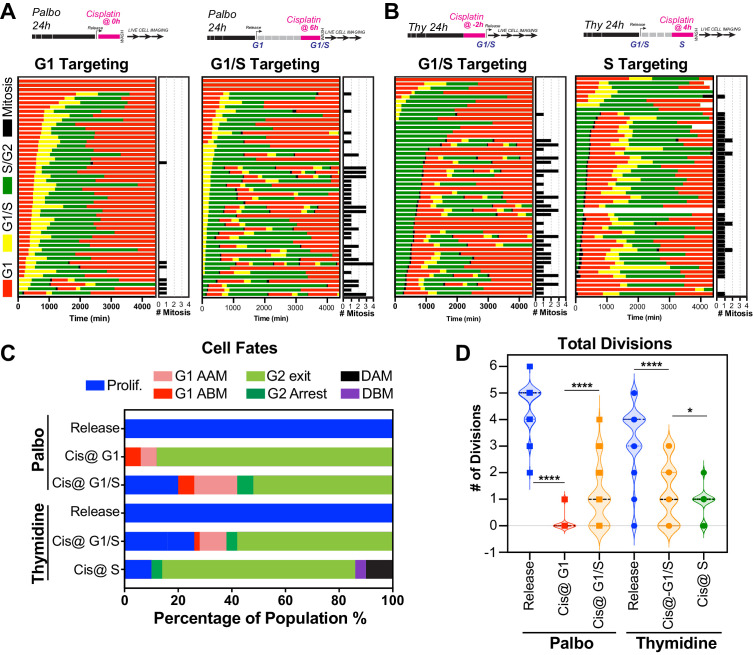
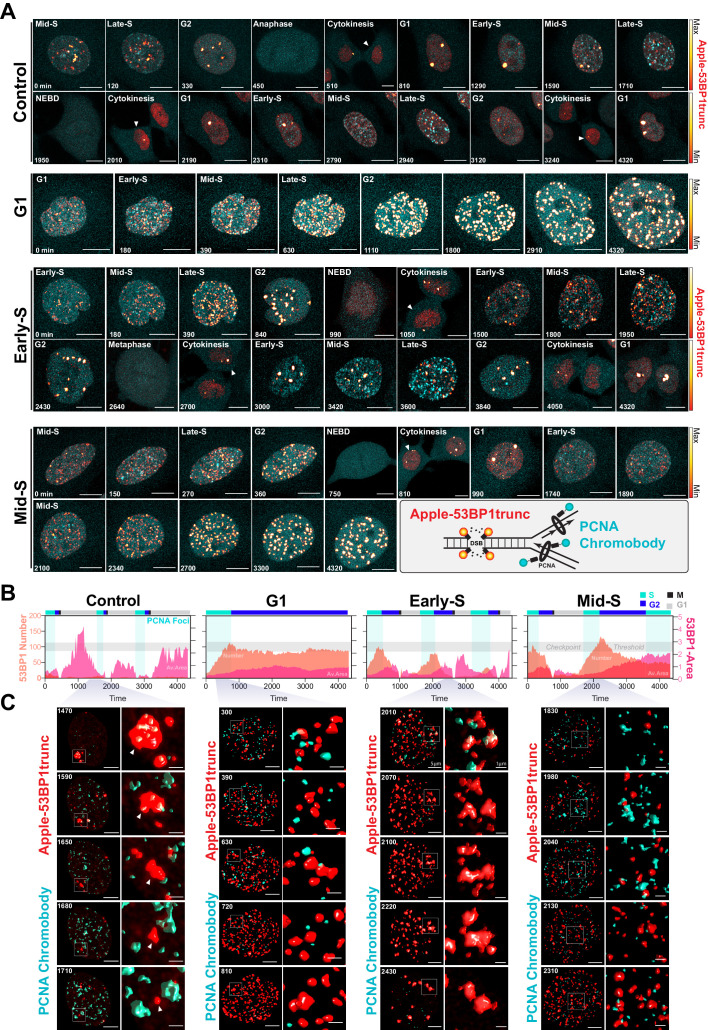
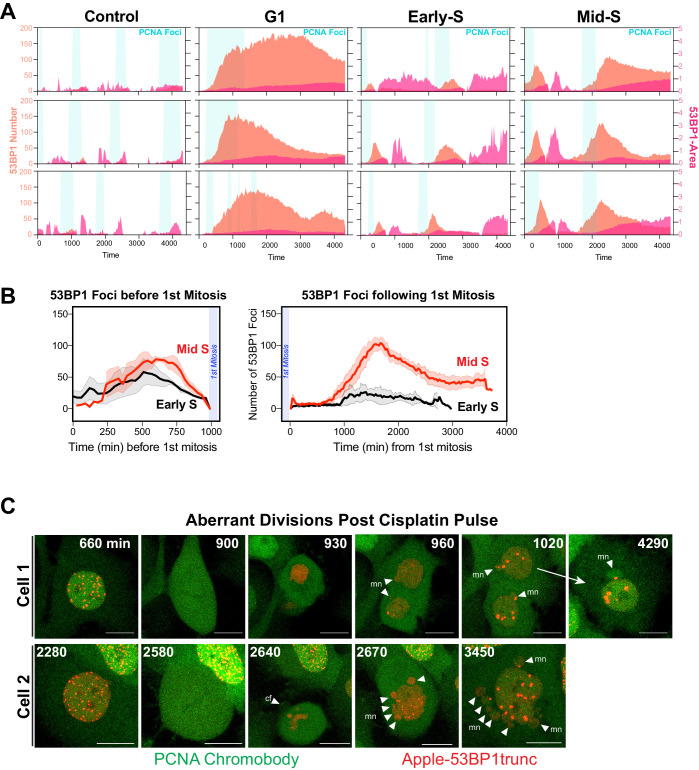
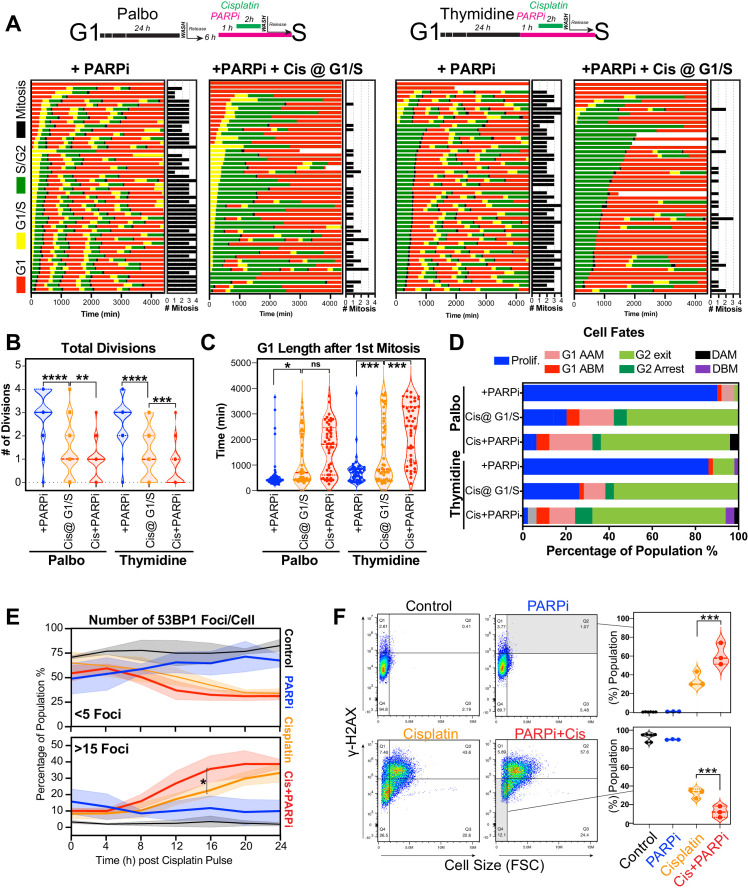
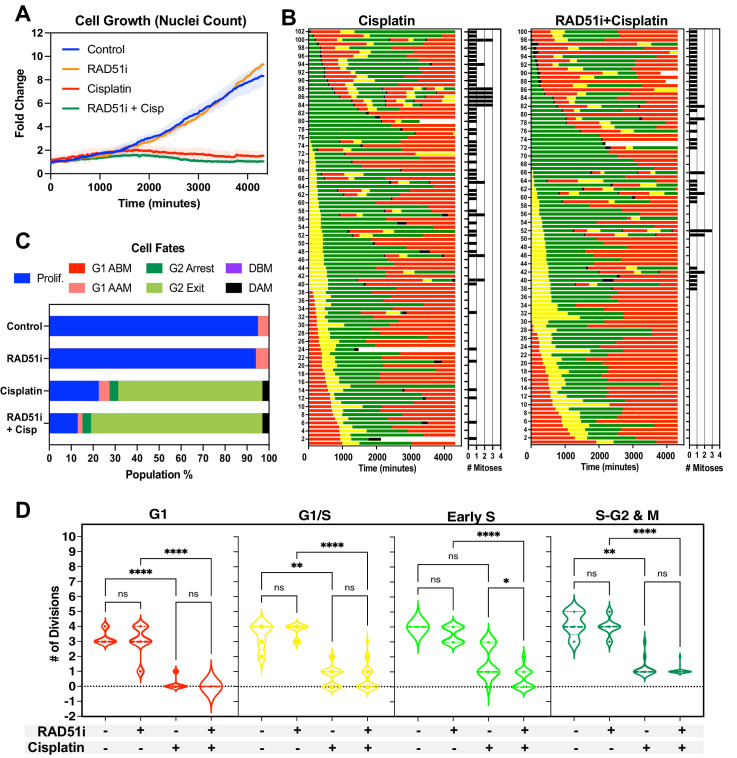
We previously used a pulse-based in vitro assay to unveil targetable signalling pathways associated with innate cisplatin resistance in lung adenocarcinoma (Hastings et al., 2020). Here, we advanced this model system and identified a non-genetic mechanism of resistance that drives recovery and regrowth in a subset of cells. Using RNAseq and a suite of biosensors to track single-cell fates both in vitro and in vivo, we identified that early S phase cells have a greater ability to maintain proliferative capacity, which correlated with reduced DNA damage over multiple generations. In contrast, cells in G1, late S or those treated with PARP/RAD51 inhibitors, maintained higher levels of DNA damage and underwent prolonged S/G2 phase arrest and senescence. Combined with our previous work, these data indicate that there is a non-genetic mechanism of resistance in human lung adenocarcinoma that is dependent on the cell cycle stage at the time of cisplatin exposure.
我们之前使用基于脉冲的体外测定法揭示了与肺腺癌(Hastings 等人,2020 年)中固有顺铂耐药相关的可靶向信号通路。在这里,我们改进了这个模型系统,并确定了一种非遗传机制的耐药性,该机制驱动了一部分细胞的恢复和再生长。使用 RNAseq 和一系列生物传感器来跟踪体外和体内单细胞的命运,我们发现早期 S 期细胞具有更大的维持增殖能力的能力,这与多个世代中减少的 DNA 损伤相关。相比之下,处于 G1 期、晚期 S 期或用 PARP/RAD51 抑制剂处理的细胞保持更高水平的 DNA 损伤,并经历延长的 S/G2 期阻滞和衰老。结合我们以前的工作,这些数据表明,人类肺腺癌中存在一种非遗传的耐药机制,该机制依赖于顺铂暴露时的细胞周期阶段。