College of Life Sciences, Nanjing Normal University, Nanjing, Jiangsu, China.
J Transl Med. 2021 May 13;19(1):206. doi: 10.1186/s12967-021-02870-x.
Tumor metastasis is the main cause of death of cancer patients, and cancer stem cells (CSCs) is the basis of tumor metastasis. However, systematic analysis of the stemness of prostate cancer cells is still not abundant. In this study, we explore the effective factors related to the stemness of prostate cancer cells by comprehensively mining the multi-omics data from TCGA database.
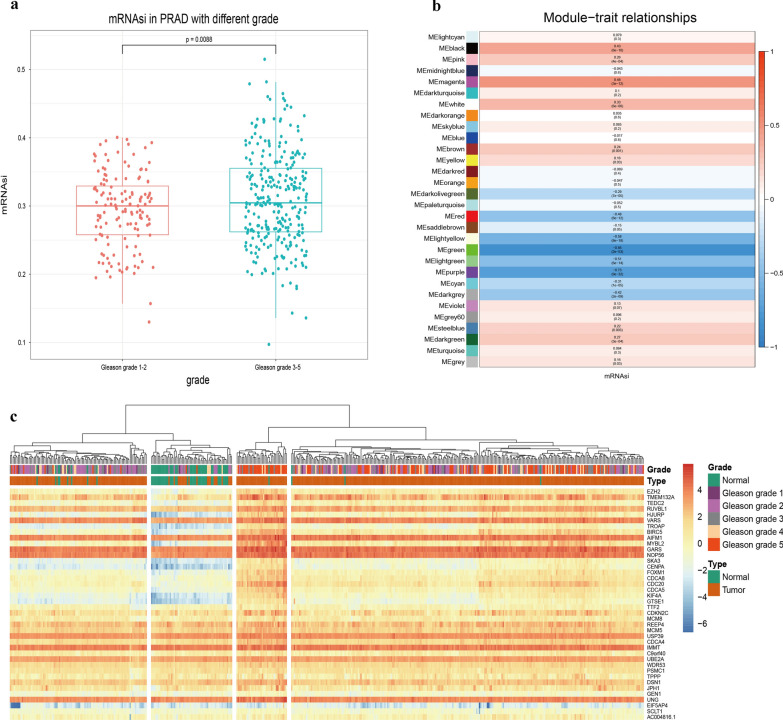
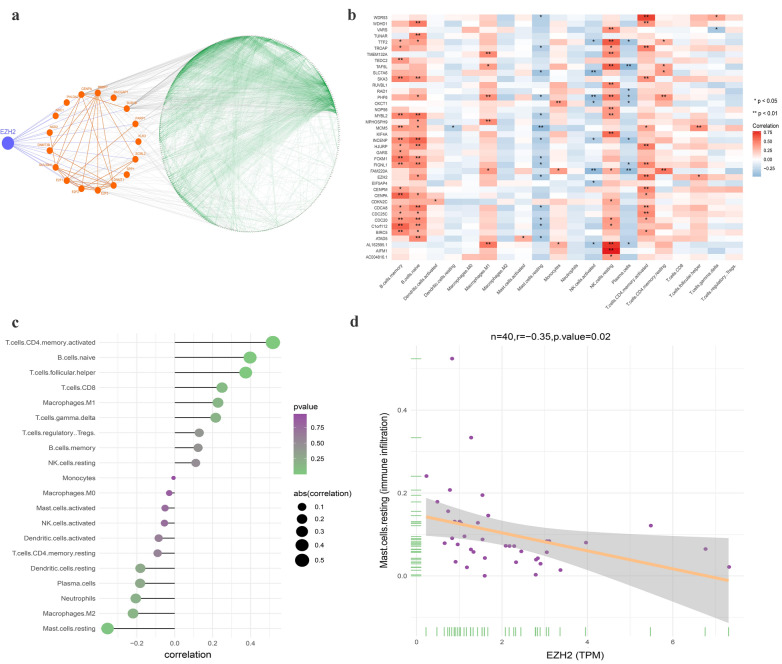
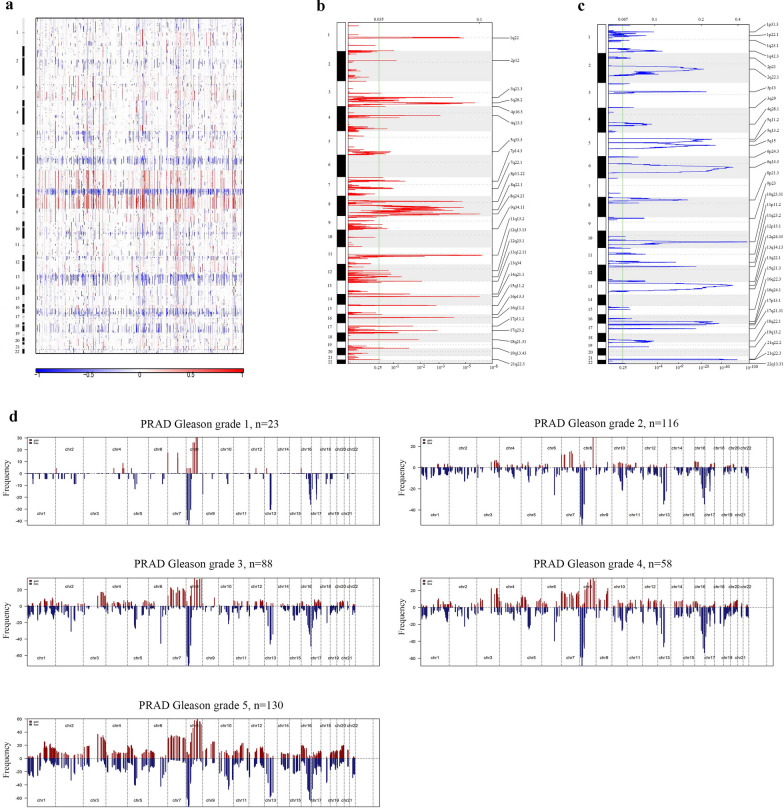
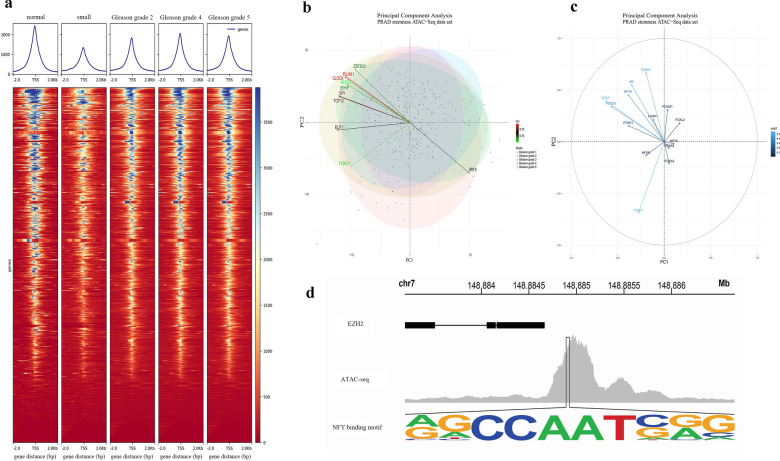
Based on the prostate cancer transcriptome data in TCGA, gene expression modules that strongly relate to the stemness of prostate cancer cells are obtained with WGCNA and stemness scores. Copy number variation of stemness genes of prostate cancer is calculated and the difference of transcription factors between prostate cancer and normal tissues is evaluated by using CNV (copy number variation) data and ATAC-seq data. The protein interaction network of stemness genes in prostate cancer is constructed using the STRING database. Meanwhile, the correlation between stemness genes of prostate cancer and immune cells is analyzed.
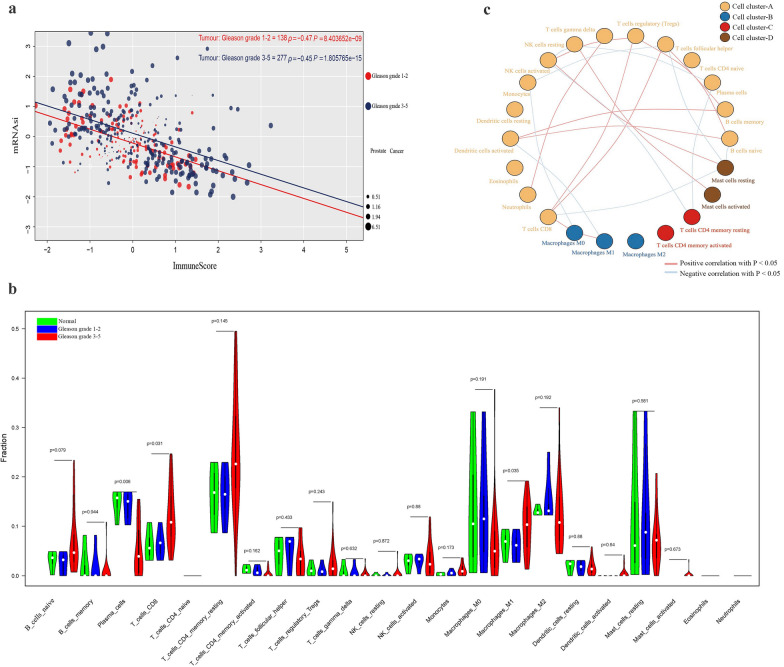
Prostate cancer with higher Gleason grade possesses higher cell stemness. The gene set highly related to prostate cancer stemness has higher CNV in prostate cancer samples than that in normal samples. Although the transcription factors of stemness genes have similar expressions, they have different contributions between normal and prostate cancer tissues; and particular transcription factors enhance the stemness of prostate cancer, such as PUM1, CLOCK, SP1, TCF12, and so on. In addition, the lower tumor immune microenvironment is conducive to the stemness of prostate cancer. CD8 + T cells and M1 macrophages may play more important role in the stemness of prostate cancer than other immune cells in the tumor microenvironment. Finally, EZH2 is found to play a central role in stemness genes and is negatively correlated with resting mast cells and positively correlated with activated memory CD4 + T cells.
Based on the systematic and combined analysis of multi-omics data, we find that high copy number variation, specific transcription factors, and low immune microenvironment jointly contribute to the stemness of prostate cancer cells. These findings may provide us new clues and directions for the future research on stemness of prostate cancer.
肿瘤转移是癌症患者死亡的主要原因,而癌症干细胞(CSC)是肿瘤转移的基础。然而,对前列腺癌细胞干性的系统分析仍然不够丰富。在这项研究中,我们通过综合挖掘 TCGA 数据库中的多组学数据,探讨与前列腺癌细胞干性相关的有效因素。
基于 TCGA 前列腺癌转录组数据,使用 WGCNA 获得与前列腺癌细胞干性密切相关的基因表达模块,并计算前列腺癌干性基因的拷贝数变异,利用 CNV(拷贝数变异)数据和 ATAC-seq 数据评估前列腺癌与正常组织之间转录因子的差异。使用 STRING 数据库构建前列腺癌干性基因的蛋白质相互作用网络。同时,分析前列腺癌干性基因与免疫细胞的相关性。
具有较高 Gleason 分级的前列腺癌具有更高的细胞干性。与前列腺癌干性高度相关的基因集在前列腺癌样本中的 CNV 高于正常样本。尽管干性基因的转录因子表达相似,但在正常和前列腺癌组织中具有不同的作用;并且特定的转录因子增强了前列腺癌的干性,如 PUM1、CLOCK、SP1、TCF12 等。此外,较低的肿瘤免疫微环境有利于前列腺癌的干性。肿瘤微环境中的 CD8+T 细胞和 M1 巨噬细胞可能比其他免疫细胞在前列腺癌干性中发挥更重要的作用。最后,发现 EZH2 在干性基因中起核心作用,与静止肥大细胞呈负相关,与激活的记忆性 CD4+T 细胞呈正相关。
基于多组学数据的系统综合分析,我们发现高拷贝数变异、特定转录因子和低免疫微环境共同促进了前列腺癌细胞的干性。这些发现可能为我们未来研究前列腺癌干性提供新的线索和方向。