Chongqing Key Laboratory of Translational Research for Cancer Metastasis and Individualized Treatment, Chongqing University Cancer Hospital, Chongqing, 400030, China.
Chongqing Key Laboratory of Translational Research for Cancer Metastasis and Individualized Treatment, Chongqing University Cancer Hospital, Chongqing, 400030, China.
Lung Cancer. 2021 Jul;157:60-65. doi: 10.1016/j.lungcan.2021.05.002. Epub 2021 May 5.
Given that the coronavirus disease 2019 (COVID-19) mainly spreads through the respiratory system and is associated with severe pulmonary complications, lung cancer patients may have worse outcomes than those with other tumors. There is no confirmed evidence about the mortality comparison between COVID-19 patients with lung cancer and other tumors. We performed a systematic review and pooled analysis to provide precise estimates of the mortality rate of COVID-19 patients with lung cancer and other tumors.
Our study systemically included and reviewed 13 studies on the characteristics of COVID-19 patients with lung cancer published up to November 1, 2020. The primary endpoint was all-cause mortality. We also compared the all-cause mortality rates in China and other regions as a secondary endpoint. The mortality rate was assessed with a fixed-effects model, which was used to derive the pooled mortality and 95 % confidence interval (CI).
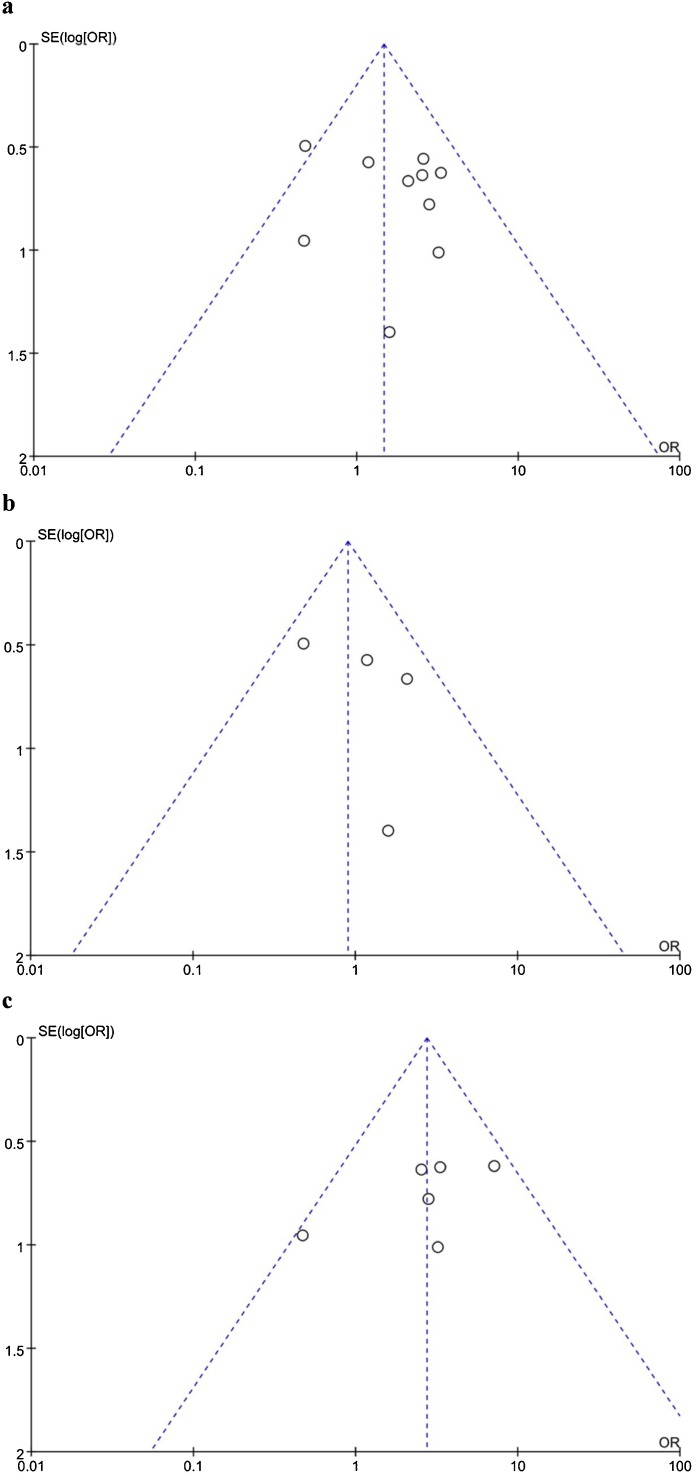
Thirteen studies from different countries, involving 1,229 patients with both COVID-19 and cancer, were selected for the pooled analysis. A total of 343 deaths were recorded in this population: 86 for lung cancers and 257 for other tumors. The mortality rate varies from 18 % to 60 % for patients with lung cancer and COVID-19 and 10%-41% for other tumor patients with COVID-19. The overall meta-analysis did not show a significant mortality difference for the lung cancer and other tumor subgroups (OR = 1.47, 95 %CI = 0.98-2.20, p = 0.06, I = 23 %). Nevertheless, in regions other than China, the pooled mortality of lung cancer patients with COVID-19 was 42 %, which was significantly higher than that of other tumors (24 %) (OR = 2.73, 95 % CI = 1.54-4.86, p = 0.0006, I = 16 %).
Appropriate and aggressive preventive measures should be implemented to reduce the risk of COVID-19 in patients with cancer and optimally manage those who contract the infection.
鉴于 2019 年冠状病毒病(COVID-19)主要通过呼吸系统传播,并与严重的肺部并发症有关,肺癌患者的预后可能比其他肿瘤患者更差。尚无关于 COVID-19 合并肺癌与其他肿瘤患者死亡率比较的明确证据。我们进行了系统评价和汇总分析,以提供 COVID-19 合并肺癌与其他肿瘤患者死亡率的精确估计。
我们系统地纳入并回顾了截至 2020 年 11 月 1 日发表的关于 COVID-19 合并肺癌患者特征的 13 项研究。主要终点是全因死亡率。我们还将中国和其他地区的全因死亡率比较作为次要终点。使用固定效应模型评估死亡率,以得出汇总死亡率和 95%置信区间(CI)。
从不同国家选择了 13 项纳入 COVID-19 和癌症的研究进行汇总分析。该人群共记录了 343 例死亡:86 例为肺癌,257 例为其他肿瘤。肺癌合并 COVID-19 患者的死亡率为 18%至 60%,而其他肿瘤合并 COVID-19 患者的死亡率为 10%-41%。总体荟萃分析显示肺癌和其他肿瘤亚组之间的死亡率无显著差异(OR=1.47,95%CI=0.98-2.20,p=0.06,I=23%)。然而,在中国以外的地区,COVID-19 合并肺癌患者的死亡率为 42%,显著高于其他肿瘤(24%)(OR=2.73,95%CI=1.54-4.86,p=0.0006,I=16%)。
应采取适当和积极的预防措施,降低癌症患者感染 COVID-19 的风险,并优化管理感染患者。