Department of Orthopaedics, The First Affiliated Hospital of Soochow University, Soochow University, Suzhou, China.
Orthopaedic Institute, Medical College, Soochow University, Suzhou, China.
Cell Death Dis. 2021 May 13;12(5):483. doi: 10.1038/s41419-021-03765-x.
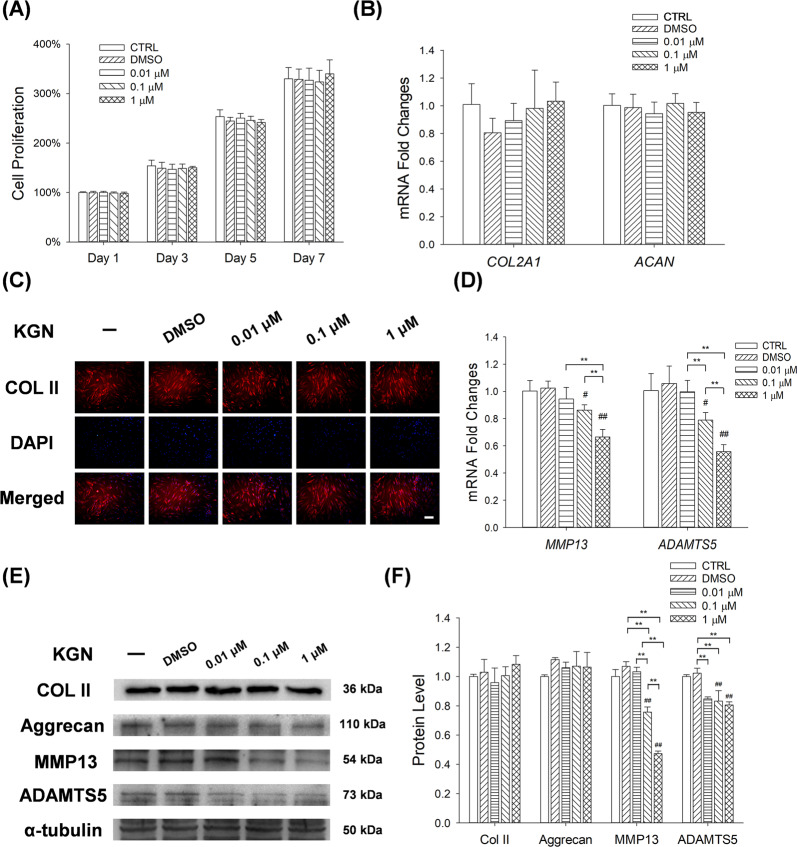
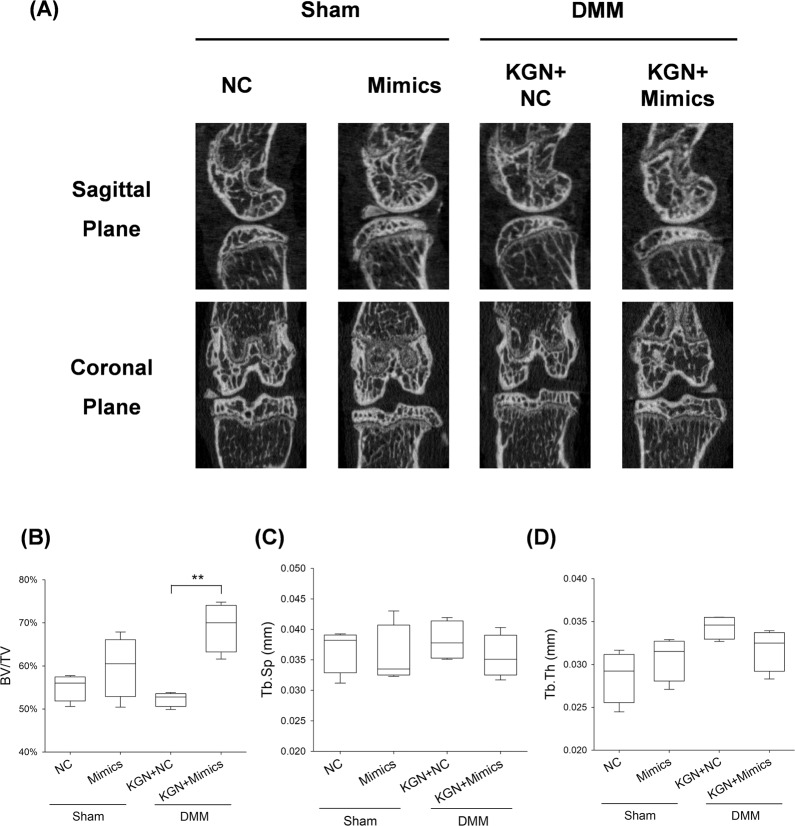
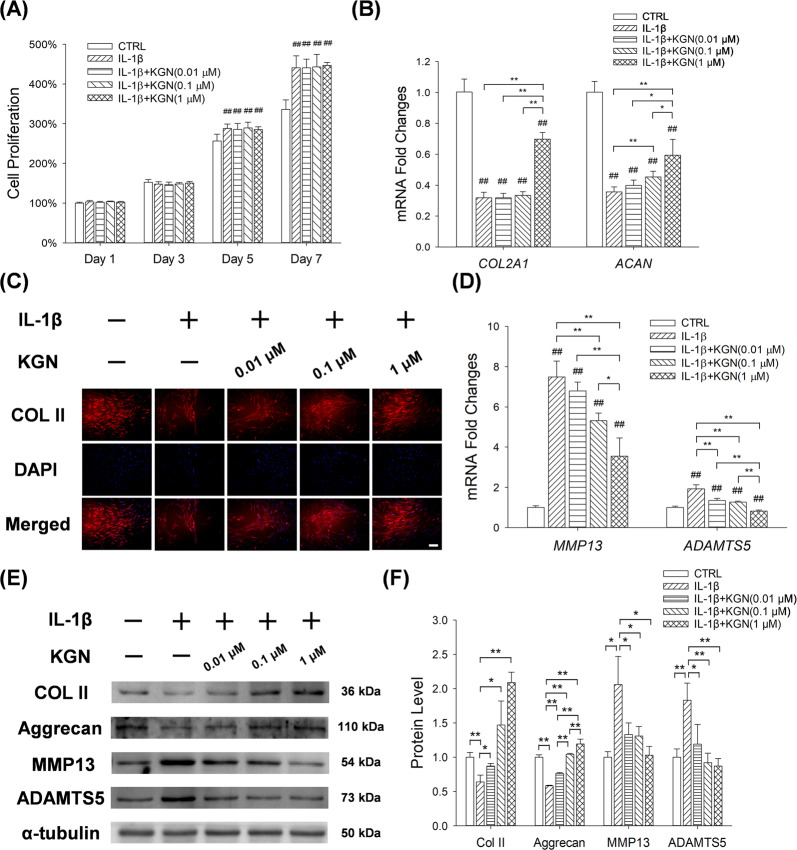
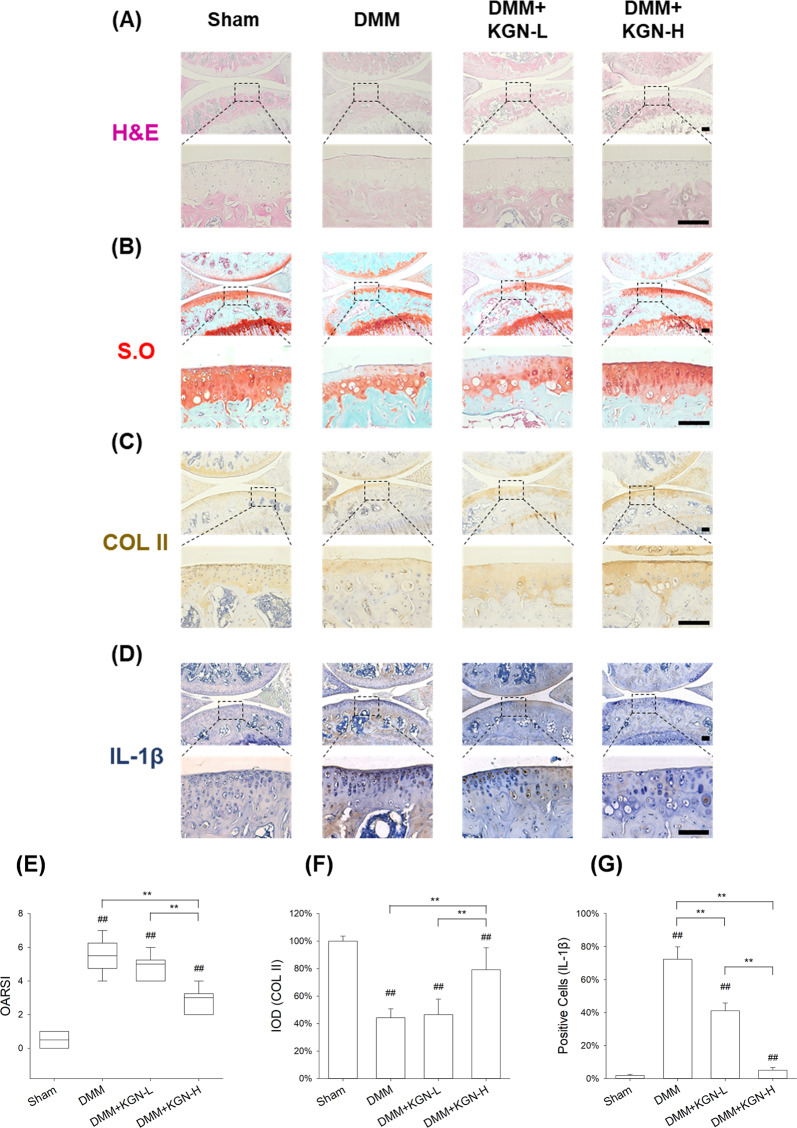
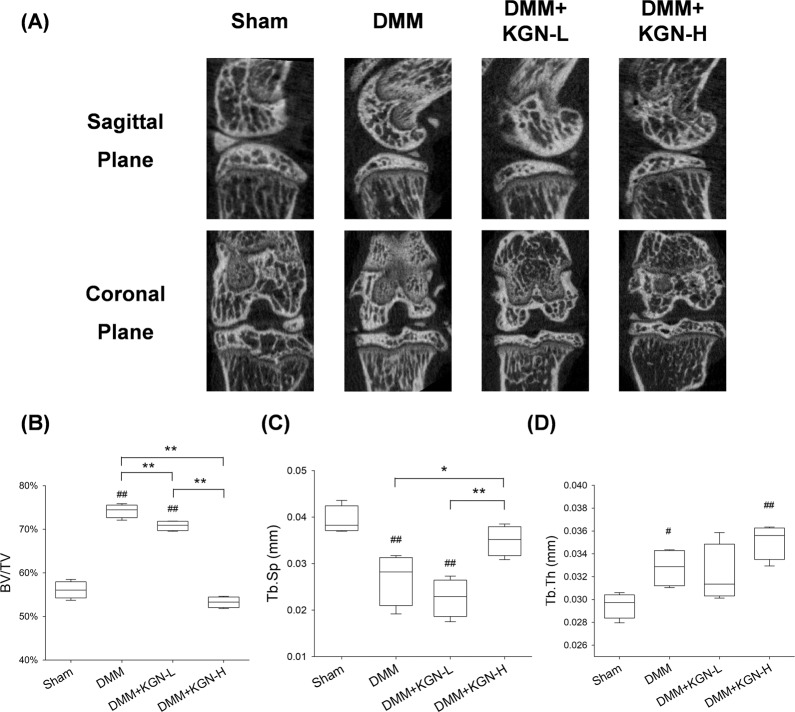
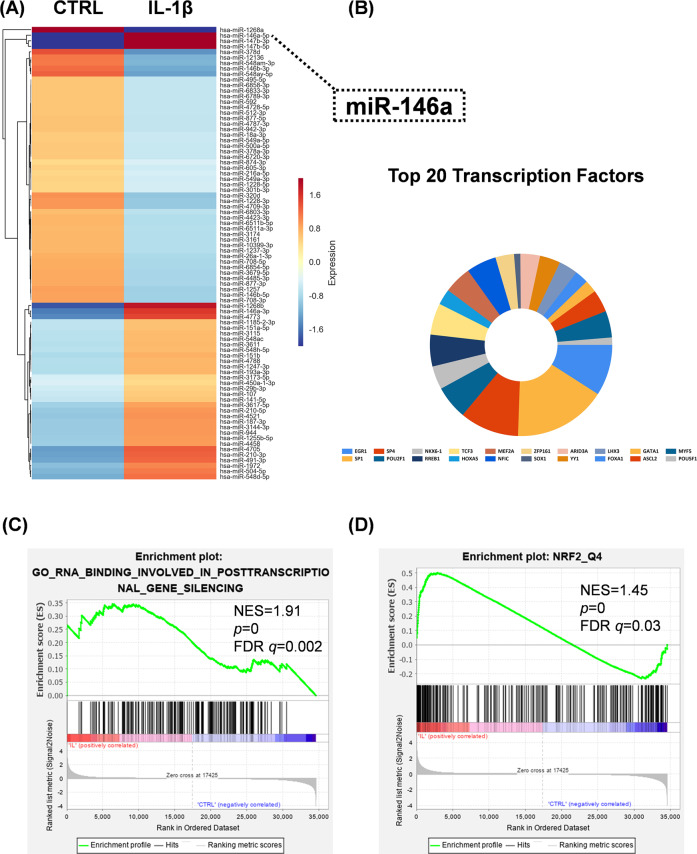
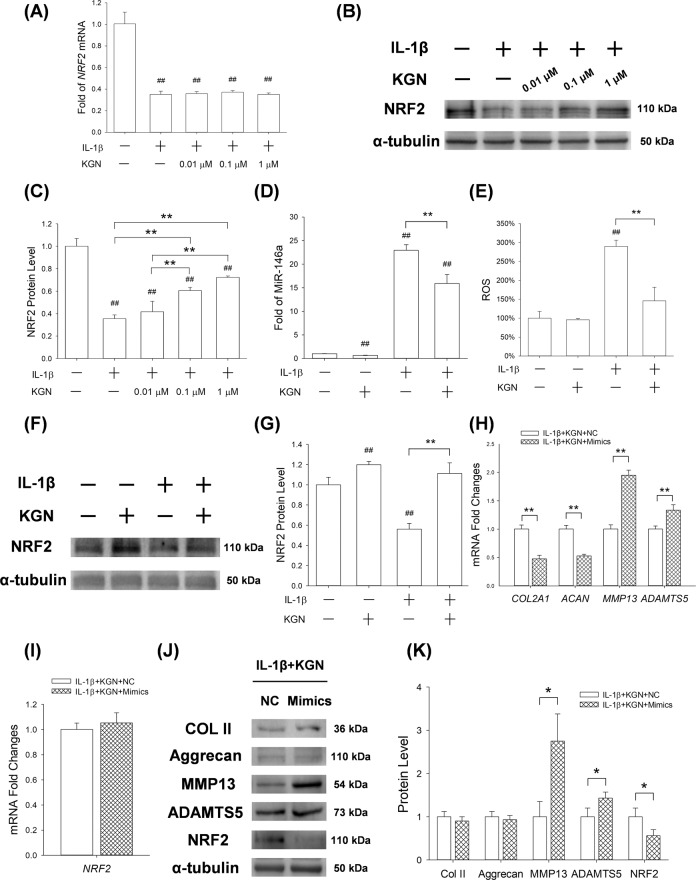
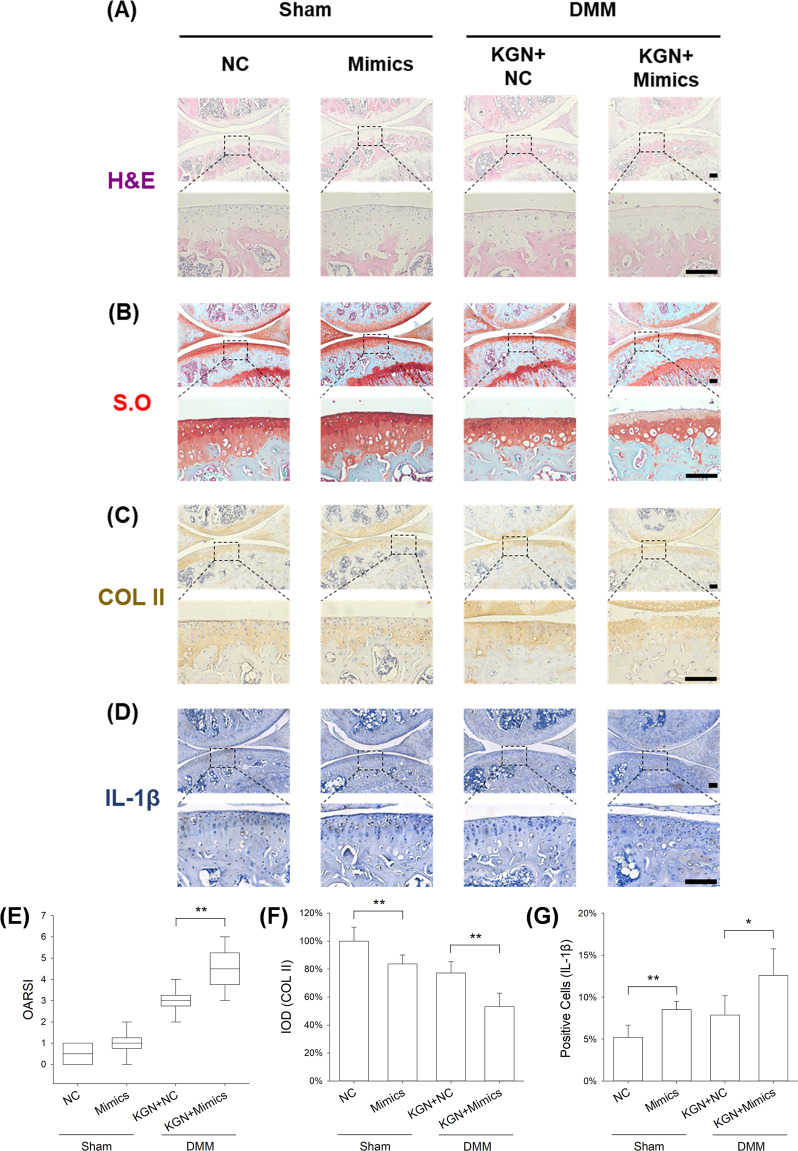
Osteoarthritis (OA) is a common articular degenerative disease characterized by loss of cartilage matrix and subchondral bone sclerosis. Kartogenin (KGN) has been reported to improve chondrogenic differentiation of mesenchymal stem cells. However, the therapeutic effect of KGN on OA-induced cartilage degeneration was still unclear. This study aimed to explore the protective effects and underlying mechanisms of KGN on articular cartilage degradation using mice with post-traumatic OA. To mimic the in vivo arthritic environment, in vitro cultured chondrocytes were exposed to interleukin-1β (IL-1β). We found that KGN barely affected the cell proliferation of chondrocytes; however, KGN significantly enhanced the synthesis of cartilage matrix components such as type II collagen and aggrecan in a dose-dependent manner. Meanwhile, KGN markedly suppressed the expression of matrix degradation enzymes such as MMP13 and ADAMTS5. In vivo experiments showed that intra-articular administration of KGN ameliorated cartilage degeneration and inhibited subchondral bone sclerosis in an experimental OA mouse model. Molecular biology experiments revealed that KGN modulated intracellular reactive oxygen species in IL-1β-stimulated chondrocytes by up-regulating nuclear factor erythroid 2-related factor 2 (NRF2), while barely affecting its mRNA expression. Microarray analysis further revealed that IL-1β significantly up-regulated miR-146a that played a critical role in regulating the protein levels of NRF2. KGN treatment showed a strong inhibitory effect on the expression of miR-146a in IL-1β-stimulated chondrocytes. Over-expression of miR-146a abolished the anti-arthritic effects of KGN not only by down-regulating the protein levels of NRF2 but also by up-regulating the expression of matrix degradation enzymes. Our findings demonstrate, for the first time, that KGN exerts anti-arthritic effects via activation of the miR-146a-NRF2 axis and KGN is a promising heterocyclic molecule to prevent OA-induced cartilage degeneration.
骨关节炎(OA)是一种常见的关节退行性疾病,其特征为软骨基质丢失和软骨下骨硬化。已有报道称 Kartogenin(KGN)可促进间充质干细胞的软骨分化。然而,KGN 治疗 OA 诱导的软骨退变的疗效仍不清楚。本研究旨在通过创伤后 OA 小鼠模型,探讨 KGN 对关节软骨降解的保护作用及其潜在机制。为模拟体内关节炎环境,体外培养的软骨细胞被白细胞介素-1β(IL-1β)处理。我们发现 KGN 对软骨细胞的增殖影响不大,但可显著增强软骨基质成分(如 II 型胶原和聚集蛋白聚糖)的合成,呈剂量依赖性。同时,KGN 明显抑制了基质降解酶(如 MMP13 和 ADAMTS5)的表达。体内实验显示,关节内给予 KGN 可改善实验性 OA 小鼠模型中的软骨退变并抑制软骨下骨硬化。分子生物学实验表明,KGN 通过上调核因子红细胞 2 相关因子 2(NRF2)来调节 IL-1β刺激的软骨细胞内活性氧,而对其 mRNA 表达影响不大。微阵列分析进一步表明,IL-1β 显著上调了 miR-146a,miR-146a 在调节 NRF2 蛋白水平方面发挥着关键作用。KGN 处理对 IL-1β 刺激的软骨细胞中 miR-146a 的表达有很强的抑制作用。miR-146a 的过表达不仅通过下调 NRF2 的蛋白水平,还通过上调基质降解酶的表达,消除了 KGN 的抗关节炎作用。本研究首次表明,KGN 通过激活 miR-146a-NRF2 轴发挥抗关节炎作用,KGN 是一种有前途的预防 OA 诱导的软骨退变的杂环分子。