Department of Radiation Oncology, Tianjin Medical University Cancer Institute & Hospital, Key Laboratory of Cancer Prevention and Therapy, National Clinical Research Center for Cancer, Tianjin's Clinical Research Center for Cancer, 300060, Tianjin, China.
Department of Biochemistry and Molecular Biology, College of Basic Medical Science, Tianjin Medical University, 300070, Tianjin, China.
Cell Death Dis. 2021 May 14;12(5):493. doi: 10.1038/s41419-021-03773-x.
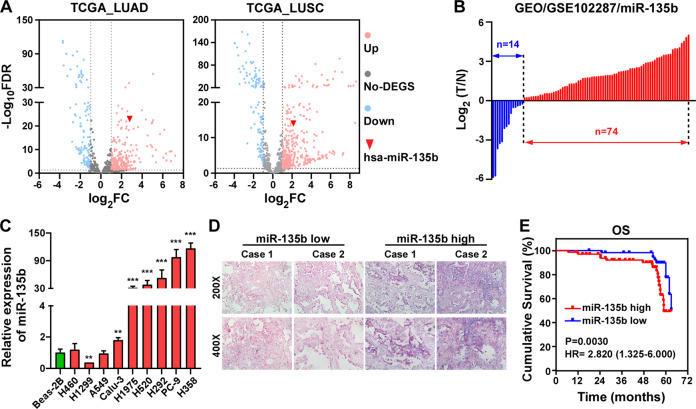
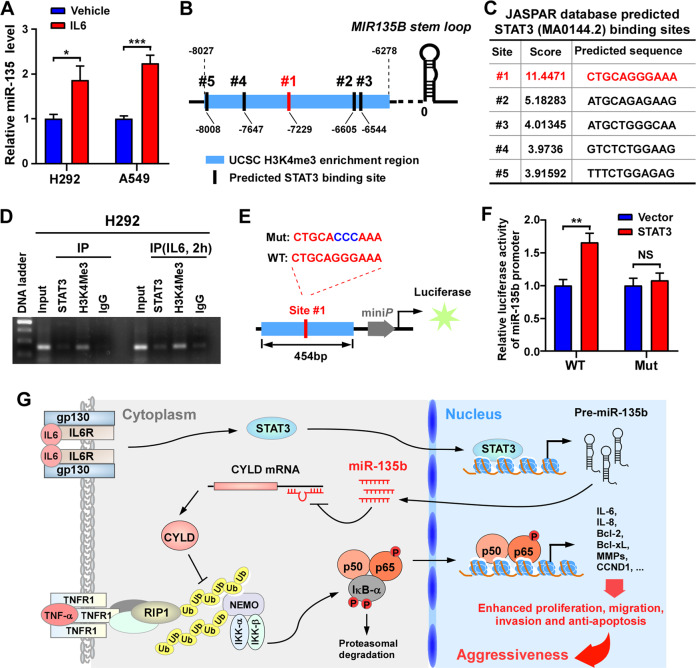
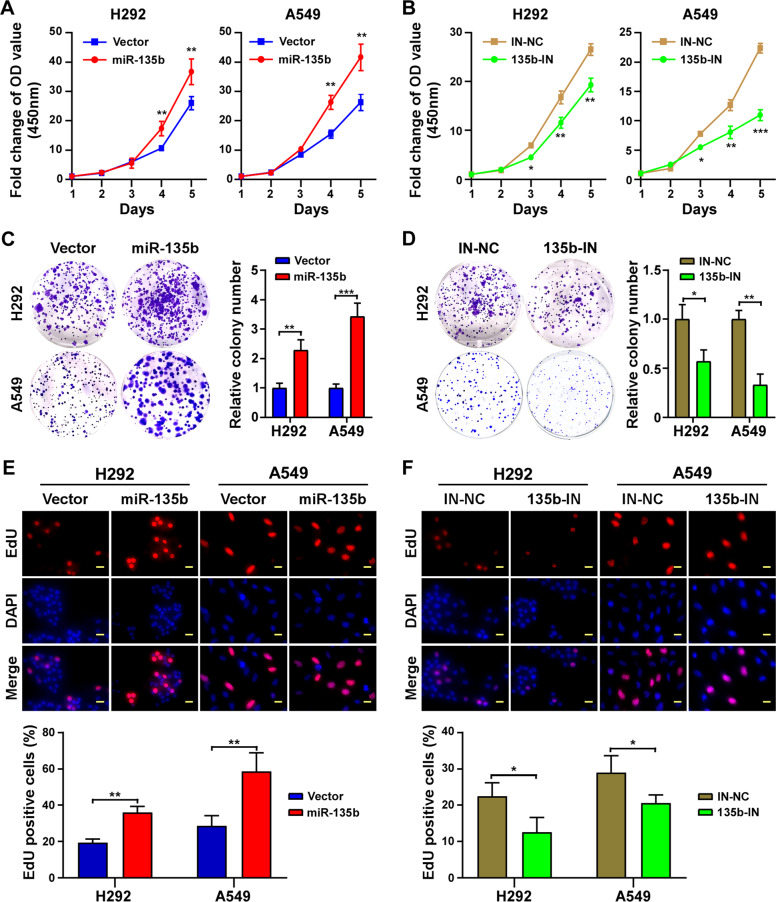
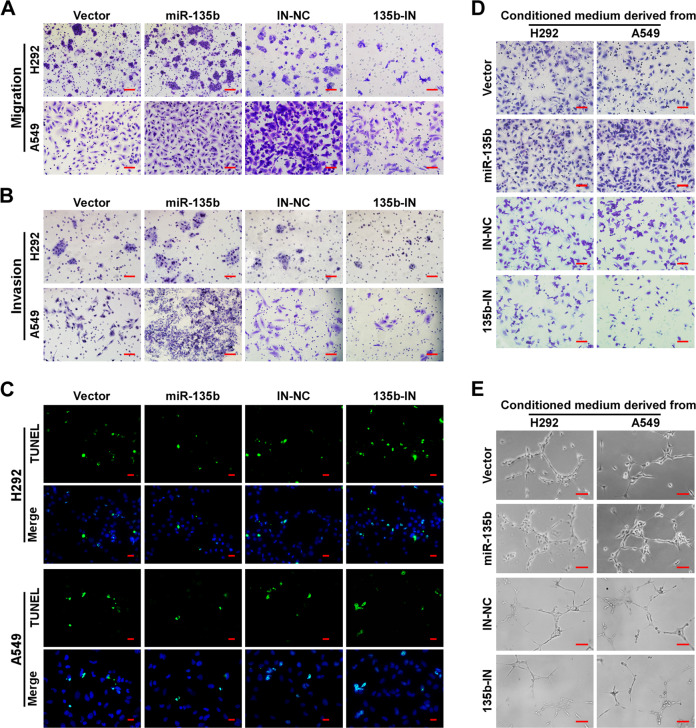
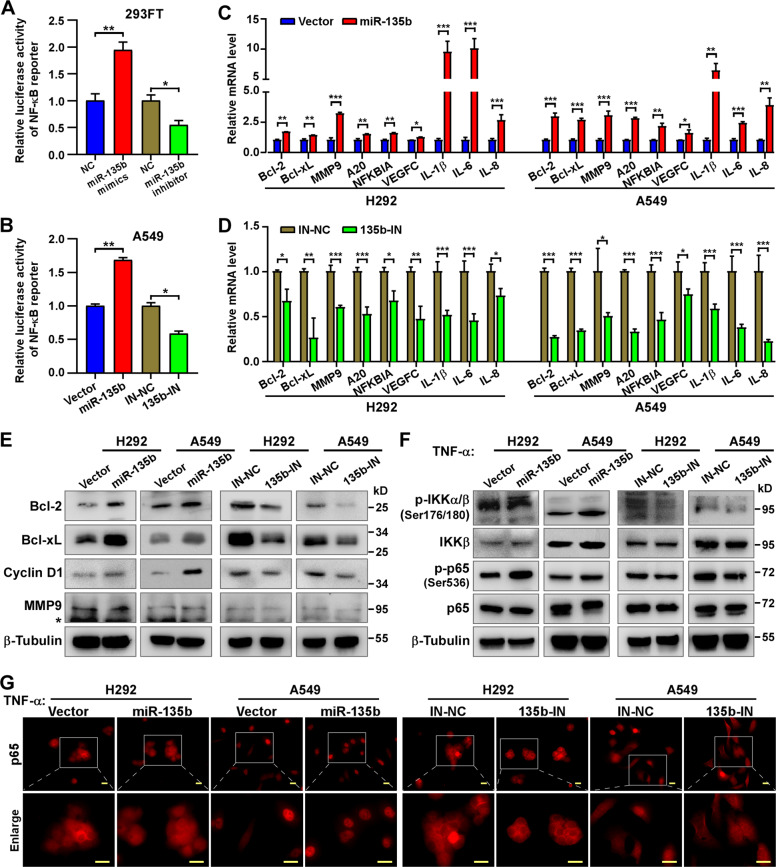
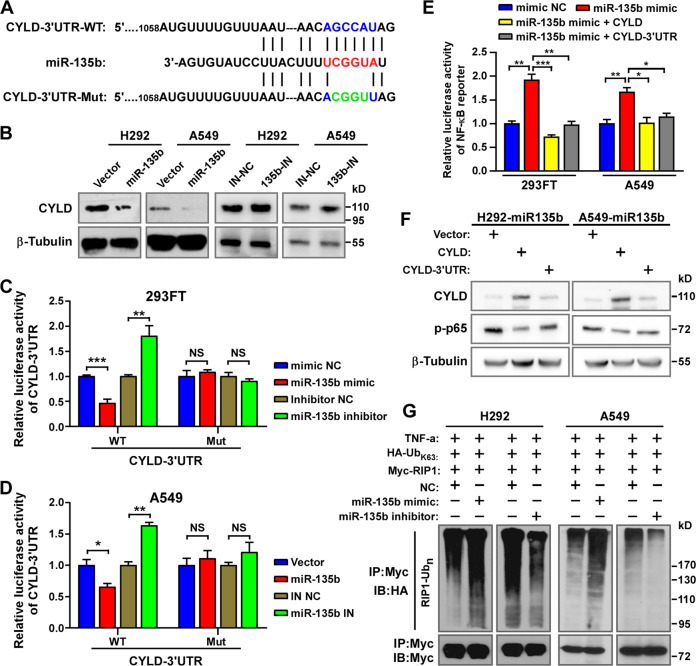
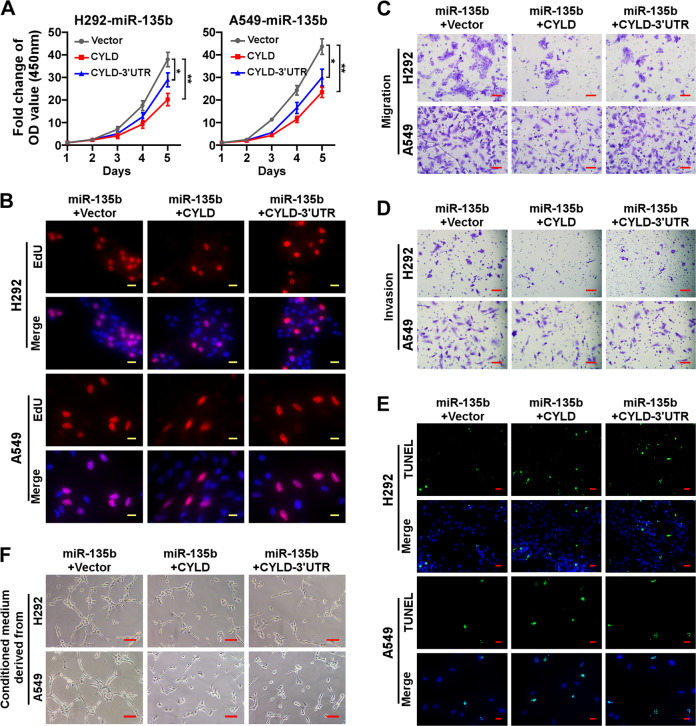
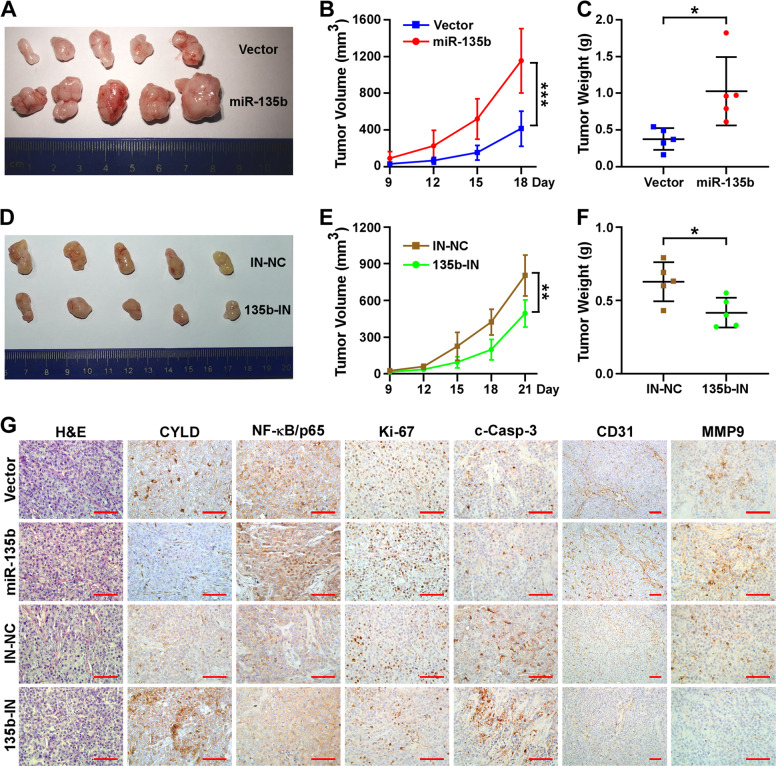
Non-small-cell lung cancer (NSCLC) is one of the most commonly diagnosed cancers worldwide but has limited effective therapies. Uncovering the underlying pathological and molecular changes, as well as mechanisms, will improve the treatment. Dysregulated microRNAs (miRNAs) have been proven to play important roles in the initiation and progression of various cancers, including NSCLC. In this manuscript, we identified microRNA-135b (miR-135b) as a tumor-promoting miRNA in NSCLC. We found that miR-135b was significantly upregulated and that its upregulation was associated with poor prognosis in NSCLC patients. miR-135b was an independent prognostic factor in NSCLC. Overexpressing miR-135b significantly promoted the aggressiveness of NSCLC, as evidenced by enhanced cell proliferation, migration, invasion, anti-apoptosis, and angiogenesis in vitro and in vivo, and knockdown of miR-135b had the opposite effects. Mechanistically, our results reveal that miR-135b directly targets the 3'-untranslated region (UTR) of the deubiquitinase CYLD, thereby modulating ubiquitination and activation of NF-κB signaling. Moreover, we found that interleukin-6 (IL-6)/STAT3 could elevate miR-135b levels and that STAT3 directly bound the promoter of miR-135b; thus, these findings highlight a new positive feedback loop of the IL-6/STAT3/miR-135b/NF-κB signaling in NSCLC and suggest that miR-135b could be a potential therapeutic target for NSCLC.
非小细胞肺癌(NSCLC)是全球最常见的癌症之一,但有效的治疗方法有限。揭示潜在的病理和分子变化以及机制将改善治疗效果。失调的 microRNAs(miRNAs)已被证明在各种癌症的发生和发展中发挥重要作用,包括 NSCLC。在本手稿中,我们确定 microRNA-135b(miR-135b)是 NSCLC 中的一种肿瘤促进 miRNA。我们发现 miR-135b 显著上调,其上调与 NSCLC 患者的预后不良相关。miR-135b 是 NSCLC 的独立预后因素。过表达 miR-135b 显著促进 NSCLC 的侵袭性,体外和体内实验均表明细胞增殖、迁移、侵袭、抗凋亡和血管生成增强,而 miR-135b 敲低则产生相反的效果。从机制上讲,我们的结果表明 miR-135b 可直接靶向去泛素化酶 CYLD 的 3'-非翻译区(UTR),从而调节 NF-κB 信号的泛素化和激活。此外,我们发现白细胞介素-6(IL-6)/STAT3 可升高 miR-135b 水平,并且 STAT3 直接结合 miR-135b 的启动子;因此,这些发现突出了 NSCLC 中 IL-6/STAT3/miR-135b/NF-κB 信号的新正反馈环,并表明 miR-135b 可能是 NSCLC 的潜在治疗靶点。