MOE Key Laboratory of Tumor Molecular Biology and Key Laboratory of Functional Protein Research of Guangdong Higher Education Institutes, Institute of Life and Health Engineering, College of Life Science and Technology, Jinan University, Guangzhou 510632, China.
Zhongshan Hospital, Institute of Clinical Science, Fudan University Shanghai Medical College, 180 Fengling Road, Shanghai, 200032, China.
Theranostics. 2021 May 3;11(13):6592-6606. doi: 10.7150/thno.59816. eCollection 2021.
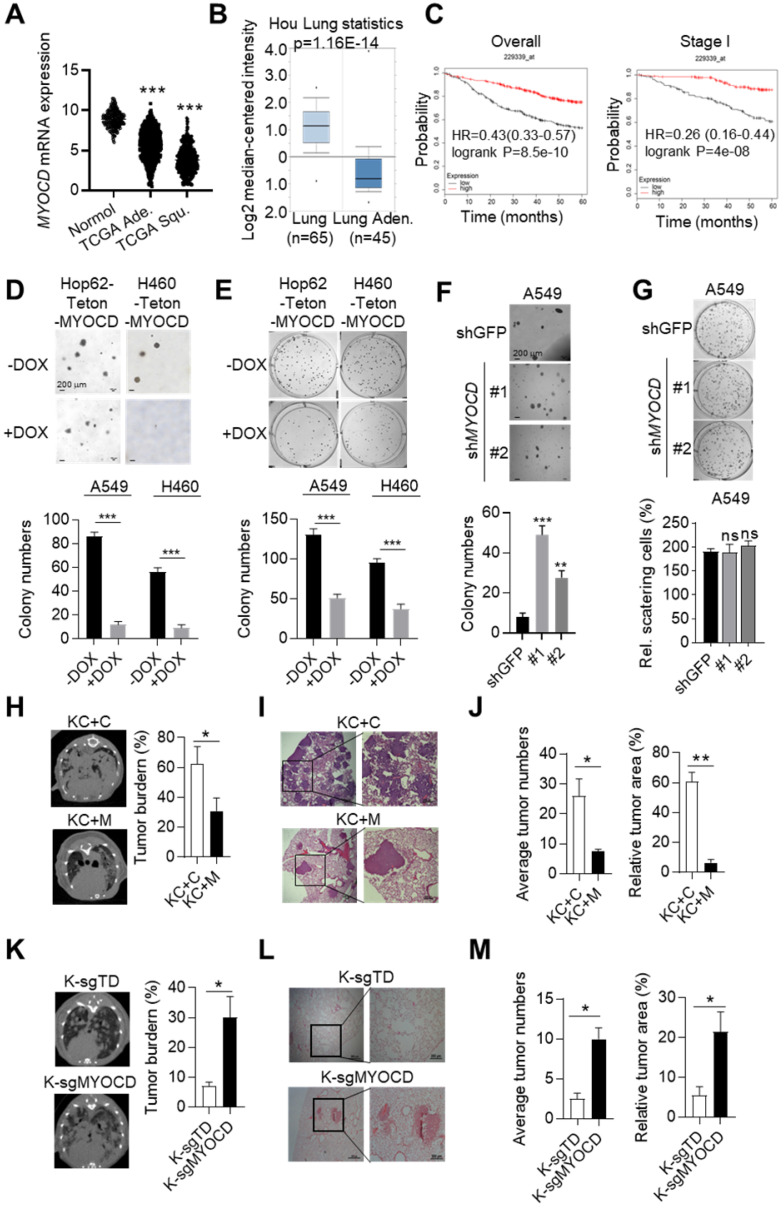
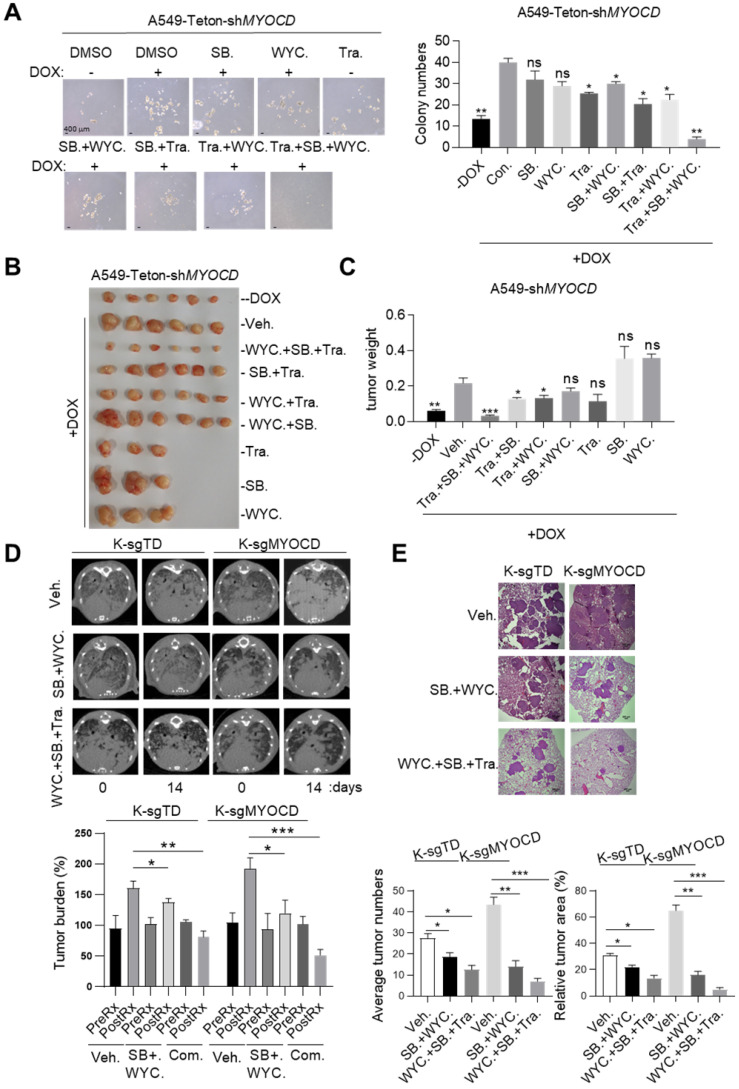
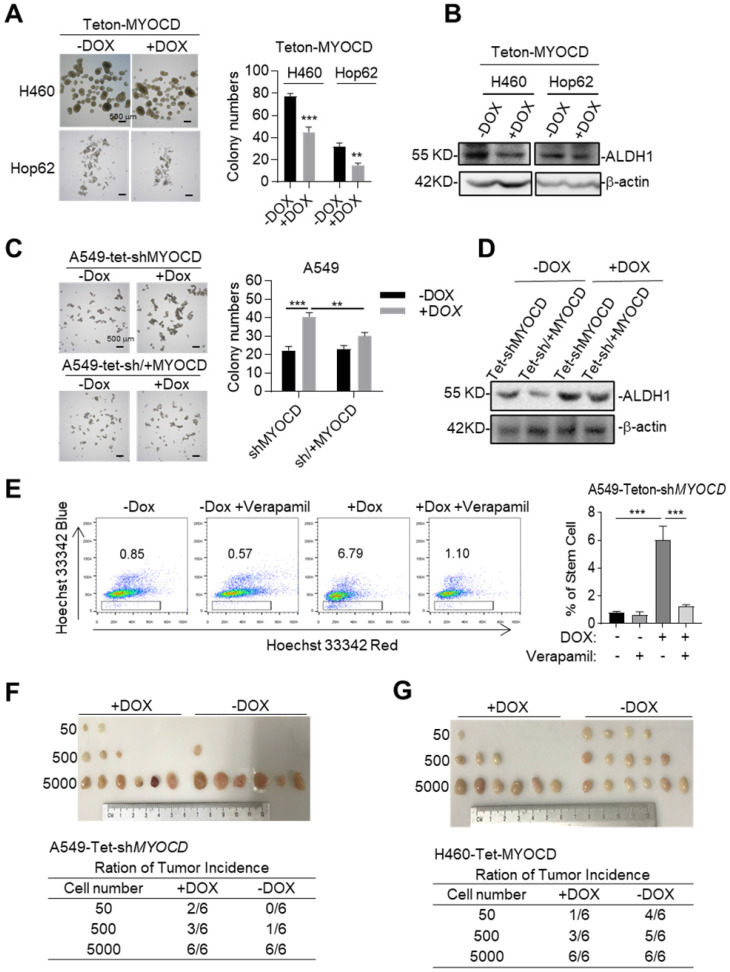
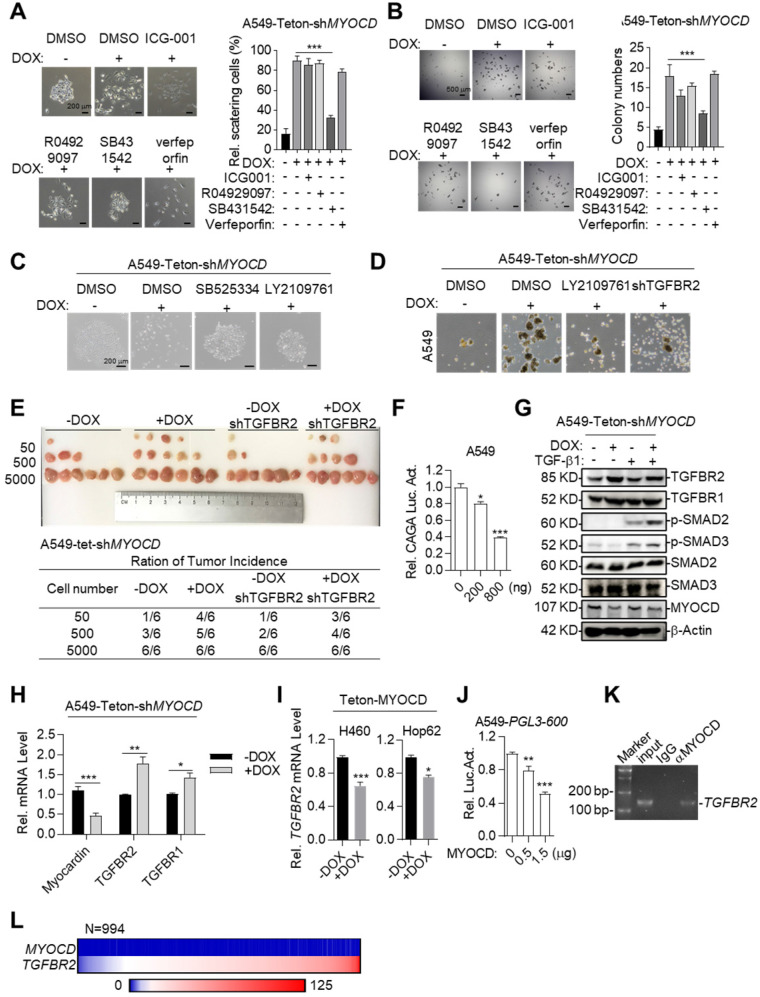
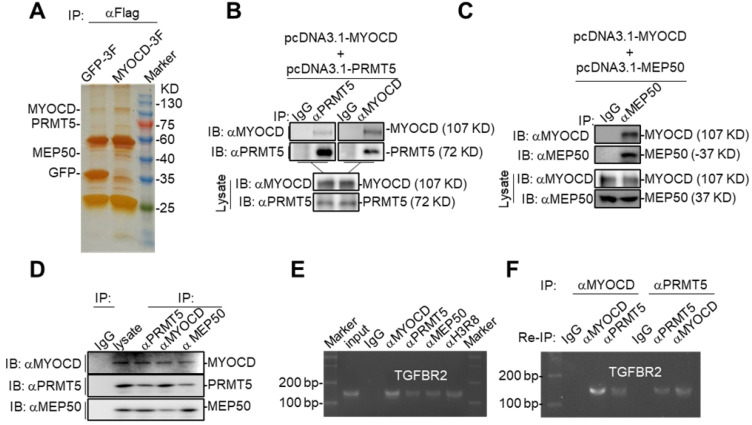
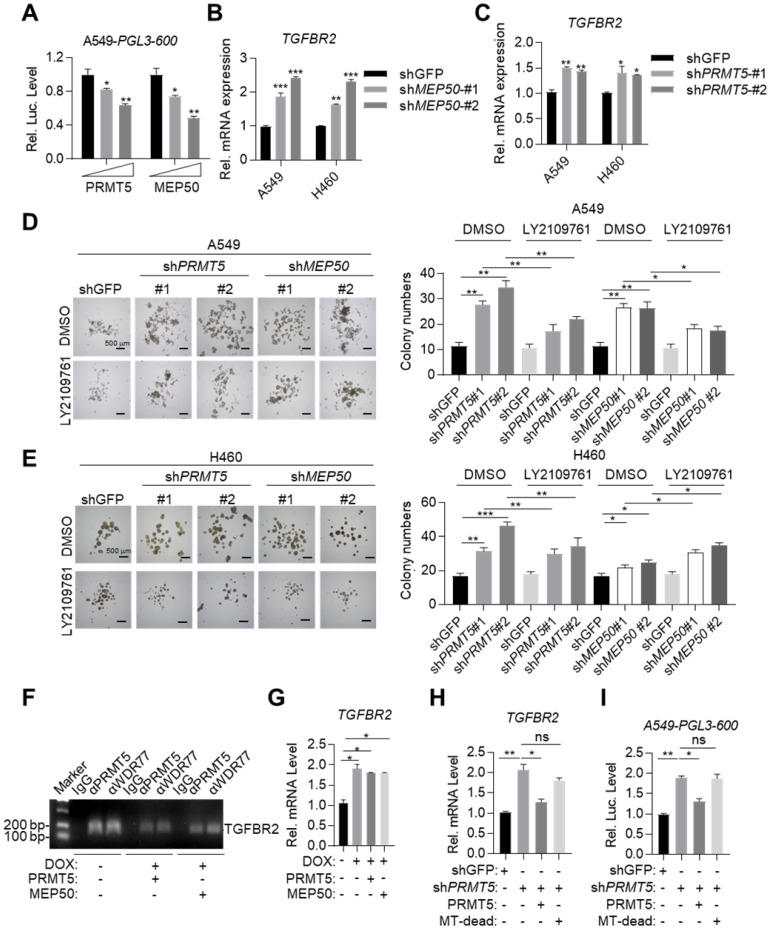
Clinical success of cancer therapy is severely limited by drug resistance, attributed in large part to the loss of function of tumor suppressor genes (TSGs). Developing effective strategies to treat those tumors is challenging, but urgently needed in clinic. MYOCD is a clinically relevant TSG in lung cancer patients. Our and data confirm its tumor suppressive function. Further analysis reveals that MYOCD potently inhibits stemness of lung cancer stem cells. Mechanistically, MYOCD localizes to TGFBR2 promoter region and thereby recruits PRMT5/MEP50 complex to epigenetically silence its transcription. NSCLC cells deficient of MYOCD are particularly sensitive to TGFBR kinase inhibitor (TGFBRi). TGFBRi and stemness inhibitor synergize with existing drugs to treat MYOCD deficient lung cancers. Our current work shows that loss of function of MYOCD creates Achilles' heels in lung cancer cells, which might be exploited in clinic.
癌症治疗的临床疗效受到耐药性的严重限制,这在很大程度上归因于肿瘤抑制基因(TSGs)功能的丧失。开发治疗这些肿瘤的有效策略具有挑战性,但在临床上迫切需要。MYOCD 是肺癌患者中具有临床相关性的 TSG。我们的 和 数据证实了其肿瘤抑制功能。进一步的分析表明,MYOCD 强烈抑制肺癌干细胞的干性。从机制上讲,MYOCD 定位于 TGFBR2 启动子区域,从而募集 PRMT5/MEP50 复合物对其转录进行表观遗传沉默。缺乏 MYOCD 的 NSCLC 细胞对 TGFBR 激酶抑制剂(TGFBRi)特别敏感。TGFBRi 和干性抑制剂与现有药物协同作用,可治疗 MYOCD 缺失的肺癌。我们目前的工作表明,MYOCD 功能丧失在肺癌细胞中制造了阿喀琉斯之踵,这可能在临床上被利用。