Department of Public Health and Hygiene, Faculty of Health Sciences, University of Buea, P.O. Box 12, Buea, Cameroon.
Pan Afr Med J. 2021 Feb 11;38:156. doi: 10.11604/pamj.2021.38.156.22357. eCollection 2021.
low socioeconomic status is a risk factor for maternal death and contraceptive use has been shown to reduce maternal deaths in those poor settings. Despite the tremendous benefits of contraceptives in the regulation of reproductive health indicators, its use in less developed countries continue to remain unacceptably low. The purpose of this study was primarily to assess the contraceptive method mix and then determine the predictors of contraceptive use in the Cameroon Development Corporation (CDC) plantation camps.
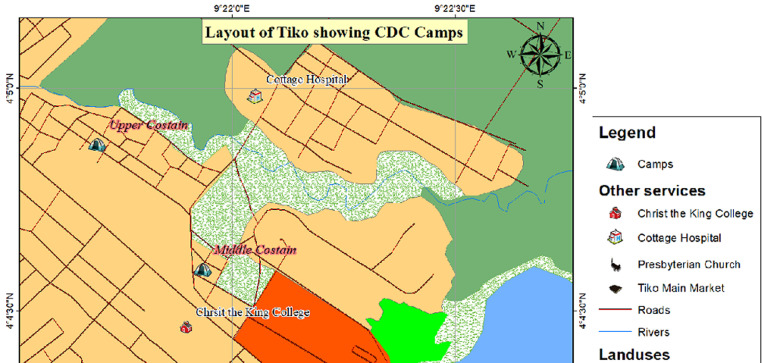
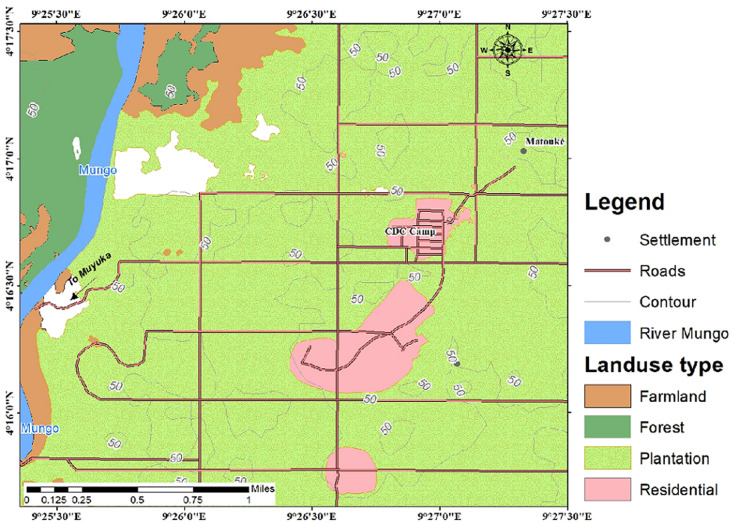
mix sampling was used. Firstly, two CDC camp localities (Tiko and Pena Mboko) were purposively selected. Pre-existing clusters within these localities were then randomly selected and then eligible participants within the sampled clusters systematically selected. Using the main street junction as starting point, direction of sample collection was determined by spinning a plastic bottle. From the start of street junction and moving in direction of the bottle pointer, all households left to the principal investigator were visited in search of eligible participants which were sexually active women aged 15-49 years who gave consent/assent. One participant was selected per household. We used pretested interviewer-administered questionnaires that covered information on socio-demographic characteristics, reproductive health and contraceptive use. Statistical significance was set at p-value ≤ 0.05.
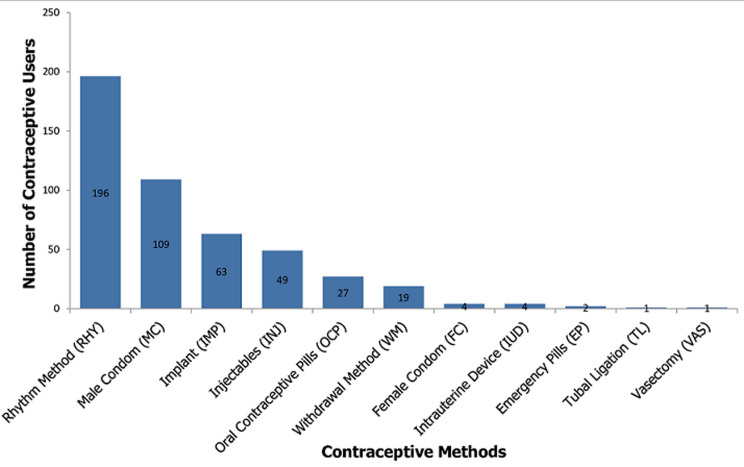
six hundred and thirty four (634) sexually active women aged 15-49 years were included in the study; majority were 25-35 years (246; 38.8%). The current contraceptive prevalence was 63.1% [59.3-66.8] (400); of which 312 participants (78%) used a single method while 88 (22%) participants used contraceptives in combination. The most common methods in use were rhythm (196; 49%), male condom (109; 27.2%) and implants (63; 15.8%). When adjusted, statistically significant determinants for contraceptive use were age range and marital status such that odds of using contraceptives was lower in women < 35 years and those cohabiting (AOR= 0.71 [0.50-1.00] and AOR=0.62 [0.44-0.87] respectively).
current contraceptive practice in the CDC plantation camps is geared toward less effective traditional methods than the more effective modern methods. More health education is needed to adjust this paradigm.
社会经济地位低是产妇死亡的一个风险因素,而避孕已被证明可以降低贫困环境中产妇的死亡。尽管避孕药具在调节生殖健康指标方面有巨大的好处,但在欠发达国家,避孕药具的使用仍然低得令人无法接受。本研究的主要目的是评估避孕方法的组合,然后确定喀麦隆发展公司(CDC)种植园营地中避孕使用的预测因素。
采用混合抽样方法。首先,有针对性地选择了 CDC 营地的两个地方(Tiko 和 Pena Mboko)。然后在这些地方内随机选择预先存在的集群,然后在抽样集群内系统地选择符合条件的参与者。以主要街道交叉口为起点,通过旋转塑料瓶来确定样本采集的方向。从街道交叉口的起点开始,沿着瓶子指针的方向,向主要调查员左边的所有家庭进行访问,以寻找符合条件的参与者,即 15-49 岁有性行为的女性,她们同意/同意参加。每个家庭选择一名参与者。我们使用经过预测试的访谈者管理问卷,涵盖了社会人口特征、生殖健康和避孕使用的信息。统计显著性设置为 p 值≤0.05。
共有 634 名 15-49 岁有性行为的女性参加了研究;大多数为 25-35 岁(246 人;38.8%)。当前的避孕普及率为 63.1%[59.3-66.8](400 人);其中 312 名参与者(78%)使用单一方法,88 名参与者(22%)联合使用避孕方法。最常用的方法是节律法(196 人;49%)、男用避孕套(109 人;27.2%)和植入物(63 人;15.8%)。调整后,年龄范围和婚姻状况是避孕使用的统计学显著决定因素,即 35 岁以下和同居的女性使用避孕的可能性较低(AOR=0.71[0.50-1.00]和 AOR=0.62[0.44-0.87])。
CDC 种植园营地的当前避孕实践倾向于使用比更有效的现代方法效果较差的传统方法。需要更多的健康教育来调整这种模式。