Department of Neonatology, The First Affiliated Hospital of Xi'an Jiaotong University, Xi'an, Shaanxi, People's Republic of China.
Shaanxi Institute of Pediatric Diseases, Affiliated Children's Hospital of Xi'an Jiaotong University, Xi'an, People's Republic of China.
Int J Nanomedicine. 2021 May 10;16:3217-3240. doi: 10.2147/IJN.S302450. eCollection 2021.
GD2 is a mainstream biomarker for neuroblastoma (NB)-targeted therapy. Current anti-GD2 therapeutics exhibit several side effects since GD2 is also expressed at low levels on normal cells. Thus, current anti-GD2 therapeutics can be compromised by the coexistence of the target receptor on both cancer cells and normal cells.
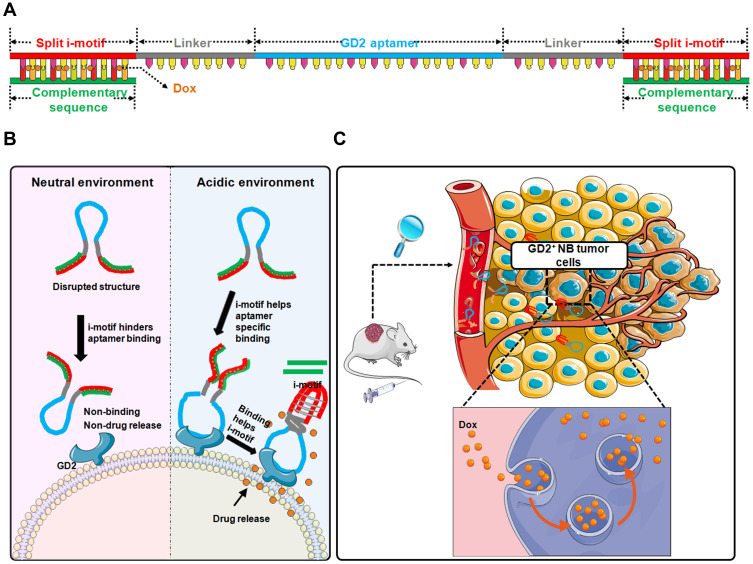
Aptamers are promising and invaluable molecular tools. Because of the pH difference between tumor and normal cells, in this study, we constructed a pH-sensitive aptamer-mediated drug delivery system (IGD-Targeted).
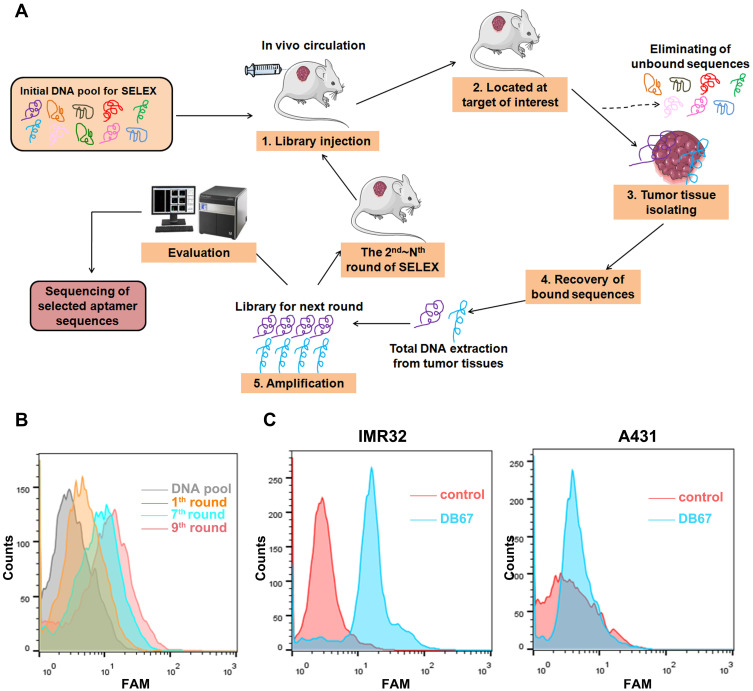
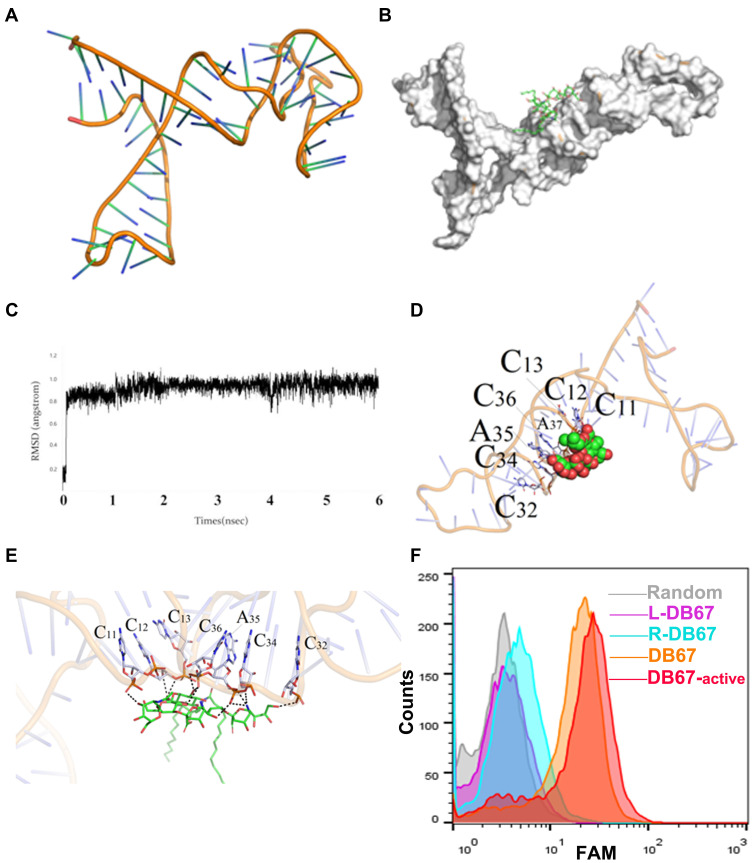
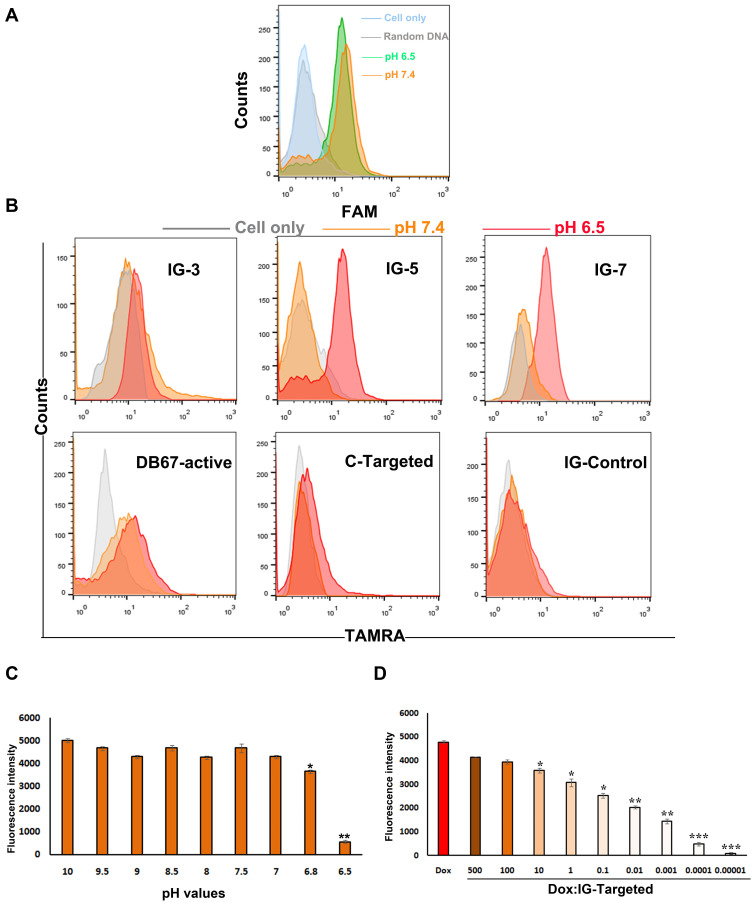
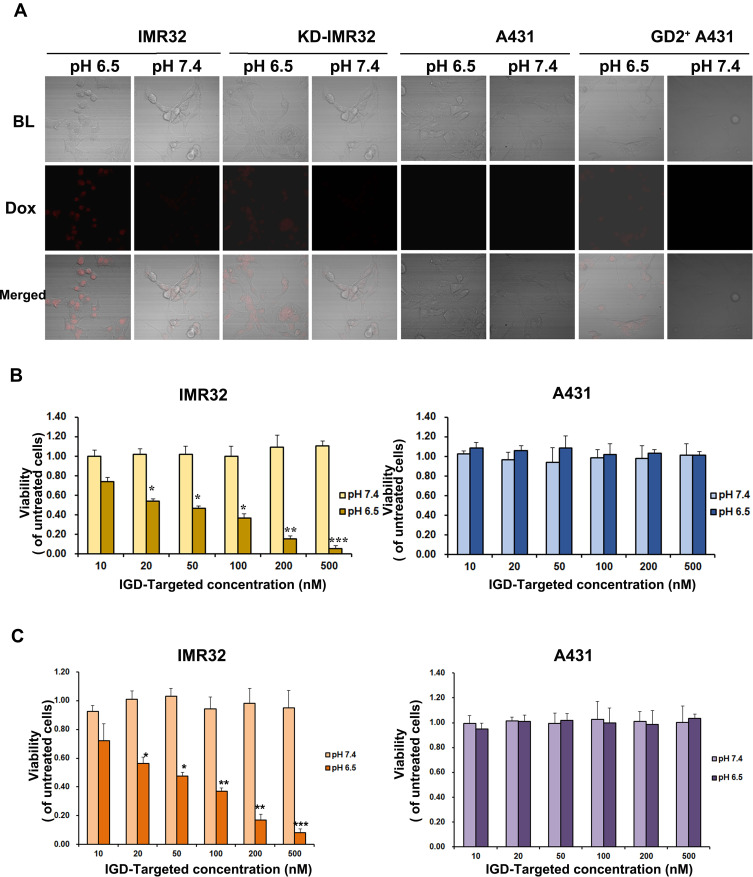
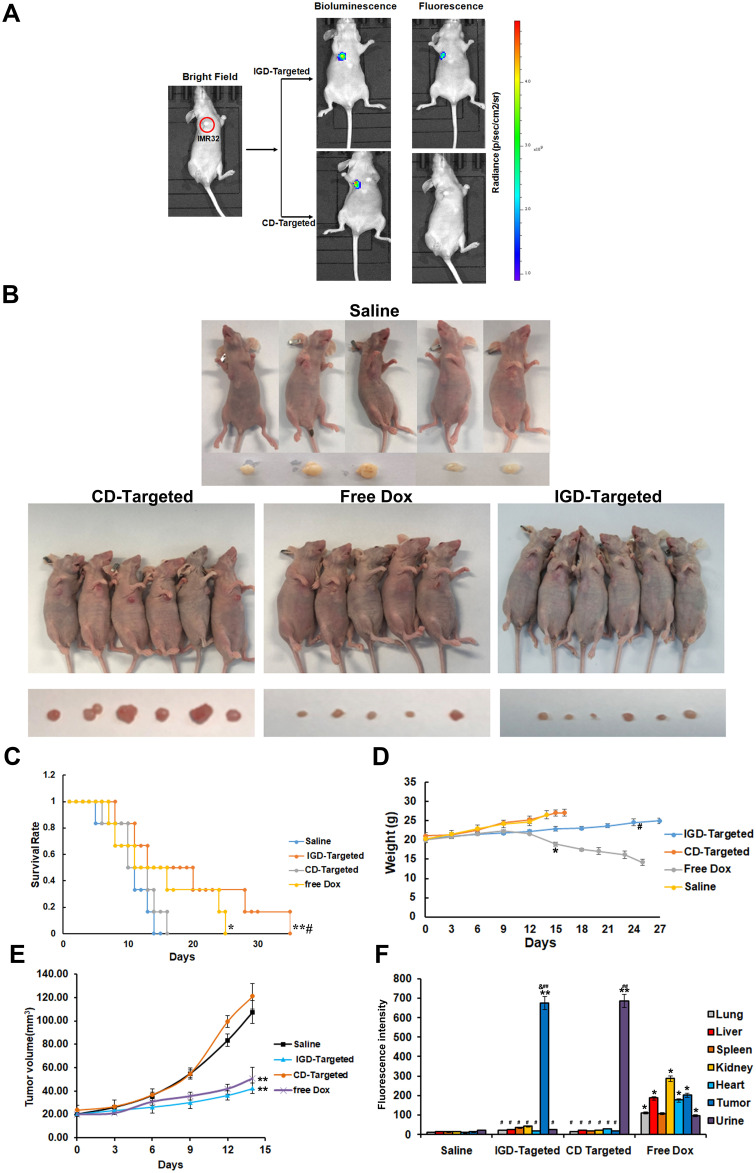
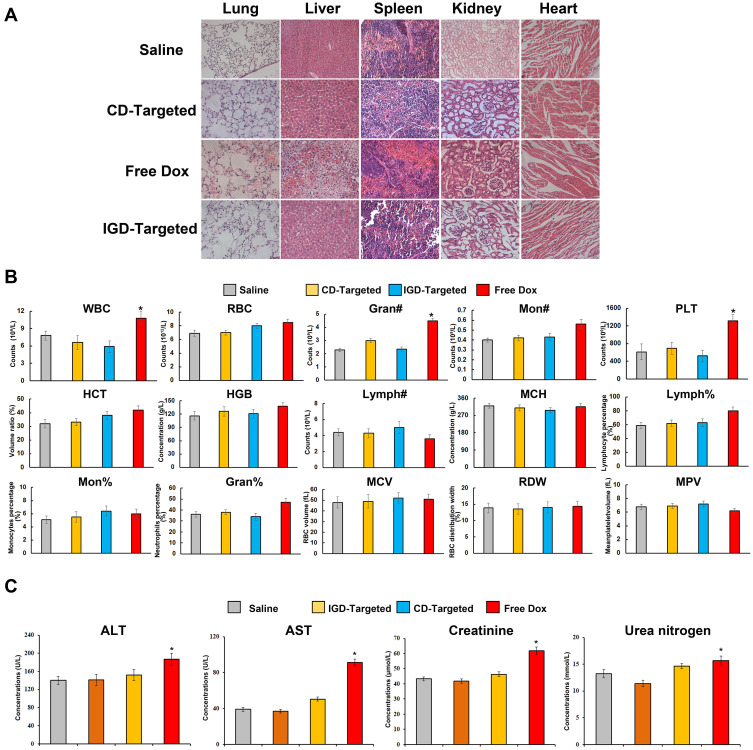
In vivo Systematic Evolution of Ligands by Exponential Enrichment (SELEX) was used to generate a novel GD2 aptamer. Flow cytometry and molecular docking were applied to assess the binding specificities, affinities abilities of the aptamers. Confocal microscope, CCK8 assay, and BrdU assay were utilized to evaluate whether IGD-Targeted could only bind with GD2 at acidic environment. To evaluate whether IGD-Targeted could inhibit GD2-positive tumor and protect normal cells, in vivo living imaging, histomorphological staining, blood test, and RNA-sequencing were observed in animal model.
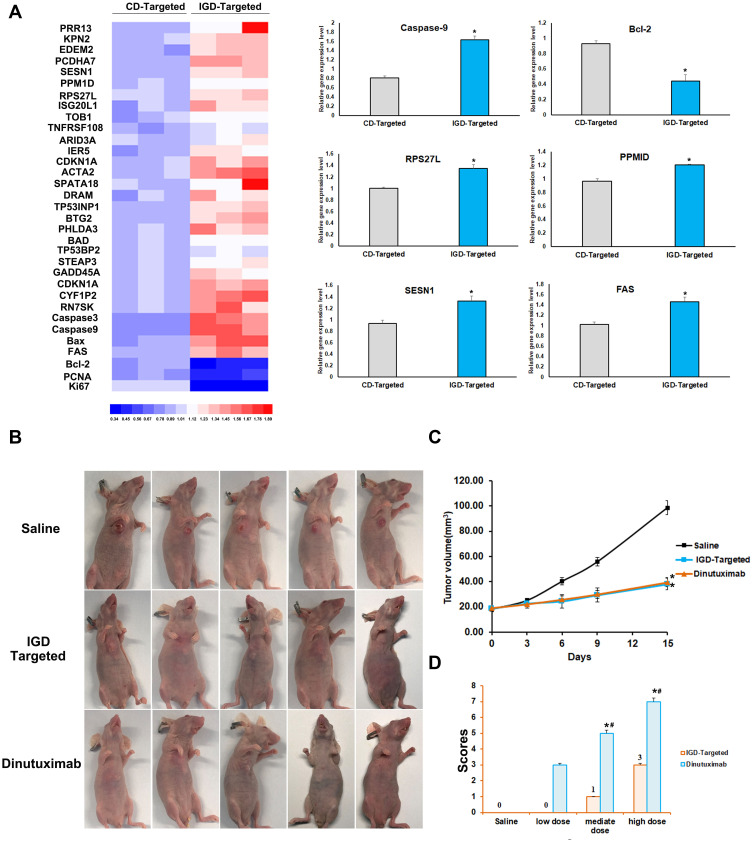
GD2 aptamer termed as DB67 could bind with GD2-positive cells with high specificity, while has minimal cross-reactivities to other negative cells. It has been validated that the i-motif in IGD-Targeted facilitates the binding specificity and affinity of the GD2 aptamer to GD2-positive NB tumor cells but does not interfere with GD2-positive normal cells at the pH of the cellular microenvironment. In addition, IGD-Targeted is capable of delivering Dox to only GD2-positive NB tumor cells and not to normal cells in vivo and in vitro, resulting in precise inhibition of tumor cells and protection of normal cells.
This study suggests that IGD-Targeted as a promising platform for NB therapy which could show greater tumor inhibition and fewer side effects to normal cells, regardless of the existence of the same receptor on the target and nontarget cells.
GD2 是神经母细胞瘤(NB)靶向治疗的主流生物标志物。由于 GD2 也在正常细胞上低水平表达,因此目前的抗 GD2 疗法会出现一些副作用。因此,目前的抗 GD2 疗法可能会因靶受体在癌细胞和正常细胞上的共存而受到影响。
适体是一种很有前途且非常宝贵的分子工具。由于肿瘤细胞和正常细胞之间的 pH 值存在差异,在本研究中,我们构建了一种 pH 敏感的适体介导的药物输送系统(IGD-Targeted)。
采用体内指数富集的配体系统进化(SELEX)技术生成一种新型 GD2 适体。流式细胞术和分子对接技术用于评估适体的结合特异性、亲和力。共聚焦显微镜、CCK8 检测和 BrdU 检测用于评估 IGD-Targeted 是否仅能在酸性环境下与 GD2 结合。为了评估 IGD-Targeted 是否能抑制 GD2 阳性肿瘤并保护正常细胞,在动物模型中观察了体内活体成像、组织形态学染色、血液检查和 RNA 测序。
GD2 适体命名为 DB67,能与 GD2 阳性细胞特异性高结合,而对其他阴性细胞的交叉反应性很小。已验证,IGD-Targeted 中的 i 型发夹结构有利于 GD2 适体与 GD2 阳性 NB 肿瘤细胞的结合特异性和亲和力,但在细胞微环境的 pH 值下不干扰 GD2 阳性正常细胞。此外,IGD-Targeted 能够将 Dox 递送到仅 GD2 阳性的 NB 肿瘤细胞,而不能递送到体内和体外的正常细胞,从而精确抑制肿瘤细胞并保护正常细胞。
本研究表明,IGD-Targeted 作为一种有前途的 NB 治疗平台,无论靶细胞和非靶细胞上是否存在相同的受体,都能表现出更强的肿瘤抑制作用和更少的正常细胞副作用。