Mwanza Intervention Trials Unit (MITU), Mwanza, Tanzania.
London School of Hygiene and Tropical Medicine, London, UK.
BMC Med. 2021 May 21;19(1):125. doi: 10.1186/s12916-021-01987-6.
Soil-transmitted helminth (STH) infections are highly prevalent in resource-limited countries. We assessed the effect of a combination intervention aiming to enhance handwashing with soap on STH reinfection following mass drug administration among primary school children in Kagera region, Northwestern Tanzania.
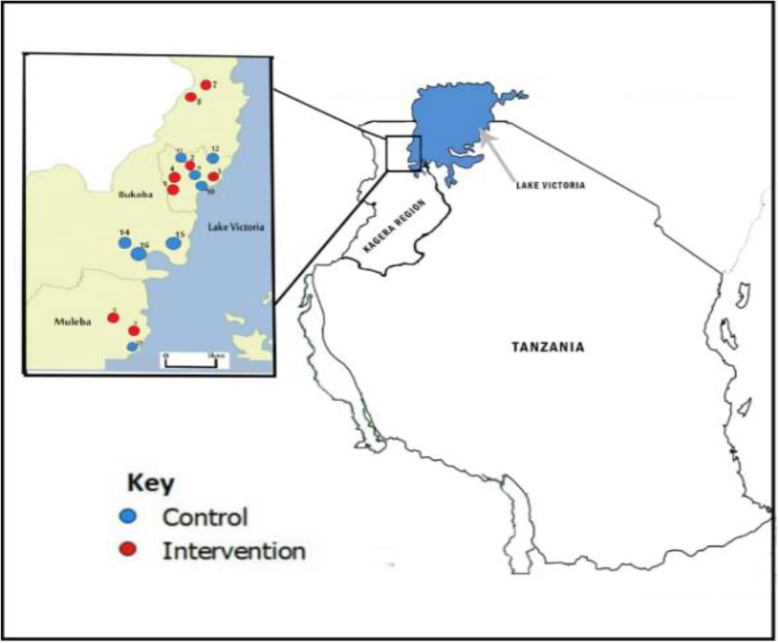
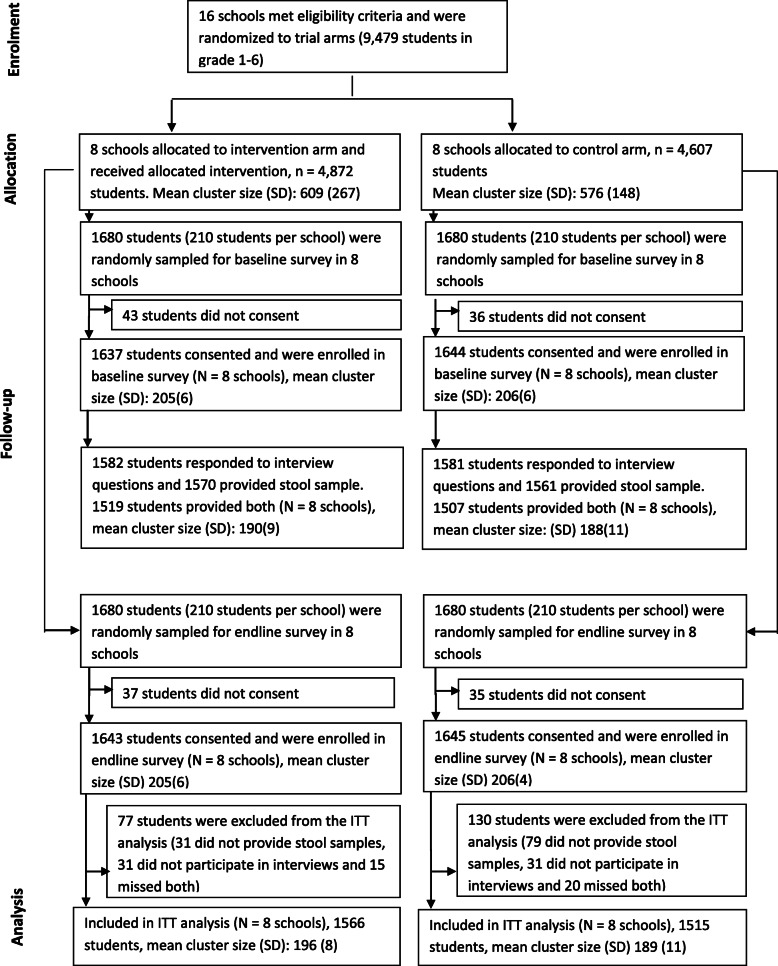
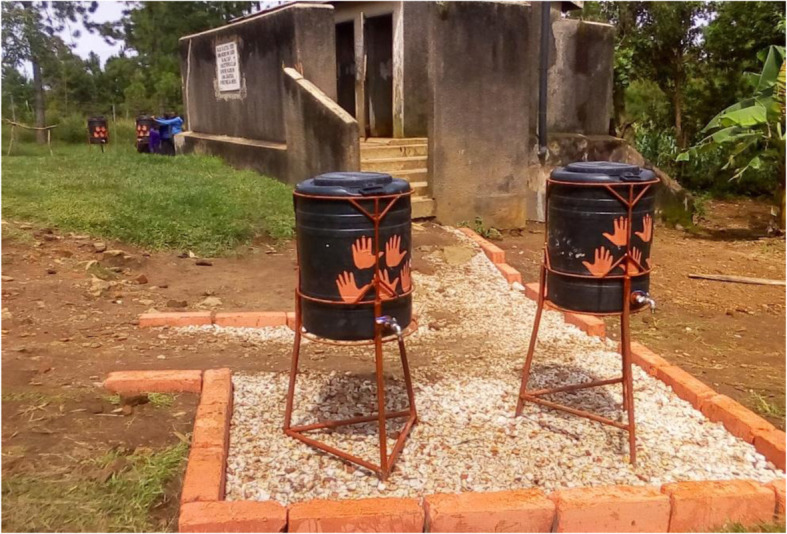
We conducted a cluster randomised trial in sixteen primary schools with known high STH prevalence. Schools were randomly assigned in a 1:1 ratio to either receive the intervention or continue with routine health education. The intervention included teacher-led classroom teaching, parental engagement sessions, environmental modifications and improved handwashing stations. The evaluation involved two cross-sectional surveys in a representative sample of students, with the end-line survey conducted 12 months after the baseline survey. The primary outcome was the combined prevalence of Ascaris lumbricoides and Trichuris trichiura infections at the end-line survey. Secondary outcomes included reported handwashing behaviour, the prevalence and intensity of individual STHs, and hand contamination with STH ova and coliform bacteria. End-line STH prevalence and intensity were adjusted for baseline differences of potential confounders.
At the end-line survey, 3081 school children (1566 from intervention schools and 1515 from control schools) provided interview data and stool specimens. More school children in the intervention group reported the use of water and soap during handwashing compared to school children in the control group (58% vs. 35%; aOR=1.76, 95%CI 1.28-2.43, p=0.001). The combined prevalence of A. lumbricoides and T. trichiura infections was 39% in both trial arms (aOR = 1.19; 95%CI 0.74-1.91). The prevalence of A. lumbricoides was 15% in the intervention and 17% in the control arm (aOR =1.24, 95%CI 0.59-2.59) and that of T. trichiura was 31% in both arms (aOR=1.17, 95%CI 0.73-1.88). No significant differences were found for STH infection intensity in both the main study and the hand contamination sub-study.
The intervention was effective in increasing reported handwashing behaviour at school, but failed to show a similar effect in the home. The intervention had no effect on STH infection, possibly due to infection in the home environment, other transmission routes such as contaminated water or food or limited changes in school children's handwashing behaviour.
The trial was registered on June 21, 2017, by the International Standard Randomised Controlled Trial Number ( ISRCTN45013173) .
土壤传播性蠕虫(STH)感染在资源有限的国家非常普遍。我们评估了旨在增强肥皂洗手的组合干预措施对坦桑尼亚西北部卡盖拉地区小学生大规模药物治疗后 STH 再感染的影响。
我们在十六所已知 STH 患病率较高的小学进行了一项集群随机试验。学校按照 1:1 的比例随机分配接受干预或继续常规健康教育。干预包括教师主导的课堂教学、家长参与会议、环境改造和改进洗手站。评估包括对具有代表性的学生样本进行两次横断面调查,在基线调查后 12 个月进行终点调查。主要结局是在终点调查中阿苯达唑和鞭虫混合感染的合并患病率。次要结局包括报告的洗手行为、单个 STH 的患病率和强度,以及 STH 卵和大肠菌群的手部污染。对基线时潜在混杂因素的差异进行了调整。
在终点调查中,3081 名小学生(干预组 1566 名,对照组 1515 名)提供了访谈数据和粪便标本。与对照组相比,干预组中有更多的小学生报告在洗手时使用水和肥皂(58% vs. 35%;aOR=1.76,95%CI 1.28-2.43,p=0.001)。两个试验臂的 A. lumbricoides 和 T. trichiura 混合感染的患病率均为 39%(aOR = 1.19;95%CI 0.74-1.91)。干预组的 A. lumbricoides 患病率为 15%,对照组为 17%(aOR =1.24,95%CI 0.59-2.59),T. trichiura 的患病率为两个组均为 31%(aOR=1.17,95%CI 0.73-1.88)。在主要研究和手部污染子研究中,均未发现 STH 感染强度的显著差异。
该干预措施有效地增加了学校报告的洗手行为,但在家中却没有显示出类似的效果。干预措施对 STH 感染没有影响,可能是由于家庭环境中的感染、其他传播途径(如受污染的水或食物)或在校儿童洗手行为的有限改变所致。
该试验于 2017 年 6 月 21 日由国际标准随机对照试验编号(ISRCTN45013173)注册。