Université de Strasbourg, Inserm, Mécanismes centraux et périphériques de la neurodégénérescence, Strasbourg, France.
Institute of Clinical Neuroimmunology, Klinikum der Universität München, Ludwig-Maximilians-University Munich, Munich, Germany.
Nat Commun. 2021 May 21;12(1):3028. doi: 10.1038/s41467-021-23187-9.
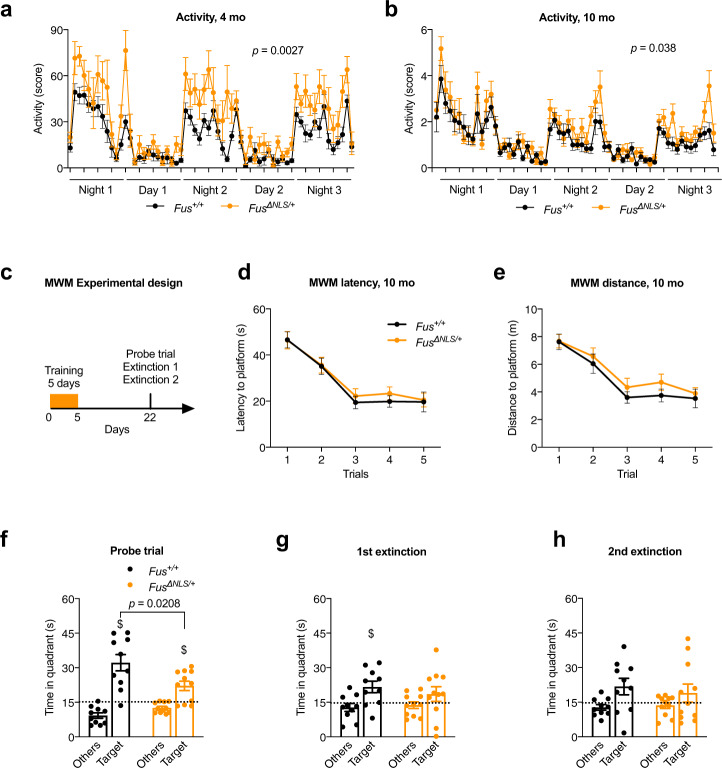
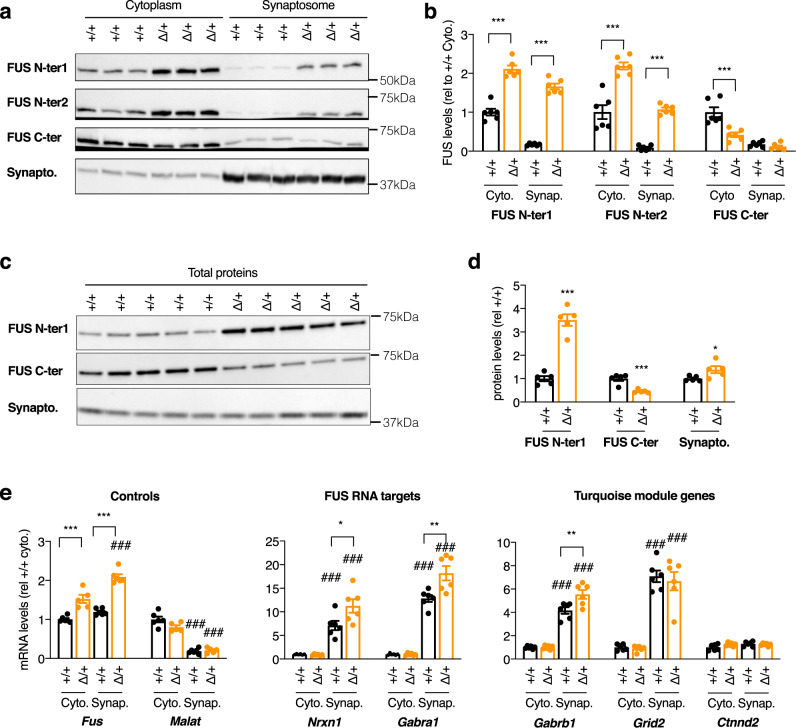
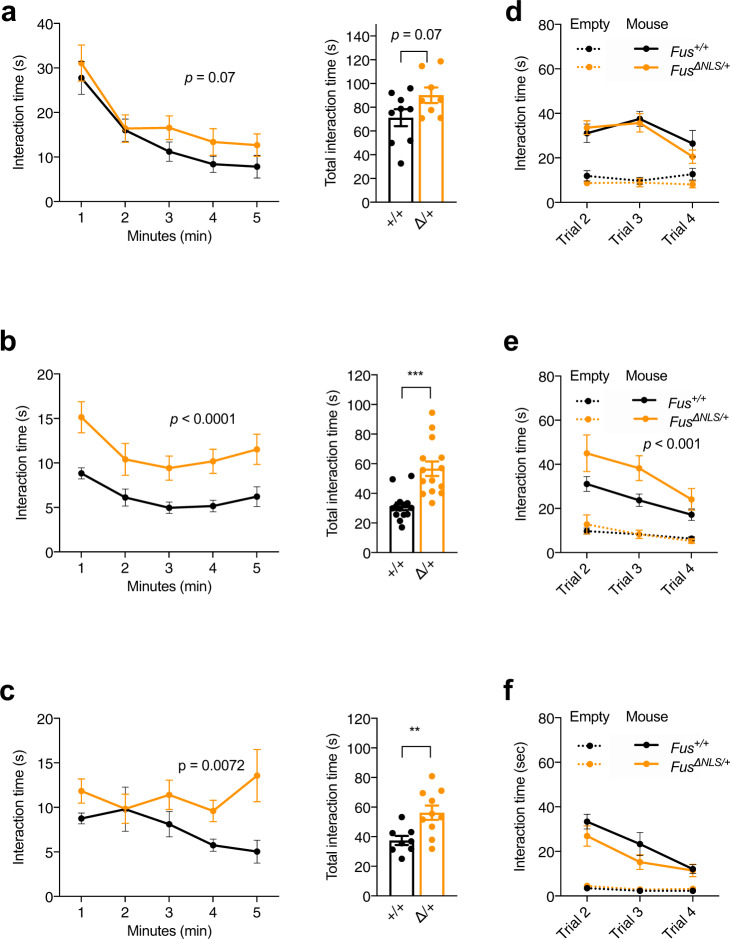
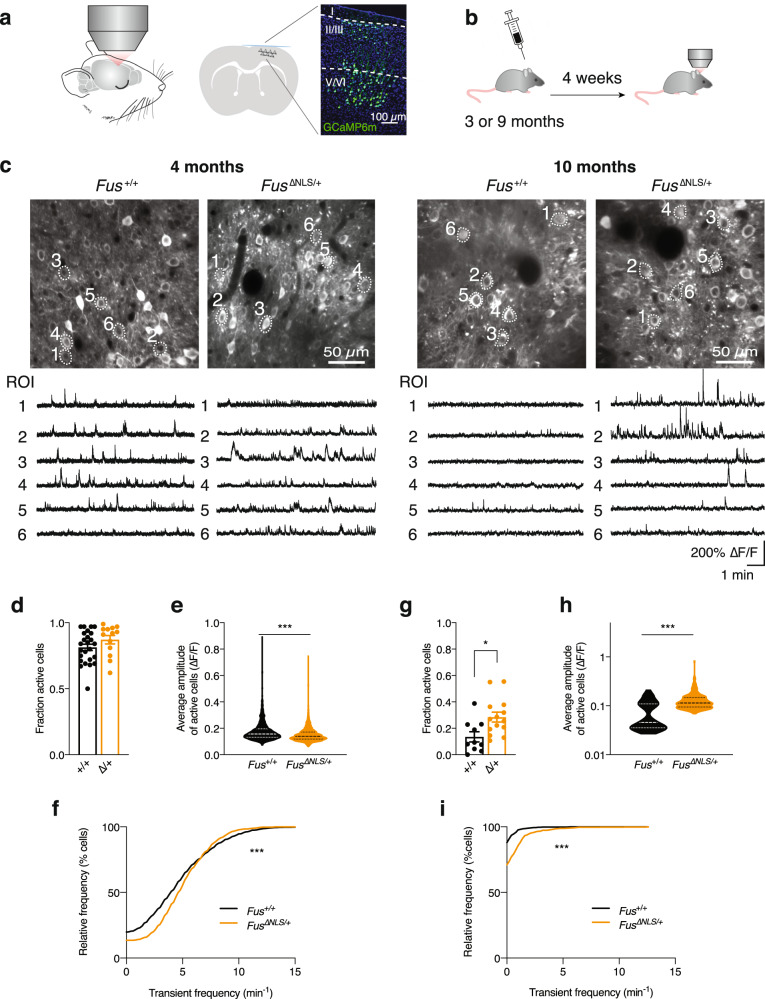
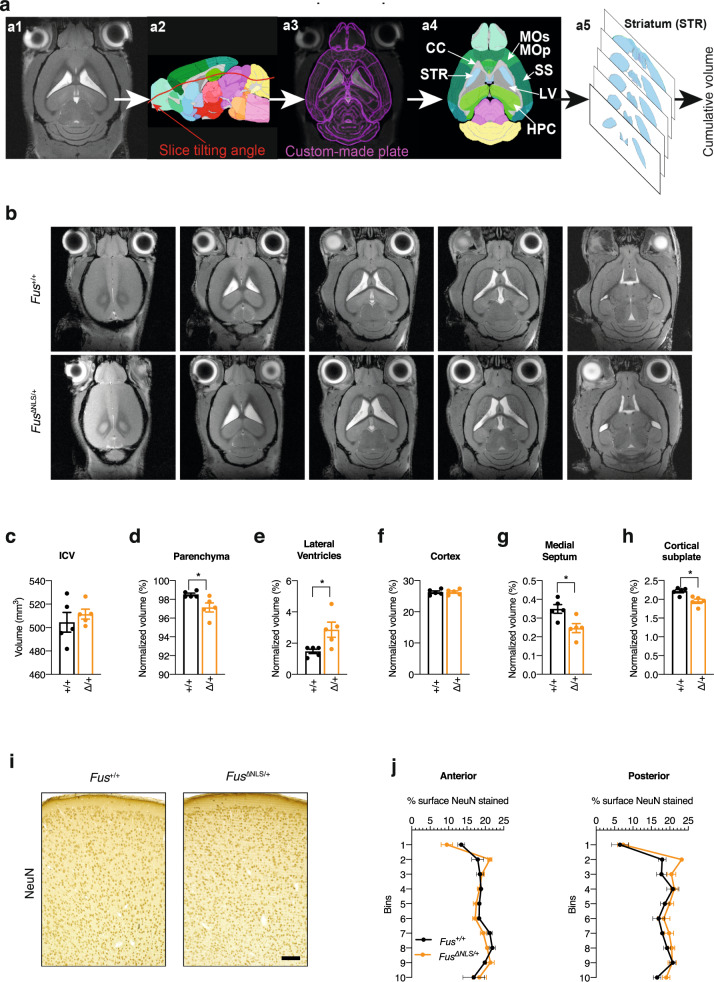
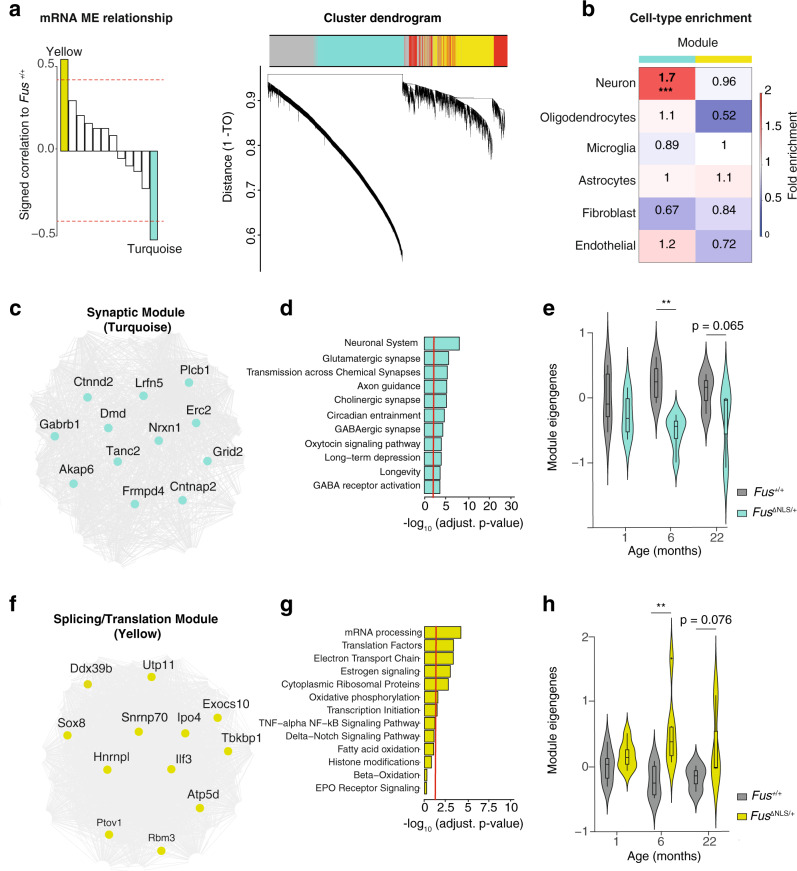
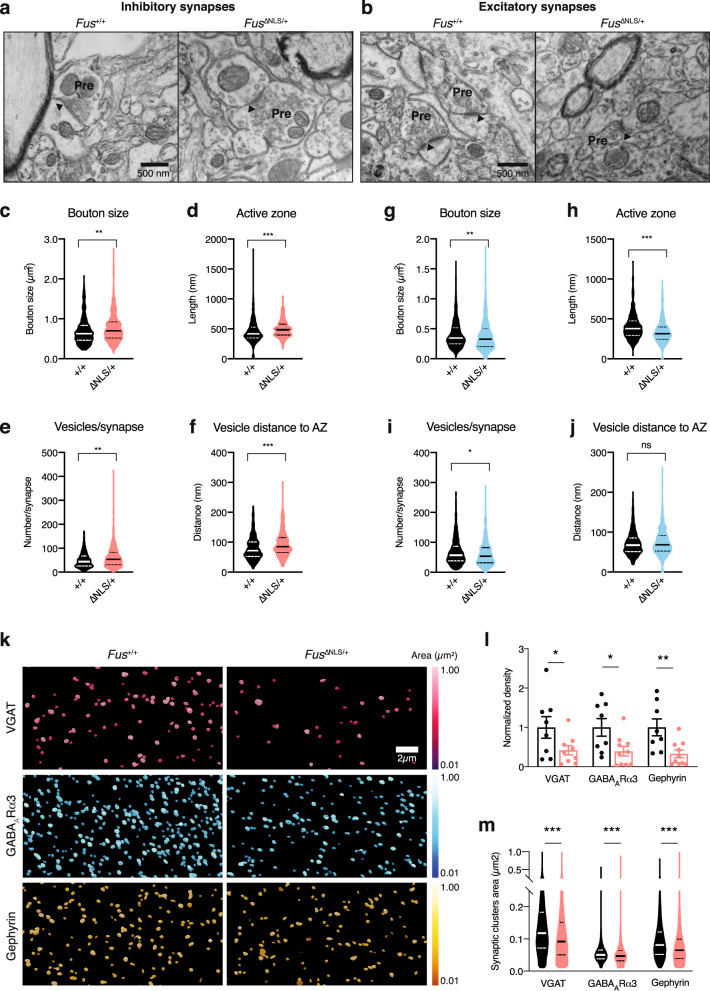
Gene mutations causing cytoplasmic mislocalization of the RNA-binding protein FUS lead to severe forms of amyotrophic lateral sclerosis (ALS). Cytoplasmic accumulation of FUS is also observed in other diseases, with unknown consequences. Here, we show that cytoplasmic mislocalization of FUS drives behavioral abnormalities in knock-in mice, including locomotor hyperactivity and alterations in social interactions, in the absence of widespread neuronal loss. Mechanistically, we identified a progressive increase in neuronal activity in the frontal cortex of Fus knock-in mice in vivo, associated with altered synaptic gene expression. Synaptic ultrastructural and morphological defects were more pronounced in inhibitory than excitatory synapses and associated with increased synaptosomal levels of FUS and its RNA targets. Thus, cytoplasmic FUS triggers synaptic deficits, which is leading to increased neuronal activity in frontal cortex and causing related behavioral phenotypes. These results indicate that FUS mislocalization may trigger deleterious phenotypes beyond motor neuron impairment in ALS, likely relevant also for other neurodegenerative diseases characterized by FUS mislocalization.
导致 RNA 结合蛋白 FUS 细胞质定位错误的基因突变会导致严重的肌萎缩侧索硬化症(ALS)。FUS 在其他疾病中也观察到细胞质积累,但后果不明。在这里,我们表明 FUS 的细胞质定位错误会导致敲入小鼠出现行为异常,包括运动过度和社交互动改变,而没有广泛的神经元丢失。从机制上讲,我们在体内鉴定出 Fus 敲入小鼠额皮质中神经元活性的进行性增加,与突触基因表达的改变有关。抑制性突触而非兴奋性突触的突触超微结构和形态缺陷更为明显,并且与突触小体中 FUS 及其 RNA 靶标的水平升高有关。因此,细胞质 FUS 引发突触缺陷,导致额皮质中神经元活性增加,并导致相关的行为表型。这些结果表明,FUS 定位错误可能会引发除 ALS 中运动神经元损伤以外的有害表型,这可能与其他以 FUS 定位错误为特征的神经退行性疾病也有关。