Carroll Haley, B Lustyk M Kathleen
University of Washington, Seattle, WA, USA.
Embry-Riddle Aeronautical University, Prescott, AZ, USA.
Mindfulness (N Y). 2018 Apr;9(2):488-499. doi: 10.1007/s12671-017-0791-1. Epub 2017 Aug 30.
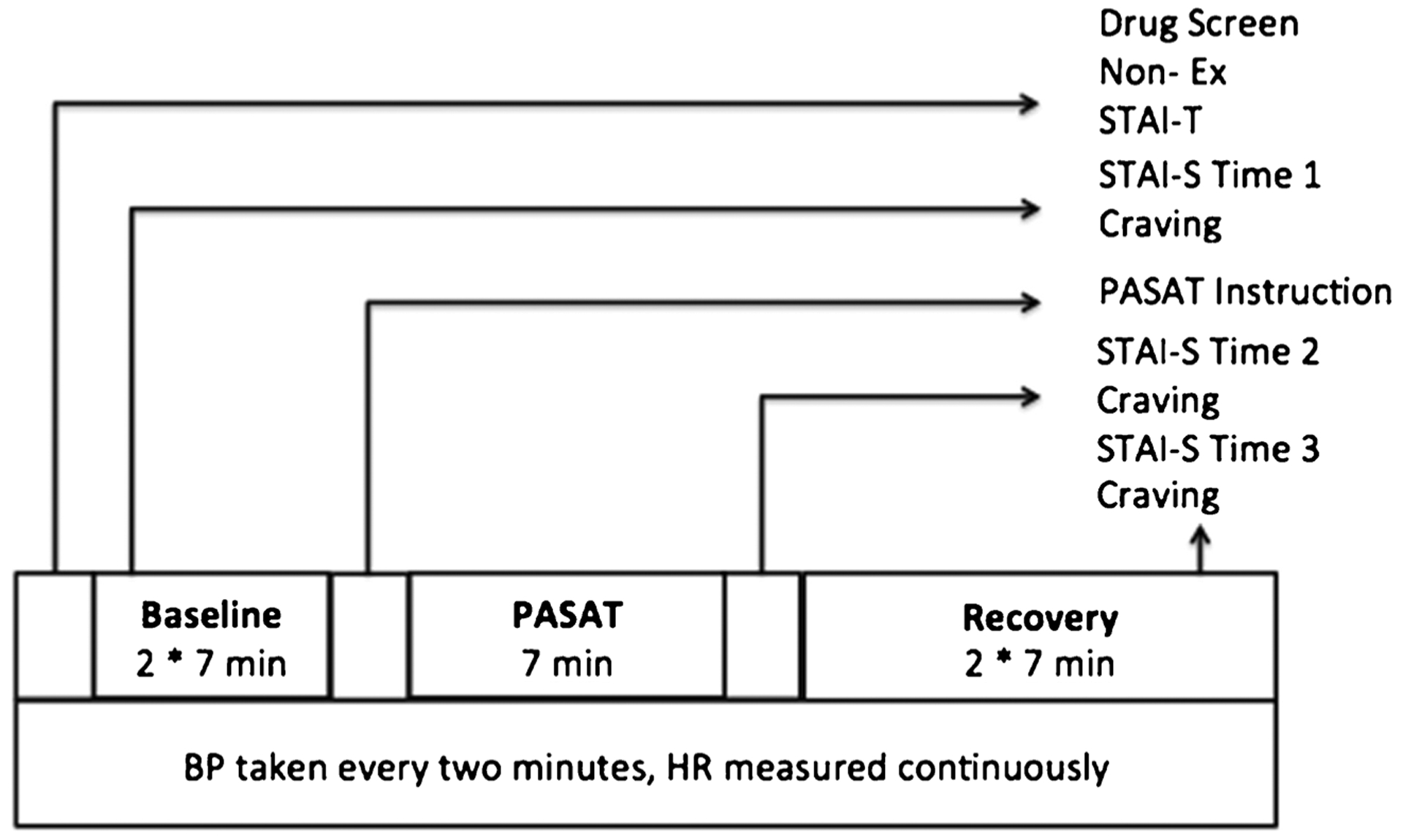
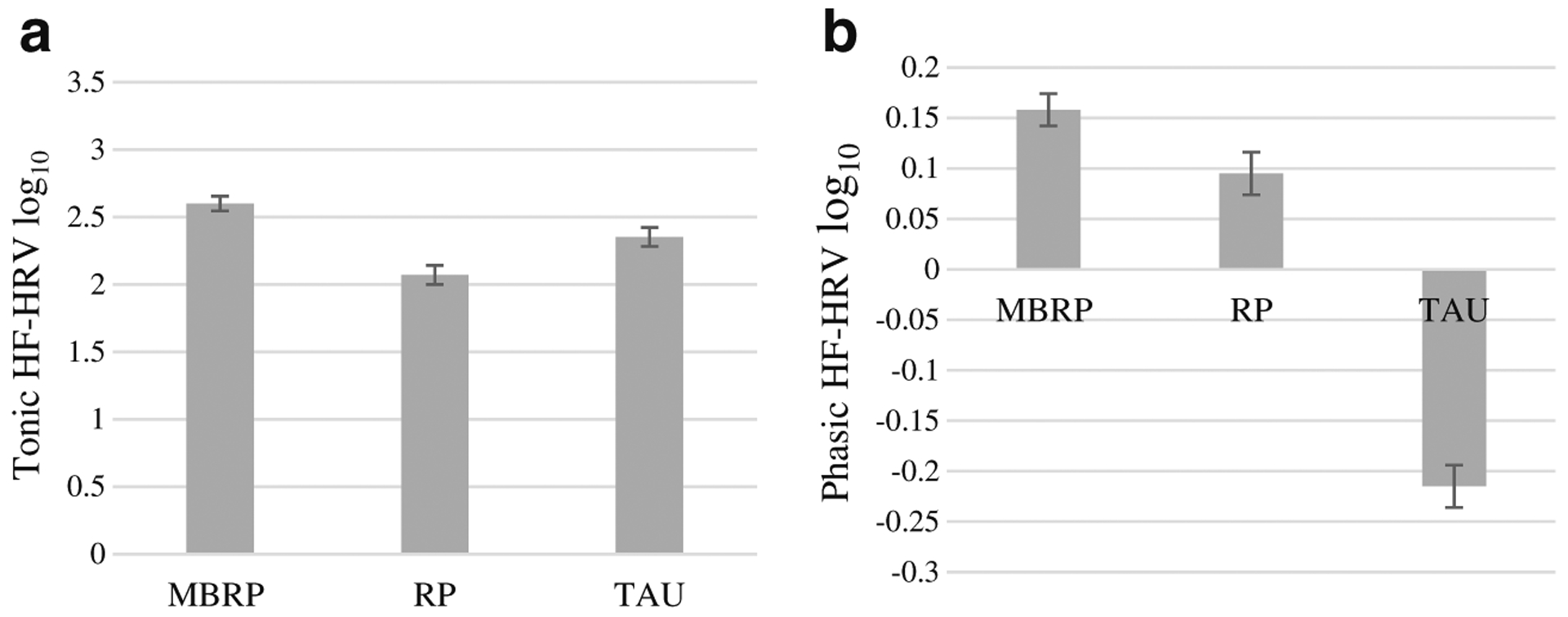
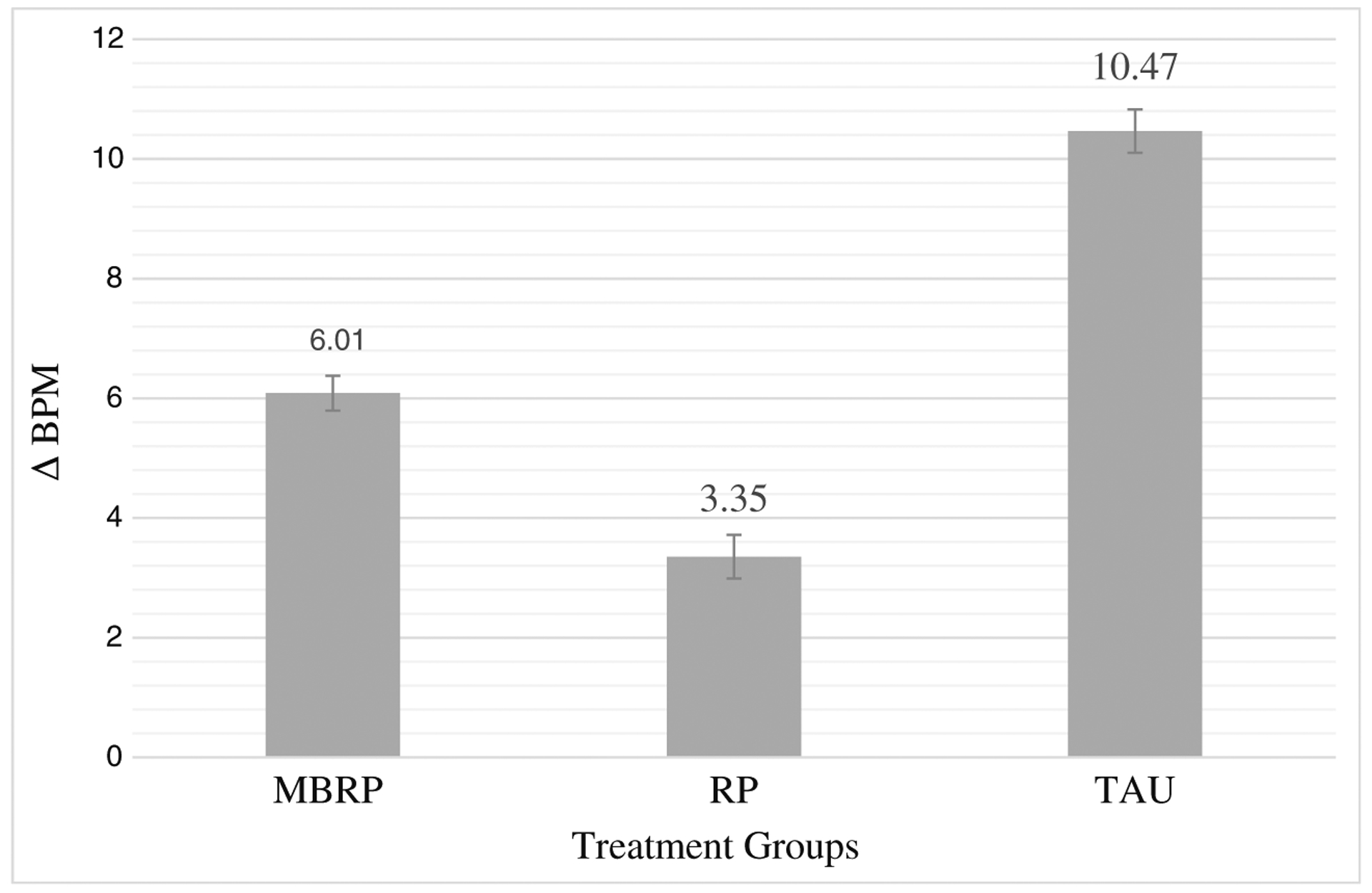
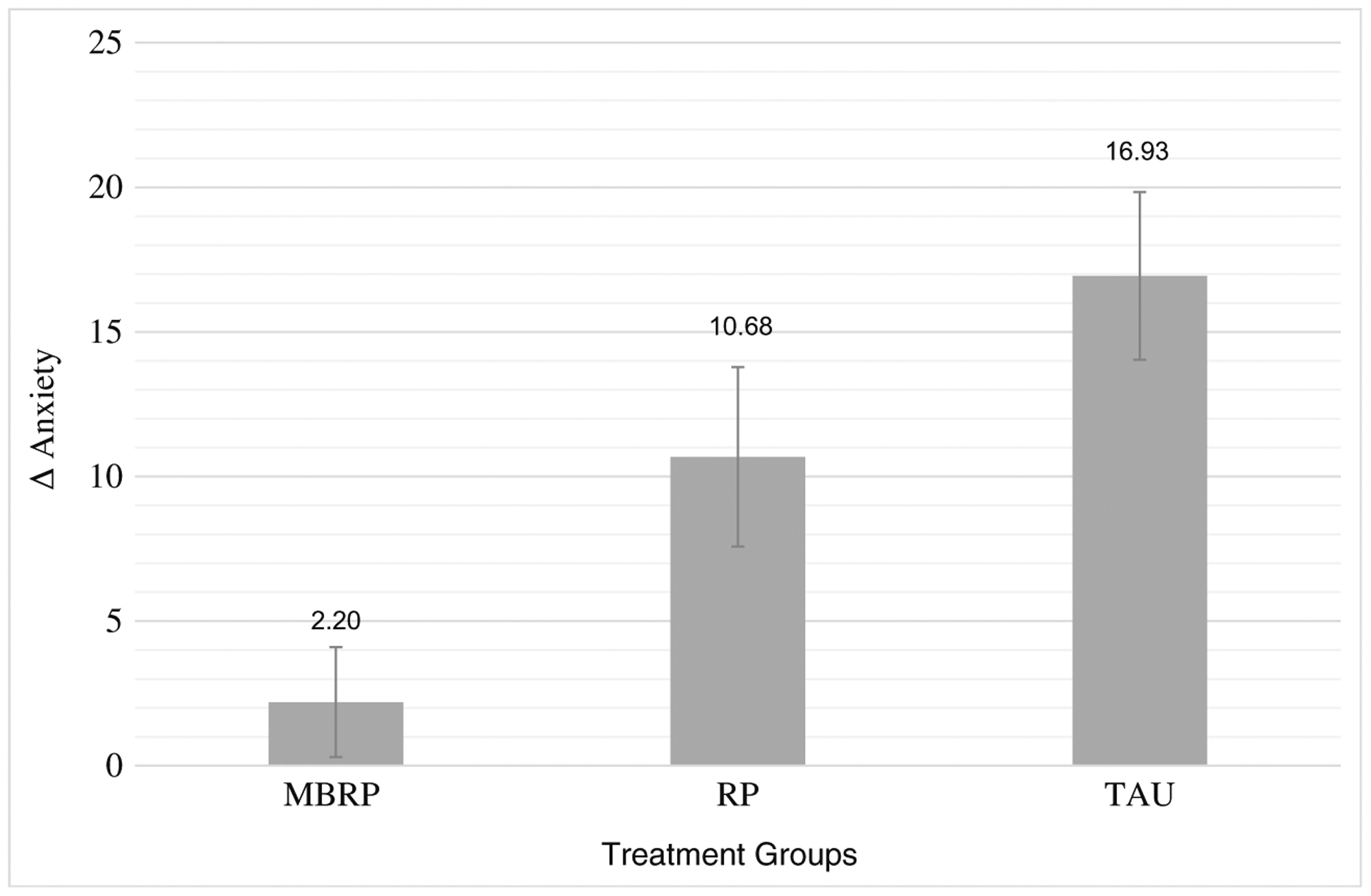
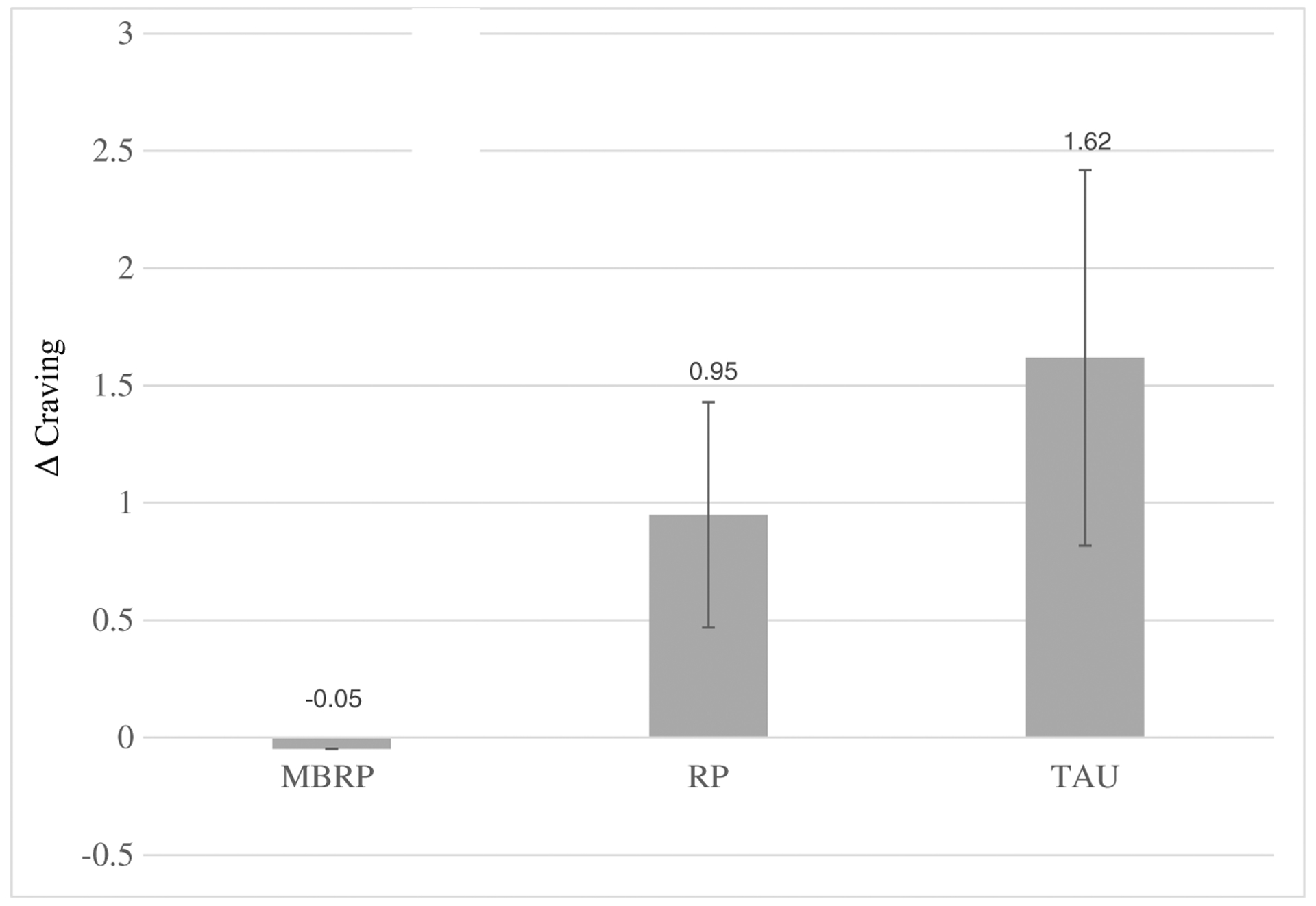
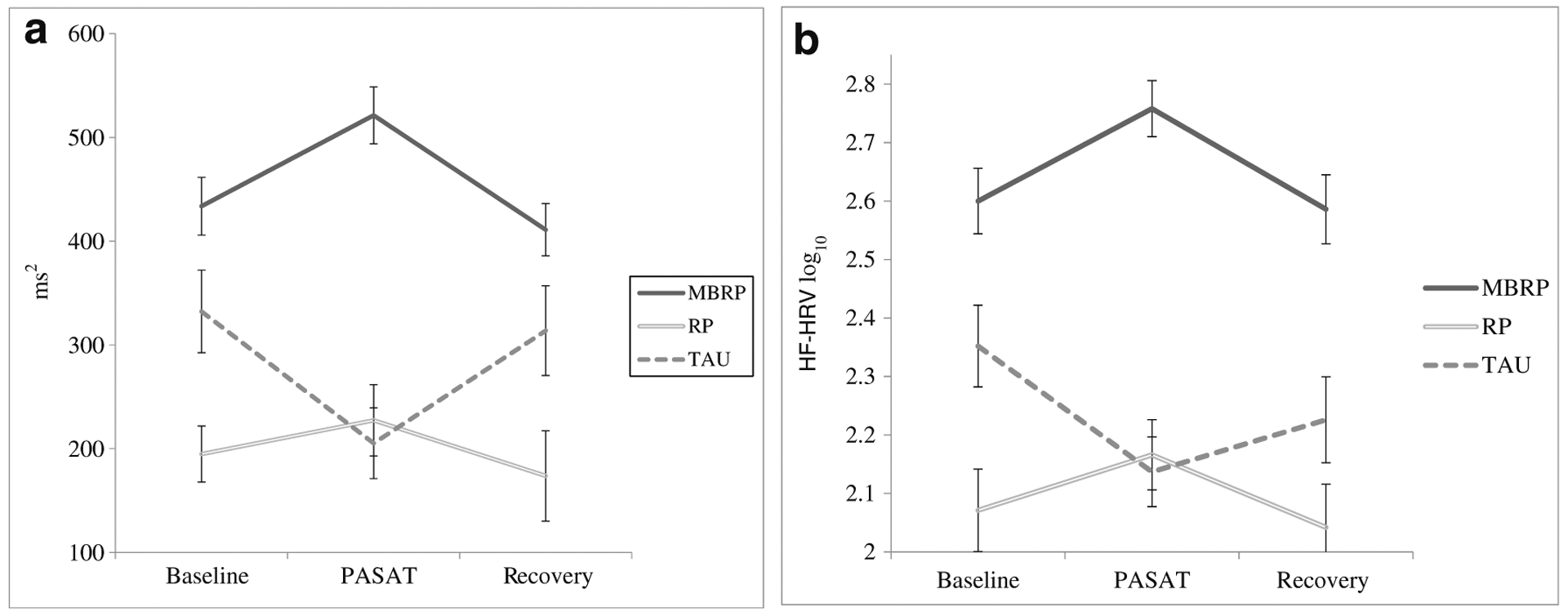
Mindfulness-based relapse prevention (MBRP) is a therapy for addictive behaviors that incorporates cognitive-behavioral relapse prevention (RP) skills with mindfulness training to increase awareness and skillful action in high-risk situations. Stress is a common reason reported for substance use relapse, and using physiological measures to measure stress engagement may help us identify mechanisms of clinical improvement. Specifically, salutatory changes in HF-HRV post-treatment may serve as a marker of treatment efficacy. We investigated tonic and phasic heart rate variability (HRV) to a cognitive stressor (i.e., arithmetic challenge) following 8 weeks of RP, MBRP, or post-detox treatment known as treatment as usual (TAU; = 34). MBRP was related to higher levels of tonic and phasic HF-HRV, lower levels of anxiety, and lower heart rate reactivity (than TAU only) compared to RP and TAU. This suggests that those who completed MBRP are engaging with stress, but perhaps in a more adaptive, flexible manner. MBRP is associated with higher cardiac vagal control and lower stress/anxious reactivity. Given that negative emotions are an important component of relapse, these results lend further support to say that mindfulness may be helpful for those with substance use disorders.
基于正念的复发预防(MBRP)是一种针对成瘾行为的疗法,它将认知行为复发预防(RP)技能与正念训练相结合,以提高在高风险情况下的意识和熟练应对能力。压力是物质使用复发的常见原因,使用生理测量方法来测量压力参与度可能有助于我们确定临床改善的机制。具体而言,治疗后高频心率变异性(HF-HRV)的有益变化可作为治疗效果的一个指标。我们在接受了8周的RP、MBRP或被称为常规治疗(TAU;n = 34)的脱毒后治疗后,研究了对认知应激源(即算术挑战)的静息和相位心率变异性(HRV)。与RP和TAU相比,MBRP与更高水平的静息和相位HF-HRV、更低水平的焦虑以及更低的心率反应性(仅比TAU低)相关。这表明完成MBRP的人在应对压力,但可能是以一种更具适应性、更灵活的方式。MBRP与更高的心脏迷走神经控制和更低的压力/焦虑反应性相关。鉴于负面情绪是复发的一个重要组成部分,这些结果进一步支持了正念可能对患有物质使用障碍的人有帮助的说法。