Department of Molecular Biosciences, University of Texas, Austin, United States.
Department of Chemistry, University of Texas, Austin, United States.
Elife. 2021 May 25;10:e65390. doi: 10.7554/eLife.65390.
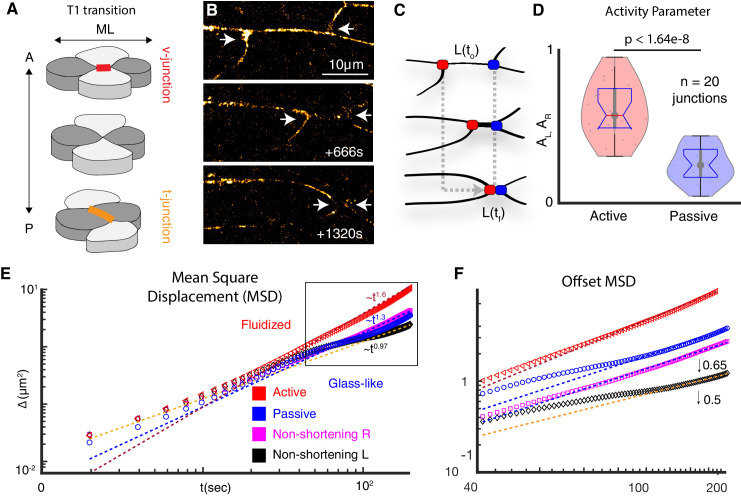
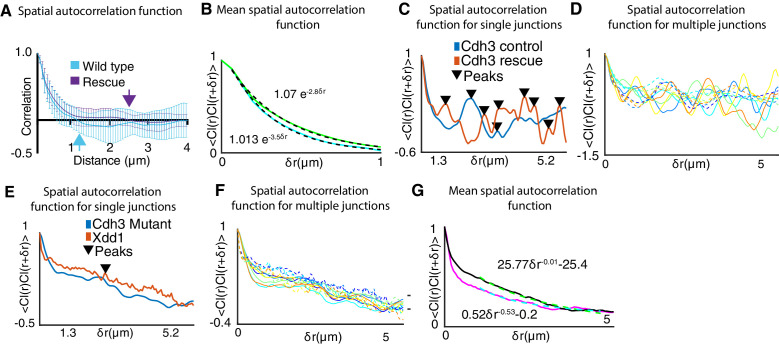
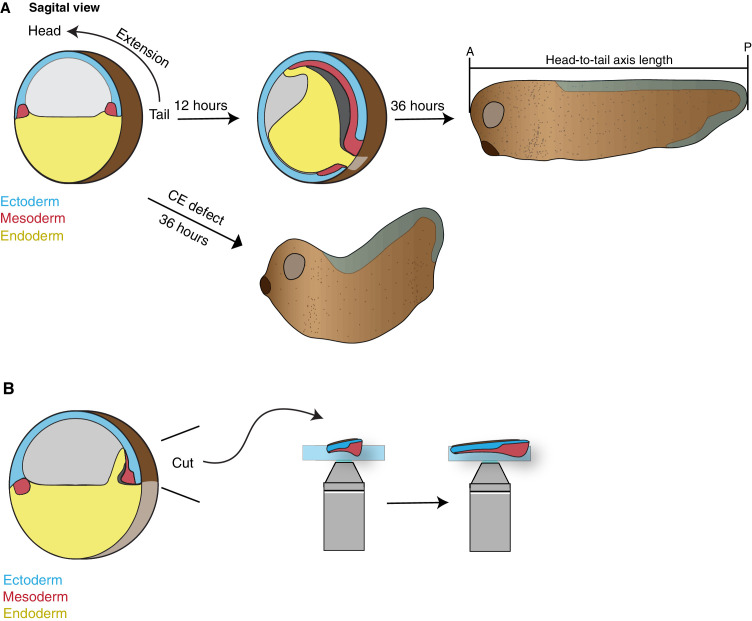
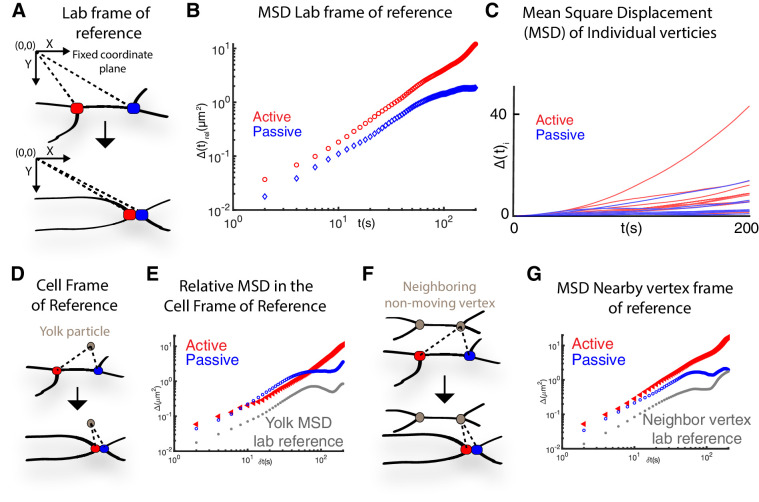
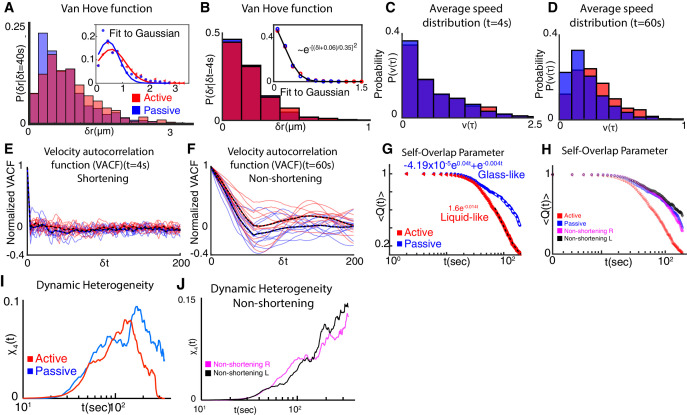
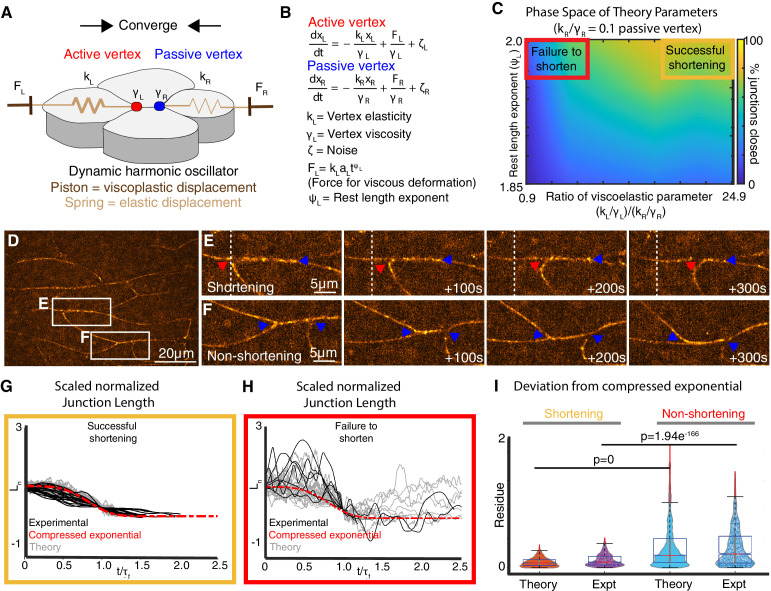
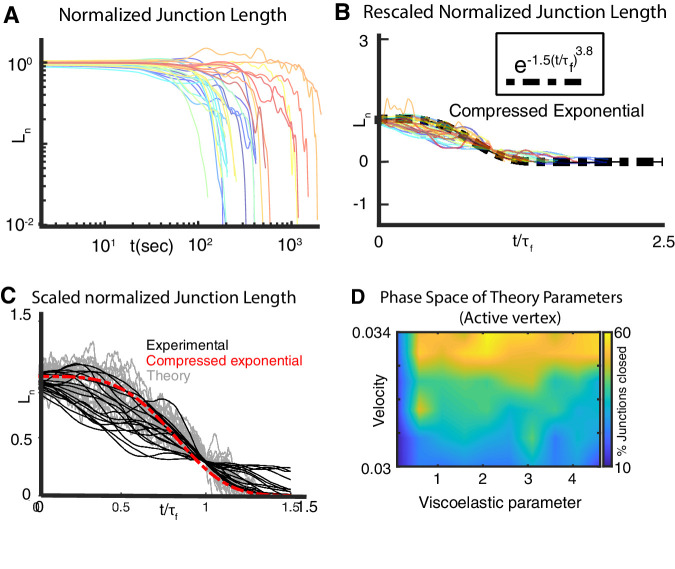
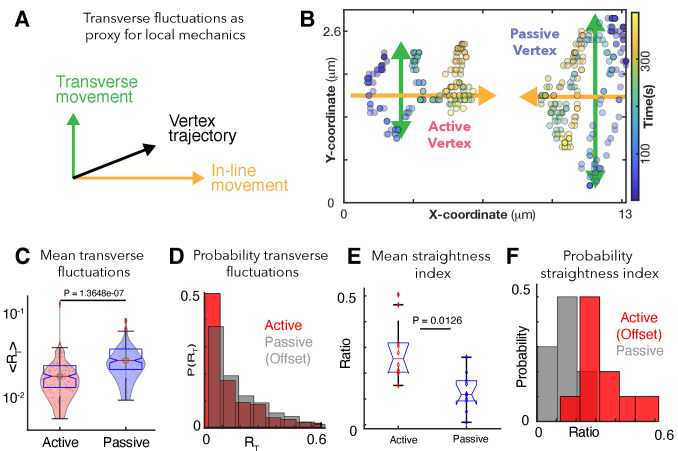
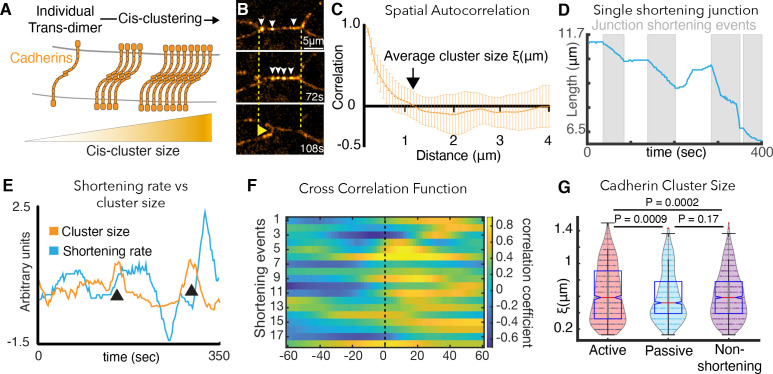
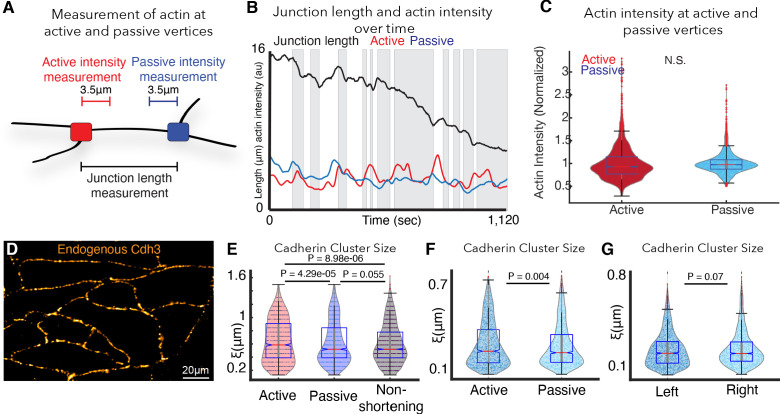
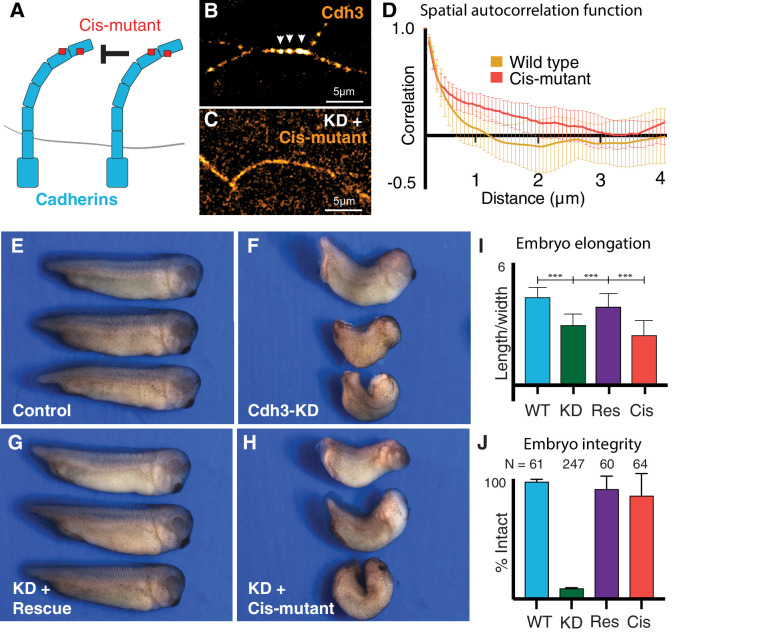
Morphogenesis is governed by the interplay of molecular signals and mechanical forces across multiple length scales. The last decade has seen tremendous advances in our understanding of the dynamics of protein localization and turnover at subcellular length scales, and at the other end of the spectrum, of mechanics at tissue-level length scales. Integrating the two remains a challenge, however, because we lack a detailed understanding of the subcellular patterns of mechanical properties of cells within tissues. Here, in the context of the elongating body axis of embryos, we combine tools from cell biology and physics to demonstrate that individual cell-cell junctions display finely-patterned local mechanical heterogeneity along their length. We show that such local mechanical patterning is essential for the cell movements of convergent extension and is imparted by locally patterned clustering of a classical cadherin. Finally, the patterning of cadherins and thus local mechanics along cell-cell junctions are controlled by Planar Cell Polarity signaling, a key genetic module for CE that is mutated in diverse human birth defects.
形态发生是由分子信号和机械力在多个长度尺度上的相互作用所控制的。在过去的十年中,我们对亚细胞长度尺度上蛋白质定位和周转的动力学以及在组织长度尺度上力学的动态有了巨大的理解。然而,将这两者整合在一起仍然是一个挑战,因为我们缺乏对组织内细胞的亚细胞机械特性的详细了解。在这里,我们结合细胞生物学和物理学的工具,在胚胎伸长的体轴的背景下,证明了单个细胞-细胞连接处沿着其长度呈现出精细图案化的局部力学异质性。我们表明,这种局部力学模式对于收敛延伸的细胞运动是必不可少的,并且是由经典钙粘蛋白的局部图案化聚类赋予的。最后,细胞-细胞连接处钙粘蛋白的模式化以及局部力学是由平面细胞极性信号控制的,这是 CE 的一个关键遗传模块,在多种人类出生缺陷中发生突变。