Laboratory of Biochemistry, Faculty of Biotechnology, University of Wrocław, Wrocław, Poland.
PLoS One. 2021 May 25;16(5):e0251805. doi: 10.1371/journal.pone.0251805. eCollection 2021.
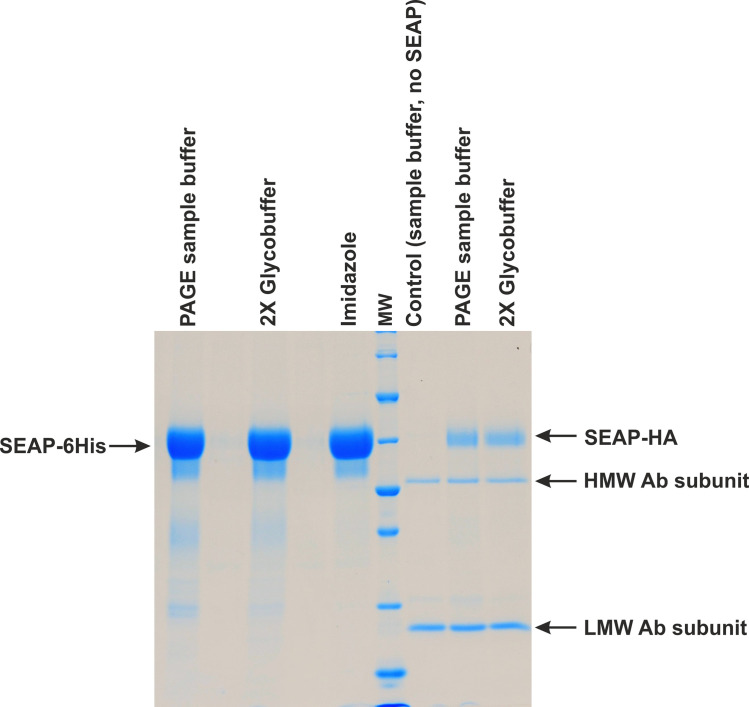
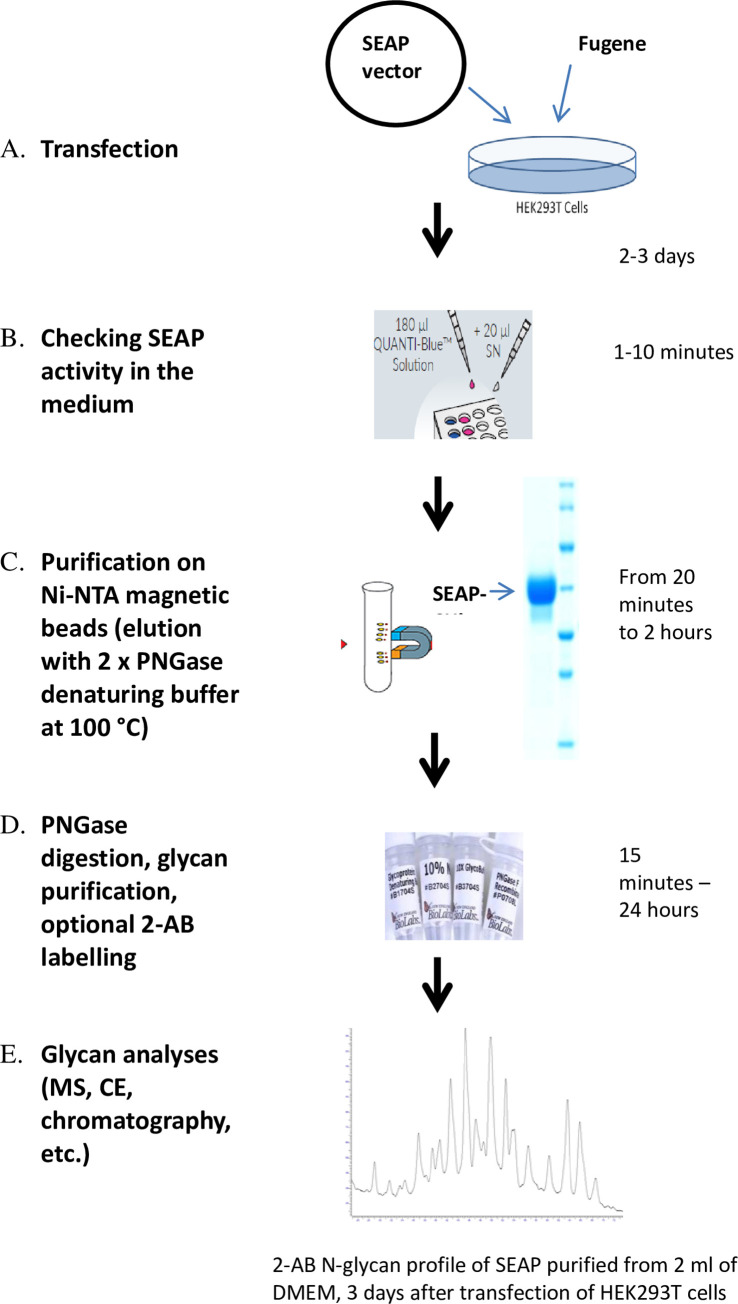
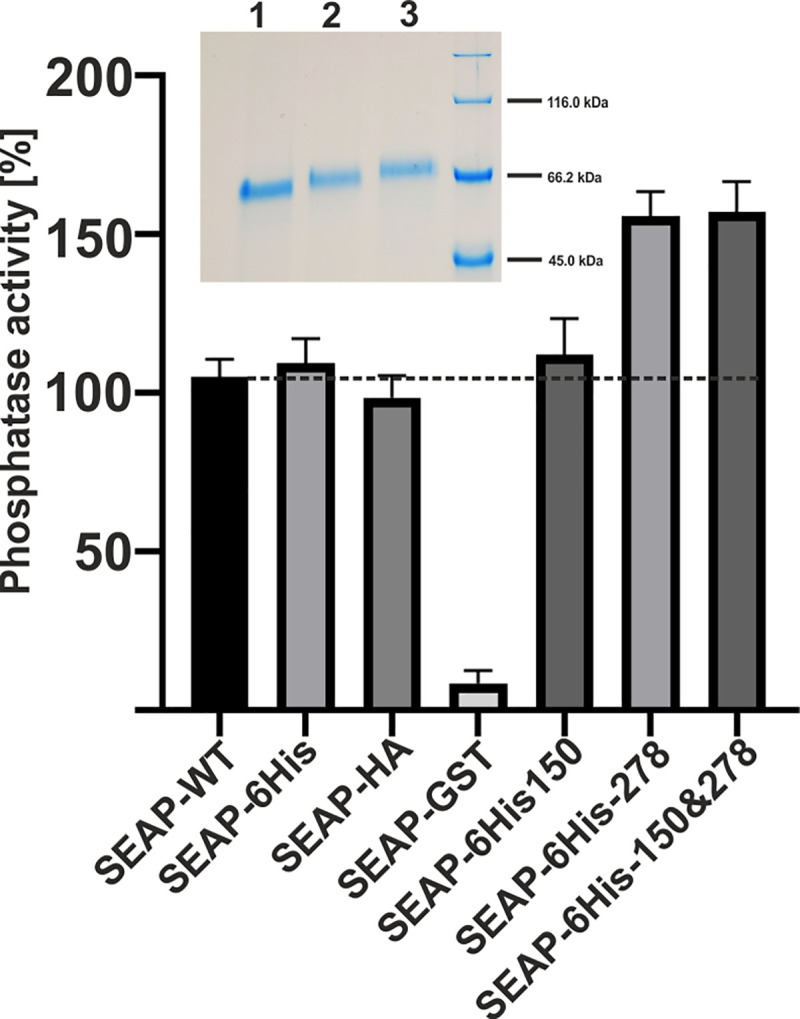
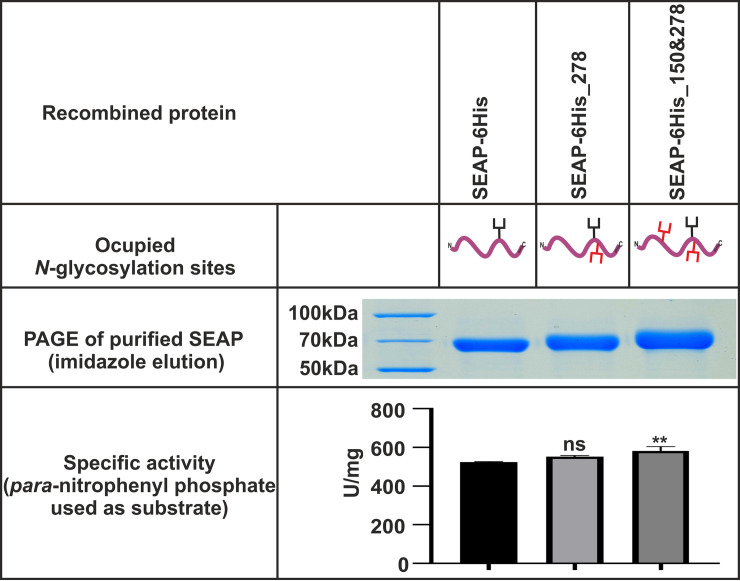
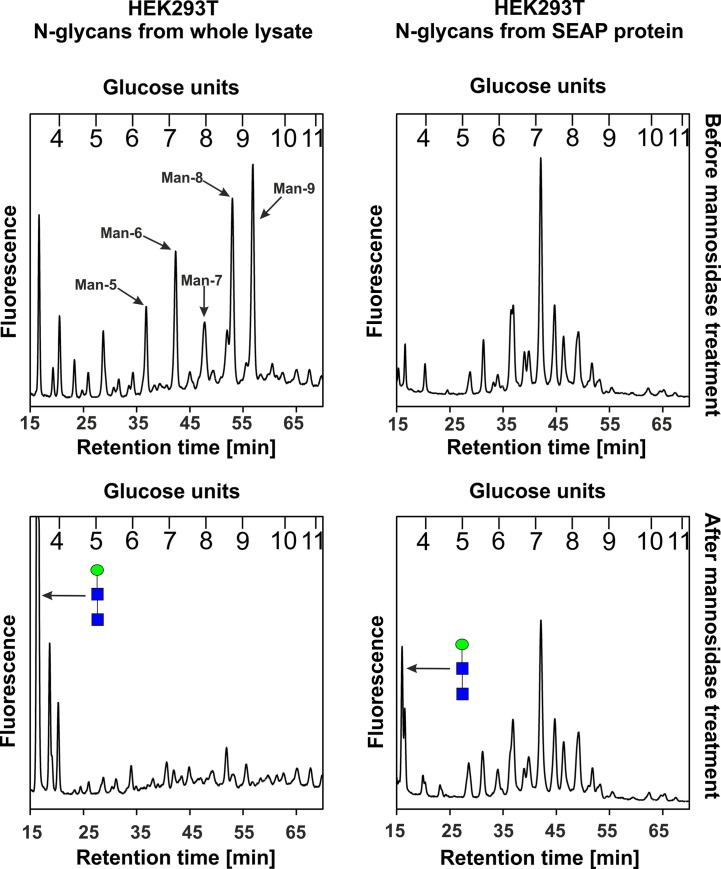
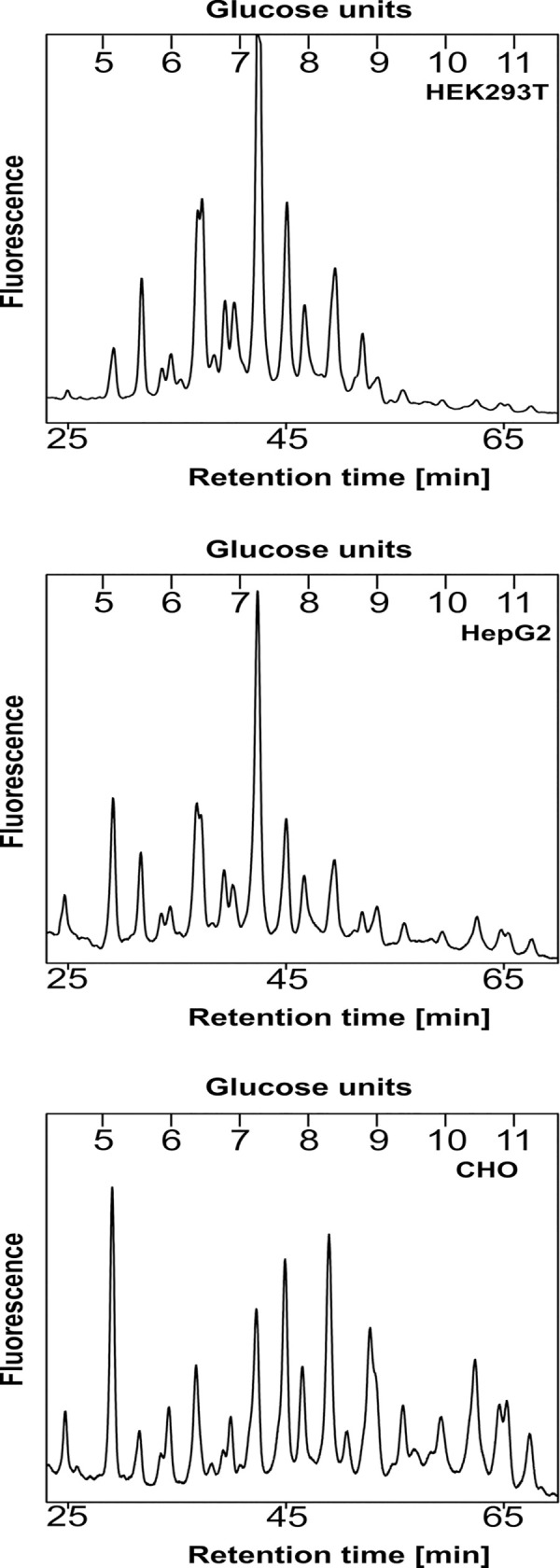
N-glycosylation is a common posttranslational modification of proteins in eukaryotic cells. The modification is often analyzed in cells which are able to produce extracellular, glycosylated proteins. Here we report an improved method of the use of genetically modified, secreted alkaline phosphatase (SEAP) as a reporter glycoprotein which may be used for glycoanalysis. Additional N-glycosylation sites introduced by site-directed mutagenesis significantly increased secretion of the protein. An improved purification protocol of recombinant SEAP from serum or serum-free media is also proposed. The method enables fast and efficient separation of reporter glycoprotein from a relatively small amount of medium (0.5-10 ml) with a high recovery level. As a result, purified SEAP was ready for enzymatic de-glycosylation without buffer exchange, sample volume reductions or other procedures, which are usually time-consuming and may cause partial loss of the reporter glycoprotein.
N-糖基化是真核细胞中蛋白质的一种常见翻译后修饰。这种修饰通常在能够产生细胞外糖基化蛋白质的细胞中进行分析。在这里,我们报告了一种改良的方法,使用遗传修饰的分泌型碱性磷酸酶(SEAP)作为报告糖蛋白,可用于糖分析。通过定点突变引入额外的 N-糖基化位点可显著增加蛋白质的分泌。还提出了一种从血清或无血清培养基中改良的重组 SEAP 的纯化方案。该方法能够快速有效地从相对较小量的培养基(0.5-10ml)中分离报告糖蛋白,回收率高。结果,纯化的 SEAP 无需缓冲液交换、样品体积减少或其他通常耗时且可能导致部分报告糖蛋白损失的步骤即可进行酶去糖基化。