Instituto de Medicina Molecular, Faculdade de Medicina, Universidade de Lisboa, 1649-028 Lisbon, Portugal.
Avans University of Applied Sciences, 5223 DE Breda, Netherlands.
Bioconjug Chem. 2021 Jun 16;32(6):1067-1077. doi: 10.1021/acs.bioconjchem.1c00123. Epub 2021 May 25.
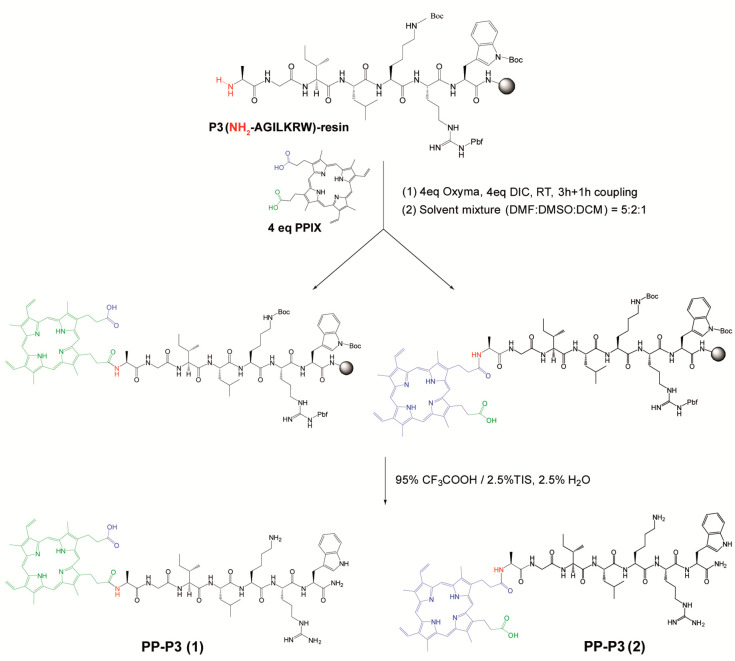
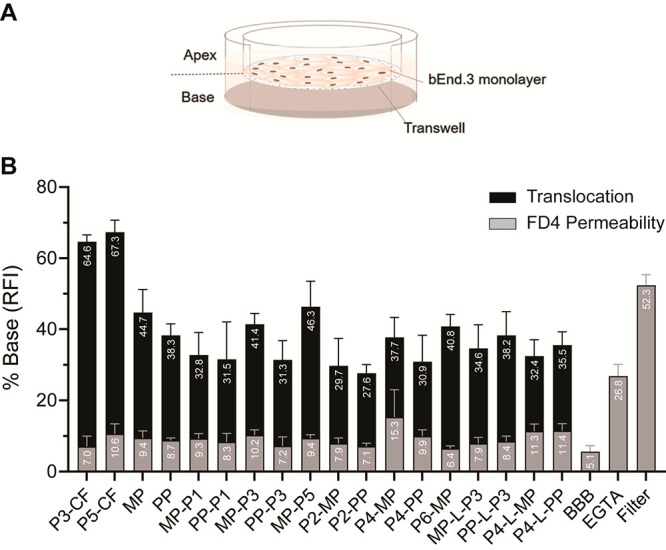
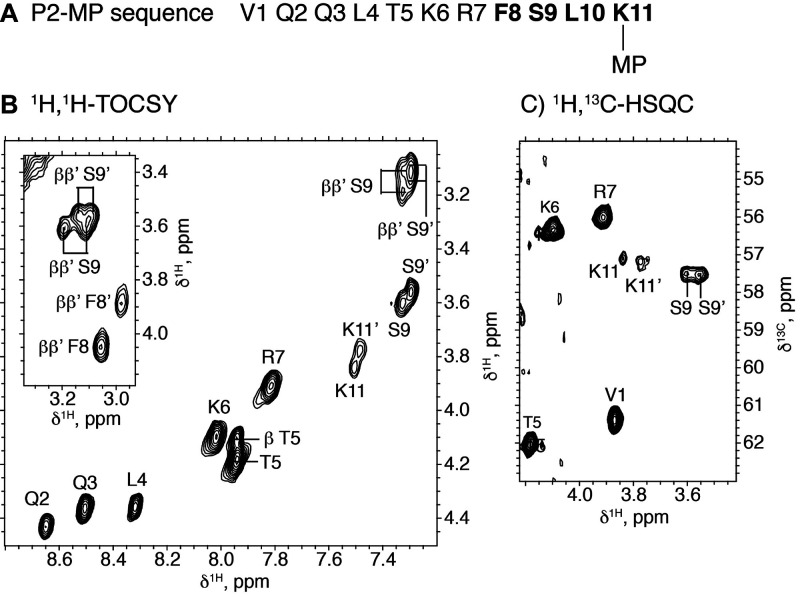
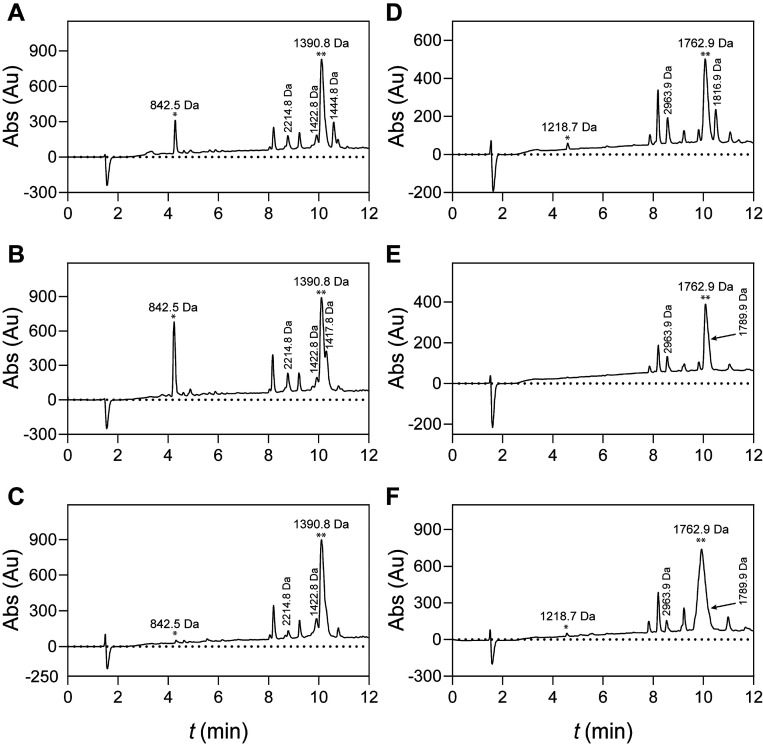
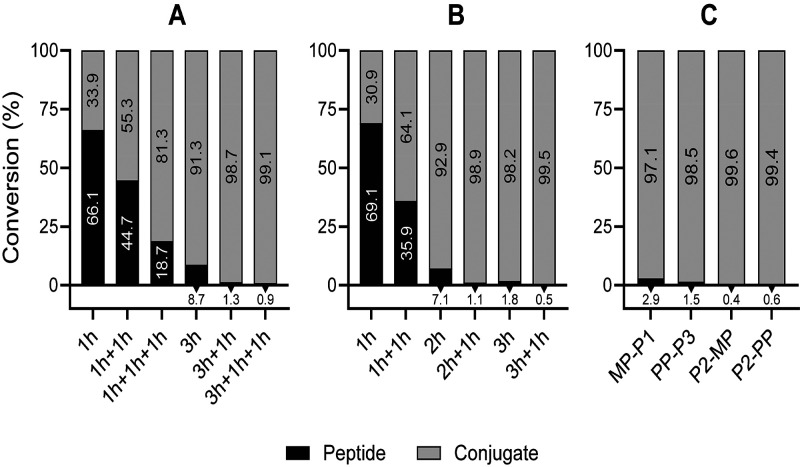
Passing through the blood-brain barrier (BBB) to treat neurological conditions is one of the main hurdles in modern medicine. Many drugs with promising in vitro profiles become ineffective in vivo due to BBB restrictive permeability. In particular, this includes drugs such as antiviral porphyrins, with the ability to fight brain-resident viruses causing diseases such as HIV-associated neurocognitive disorders (HAND). In the last two decades, BBB shuttles, particularly peptide-based ones, have shown promise in carrying various payloads across the BBB. Thus, peptide-drug conjugates (PDCs) formed by covalent attachment of a BBB peptide shuttle and an antiviral drug may become key therapeutic tools in treating neurological disorders of viral origin. In this study, we have used various approaches (guanidinium, phosphonium, and carbodiimide-based couplings) for on-resin synthesis of new peptide-porphyrin conjugates (PPCs) with BBB-crossing and potential antiviral activity. After careful fine-tuning of the synthetic chemistry, DIC/oxyma has emerged as a preferred method, by which 14 different PPCs have been made and satisfactorily characterized. The PPCs are prepared by coupling a porphyrin carboxyl group to an amino group (either -terminal or a Lys side chain) of the peptide shuttle and show effective in vitro BBB translocation ability, low cytotoxicity toward mouse brain endothelial cells, and low hemolytic activity. Three of the PPCs, MP-P5, P4-MP, and P4-L-MP, effectively inhibiting HIV infectivity in vitro, stand out as most promising. Their efficacy against other brain-targeting viruses (Dengue, Zika, and SARS-CoV-2) is currently under evaluation, with preliminary results confirming that PPCs are a promising strategy to treat viral brain infections.
穿越血脑屏障(BBB)来治疗神经疾病是现代医学的主要障碍之一。许多在体外具有良好特性的药物由于 BBB 的限制通透性而在体内失效。特别是,这包括抗病毒卟啉等药物,它们具有抵抗引起 HIV 相关神经认知障碍(HAND)等疾病的脑内病毒的能力。在过去的二十年中,BBB 穿梭物,特别是基于肽的穿梭物,在携带各种有效载荷穿过 BBB 方面显示出了潜力。因此,通过共价连接 BBB 肽穿梭物和抗病毒药物形成的肽-药物偶联物(PDC)可能成为治疗病毒源性神经疾病的关键治疗工具。在这项研究中,我们使用了各种方法(胍基、磷鎓和碳二亚胺基偶联)在树脂上合成具有 BBB 穿越和潜在抗病毒活性的新型肽-卟啉偶联物(PPC)。在对合成化学进行仔细微调后,DIC/oxyma 已成为首选方法,通过该方法已制备了 14 种不同的 PPC 并进行了令人满意的表征。PPC 通过将卟啉羧基与肽穿梭物的氨基(-末端或赖氨酸侧链)偶联而制备,并表现出有效的体外 BBB 转位能力、对小鼠脑内皮细胞的低细胞毒性和低溶血活性。其中三种 PPC(MP-P5、P4-MP 和 P4-L-MP)在体外有效抑制 HIV 感染,表现出最有前途的特性。它们对其他靶向大脑的病毒(登革热、寨卡病毒和 SARS-CoV-2)的疗效正在评估中,初步结果证实 PPC 是治疗病毒性脑感染的一种有前途的策略。