Howard Hughes Medical Institute, Department and School of Medicine, University of California San Diego, La Jolla, CA, USA.
Department of Biochemistry and Molecular Biology, McGovern Medical School, University of Texas Health Science Center, Houston, TX, USA.
Nature. 2021 Jul;595(7869):735-740. doi: 10.1038/s41586-021-03577-1. Epub 2021 May 26.
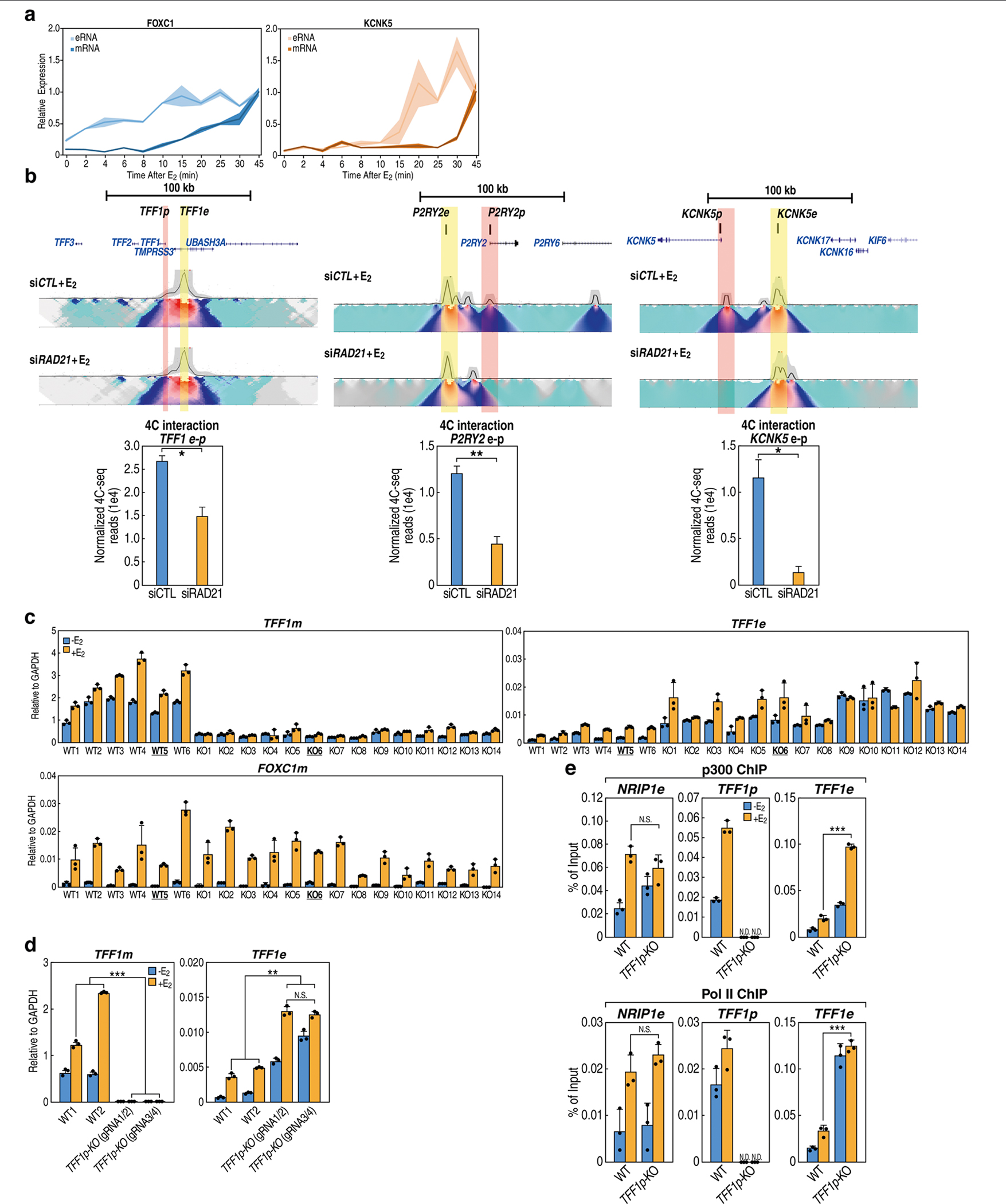
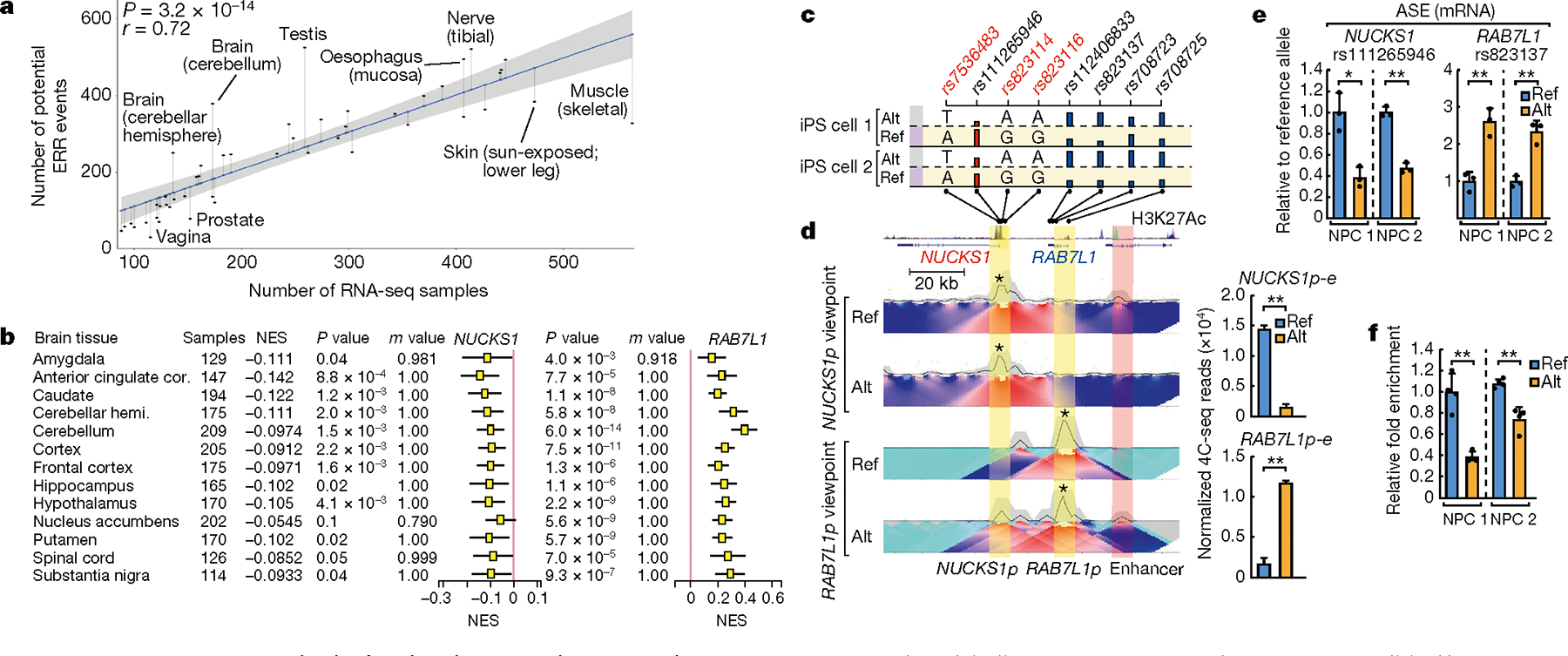
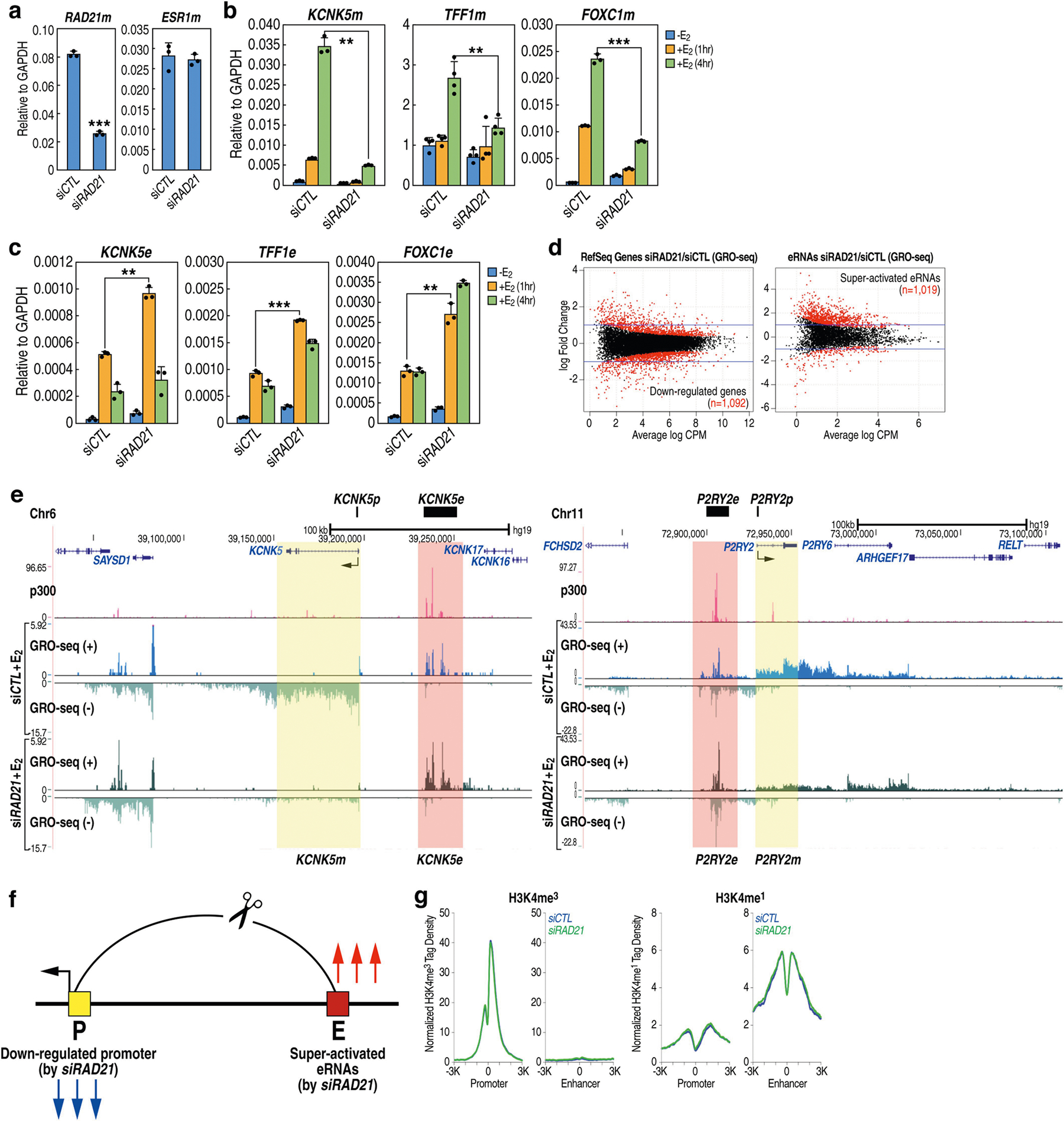
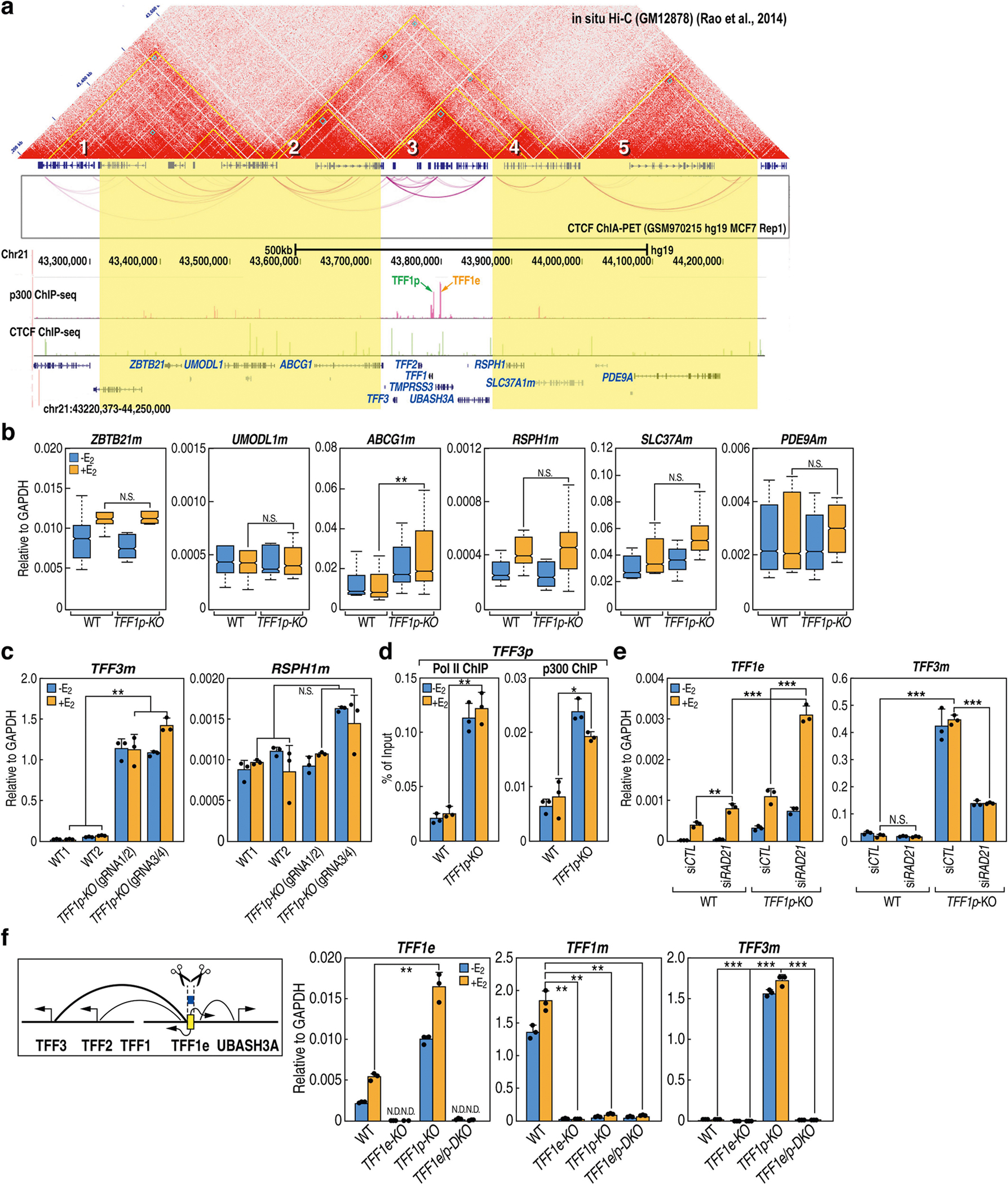
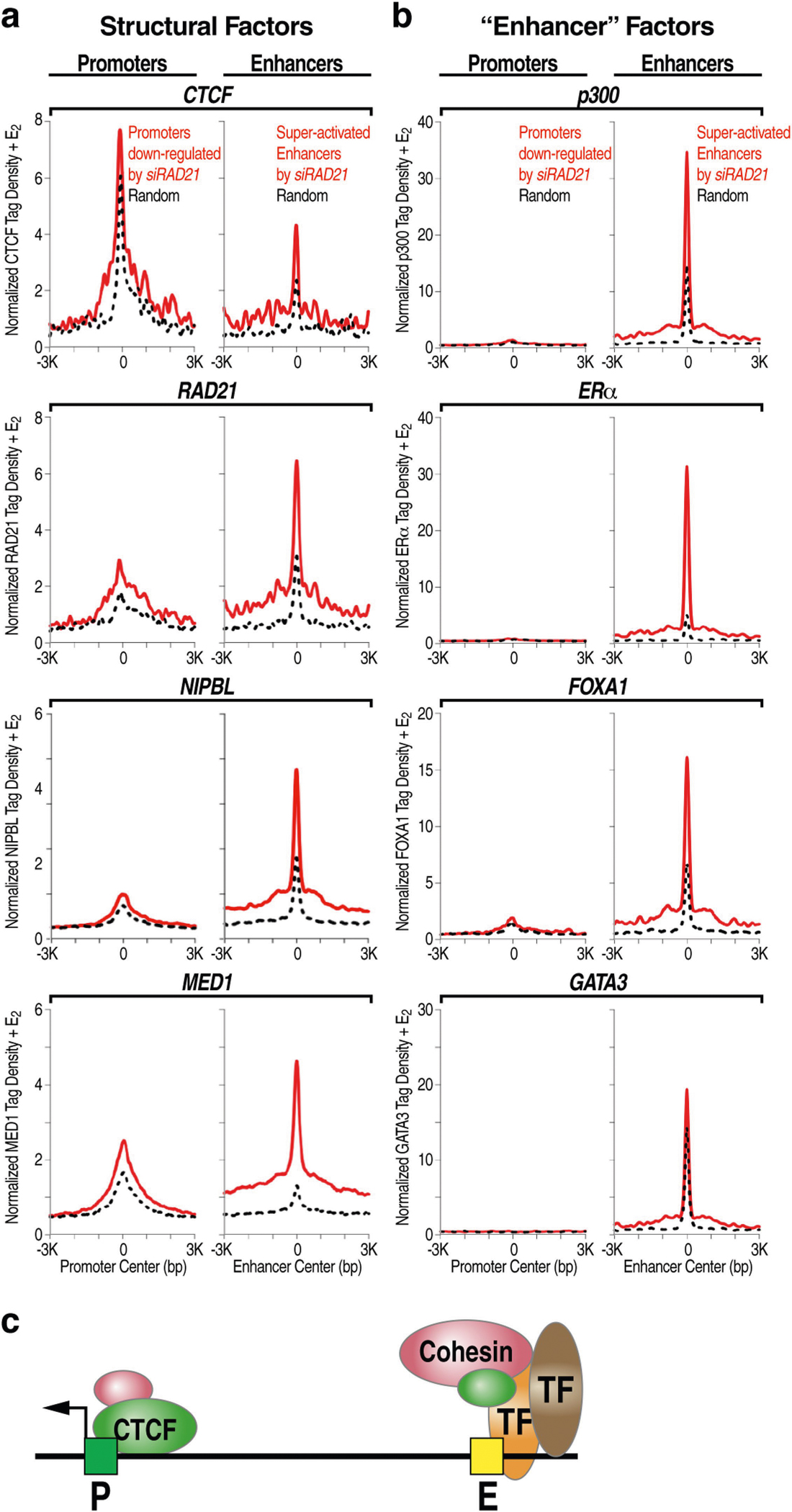
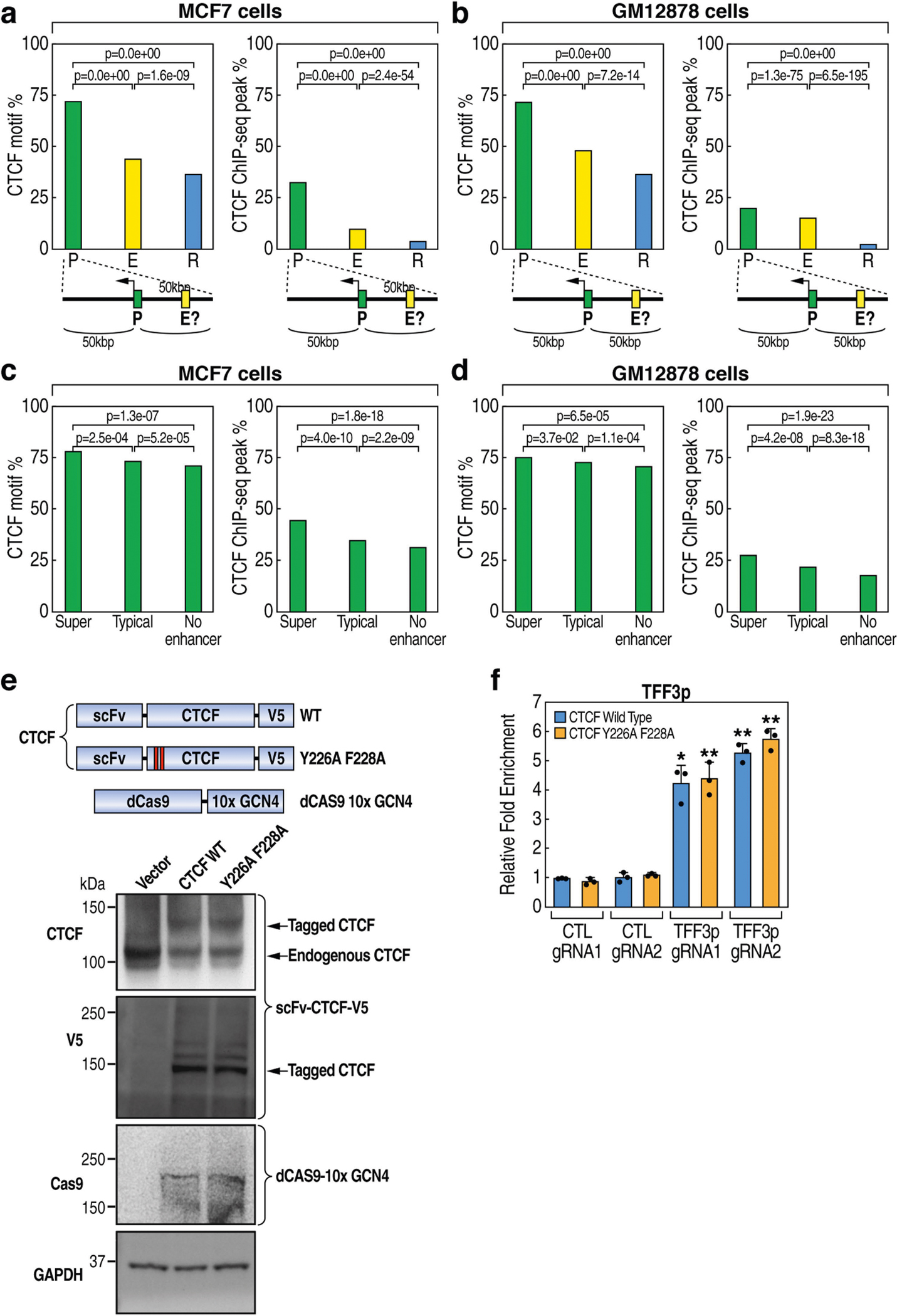
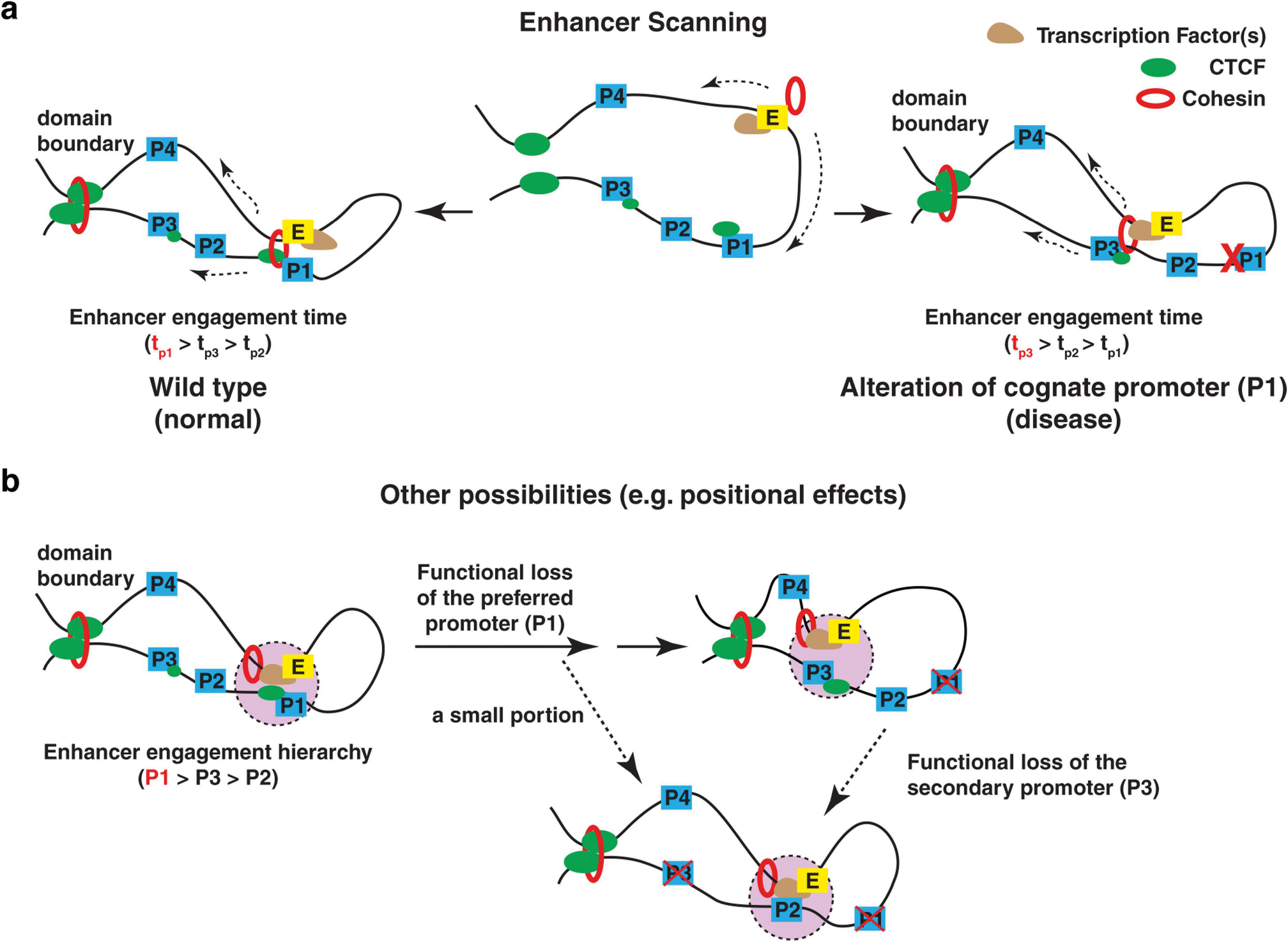
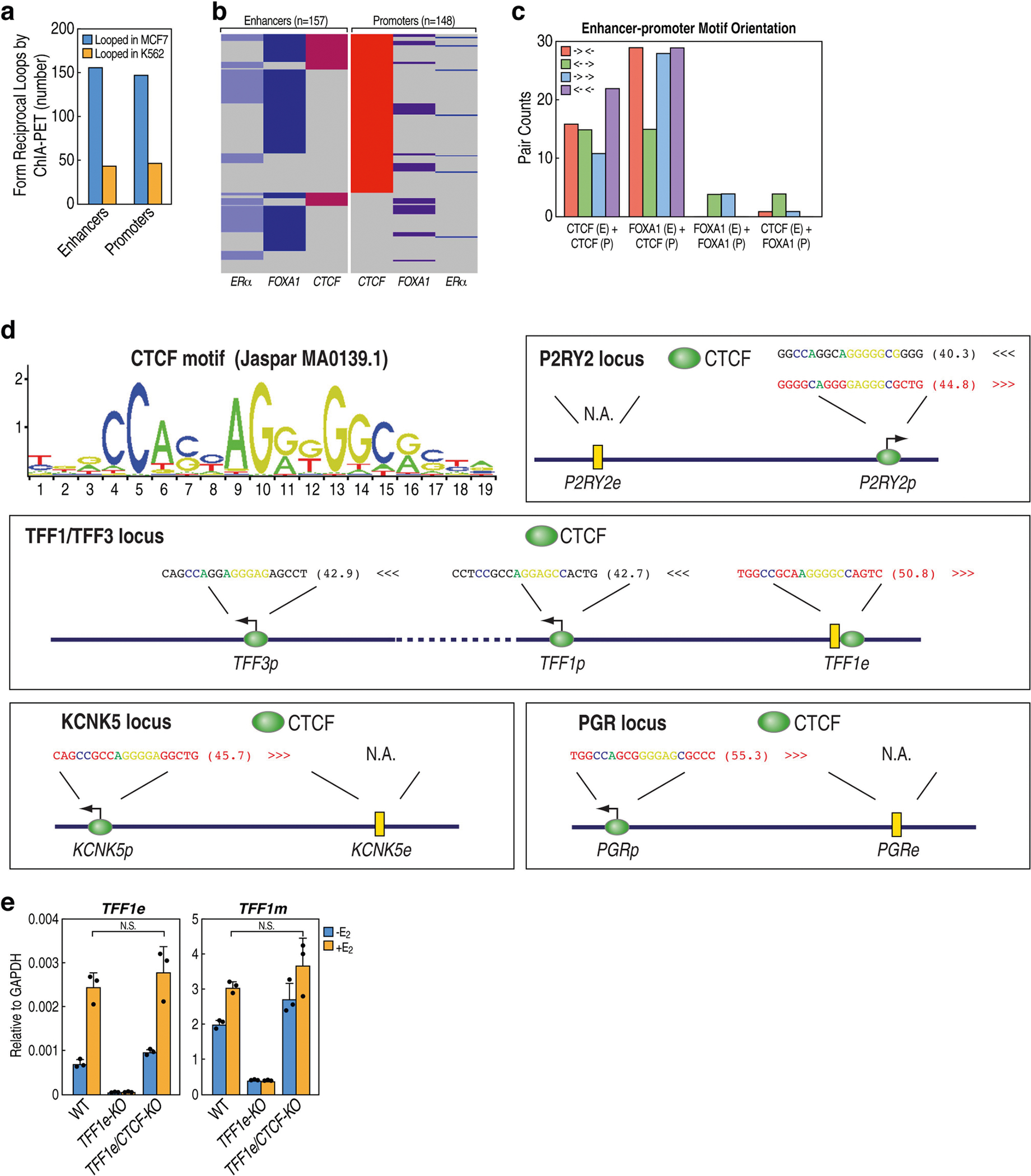
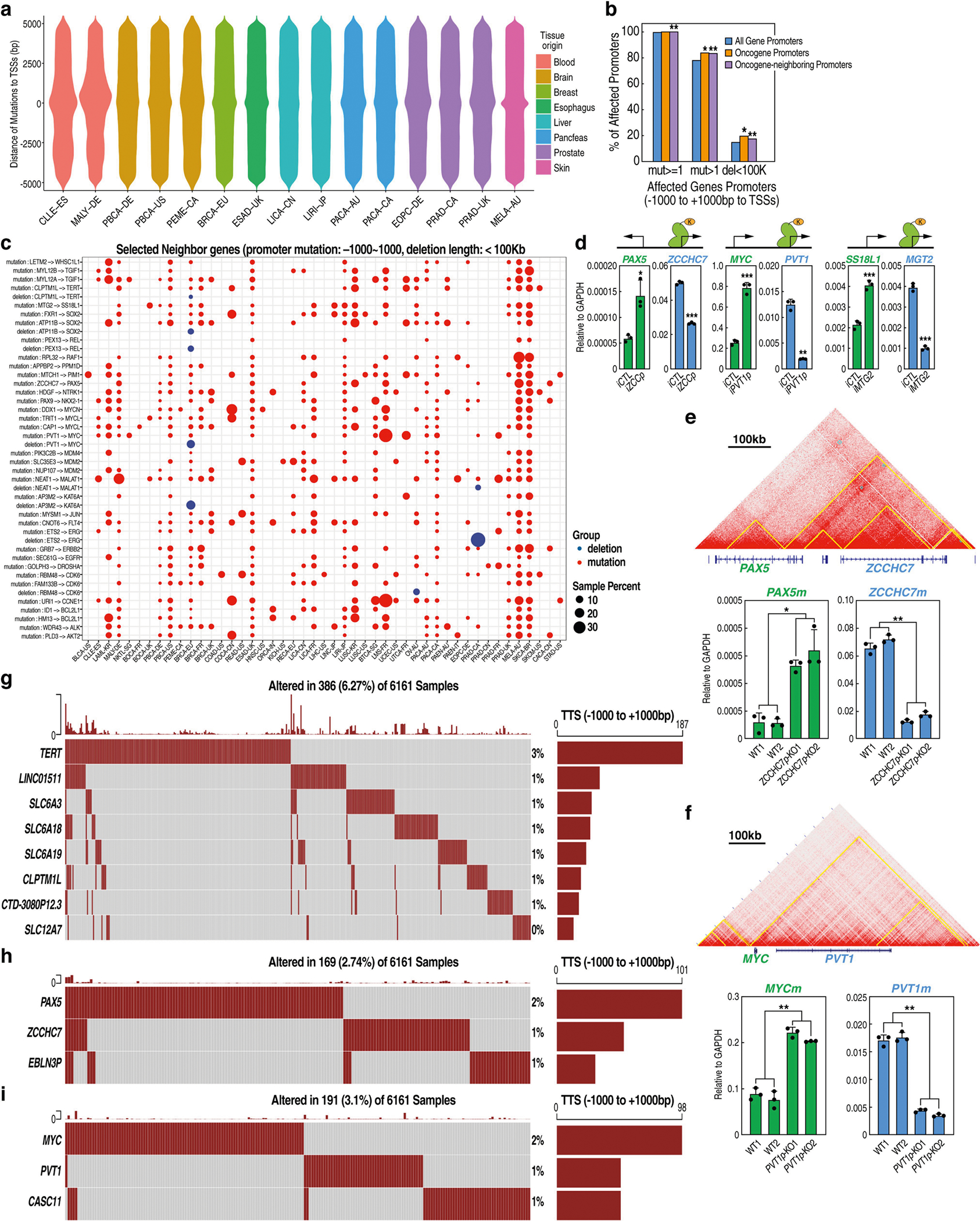
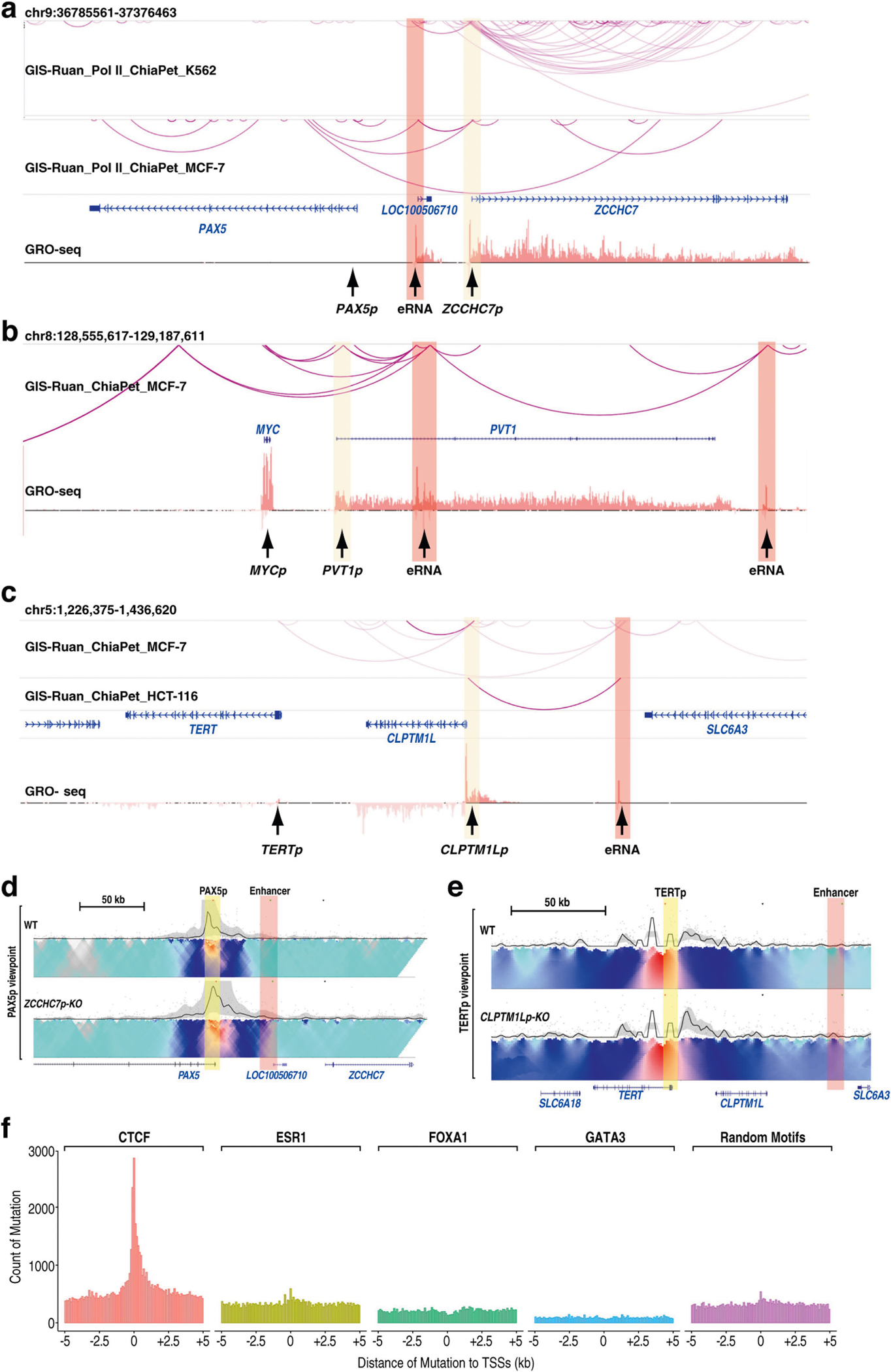
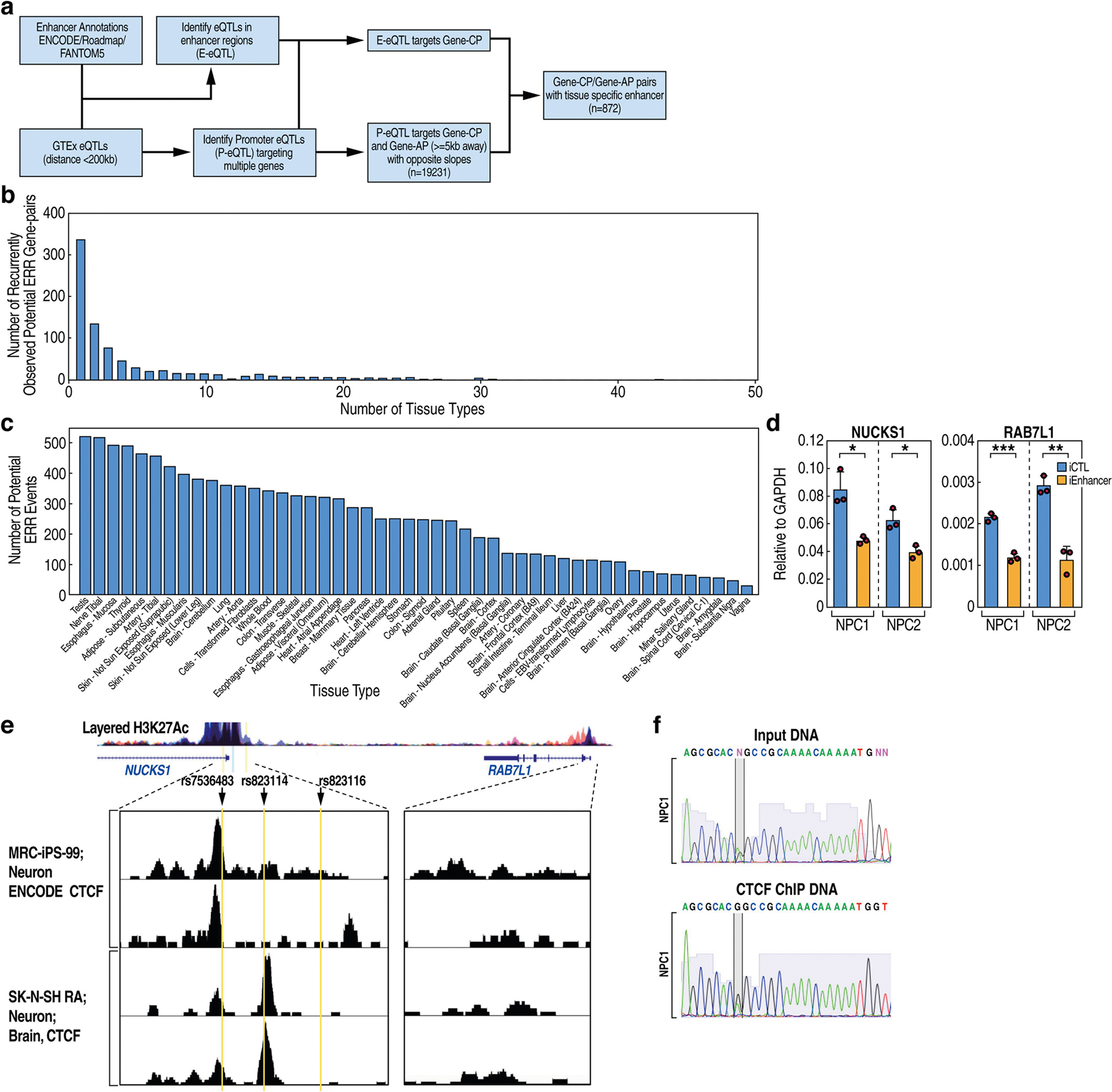
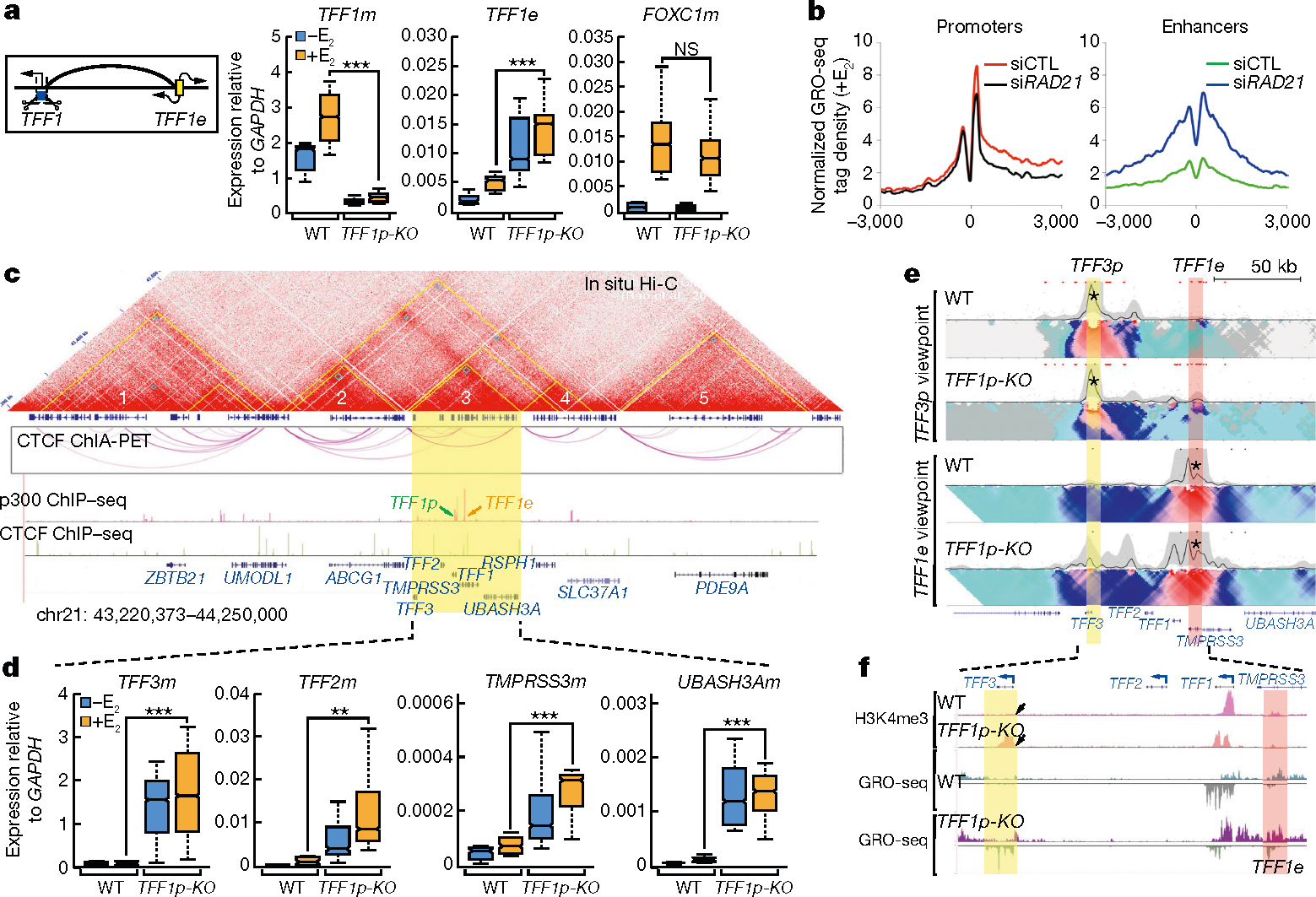
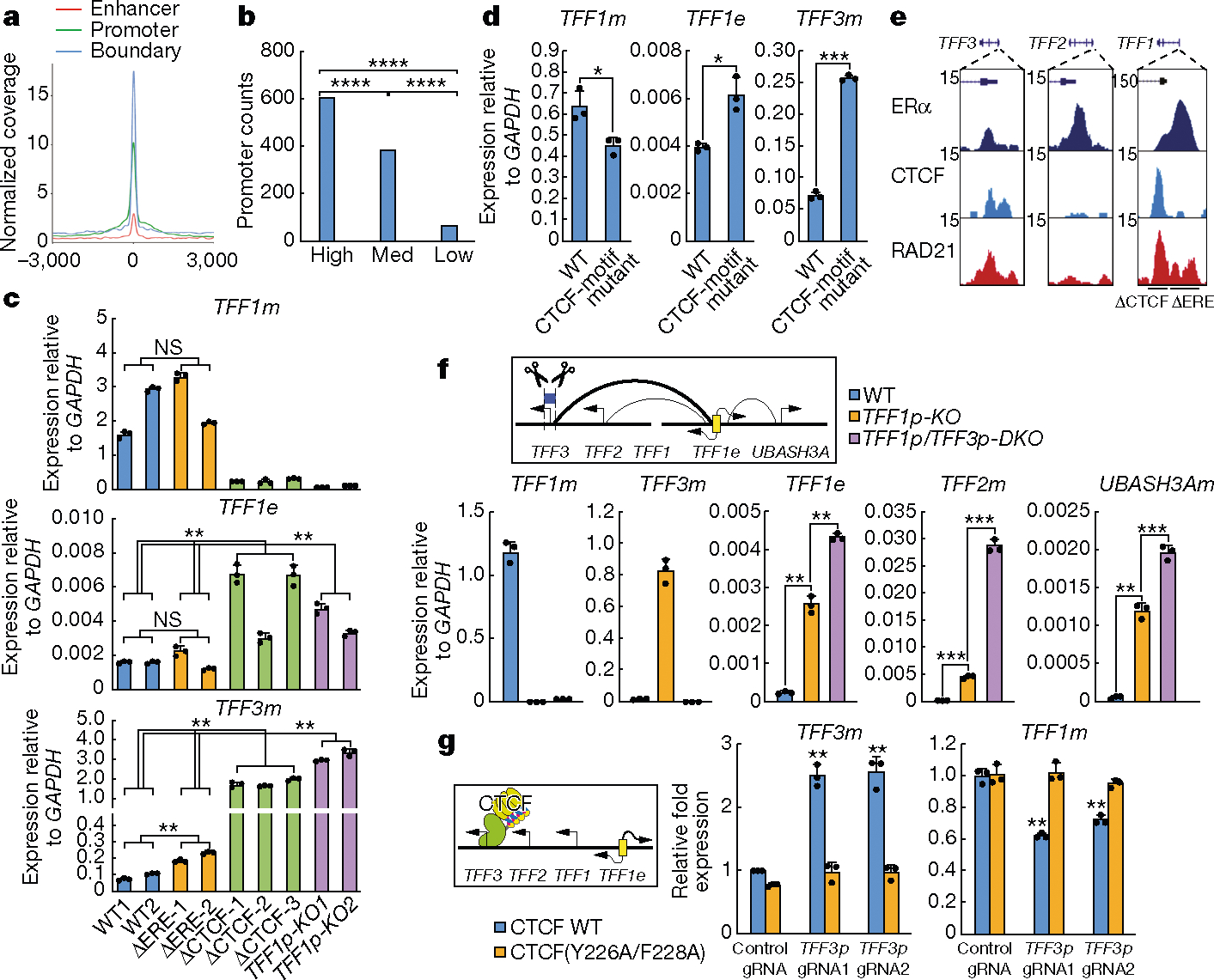
The functional engagement between an enhancer and its target promoter ensures precise gene transcription. Understanding the basis of promoter choice by enhancers has important implications for health and disease. Here we report that functional loss of a preferred promoter can release its partner enhancer to loop to and activate an alternative promoter (or alternative promoters) in the neighbourhood. We refer to this target-switching process as 'enhancer release and retargeting'. Genetic deletion, motif perturbation or mutation, and dCas9-mediated CTCF tethering reveal that promoter choice by an enhancer can be determined by the binding of CTCF at promoters, in a cohesin-dependent manner-consistent with a model of 'enhancer scanning' inside the contact domain. Promoter-associated CTCF shows a lower affinity than that at chromatin domain boundaries and often lacks a preferred motif orientation or a partnering CTCF at the cognate enhancer, suggesting properties distinct from boundary CTCF. Analyses of cancer mutations, data from the GTEx project and risk loci from genome-wide association studies, together with a focused CRISPR interference screen, reveal that enhancer release and retargeting represents an overlooked mechanism that underlies the activation of disease-susceptibility genes, as exemplified by a risk locus for Parkinson's disease (NUCKS1-RAB7L1) and three loci associated with cancer (CLPTM1L-TERT, ZCCHC7-PAX5 and PVT1-MYC).
增强子与其靶启动子之间的功能相互作用确保了基因转录的精确性。了解增强子选择启动子的基础对健康和疾病具有重要意义。在这里,我们报告说,功能丧失的首选启动子可以释放其伴侣增强子,使其能够在附近环化并激活替代启动子(或替代启动子)。我们将这个靶标转换过程称为“增强子释放和重新靶向”。遗传缺失、基序扰动或突变以及 dCas9 介导的 CTCF 固定揭示了增强子对启动子的选择可以通过 CTCF 在启动子上的结合来决定,这是一种依赖于黏着蛋白的方式,与“增强子扫描”模型一致。启动子相关的 CTCF 与染色质域边界处的亲和力较低,并且通常缺乏在同源增强子上的首选基序取向或与之配对的 CTCF,这表明其性质与边界 CTCF 不同。对癌症突变的分析、GTEx 项目的数据以及全基因组关联研究中的风险位点,以及有针对性的 CRISPR 干扰筛选,揭示了增强子释放和重新靶向是一种被忽视的机制,它是疾病易感性基因激活的基础,例如帕金森病风险基因座(NUCKS1-RAB7L1)和三个与癌症相关的基因座(CLPTM1L-TERT、ZCCHC7-PAX5 和 PVT1-MYC)。