Welles Thomas S, Ahn Jeongmin
Department of Mechanical and Aerospace Engineering, Syracuse University, Syracuse, NY 13244-1240, USA.
Heliyon. 2021 May 20;7(5):e07023. doi: 10.1016/j.heliyon.2021.e07023. eCollection 2021 May.
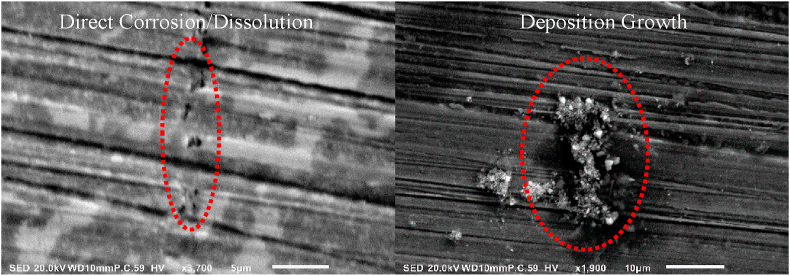
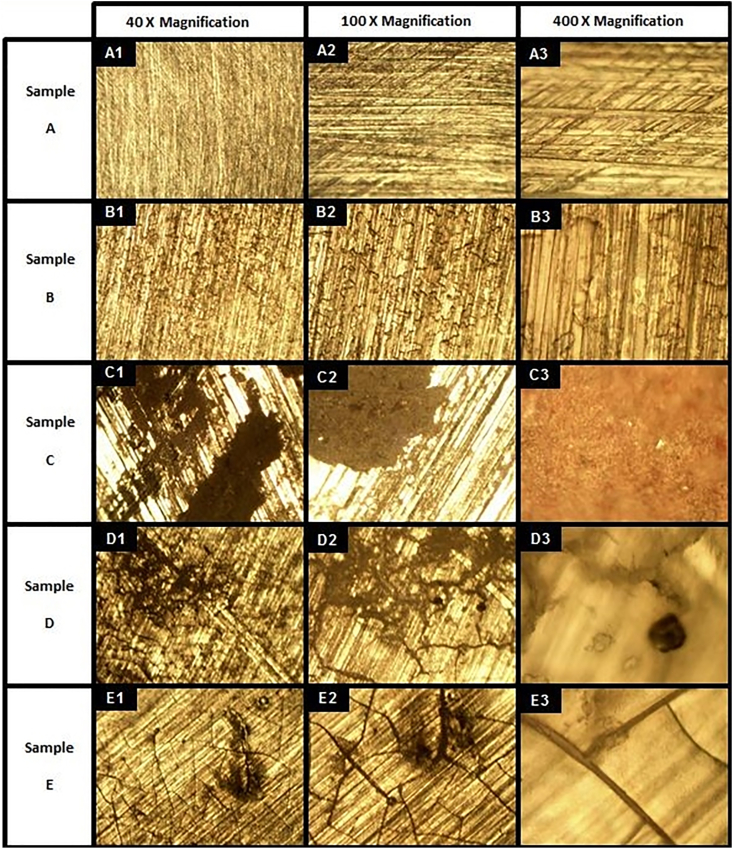
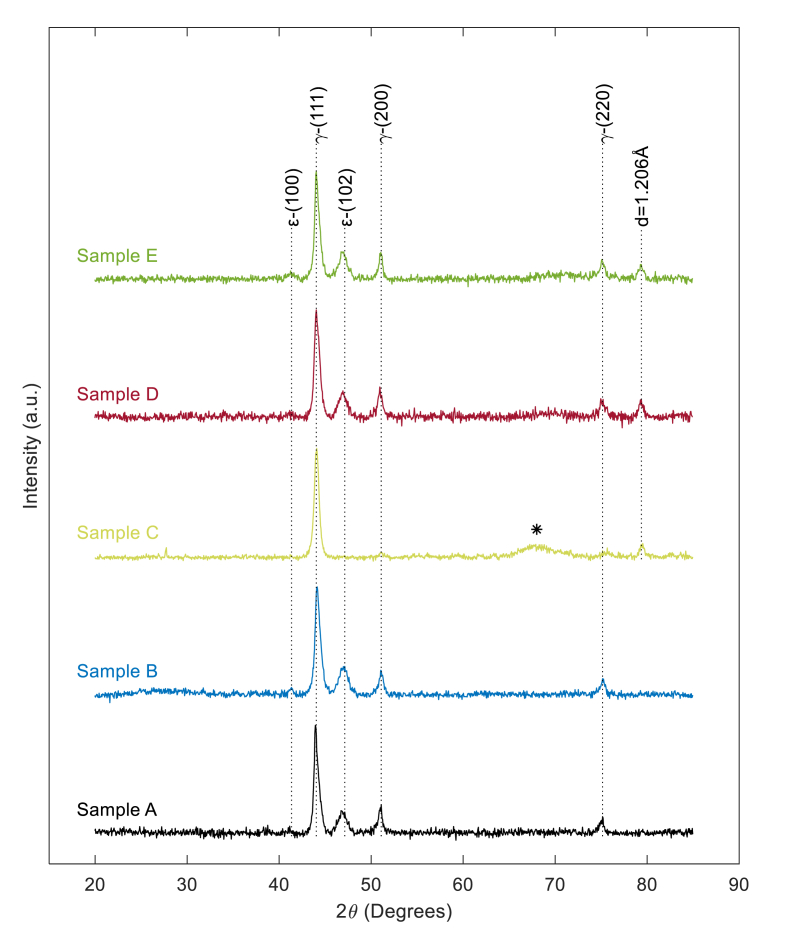
Although total hip arthroplasty (THA) is considered to be the most successful orthopedic operation in restoring mobility and relieving pain, common Metal-on-Metal (MoM) implants developed in the past decade suffer from severe inflammatory reactions of the surrounding tissue caused by the premature corrosion and degradation of the implant. A substantial amount of research has been dedicated to the investigation of mechanically driven fretting and crevice corrosion as the primary mechanism of implant failure. However, the exact mechanism by which hip implant breakdown occurs remains unknown, as current fretting and crevice corrosion studies have failed to completely replicate the corrosion characteristics of recovered implants. Here, we show that minor electric potential oscillations on a model hip implant replicate the corrosion of failed implants without the introduction of mechanical wear. We found in a controlled lab setting that small electrical oscillations, of similar frequency and magnitude as those resulting from ambient electromagnetic waves interacting with the metal of the implant, can force electrochemical reactions within a simulated synovial fluid environment that have not been previously predicted. In lab testing we have shown the replication of titanium, phosphorous, and oxygen deposition onto the surface of ASTM astm:F75 CoCrMo metal alloy test specimens, matching the chemical composition of previously retrieved wear particles from failed patient prosthetics. Our results demonstrate that the electrical activity and ensuing electrochemical activity excites two corrosion failure modes: direct dissolution of the medically implantable alloy, leaching metal ions into the body, and surface deposition growth, forming the precursor of secondary wear particles. We anticipate our findings to be the foundation for the future development and testing of electrochemically resistant implantable material.
尽管全髋关节置换术(THA)被认为是恢复 mobility 和缓解疼痛方面最成功的骨科手术,但过去十年中开发的常见金属对金属(MoM)植入物却因植入物过早腐蚀和降解而导致周围组织出现严重炎症反应。大量研究致力于将机械驱动的微动磨损和缝隙腐蚀作为植入物失效的主要机制进行调查。然而,髋关节植入物失效的确切机制仍然未知,因为目前的微动磨损和缝隙腐蚀研究未能完全复制回收植入物的腐蚀特性。在此,我们表明,在不引入机械磨损的情况下,模型髋关节植入物上的微小电位振荡可复制失效植入物的腐蚀情况。我们在受控实验室环境中发现,与环境电磁波与植入物金属相互作用产生的频率和幅度相似的小电振荡,可在模拟滑液环境中引发此前未被预测的电化学反应。在实验室测试中,我们已证明钛、磷和氧在 ASTM astm:F75 钴铬钼金属合金测试样本表面的沉积情况得以复制,与先前从失效患者假体中回收的磨损颗粒的化学成分相符。我们的结果表明,电活动及随之而来的电化学活动激发了两种腐蚀失效模式:医用可植入合金的直接溶解,将金属离子浸出到体内,以及表面沉积生长,形成二次磨损颗粒的前体。我们预计我们的发现将成为未来开发和测试抗电化学植入材料的基础。