Tavakoli Amirrasoul, Paul Debamita, Mu Hong, Kuchlyan Jagannath, Baral Saroj, Ansari Anjum, Broyde Suse, Min Jung-Hyun
Department of Chemistry and Biochemistry, Baylor University, Waco, TX 76706, USA.
Department of Biology, New York University, New York, NY 10003, USA.
RSC Chem Biol. 2021 Apr 1;2(2):523-536. doi: 10.1039/d0cb00192a. Epub 2021 Jan 6.
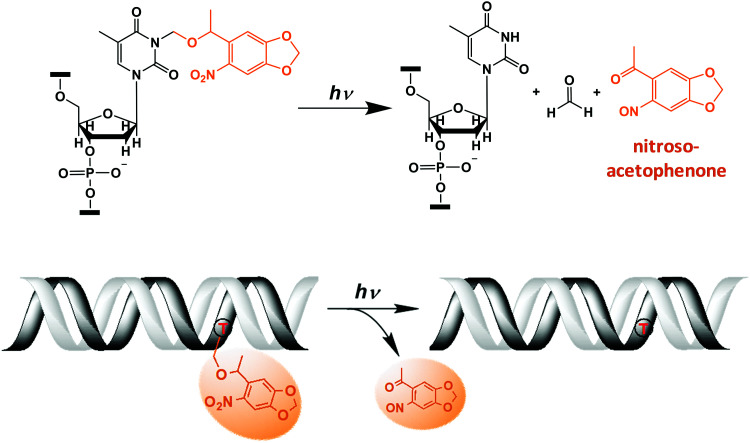
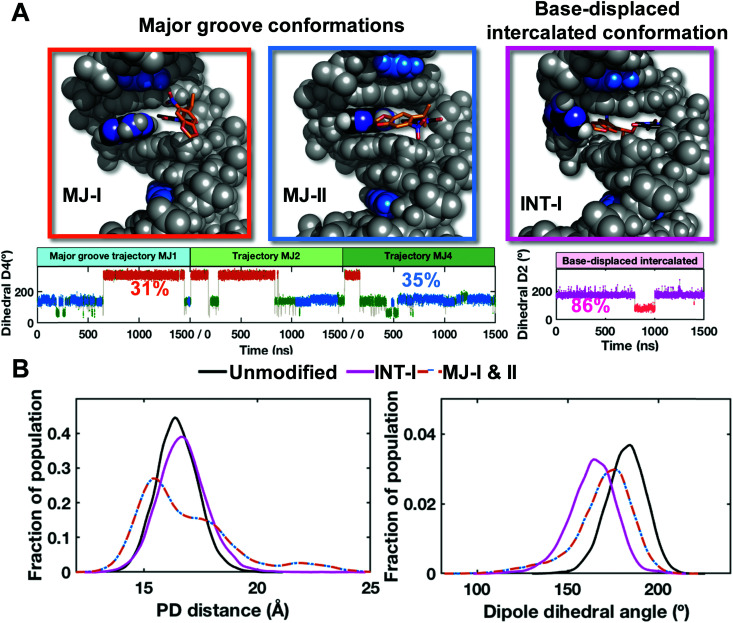
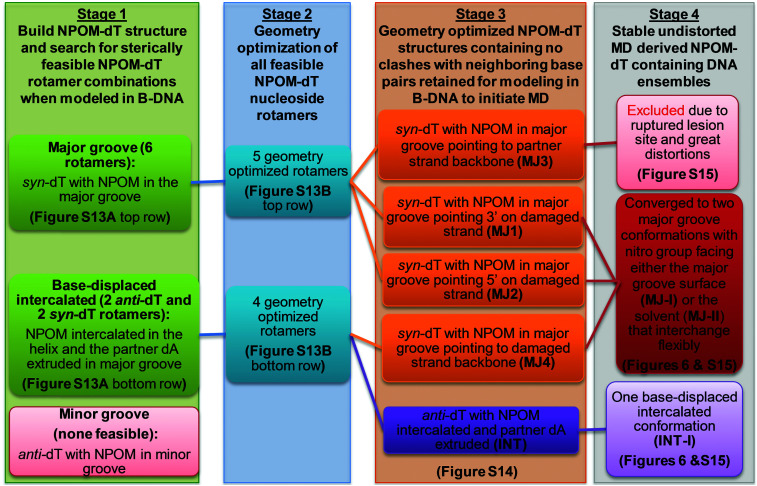
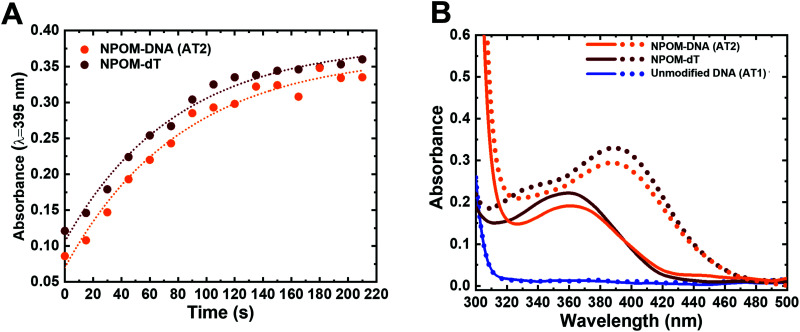
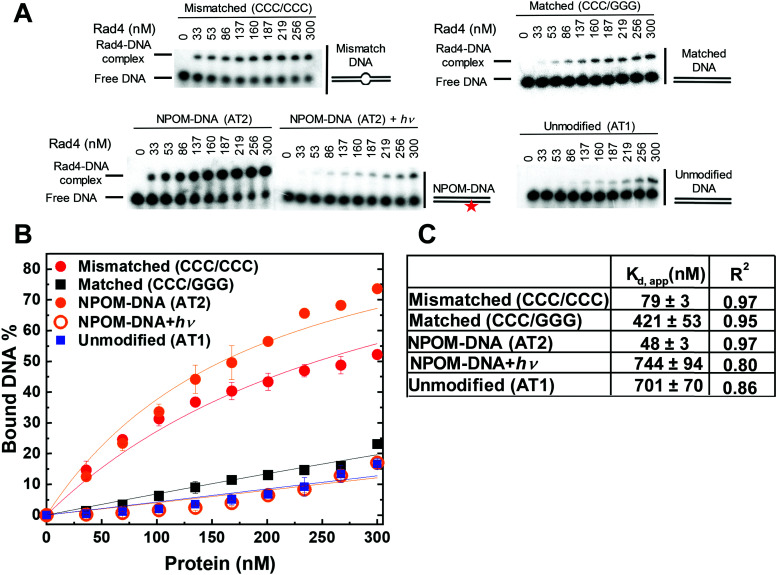
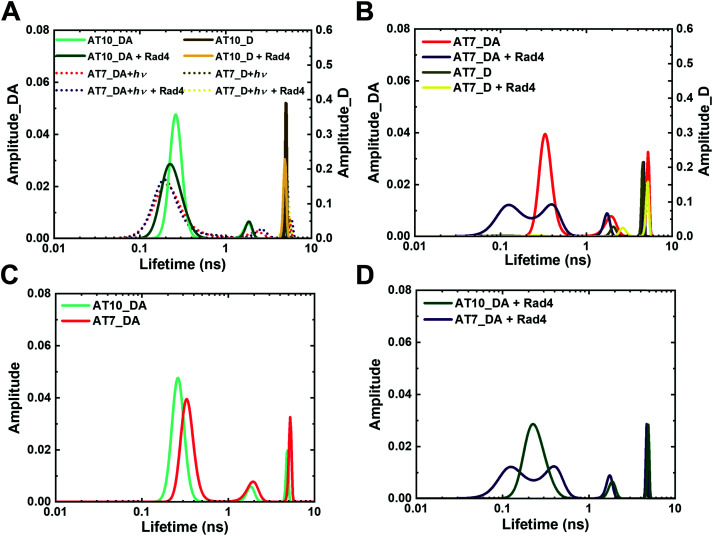
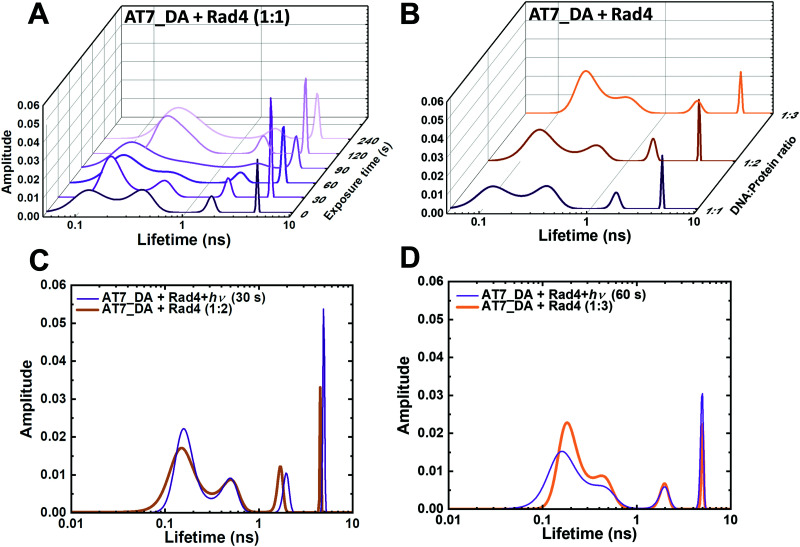
Biomolecular structural changes upon binding/unbinding are key to their functions. However, characterization of such dynamical processes is difficult as it requires ways to rapidly and specifically trigger the assembly/disassembly as well as ways to monitor the resulting changes over time. Recently, various chemical strategies have been developed to use light to trigger changes in oligonucleotide structures, and thereby their activities. Here we report that photocleavable DNA can be used to modulate the DNA binding of the Rad4/XPC DNA repair complex using light. Rad4/XPC specifically recognizes diverse helix-destabilizing/distorting lesions including bulky organic adduct lesions and functions as a key initiator for the eukaryotic nucleotide excision repair (NER) pathway. We show that the 6-nitropiperonyloxymethyl (NPOM)-modified DNA is recognized by the Rad4 protein as a specific substrate and that the specific binding can be abolished by light-induced cleavage of the NPOM group from DNA in a dose-dependent manner. Fluorescence lifetime-based analyses of the DNA conformations suggest that free NPOM-DNA retains B-DNA-like conformations despite its bulky NPOM adduct, but Rad4-binding causes it to be heterogeneously distorted. Subsequent extensive conformational searches and molecular dynamics simulations demonstrate that NPOM in DNA can be housed in the major groove of the DNA, with stacking interactions among the nucleotide pairs remaining largely unperturbed and thus retaining overall B-DNA conformation. Our work suggests that photoactivable DNA may be used as a DNA lesion surrogate to study DNA repair mechanisms such as nucleotide excision repair.
结合/解离时的生物分子结构变化是其功能的关键。然而,表征此类动态过程很困难,因为这需要快速且特异性地触发组装/解离的方法,以及随时间监测由此产生的变化的方法。最近,已开发出各种化学策略来利用光触发寡核苷酸结构的变化,从而改变其活性。在此,我们报告光可裂解DNA可用于通过光调节Rad4/XPC DNA修复复合物的DNA结合。Rad4/XPC特异性识别多种使螺旋不稳定/扭曲的损伤,包括大分子有机加合物损伤,并作为真核核苷酸切除修复(NER)途径的关键启动子发挥作用。我们表明,6-硝基胡椒基氧甲基(NPOM)修饰的DNA被Rad4蛋白识别为特异性底物,并且光诱导从DNA上切割NPOM基团可剂量依赖性地消除特异性结合。基于荧光寿命的DNA构象分析表明,游离的NPOM-DNA尽管有庞大的NPOM加合物,但仍保留类似B-DNA的构象,但与Rad4结合会使其发生异质性扭曲。随后广泛的构象搜索和分子动力学模拟表明,DNA中的NPOM可容纳在DNA的大沟中,核苷酸对之间的堆积相互作用基本保持不变,从而保留整体B-DNA构象。我们的工作表明,光活化DNA可用作DNA损伤替代物,以研究诸如核苷酸切除修复等DNA修复机制。