Research Unit on Communicable Diseases, Polytechnic School of Abomey-Calavi, University of Abomey-Calavi, Cotonou, Benin.
One Health Institute, University of California, California, USA.
Pan Afr Med J. 2021 Mar 4;38:235. doi: 10.11604/pamj.2021.38.235.27485. eCollection 2021.
rabies is a vaccine-preventable viral zoonotic disease. Once clinical symptoms appear, rabies is fatal in almost 100% of cases. The objective of this study was to evaluate the knowledge, attitudes and practices of students at the University of Abomey-Calavi in Benin on rabies in order to explore the factors that promote the occurrence of this zoonosis.
for this purpose, a descriptive cross-sectional survey was conducted among 263 randomly-selected students. The collected data were analyzed by R software with logistic regression.
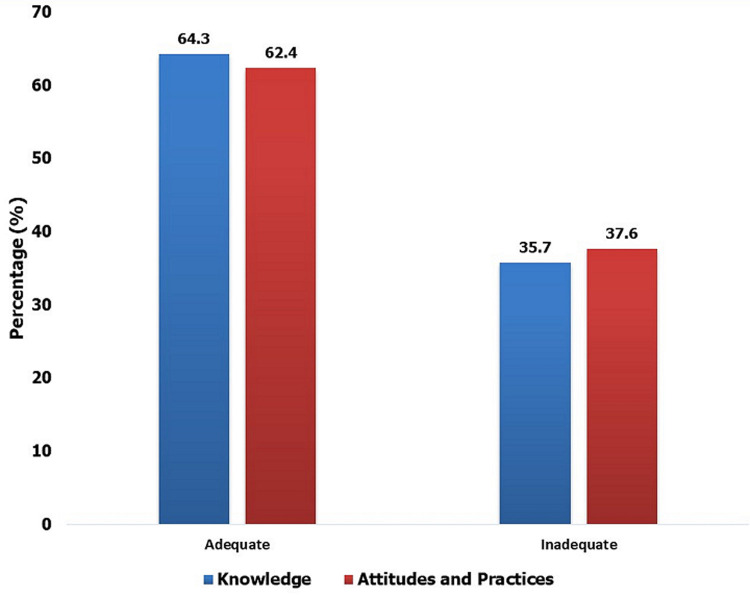
out of all the 263 respondents, 53.2% (n=140) of the students claimed to have heard of canine rabies, compared to 47.5% (n=125) for human rabies. Stray dogs were recognized by 49.0% (n=129) as a prevailing source of rabies infection in people; bites from these dogs were considered as a means of rabies contagion (41.4%; n=109) and vaccination of dogs was considered by 32.7% (n=86) as a means of rabies control in both people and dogs. In case of a dog bite, 60.5% (n=159) of respondents would visit a western medicine human clinic first. For the fate of the biting dog, 18.6% (n=49) and 27.4% (n=72) of respondents, respectively, prefer to euthanize the dog or take the dog to the veterinarian for observation. Regarding the perceived consequences of inaction after a dog bite, 58.2% (n=140) mentioned the risk of rabies. Students in human or animal health were 3 times more aware on rabies.
this study identifies the gaps in students´ knowledge, attitudes and practices about effective rabies prevention and control. It will therefore be necessary to intensify awareness and education campaigns among students who could be a good relay of information to other members in their communities.
狂犬病是一种可通过疫苗预防的病毒性人畜共患疾病。一旦出现临床症状,狂犬病几乎 100%可导致死亡。本研究旨在评估贝宁阿波美-卡拉维大学学生对狂犬病的知识、态度和实践,以探讨促进这种动物传染病发生的因素。
为此,对 263 名随机选择的学生进行了描述性横断面调查。收集的数据由 R 软件进行逻辑回归分析。
在所有 263 名受访者中,53.2%(n=140)的学生声称听说过犬狂犬病,而 47.5%(n=125)的学生听说过人狂犬病。49.0%(n=129)的人认为流浪狗是人类狂犬病感染的主要来源;41.4%(n=109)的人认为被这些狗咬伤是狂犬病传播的一种方式;32.7%(n=86)的人认为给狗接种疫苗是控制人和狗狂犬病的一种方式。如果被狗咬伤,60.5%(n=159)的受访者会先去看西医人类诊所。对于咬人的狗的命运,18.6%(n=49)和 27.4%(n=72)的受访者分别选择对狗实施安乐死或带狗去兽医处观察。对于狗咬伤后不采取行动的后果,58.2%(n=140)的人提到了患狂犬病的风险。从事人类或动物健康工作的学生对狂犬病的认识提高了 3 倍。
本研究确定了学生在有效预防和控制狂犬病方面知识、态度和实践方面的差距。因此,有必要加强对学生的宣传和教育活动,学生可以成为向其所在社区其他成员传播信息的良好媒介。