Novo Nordisk Foundation Center for Basic Metabolic Research, University of Copenhagen, Copenhagen, Denmark; Embark Biotech ApS, Copenhagen, Denmark; Center for Adipocyte Signaling, University of Southern Denmark, Odense, Denmark.
Novo Nordisk Foundation Center for Basic Metabolic Research, University of Copenhagen, Copenhagen, Denmark; Embark Biotech ApS, Copenhagen, Denmark.
Cell. 2021 Jun 24;184(13):3502-3518.e33. doi: 10.1016/j.cell.2021.04.037. Epub 2021 May 27.
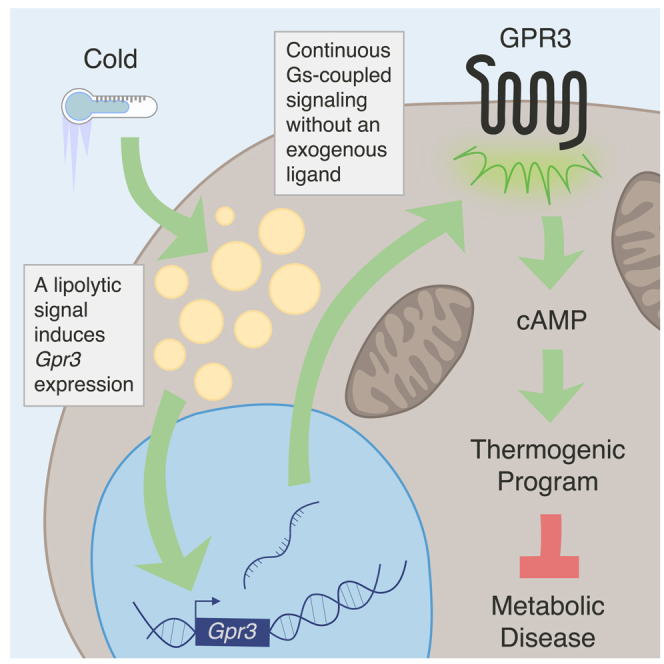
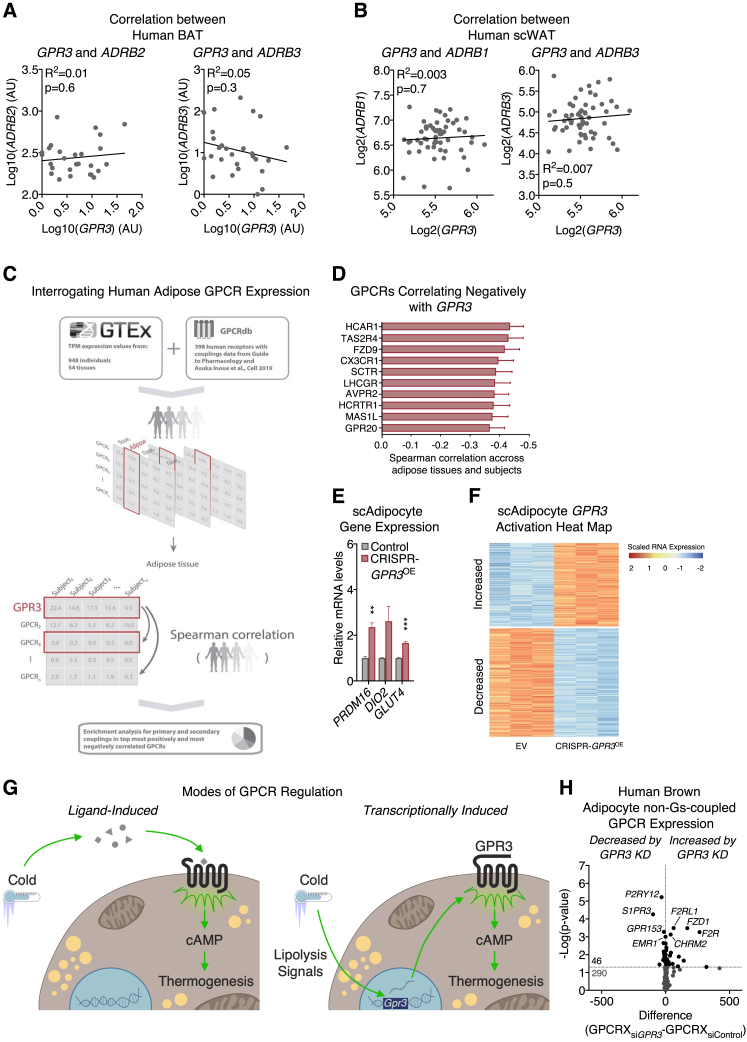
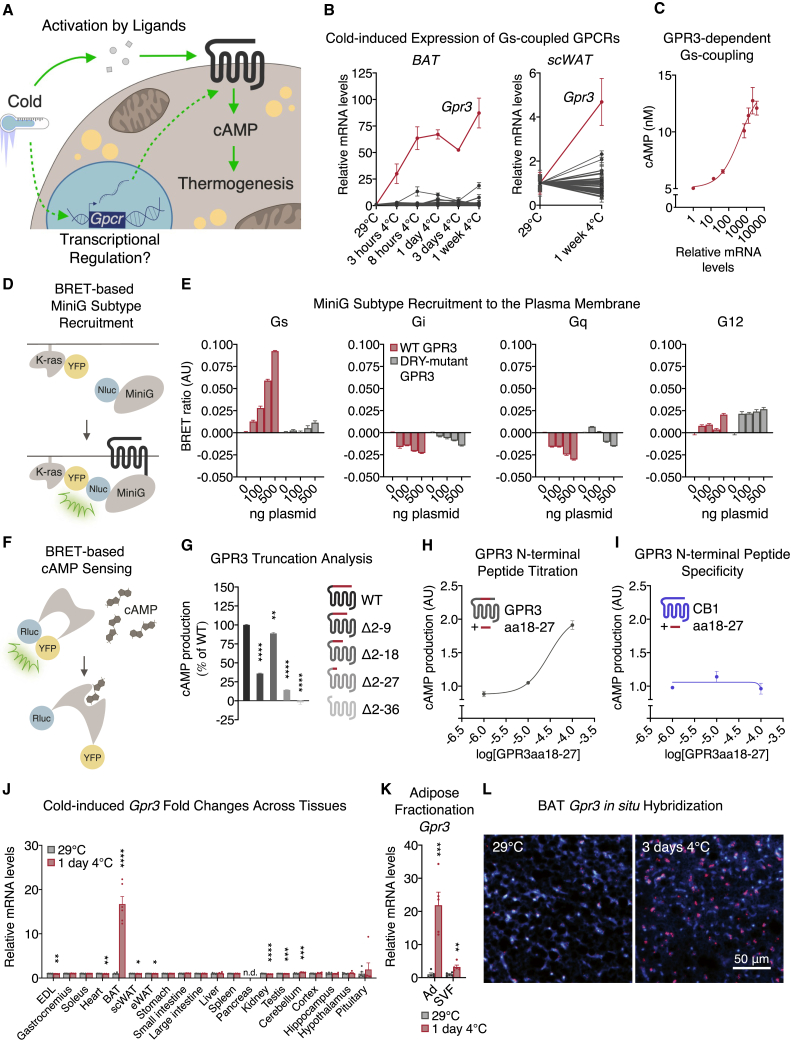
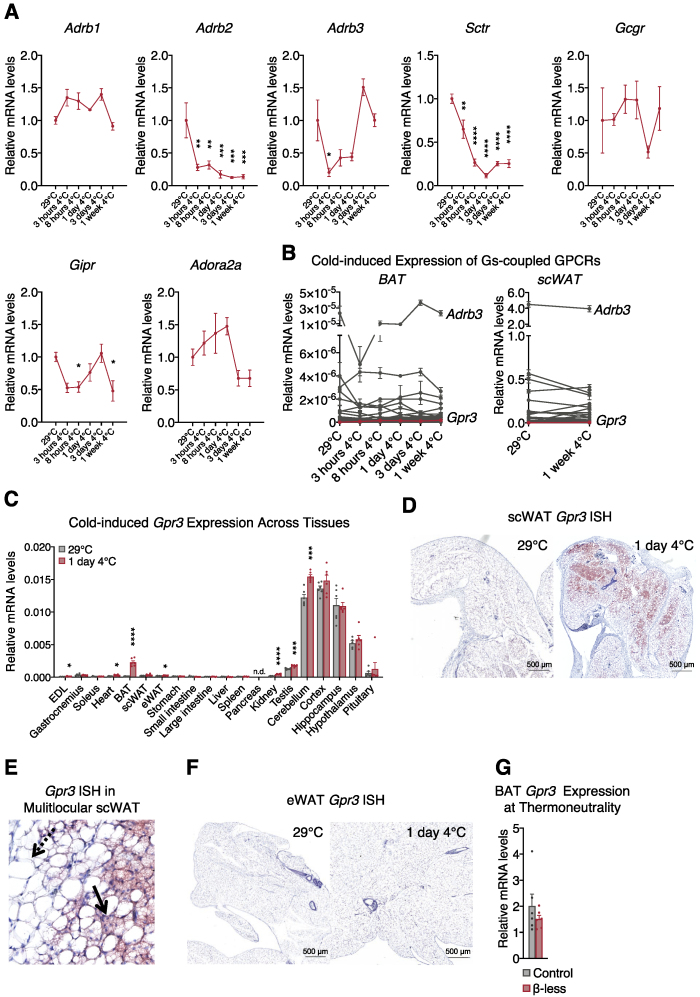
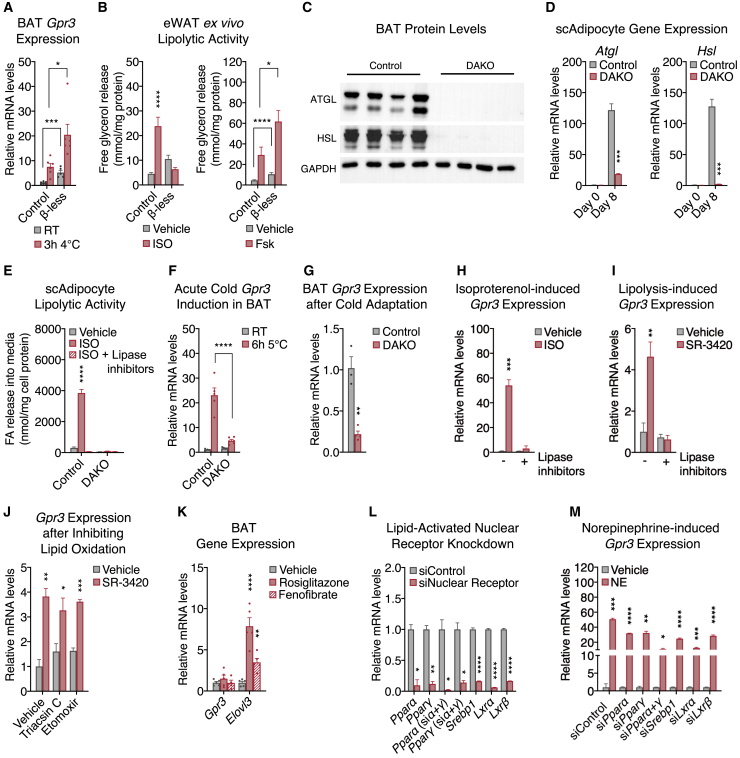
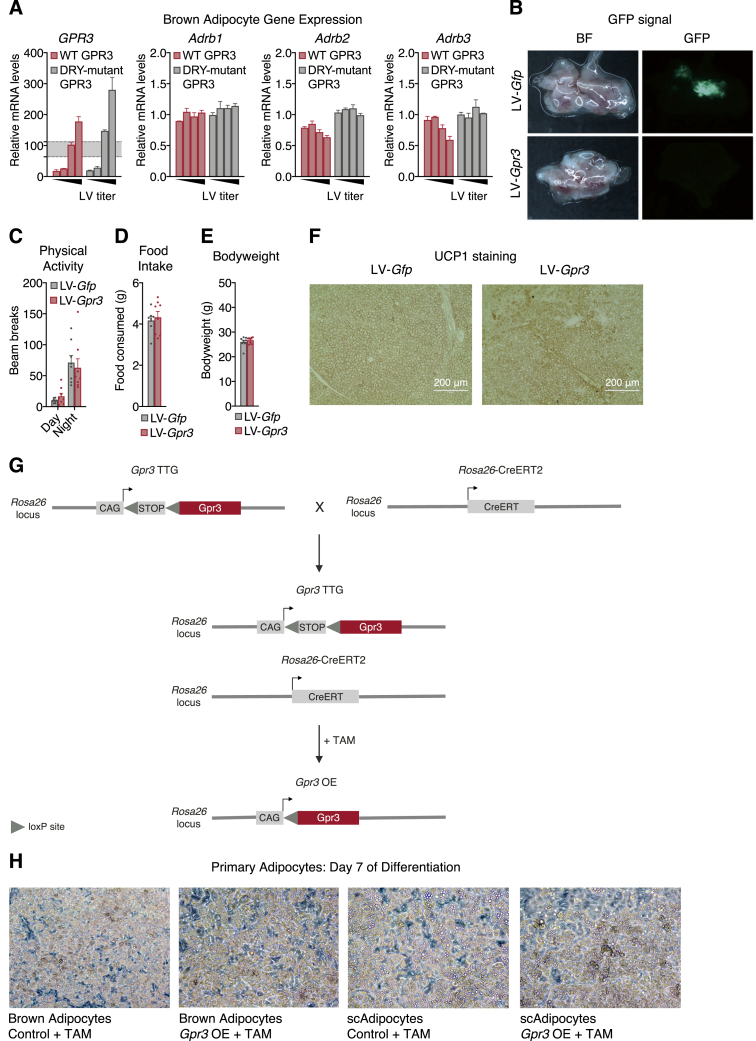
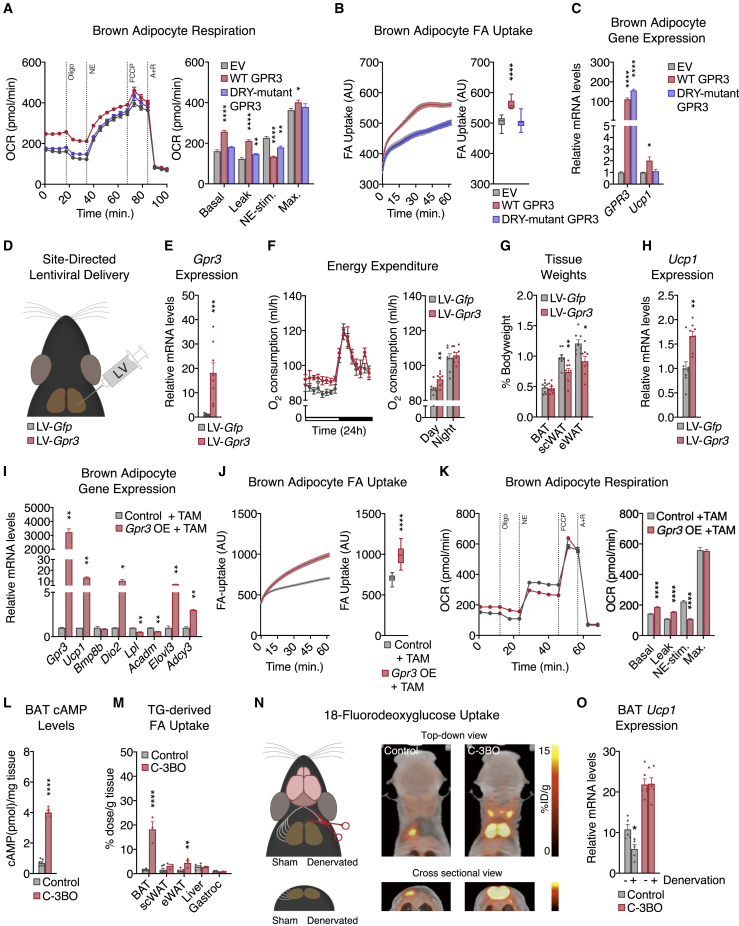
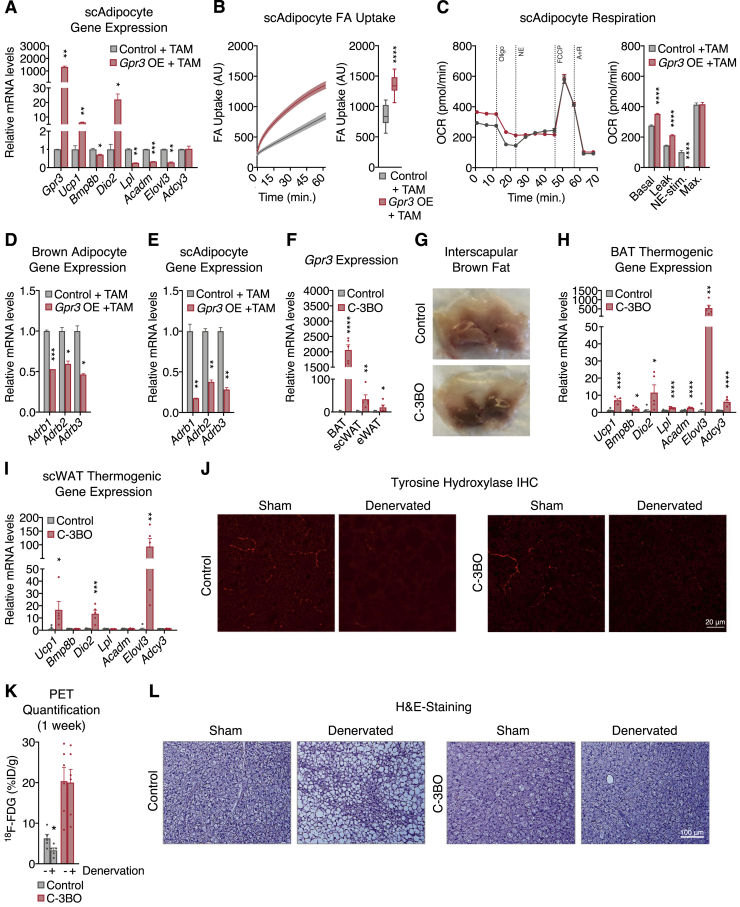
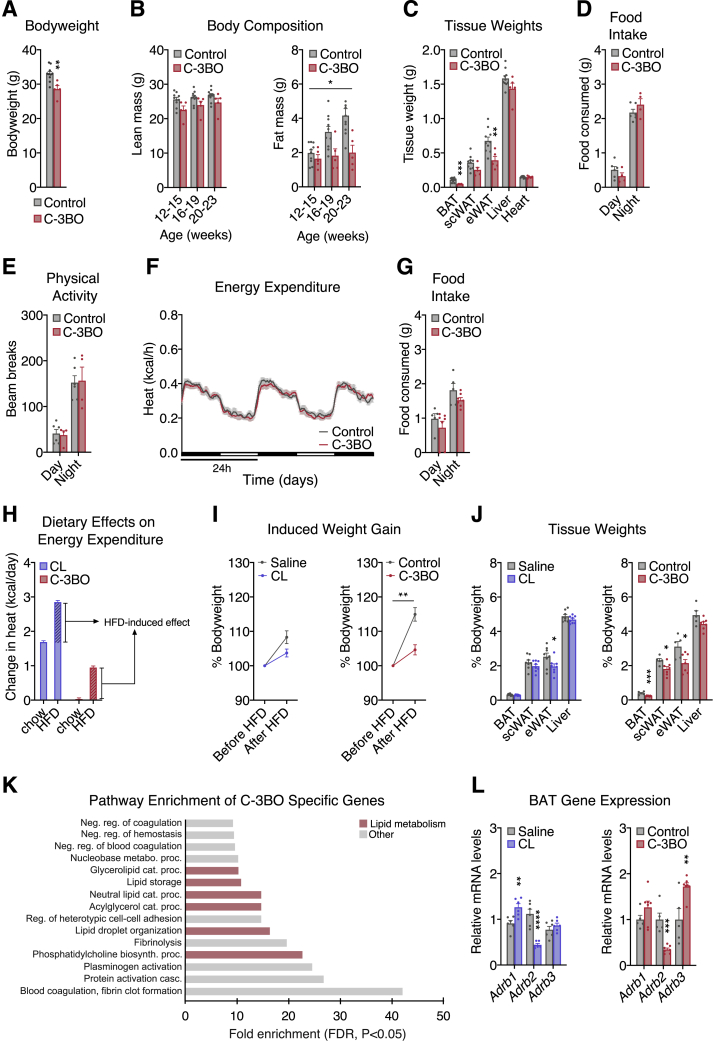
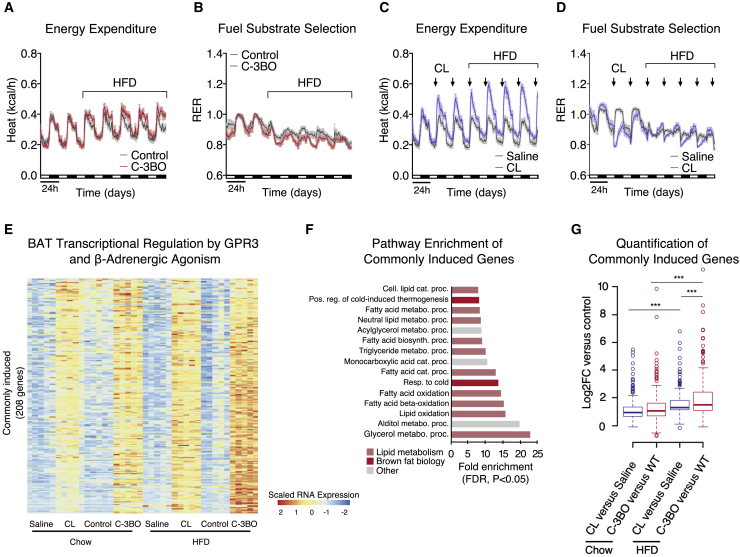
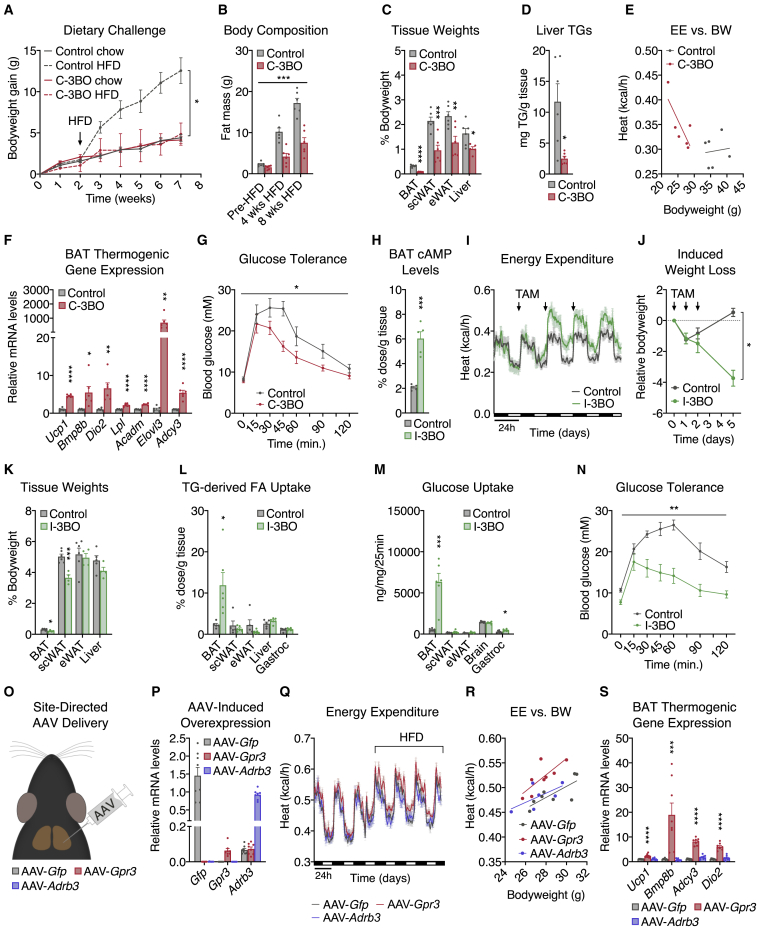
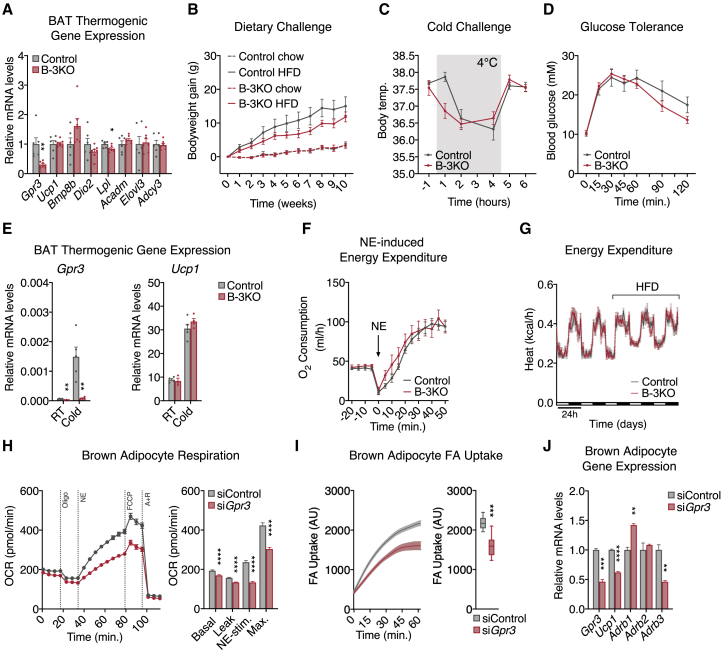
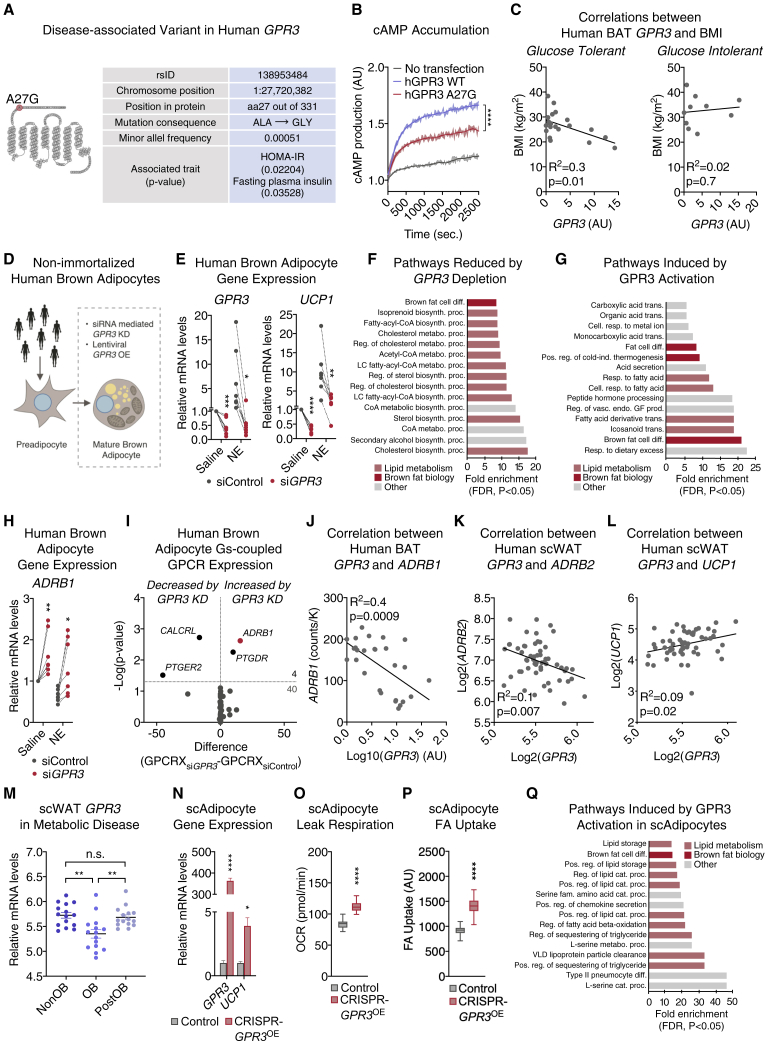
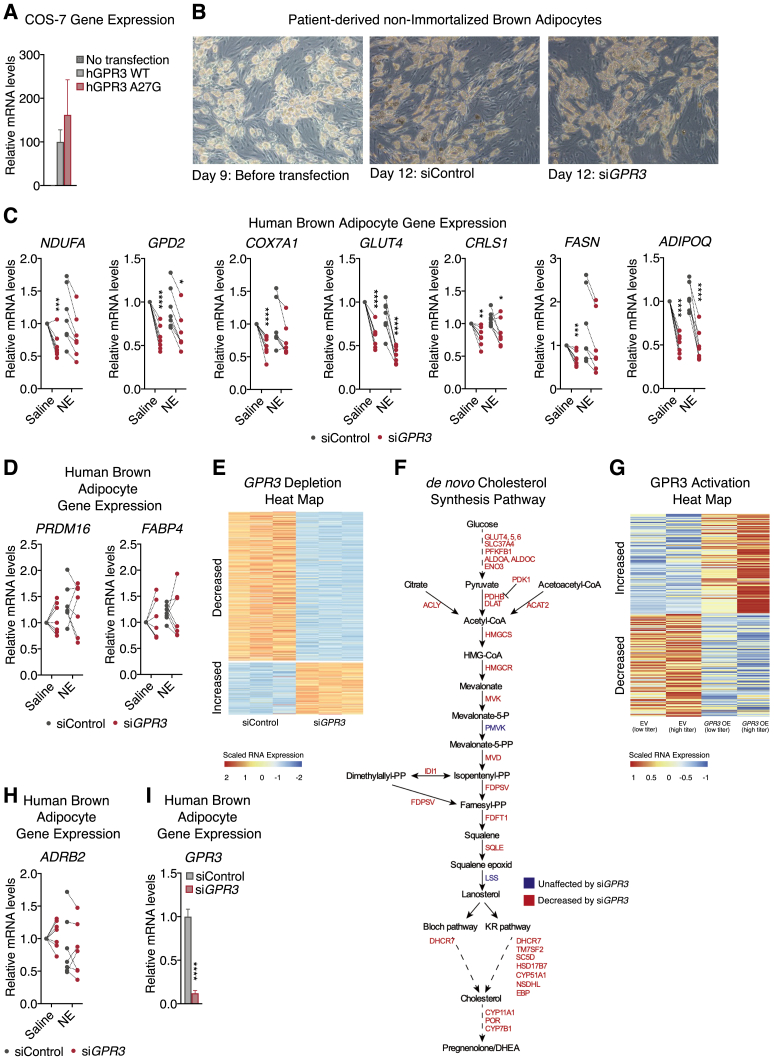
Thermogenic adipocytes possess a therapeutically appealing, energy-expending capacity, which is canonically cold-induced by ligand-dependent activation of β-adrenergic G protein-coupled receptors (GPCRs). Here, we uncover an alternate paradigm of GPCR-mediated adipose thermogenesis through the constitutively active receptor, GPR3. We show that the N terminus of GPR3 confers intrinsic signaling activity, resulting in continuous Gs-coupling and cAMP production without an exogenous ligand. Thus, transcriptional induction of Gpr3 represents the regulatory parallel to ligand-binding of conventional GPCRs. Consequently, increasing Gpr3 expression in thermogenic adipocytes is alone sufficient to drive energy expenditure and counteract metabolic disease in mice. Gpr3 transcription is cold-stimulated by a lipolytic signal, and dietary fat potentiates GPR3-dependent thermogenesis to amplify the response to caloric excess. Moreover, we find GPR3 to be an essential, adrenergic-independent regulator of human brown adipocytes. Taken together, our findings reveal a noncanonical mechanism of GPCR control and thermogenic activation through the lipolysis-induced expression of constitutively active GPR3.
产热脂肪细胞具有一种有吸引力的、耗能的能力,这种能力通常是通过配体依赖性激活β-肾上腺素能 G 蛋白偶联受体(GPCR)来诱导的。在这里,我们通过组成性激活受体 GPR3 揭示了一种 GPCR 介导的脂肪产热的替代范例。我们表明,GPR3 的 N 端赋予了内在的信号活性,导致连续的 Gs 偶联和 cAMP 产生,而无需外源性配体。因此,Gpr3 的转录诱导代表了与传统 GPCR 配体结合的调节平行。因此,增加产热脂肪细胞中的 Gpr3 表达足以驱动能量消耗并抵抗小鼠的代谢疾病。Gpr3 转录受脂肪分解信号的冷刺激,并且膳食脂肪增强 GPR3 依赖性产热以放大对热量过剩的反应。此外,我们发现 GPR3 是人类棕色脂肪细胞中肾上腺素能独立的重要调节剂。总之,我们的研究结果揭示了一种通过脂肪分解诱导的组成性激活 GPR3 的表达来控制 GPCR 和产热激活的非典型机制。