Lim Sojung
Department of Sociology and Anthropology, 0730 Old Main Hill, Utah State University, Logan, UT 84322, USA.
Demogr Res. 2021 Jan-Jun;44:941-978. doi: 10.4054/demres.2021.44.39. Epub 2021 May 11.
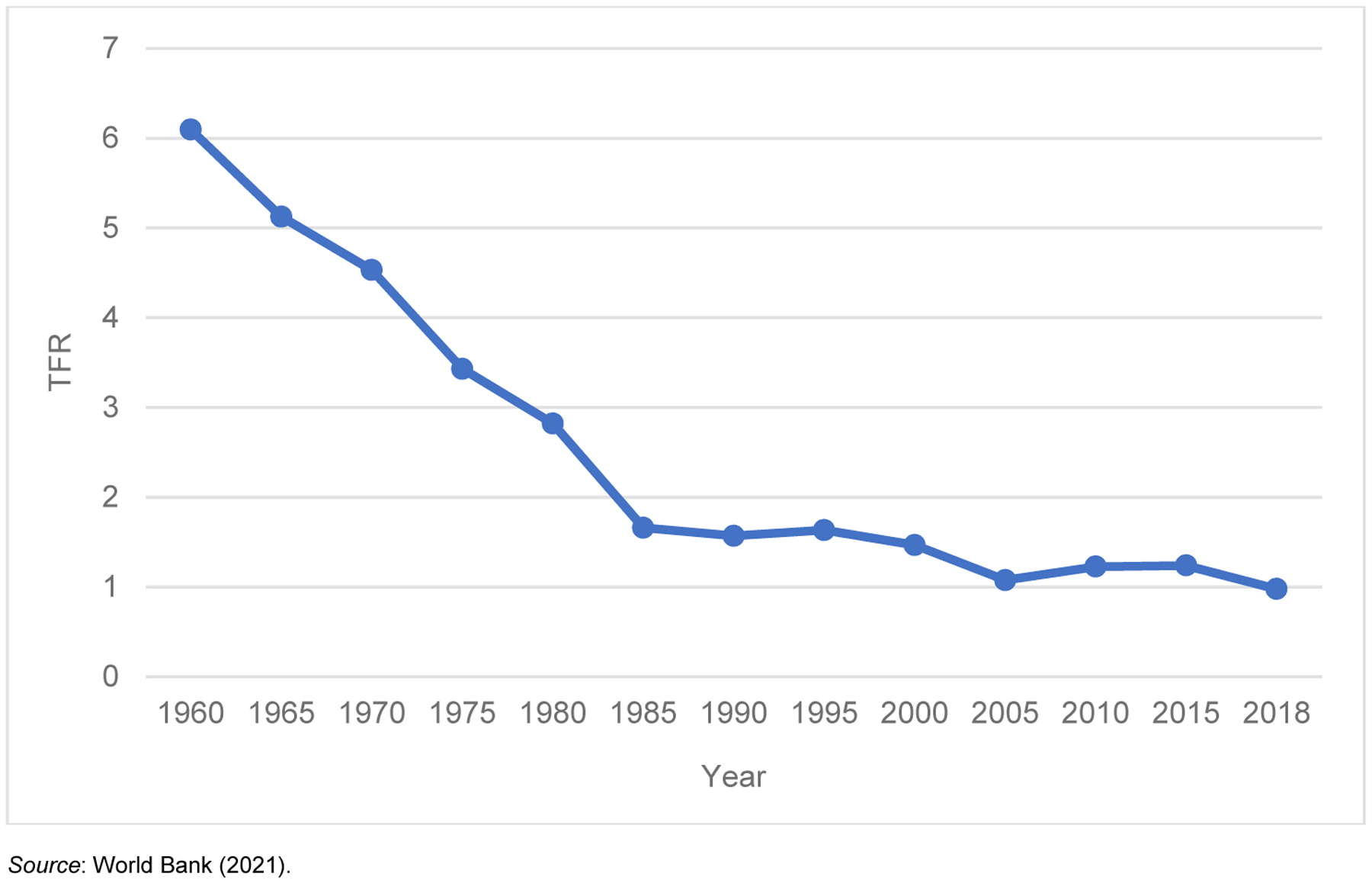
South Korea has one of the lowest fertility rates in the world, reaching a record low of 0.98 in 2018. Understanding socioeconomic differentials in fertility in South Korea has become an important social and policy issue.
This study examines socioeconomic differentials in first and second childbirths among married women using various indicators of socioeconomic status at the individual and household level.
Using the Korean Labor and Income Panel Study (1998-2017), discrete-time hazard models are used to evaluate the relationships between multiple indicators of socioeconomic status and the transition to first and second births.
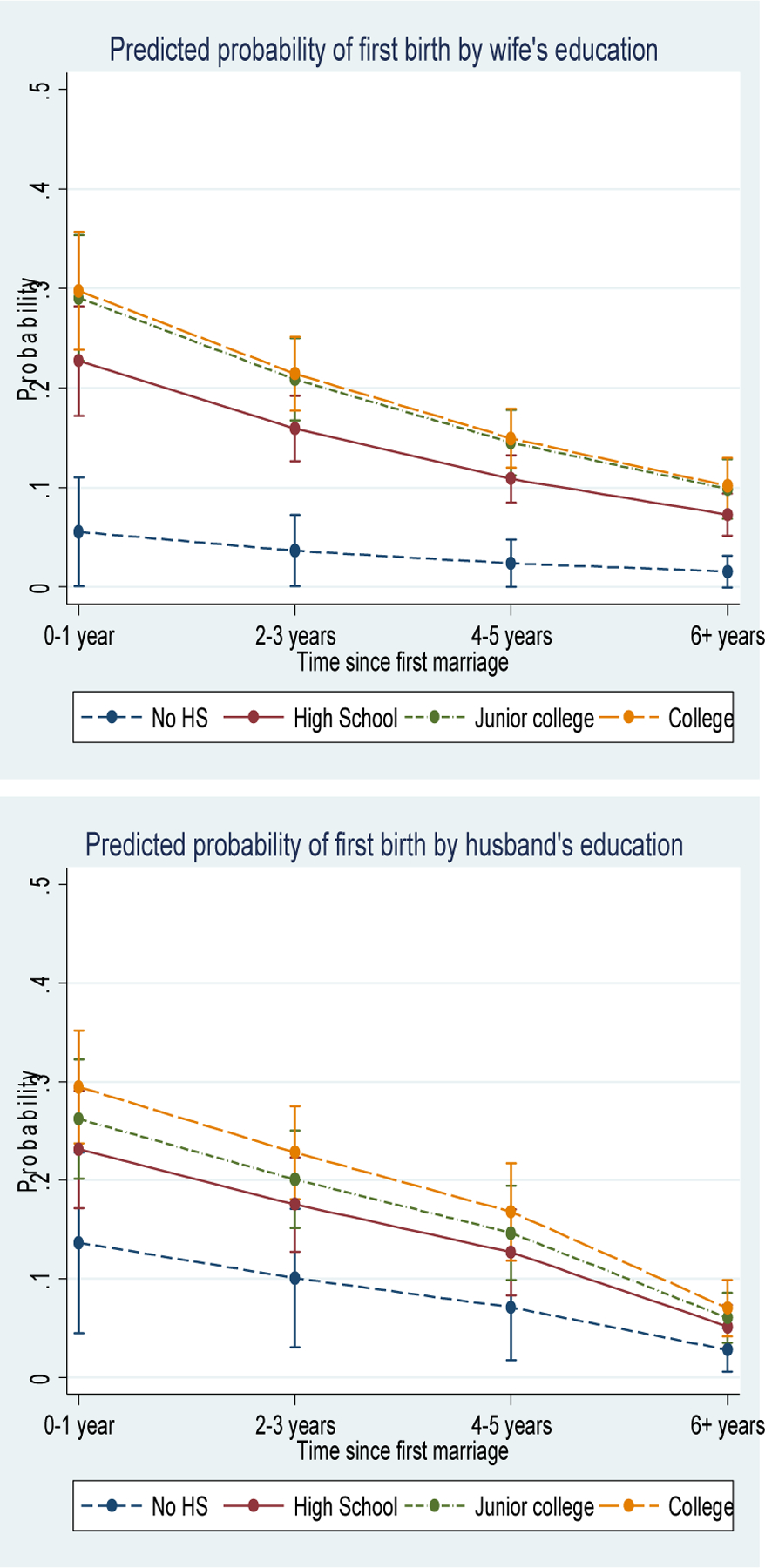
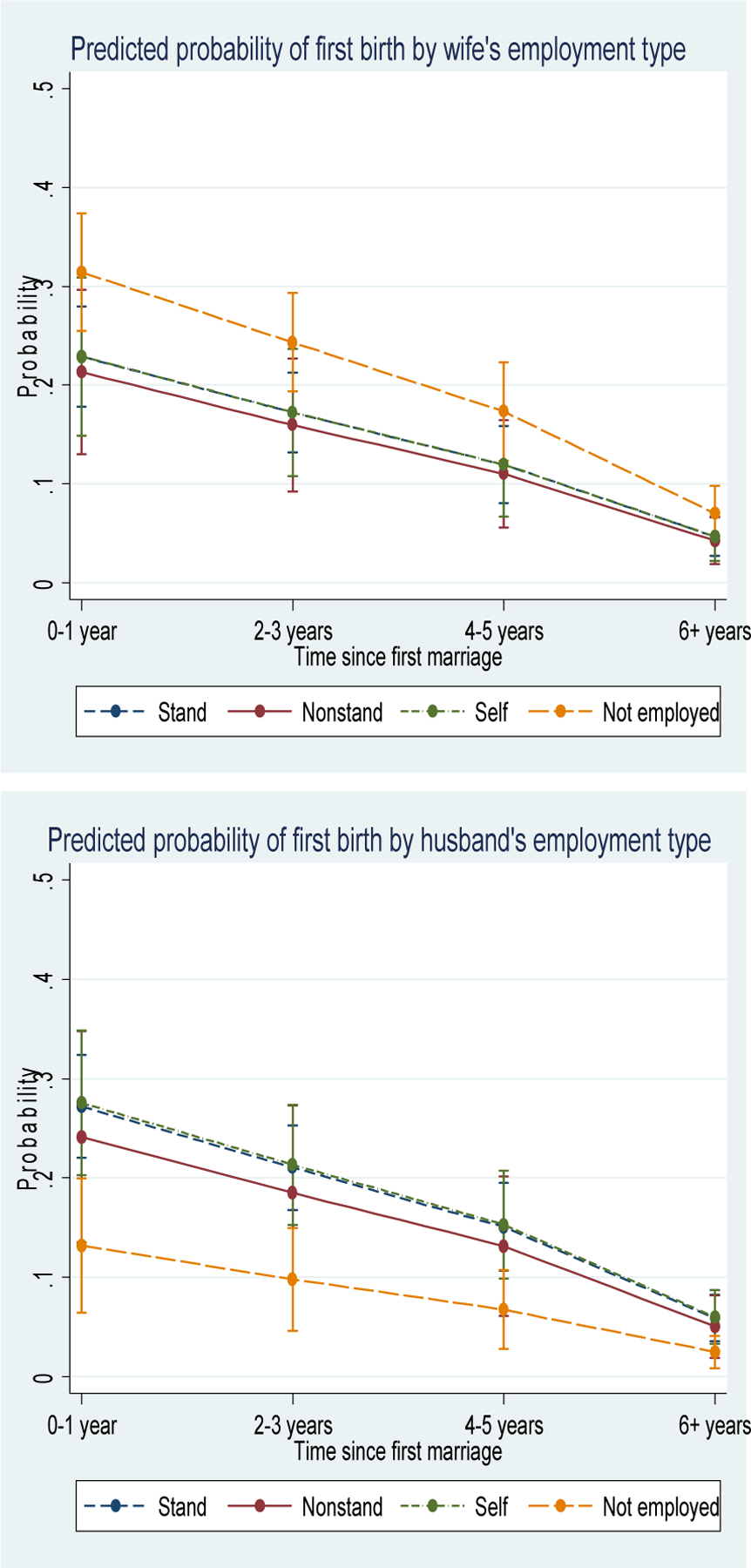
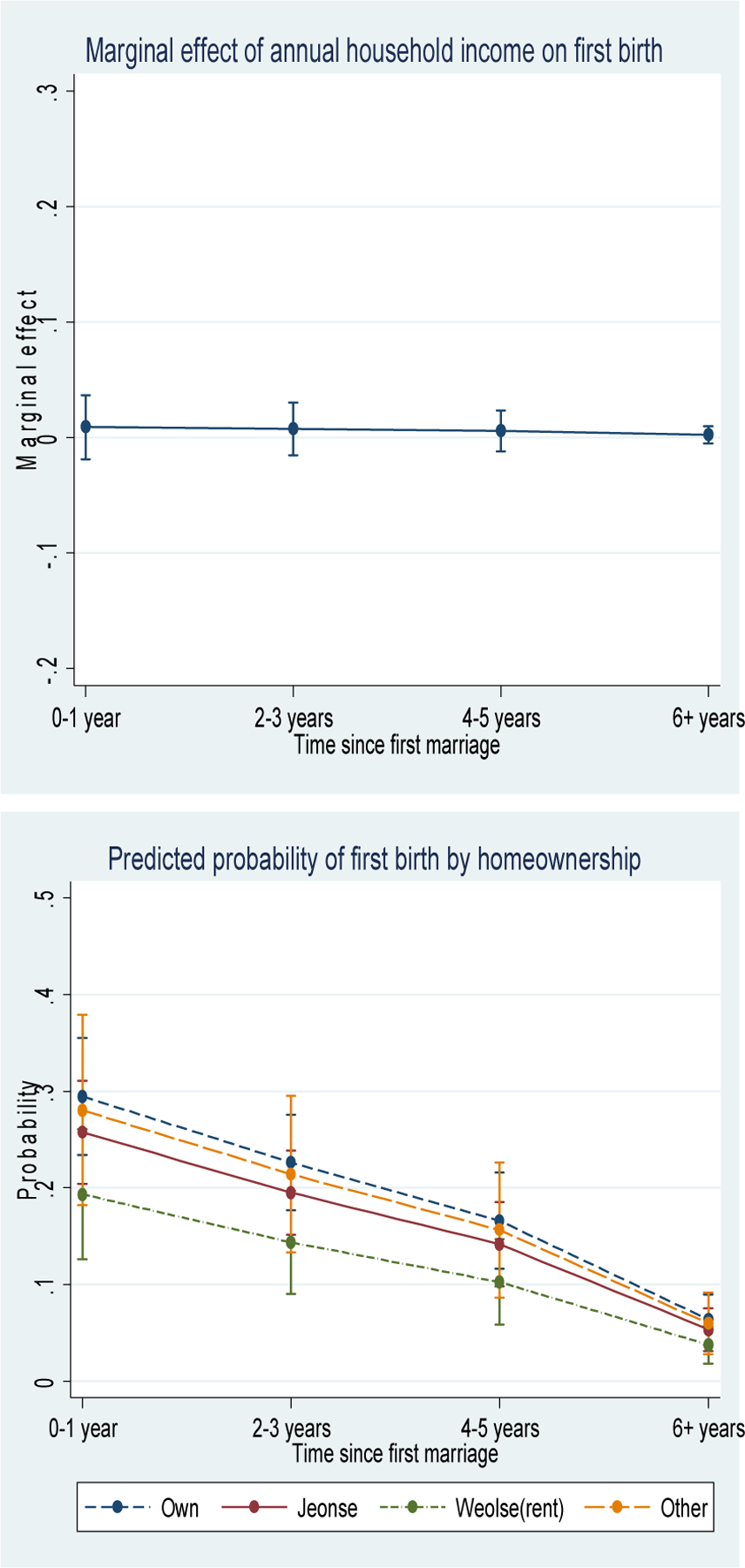
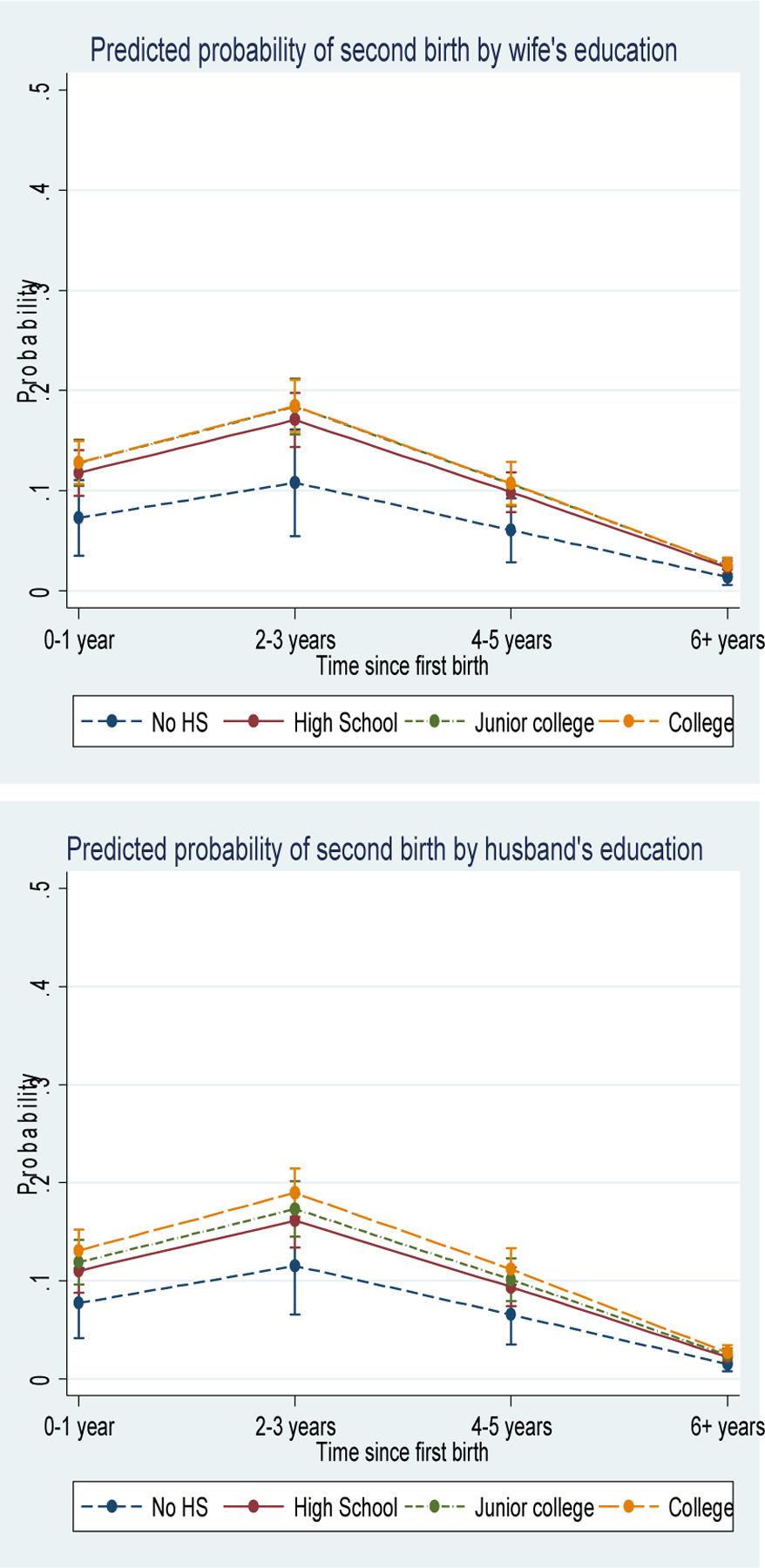
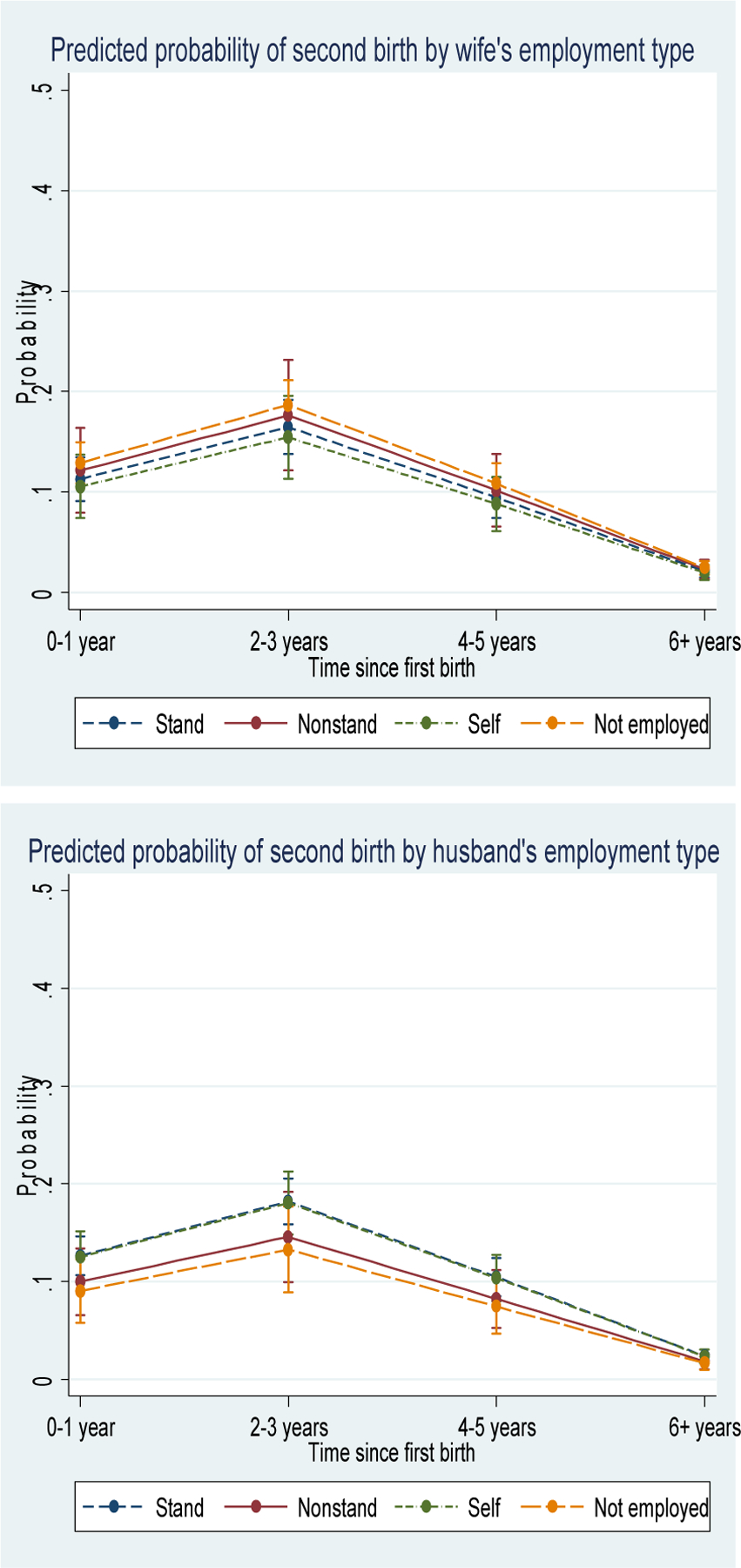
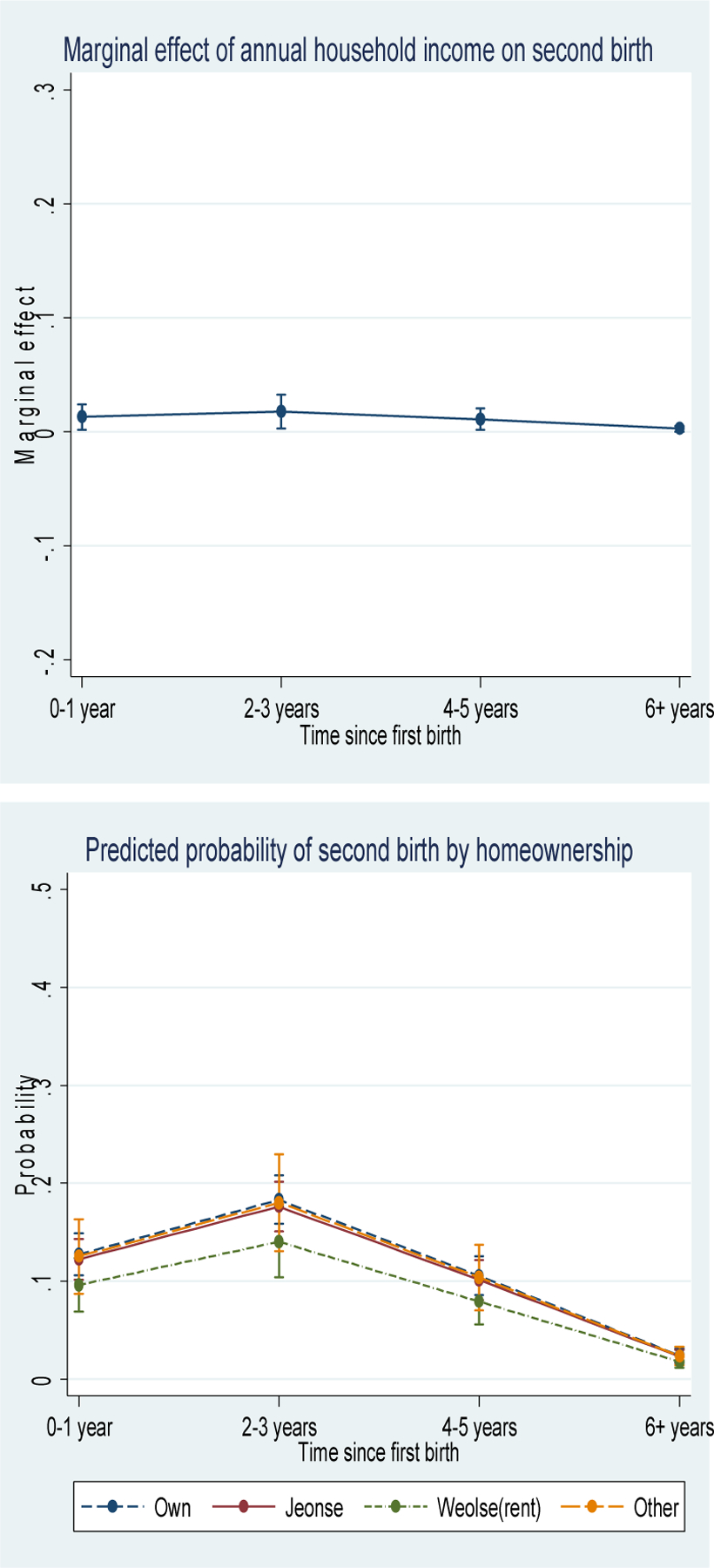
Higher socioeconomic status (e.g., husband's college education and standard employment, homeownership) is conducive to a transition to parenthood and second births. However, the wife's employment - standard employment in particular - is negatively associated with both first and second childbirth. Among the indicators of socioeconomic resources, stable housing arrangements and the husband's employment security appear to be the most important factors for a married couple's fertility decisions.
Socioeconomically disadvantaged married couples tend to delay their transition to parenthood. In addition, those with high SES are more likely than their counterparts with low SES to have second births. If these patterns persist, they have important implications for the demographic process and social stratification.
The findings of this study contribute to a comprehensive understanding of socioeconomic differentials in fertility in South Korea and therefore have important policy implications. These findings will also prove useful to other societies with very low fertility rates.
韩国是世界上生育率最低的国家之一,2018年创下了0.98的历史新低。了解韩国生育率的社会经济差异已成为一个重要的社会和政策问题。
本研究使用个人和家庭层面的各种社会经济地位指标,考察已婚女性头胎和二胎生育中的社会经济差异。
利用韩国劳动与收入面板研究(1998 - 2017年),采用离散时间风险模型来评估社会经济地位的多个指标与头胎和二胎生育转变之间的关系。
较高的社会经济地位(例如,丈夫接受过大学教育、有标准就业、拥有自有住房)有利于向为人父母和二胎生育转变。然而,妻子的就业——尤其是标准就业——与头胎和二胎生育均呈负相关。在社会经济资源指标中,稳定的住房安排和丈夫的就业保障似乎是已婚夫妇生育决策的最重要因素。
社会经济处于劣势的已婚夫妇往往会推迟为人父母的转变。此外,高社会经济地位的夫妇比低社会经济地位的夫妇更有可能生育二胎。如果这些模式持续下去,它们将对人口过程和社会分层产生重要影响。
本研究的结果有助于全面理解韩国生育率的社会经济差异,因此具有重要的政策意义。这些发现对其他生育率极低的社会也将证明是有用的。