Reyes-Barrera Karen Lizbeth, Soria-Guerra Ruth Elena, López-Martínez Rogelio, Huerta Leonor, Salinas-Jazmín Nohemí, Cabello-Gutiérrez Carlos, Alpuche-Solís Ángel Gabriel
Laboratorio de Biología Molecular de Plantas, División de Biología Molecular, Instituto Potosino de Investigación Científica y Tecnológica A.C., San Luis Potosí, Mexico.
Laboratorio de Biotecnología Molecular de Células Vegetales, Facultad de Ciencias Químicas, Universidad Autónoma de San Luis Potosí, San Luis Potosí, Mexico.
Front Plant Sci. 2021 May 12;12:641420. doi: 10.3389/fpls.2021.641420. eCollection 2021.
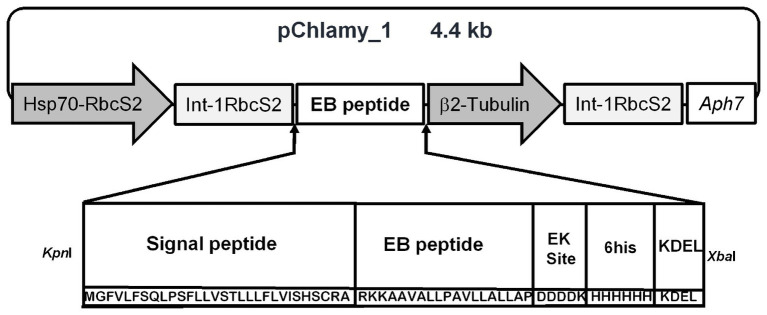
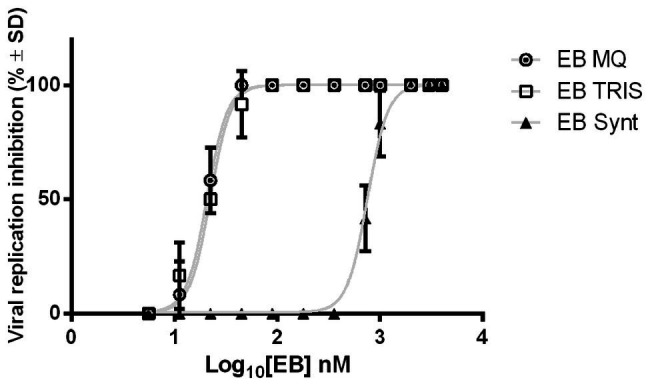
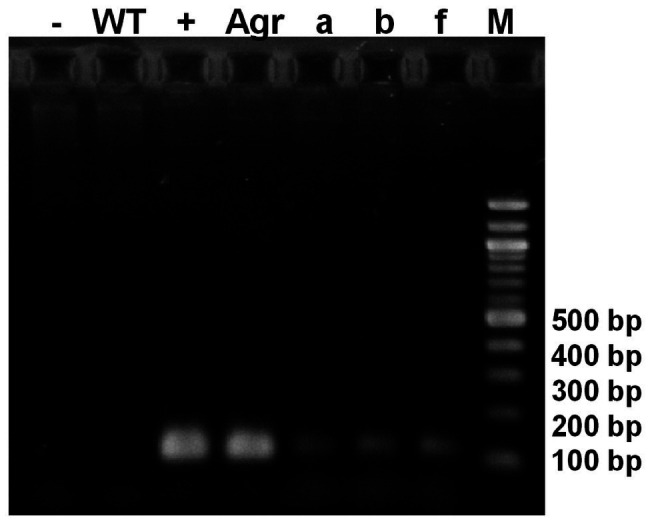
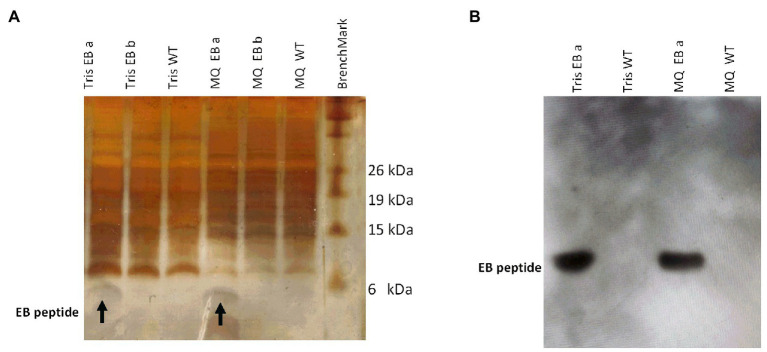
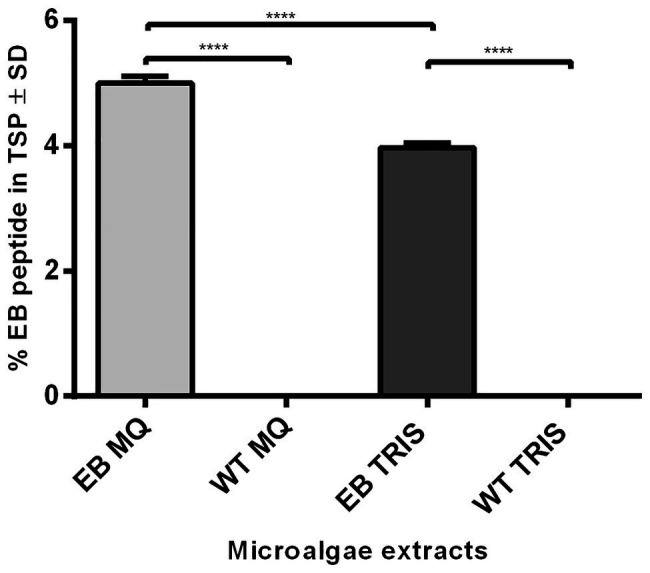
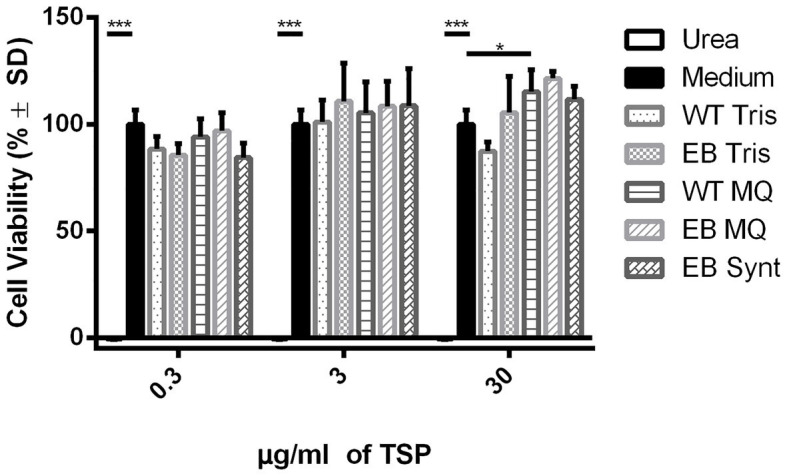
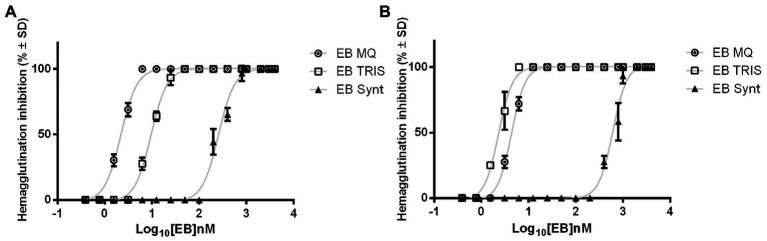
This year, a respiratory virus caused an emergency pandemic alert in health services around the world, showing the need for biotechnological approaches to fight these diseases. The influenza virus is one of the main viral agents that generate pandemic outbreaks. Currently, the majority of co-circulating influenza A virus (IAV) strains are adamantine- and oseltamivir-resistant strains, and the challenge is to find new antivirals for more efficient treatments. The antiviral entry blocker (EB) peptide is a promising candidate for blocking the virus entry into cells. The aim of this research was to express the EB peptide in the microalgae and test its antiviral activity against IAV . The EB peptide nucleotide sequence was introduced into the nuclear genome of microalgae using transformation. The EB peptide amount produced in transformed microalgae was 4.99 ± 0.067% of the total soluble protein. In hemagglutination inhibition assays using influenza A/H1N1 pdm and influenza A H1N1/Virginia/ATCC/2009 strains, we reported that the EB peptide extract from the microalgae showed 100-fold higher efficiency than the EB synthetic peptide. In addition, both the EB peptide extract and synthetic peptide inhibited viral replication in MDCK cells (IC = 20.7 nM and IC = 754.4 nM, respectively); however, the EB peptide extract showed a 32-fold higher antiviral effectiveness than the synthetic peptide against influenza A/H1N1 pdm. Extracts from untransformed and transformed microalgae and synthetic peptide did not show cytotoxic effect on MDCK cell monolayers. Thus, may be a fast, safe, and effective expression platform for production of peptides with significant antiviral activity and can be used as a prophylactic treatment to reduce viral propagation.
今年,一种呼吸道病毒在全球医疗服务领域引发了紧急大流行警报,这表明需要采用生物技术方法来对抗这些疾病。流感病毒是引发大流行疫情的主要病毒病原体之一。目前,大多数共同流行的甲型流感病毒(IAV)毒株对金刚烷类药物和奥司他韦耐药,挑战在于寻找新的抗病毒药物以进行更有效的治疗。抗病毒进入阻断剂(EB)肽是阻断病毒进入细胞的一个有前景的候选物。本研究的目的是在微藻中表达EB肽并测试其对IAV的抗病毒活性。利用转化技术将EB肽核苷酸序列导入微藻的核基因组。转化后的微藻中产生的EB肽量占总可溶性蛋白的4.99±0.067%。在使用甲型H1N1流感大流行毒株和甲型H1N1/弗吉尼亚/ATCC/2009毒株的血凝抑制试验中,我们报告称,从微藻中提取的EB肽提取物的效率比EB合成肽高100倍。此外,EB肽提取物和合成肽均抑制了MDCK细胞中的病毒复制(IC50分别为20.7 nM和754.4 nM);然而,EB肽提取物对甲型H1N1流感大流行毒株的抗病毒效力比合成肽高32倍。未转化和转化后的微藻提取物以及合成肽对MDCK细胞单层均未显示出细胞毒性作用。因此,微藻可能是一个快速、安全且有效的表达平台,用于生产具有显著抗病毒活性的肽,并且可作为预防性治疗手段来减少病毒传播。