Klimko Artsiom, Tieranu Cristian G, Olteanu Andrei O, Preda Carmen M, Ionescu Elena M
Division of Physiology and Neuroscience, University of Medicine and Pharmacy "Carol Davila", Bucharest, ROU.
Gastroenterology, "Elias" Emergency University Hospital, Bucharest, ROU.
Cureus. 2021 Apr 21;13(4):e14621. doi: 10.7759/cureus.14621.
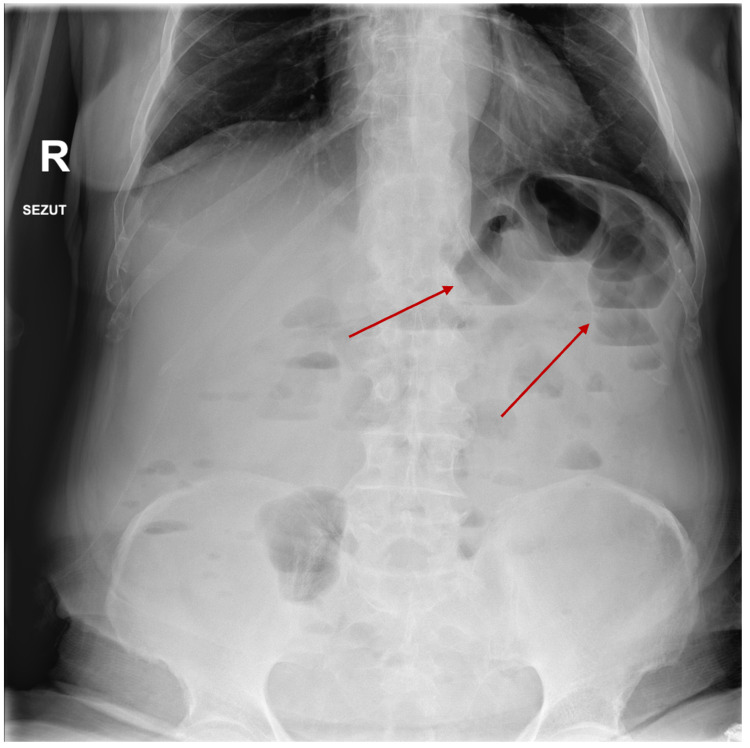
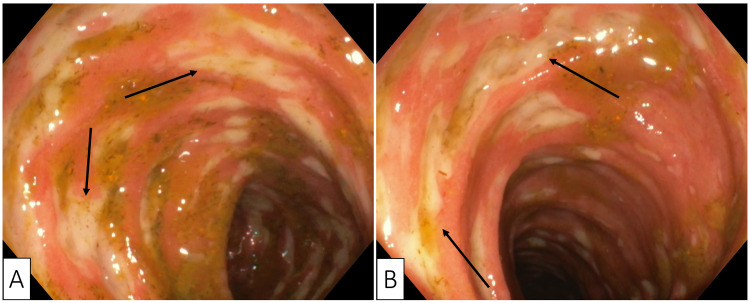
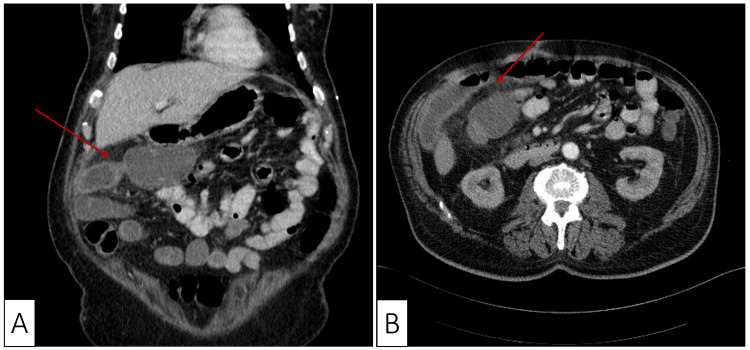
Capecitabine is a well-established agent for adjuvant chemotherapy in breast and colorectal cancers. However, one of the limiting adverse events of this therapy is severe diarrhea, which is reported with increasing frequency as of late. Capecitabine-induced ileitis should be suspected in cases with severe, treatment-refractory diarrhea. We present a case of capecitabine-induced terminal ileitis in a patient who received the medication as adjuvant therapy for previously resected colon adenocarcinoma. Capecitabine-induced diarrhea secondary to ileitis is a severe adverse drug event, which occurs during adjuvant chemotherapy and does not respond to conservative treatment with antidiarrheals, often necessitating permanent drug withdrawal. A high index of suspicion is critical as the complications, such as dehydration and the associated electrolyte derangements, may be life-threatening if diagnosis and cause-specific treatment are delayed.
卡培他滨是乳腺癌和结直肠癌辅助化疗中一种成熟的药物。然而,这种治疗的局限性不良事件之一是严重腹泻,近年来其报告频率不断增加。对于严重的、治疗难治性腹泻病例,应怀疑卡培他滨引起的回肠炎。我们报告一例接受卡培他滨作为先前切除的结肠腺癌辅助治疗的患者发生卡培他滨诱导的末端回肠炎。卡培他滨引起的继发于回肠炎的腹泻是一种严重的药物不良事件,发生在辅助化疗期间,对抗腹泻药物的保守治疗无反应,常常需要永久停药。高度怀疑至关重要,因为如果诊断和针对性治疗延迟,诸如脱水和相关电解质紊乱等并发症可能危及生命。