Mendes Sofia S, Miranda Vanessa, Saraiva Lígia M
Instituto de Tecnologia Química e Biológica António Xavier, Universidade Nova de Lisboa, Avenida da República, 2780-157 Oeiras, Portugal.
Antioxidants (Basel). 2021 May 5;10(5):729. doi: 10.3390/antiox10050729.
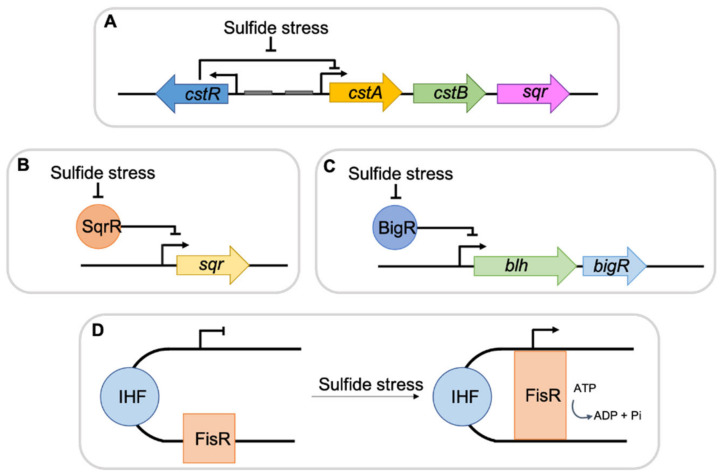
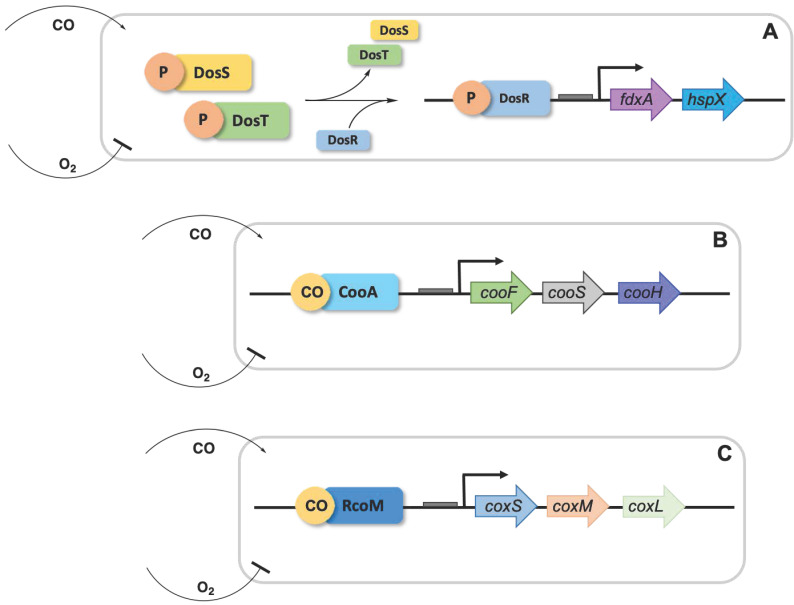
Hydrogen sulfide and carbon monoxide share the ability to be beneficial or harmful molecules depending on the concentrations to which organisms are exposed. Interestingly, humans and some bacteria produce small amounts of these compounds. Since several publications have summarized the recent knowledge of its effects in humans, here we have chosen to focus on the role of HS and CO on microbial physiology. We briefly review the current knowledge on how bacteria produce and use HS and CO. We address their potential antimicrobial properties when used at higher concentrations, and describe how microbial systems detect and survive toxic levels of HS and CO. Finally, we highlight their antimicrobial properties against human pathogens when endogenously produced by the host and when released by external chemical donors.
硫化氢和一氧化碳都具有根据生物体所接触的浓度而成为有益或有害分子的能力。有趣的是,人类和一些细菌会产生少量这些化合物。由于已有几篇出版物总结了其对人类影响的最新知识,因此在这里我们选择专注于硫化氢和一氧化碳对微生物生理学的作用。我们简要回顾了关于细菌如何产生和利用硫化氢及一氧化碳的现有知识。我们探讨了它们在较高浓度下使用时的潜在抗菌特性,并描述了微生物系统如何检测和在硫化氢及一氧化碳的有毒水平下存活。最后,我们强调了它们在由宿主内源性产生以及由外部化学供体释放时对人类病原体的抗菌特性。