Audibert Céline, Tchouatieu André-Marie
Medicines for Malaria Venture, 1215 Geneva, Switzerland.
Trop Med Infect Dis. 2021 May 11;6(2):75. doi: 10.3390/tropicalmed6020075.
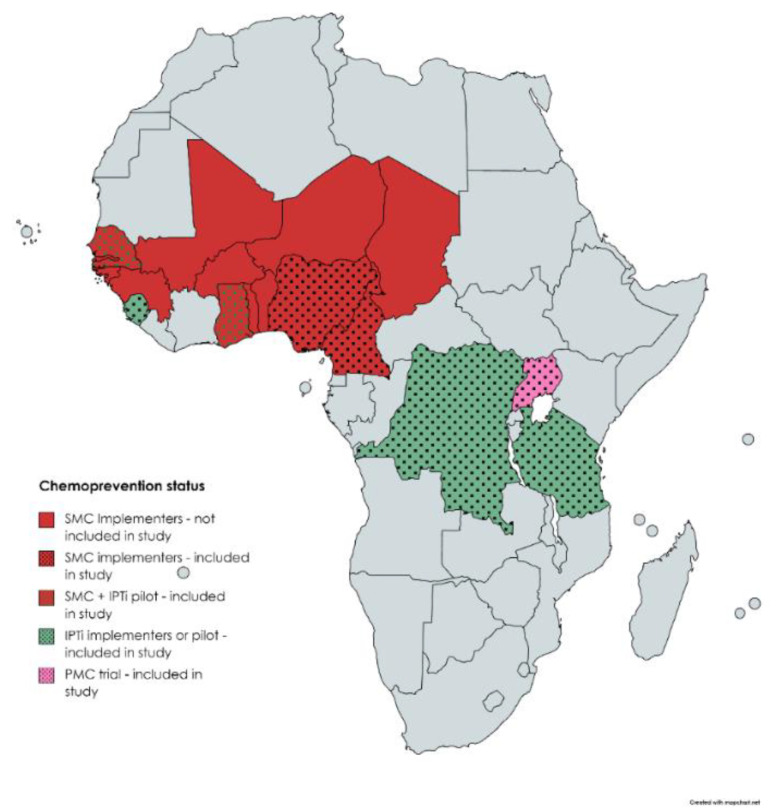
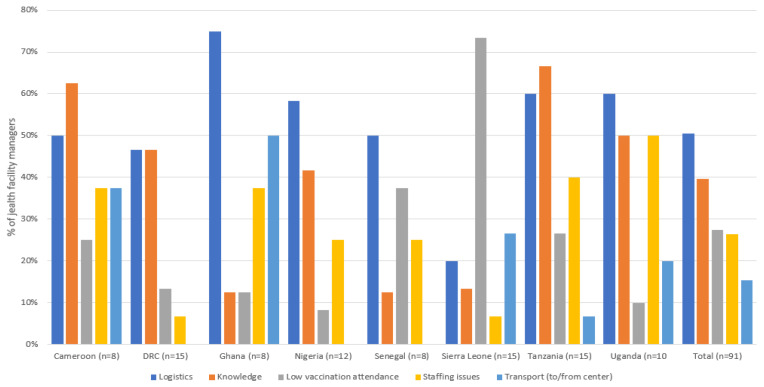
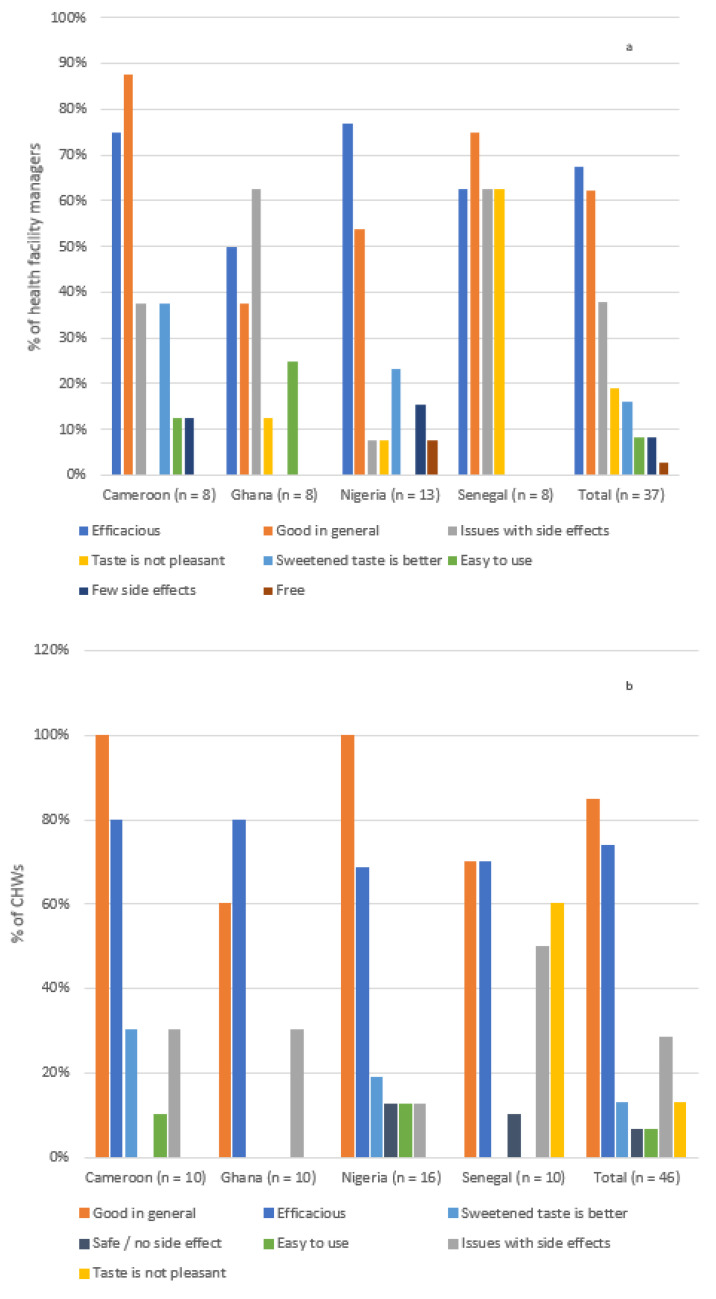
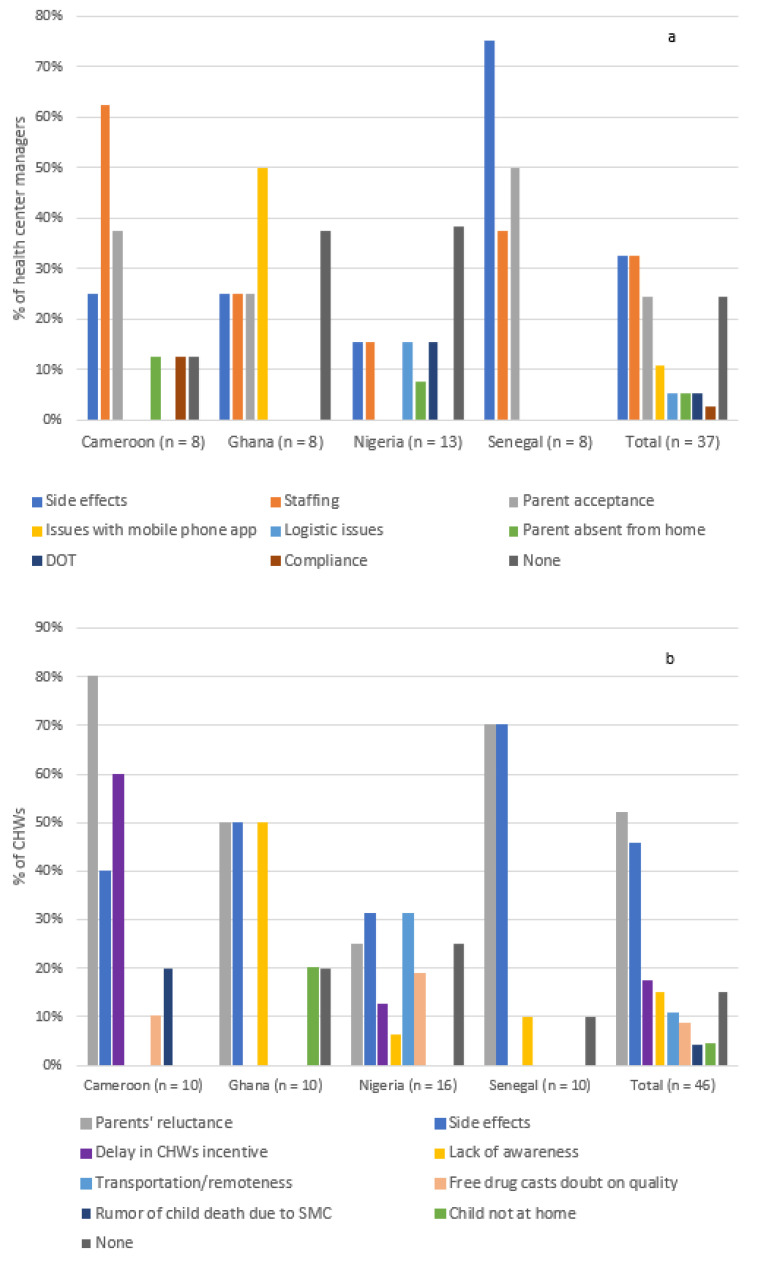
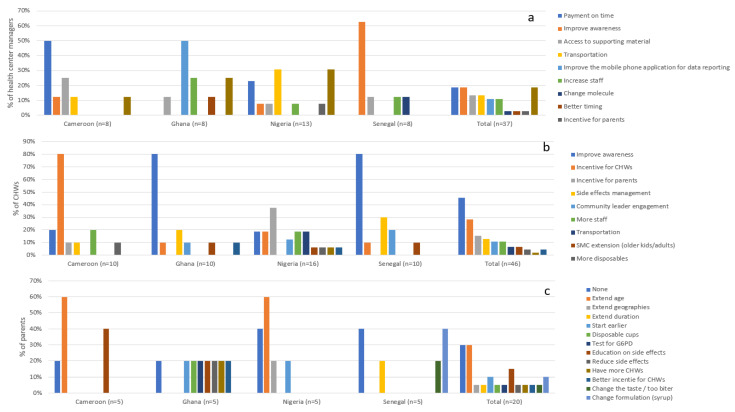
Preventive chemotherapy interventions have been identified as key tools for malaria prevention and control. Although a large number of publications have reported on the efficacy and safety profile of these interventions, little literature exists on end-user experience. The objective of this study was to provide insights on the perceptions and attitudes towards seasonal malaria chemoprevention (SMC) and intermittent preventive treatment of infants (IPTi) to identify drivers of and barriers to acceptance. A total of 179 in-depth qualitative interviews were conducted with community health workers (CHWs), health center managers, parents of children receiving chemoprevention, and national decision makers across eight countries in sub-Saharan Africa. The transcribed verbatim responses were coded and analyzed using a thematic approach. Findings indicate that, although SMC is largely accepted by end users, coverage remained below 100%. The main causes mentioned were children's absenteeism, children being sick, parents' reluctance, and lack of staff. Regarding IPTi, results from participants based in Sierra Leone showed that the intervention was generally accepted and perceived as efficacious. The main challenges were access to water, crushing the tablets, and high staff turnover. SMC and IPTi are perceived as valuable interventions. Our study identified the key elements that need to be considered to facilitate the expansion of these two interventions to different geographies or age groups.
预防性化疗干预措施已被确定为疟疾预防和控制的关键工具。尽管大量出版物报道了这些干预措施的疗效和安全性,但关于最终用户体验的文献却很少。本研究的目的是深入了解对季节性疟疾化学预防(SMC)和婴儿间歇性预防治疗(IPTi)的看法和态度,以确定接受的驱动因素和障碍。在撒哈拉以南非洲的八个国家,共对社区卫生工作者、卫生中心管理人员、接受化学预防儿童的家长以及国家决策者进行了179次深入的定性访谈。对逐字记录的回答进行编码,并采用主题方法进行分析。研究结果表明,尽管SMC在很大程度上被最终用户接受,但其覆盖率仍低于100%。提到的主要原因是儿童缺勤、儿童生病、家长不情愿以及人员短缺。关于IPTi,来自塞拉利昂的参与者的结果表明,该干预措施普遍被接受并被认为是有效的。主要挑战是获取水、碾碎药片以及人员流动率高。SMC和IPTi被视为有价值的干预措施。我们的研究确定了在促进将这两种干预措施扩展到不同地区或年龄组时需要考虑的关键因素。