Department of Global Health, School of Public Health, Peking University, Haidian District, 38 Xue Yuan Road, Beijing, 100191, China.
Institute for Global Health and Development, Peking University, Beijing, China.
Infect Dis Poverty. 2023 Jul 5;12(1):63. doi: 10.1186/s40249-023-01115-x.
Children under five are the vulnerable population most at risk of being infected with Plasmodium parasites, especially in the Sahel region. Seasonal malaria chemoprevention (SMC) recommended by World Health Organization (WHO), has proven to be a highly effective intervention to prevent malaria. Given more deaths reported during the COVID-19 pandemic than in previous years due to the disruptions to essential medical services, it is, therefore, necessary to seek a more coordinated and integrated approach to increasing the pace, coverage and resilience of SMC. Towards this end, fully leverage the resources of major players in the global fight against malaria, such as China could accelerate the SMC process in Africa.
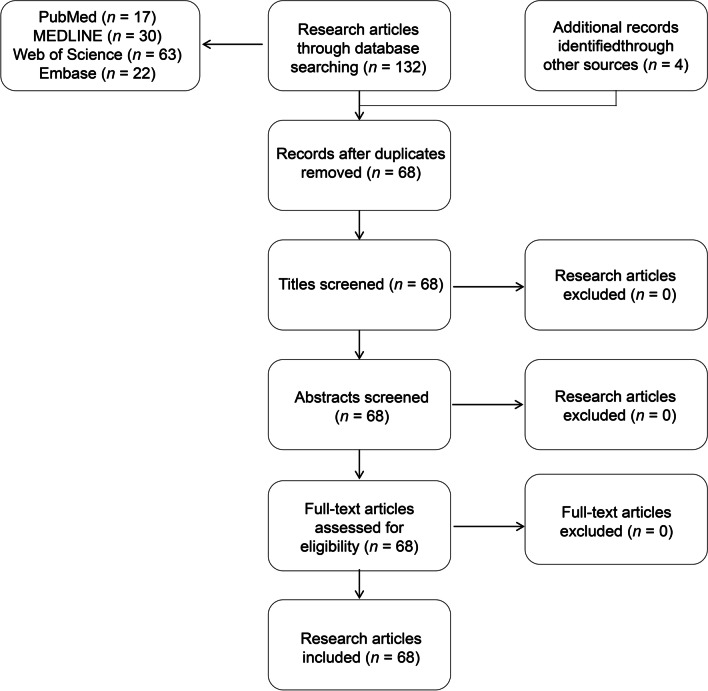
We searched PubMed, MEDLINE, Web of Science, and Embase for research articles and the Institutional Repository for Information Sharing of WHO for reports on SMC. We used gap analysis to investigate the challenges and gaps of SMC since COVID-19. Through the above methods to explore China's prospective contribution to SMC.
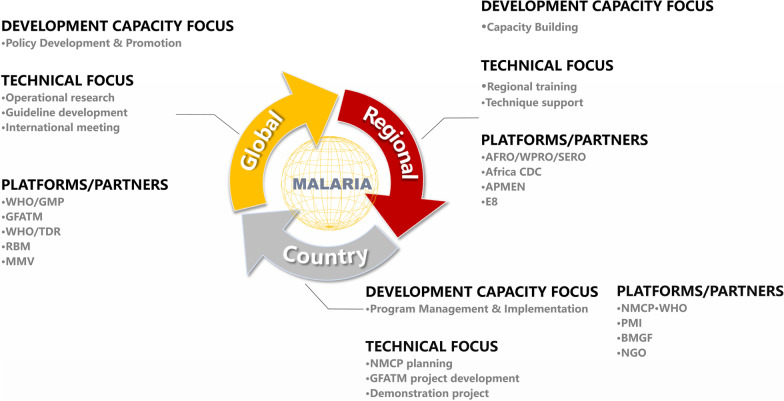
A total of 68 research articles and reports were found. Through gap analysis, we found that despite the delays in the SMC campaign, 11.8 million children received SMC in 2020. However, there remained some challenges: (1) a shortage of fully covered monthly courses; (2) lack of adherence to the second and third doses of amodiaquine; (3) four courses of SMC are not sufficient to cover the entire malaria transmission season in areas where the peak transmission lasts longer; (4) additional interventions are needed to consolidate SMC efforts. China was certified malaria-free by WHO in 2021, and its experience and expertise in malaria elimination can be shared with high-burden countries. With the potential to join the multilateral cooperation in SMC, including the supply of quality-assured health commodities, know-how transfer and experience sharing, China is expected to contribute to the ongoing scale-up of SMC.
A combination of necessary preventive and curative activities may prove beneficial both for targeted populations and for health system strengthening in the long run. More actions are entailed to promote the partnership and China can be one of the main contributors with various roles.
五岁以下儿童是最容易感染疟原虫的弱势群体,特别是在萨赫勒地区。世界卫生组织(WHO)推荐的季节性疟疾化学预防(SMC)已被证明是一种预防疟疾的高效干预措施。鉴于 COVID-19 大流行期间报告的死亡人数比前几年因基本医疗服务中断而增加,因此有必要寻求更协调和综合的方法来加快 SMC 的步伐、覆盖面和弹性。为此,可以充分利用中国等全球抗击疟疾的主要参与者的资源,加速非洲的 SMC 进程。
我们在 PubMed、MEDLINE、Web of Science 和 Embase 上搜索了关于 SMC 的研究文章和报告,并在世界卫生组织信息共享机构知识库中搜索了关于 SMC 的报告。我们使用差距分析来调查 COVID-19 以来 SMC 的挑战和差距。通过以上方法,探讨中国对 SMC 的预期贡献。
共发现 68 篇研究文章和报告。通过差距分析,我们发现,尽管 SMC 运动有所推迟,但 2020 年仍有 1180 万名儿童接受了 SMC。然而,仍存在一些挑战:(1)完全覆盖的每月疗程不足;(2)未能遵守第二和第三剂阿莫地喹;(3)四剂 SMC 不足以覆盖疟疾传播高峰期较长地区的整个疟疾传播季节;(4)需要额外的干预措施来巩固 SMC 工作。中国已于 2021 年被世界卫生组织认证为无疟疾国家,其在消除疟疾方面的经验和专业知识可与高负担国家分享。随着加入 SMC 多边合作的潜力,包括提供质量有保证的卫生商品、技术转让和经验分享,中国有望为正在进行的 SMC 扩大规模做出贡献。
长期来看,将必要的预防和治疗活动结合起来,可能对目标人群和加强卫生系统都有好处。需要采取更多行动来促进伙伴关系,中国可以作为主要贡献者之一,发挥各种作用。