Burgos-Mármol J Javier, Patti Alessandro
Institute of Systems, Molecular & Integrative Biology, University of Liverpool, Crown St., Liverpool L69 7ZB, UK.
Department of Chemical Engineering and Analytical Science, The University of Manchester, The Mill. Sackville Street, Manchester M13 9PL, UK.
Polymers (Basel). 2021 May 9;13(9):1524. doi: 10.3390/polym13091524.
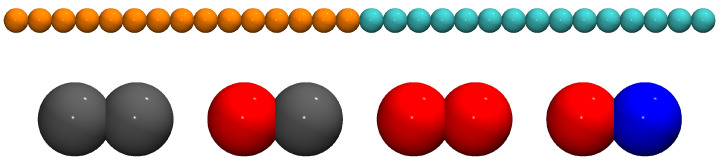
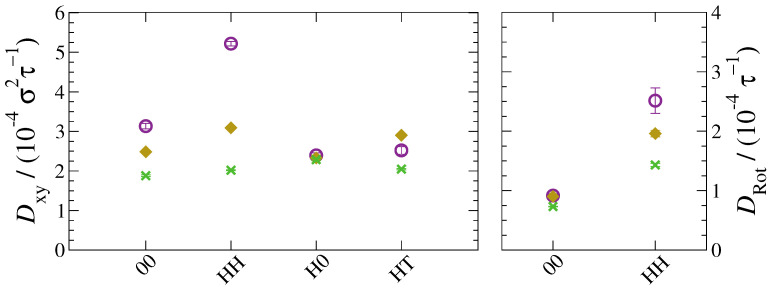
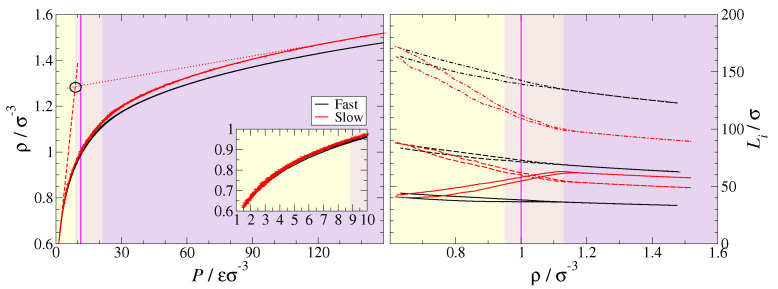
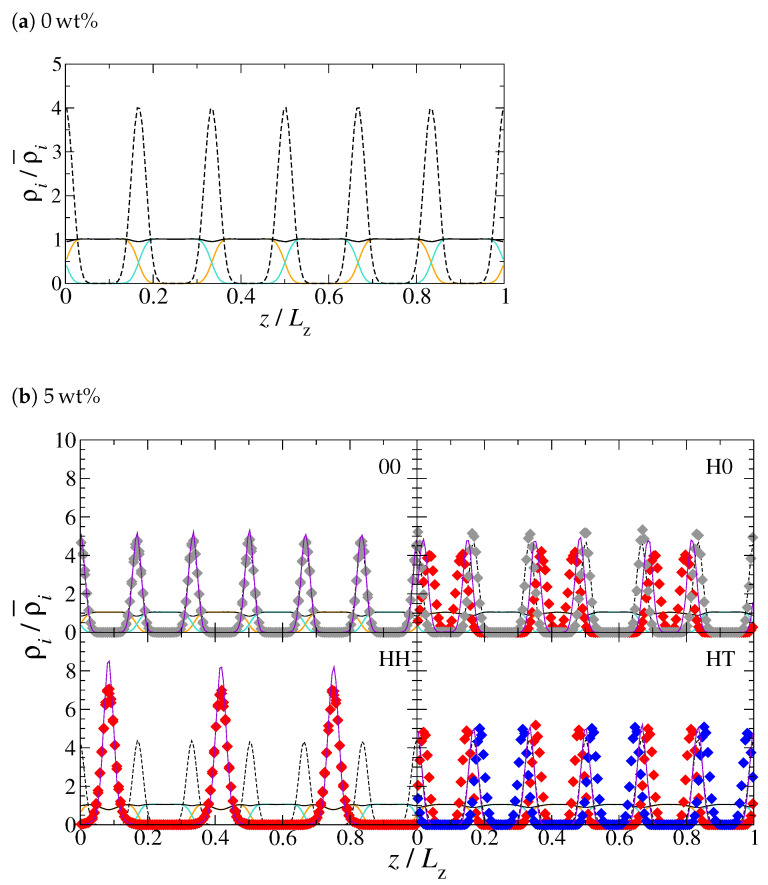
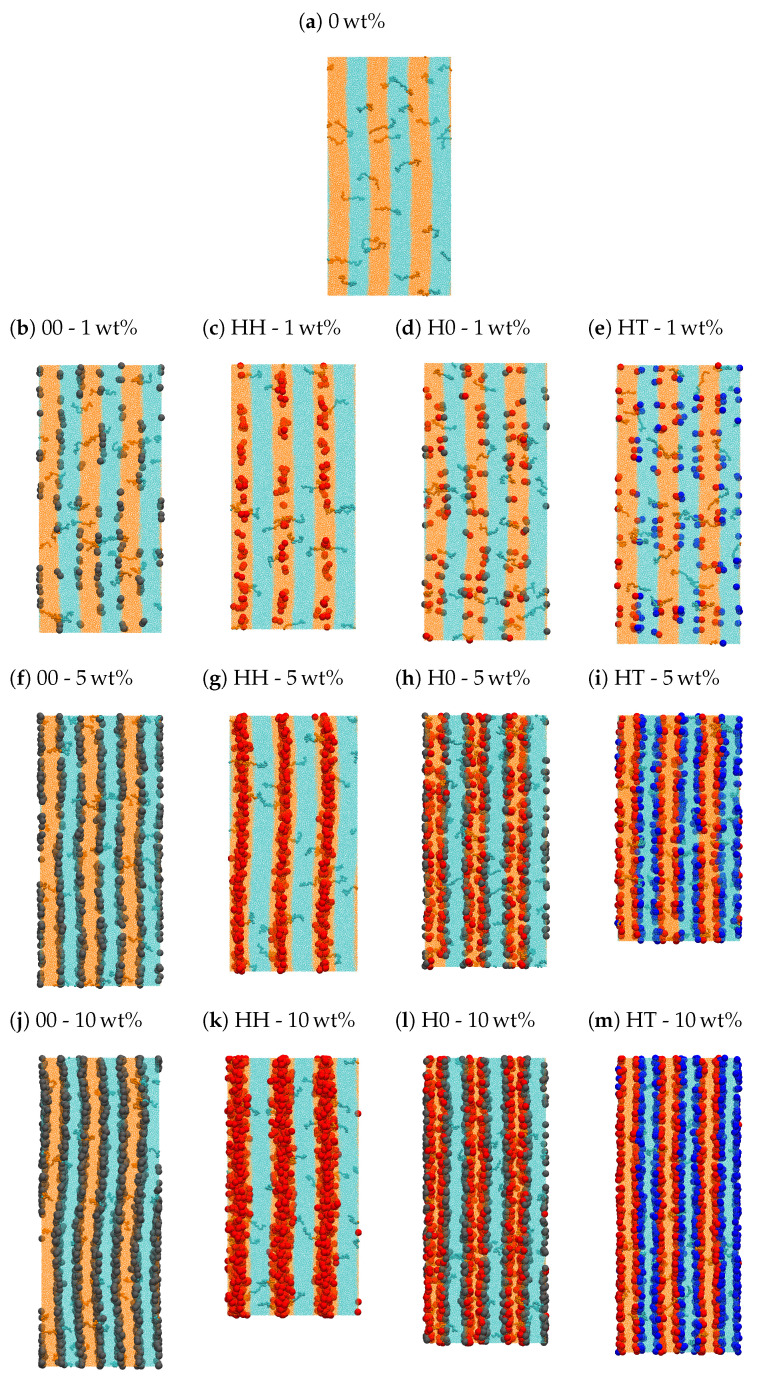
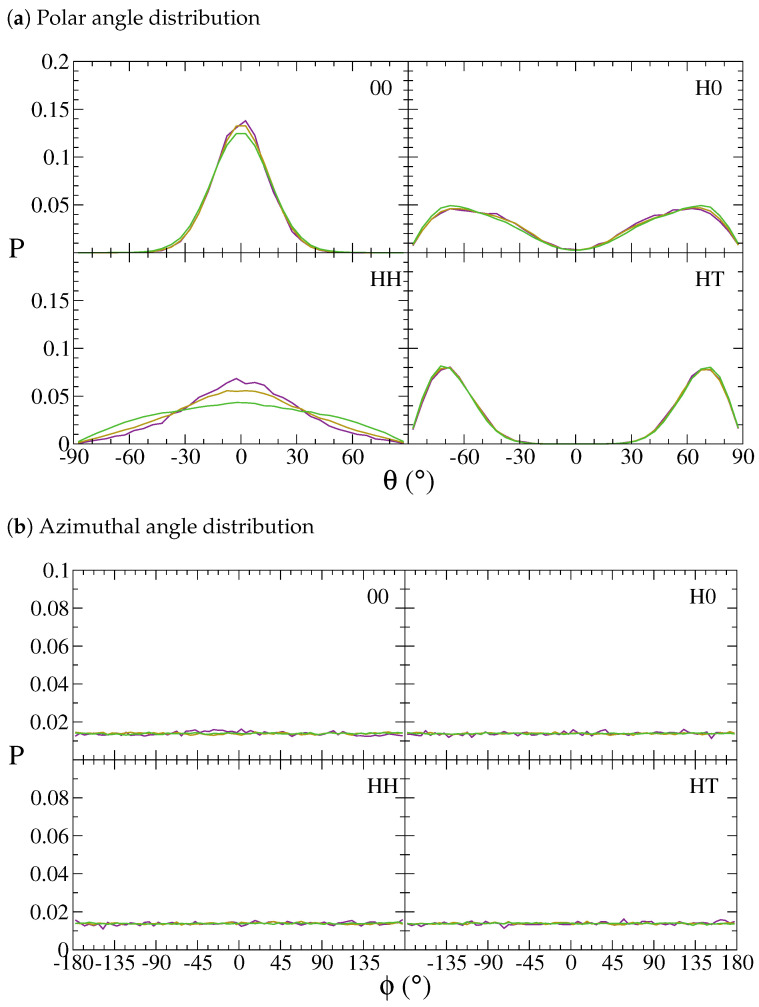
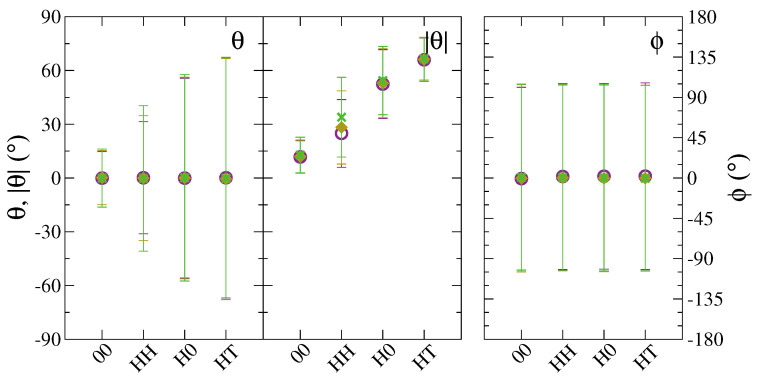
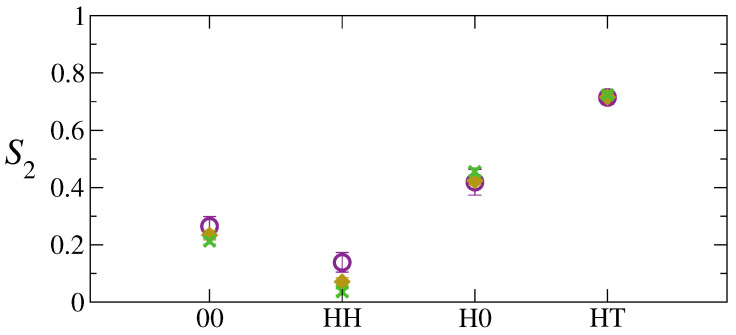
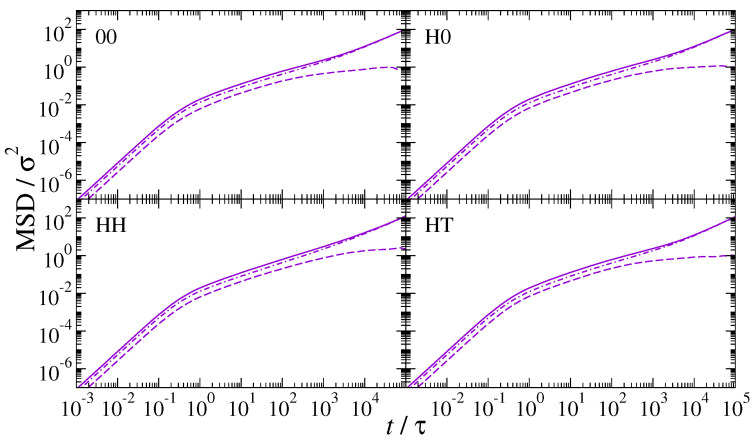
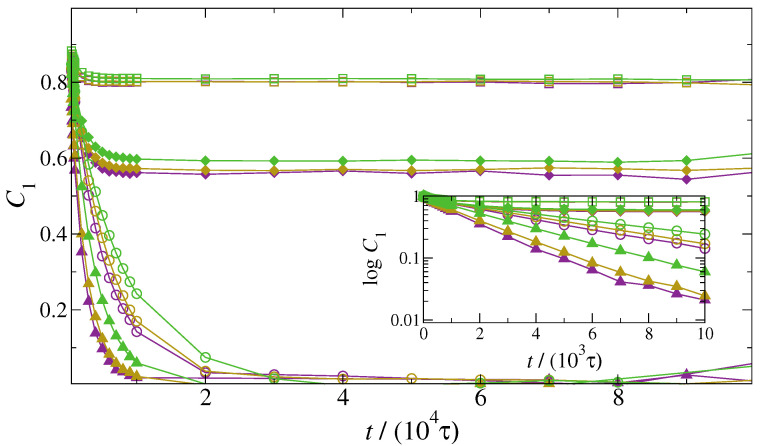
We investigate structural and dynamical properties of Janus nanodimers (NDs) dispersed in lamellar phases of a diblock copolymer. By performing molecular dynamics simulations, we show that an accurate tuning of the interactions between NDs and copolymer blocks can lead to a close control of NDs' space distribution and orientation. In particular, NDs are preferentially found within the lamellae if enthalpy-driven forces offset their entropic counterpart. By contrast, when enthalpy-driven forces are not significant, the distribution of NDs, preferentially observed within the inter-lamellar spacing, is mostly driven by excluded-volume effects. Not only does the degree of affinity between host and guest species drive the NDs' distribution in the polymer matrix, but it also determines their space orientation. In turn, these key structural properties influence the long-time dynamics and the ability of NDs to diffuse through the polymer matrix.
我们研究了分散在二嵌段共聚物层状相中的Janus纳米二聚体(NDs)的结构和动力学性质。通过进行分子动力学模拟,我们表明,对NDs与共聚物嵌段之间相互作用的精确调控可实现对NDs空间分布和取向的精确控制。特别是,如果焓驱动的力抵消了熵驱动的力,NDs优先出现在片层内。相比之下,当焓驱动的力不显著时,NDs的分布(优先在层间间距内观察到)主要由排除体积效应驱动。主体和客体物种之间的亲和程度不仅驱动NDs在聚合物基质中的分布,还决定其空间取向。反过来,这些关键的结构性质会影响长期动力学以及NDs在聚合物基质中扩散的能力。