Nakhjavani Maryam, Smith Eric, Yeo Kenny, Palethorpe Helen M, Tomita Yoko, Price Tim J, Townsend Amanda R, Hardingham Jennifer E
Molecular Oncology, Basil Hetzel Institute, The Queen Elizabeth Hospital, Woodville South, SA 5011, Australia.
Adelaide Medical School, University of Adelaide, Adelaide, SA 5005, Australia.
Cancers (Basel). 2021 May 6;13(9):2223. doi: 10.3390/cancers13092223.
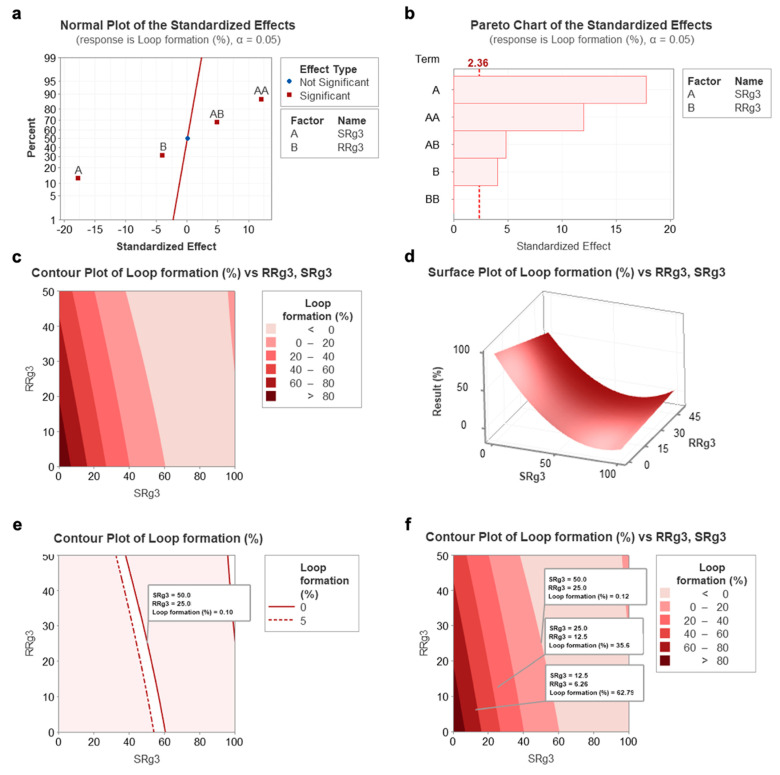
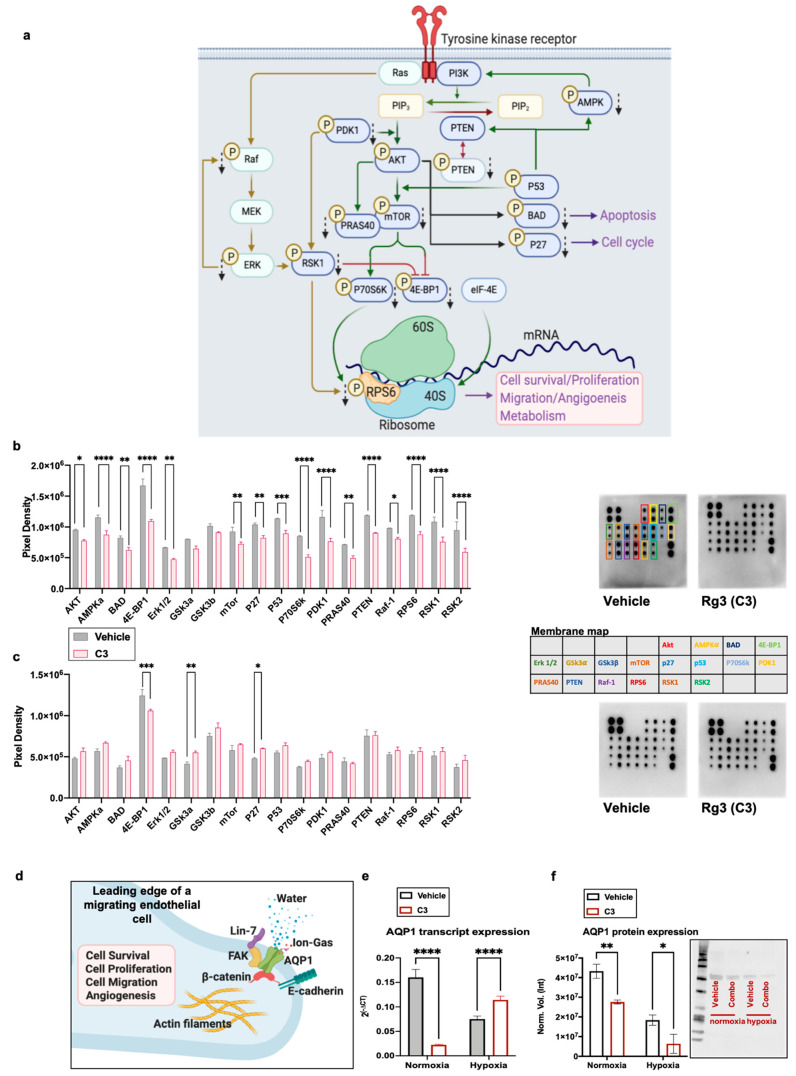
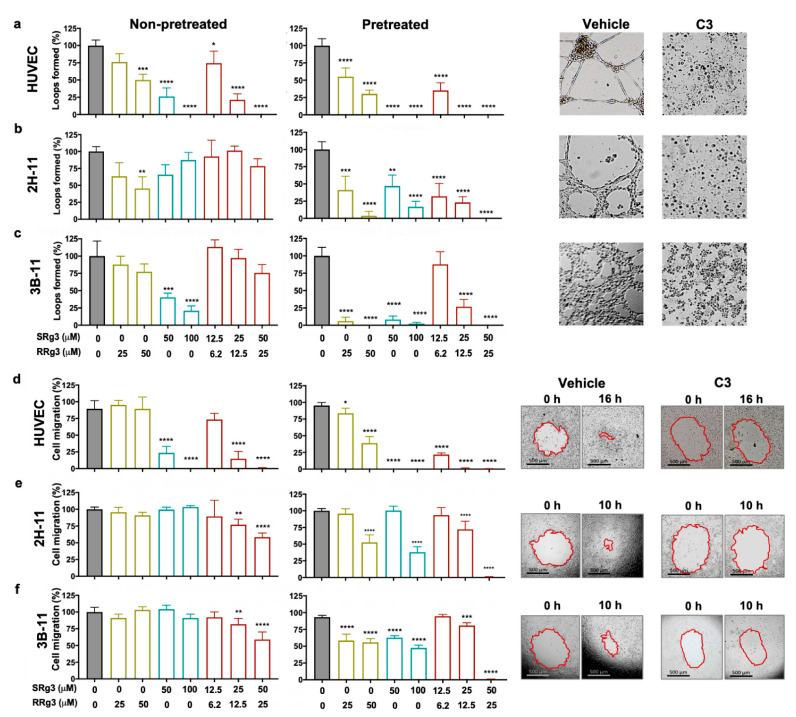
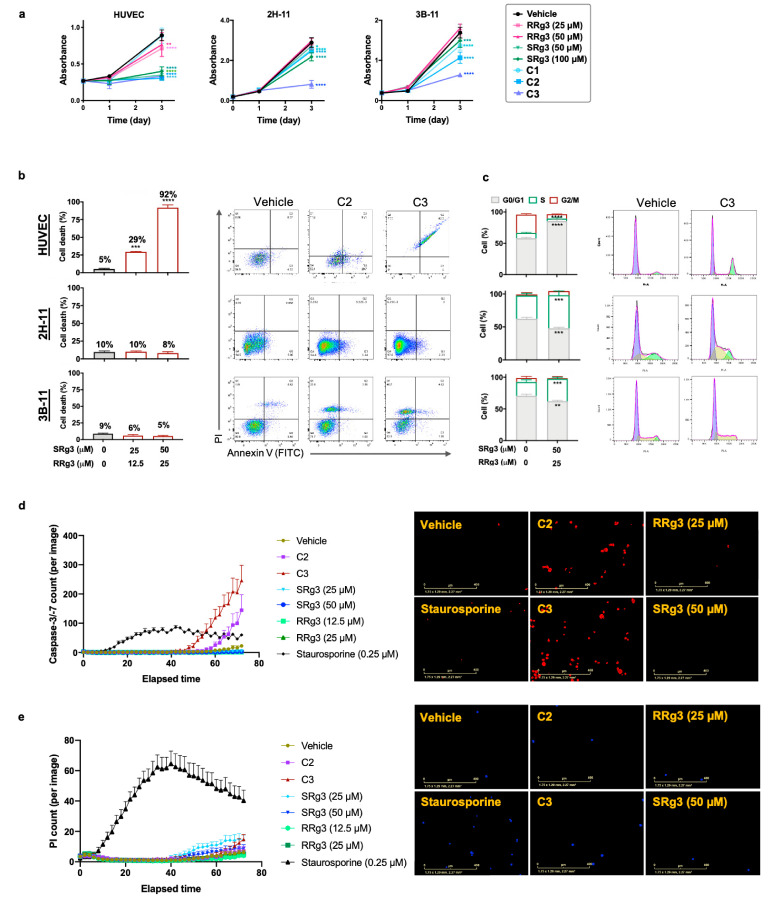
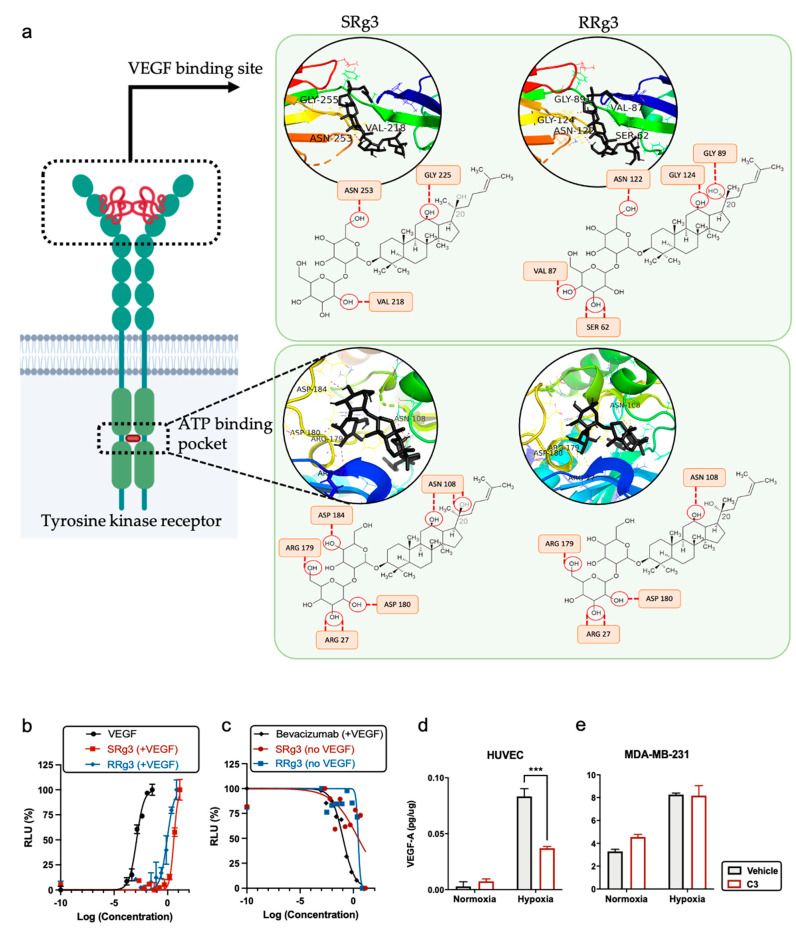
Tumour angiogenesis plays a key role in tumour growth and progression. The application of current anti-angiogenic drugs is accompanied by adverse effects and drug resistance. Therefore, finding safer effective treatments is needed. Ginsenoside Rg3 (Rg3) has two epimers, 20(S)-Rg3 (SRg3) and 20(R)-Rg3 (RRg3), with stereoselective activities. Using response surface methodology, we optimised a combination of these two epimers for the loop formation of human umbilical vein endothelial cell (HUVEC). The optimised combination (C3) was tested on HUVEC and two murine endothelial cell lines. C3 significantly inhibited the loop formation, migration, and proliferation of these cells, inducing apoptosis in HUVEC and cell cycle arrest in all of the cell lines tested. Using molecular docking and vascular endothelial growth factor (VEGF) bioassay, we showed that Rg3 has an allosteric modulatory effect on vascular endothelial growth factor receptor 2 (VEGFR2). C3 also decreased the VEGF expression in hypoxic conditions, decreased the expression of aquaporin 1 and affected AKT signaling. The proteins that were mostly affected after C3 treatment were those related to mammalian target of rapamycin (mTOR). Eukaryotic translation initiation factor 4E (eIF4E)-binding protein 1 (4E-BP1) was one of the important targets of C3, which was affected in both hypoxic and normoxic conditions. In conclusion, these results show the potential of C3 as a novel anti-angiogenic drug.
肿瘤血管生成在肿瘤生长和进展中起关键作用。当前抗血管生成药物的应用伴随着不良反应和耐药性。因此,需要寻找更安全有效的治疗方法。人参皂苷Rg3(Rg3)有两种差向异构体,20(S)-Rg3(SRg3)和20(R)-Rg3(RRg3),具有立体选择性活性。我们采用响应面法优化了这两种差向异构体的组合,用于人脐静脉内皮细胞(HUVEC)的成环。在HUVEC和两种小鼠内皮细胞系上测试了优化后的组合(C3)。C3显著抑制了这些细胞的成环、迁移和增殖,诱导HUVEC凋亡并使所有测试细胞系发生细胞周期阻滞。通过分子对接和血管内皮生长因子(VEGF)生物测定,我们发现Rg3对血管内皮生长因子受体2(VEGFR2)具有变构调节作用。C3还降低了缺氧条件下VEGF的表达,降低了水通道蛋白1的表达并影响AKT信号传导。C3处理后受影响最大的蛋白质是那些与雷帕霉素靶蛋白(mTOR)相关的蛋白质。真核翻译起始因子4E(eIF4E)结合蛋白1(4E-BP1)是C3的重要靶点之一,在缺氧和常氧条件下均受影响。总之,这些结果显示了C3作为一种新型抗血管生成药物的潜力。