Dal Poggetto Giovanni, Catauro Michelina, Crescente Giuseppina, Leonelli Cristina
Department of Engineering "Enzo Ferrari", University of Modena and Reggio Emilia, Via P. Vivarelli 10, 41125 Modena, Italy.
Department of Industrial Engineering, University of Campania "Luigi Vanvitelli", Via Roma 29, 81031 Aversa, Italy.
Polymers (Basel). 2021 May 6;13(9):1493. doi: 10.3390/polym13091493.
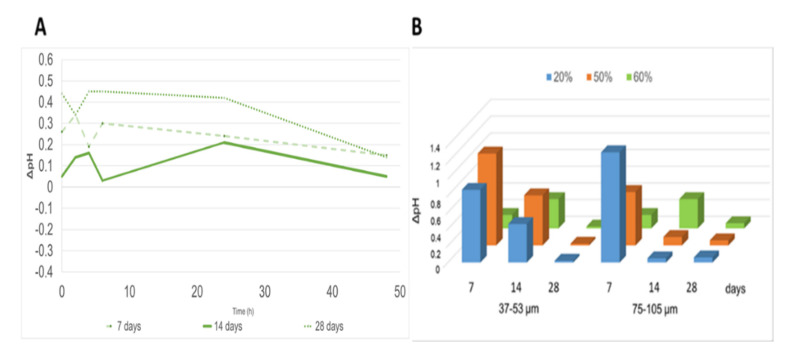
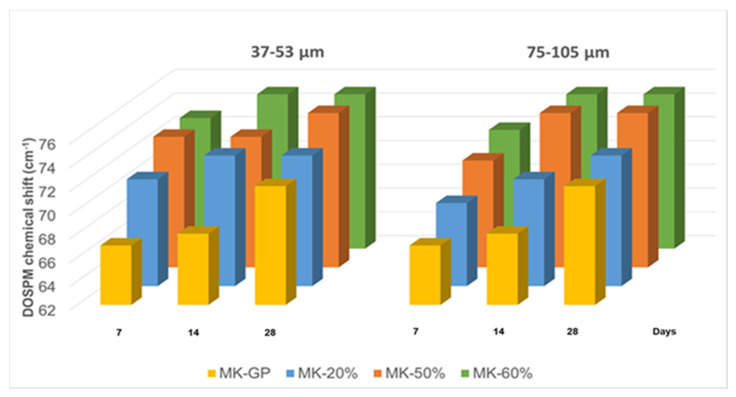
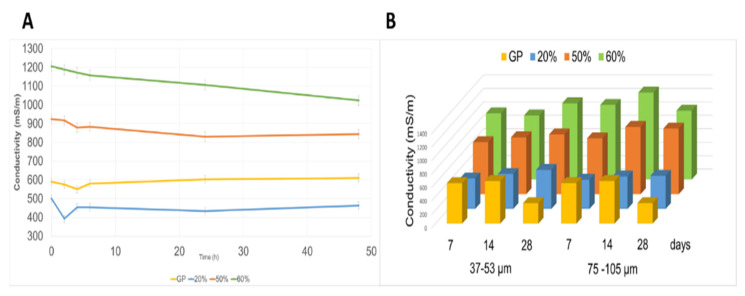
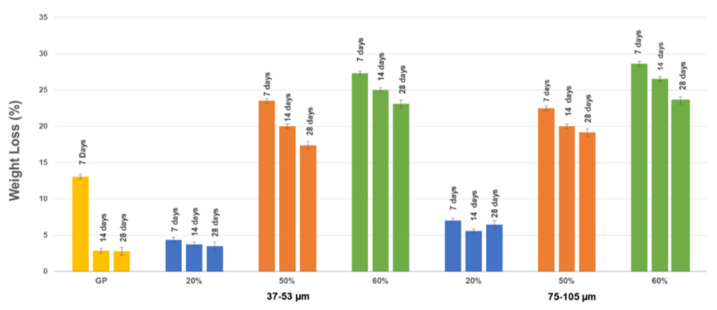
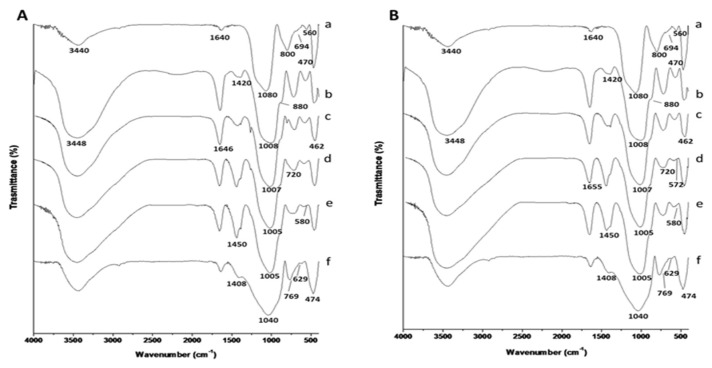
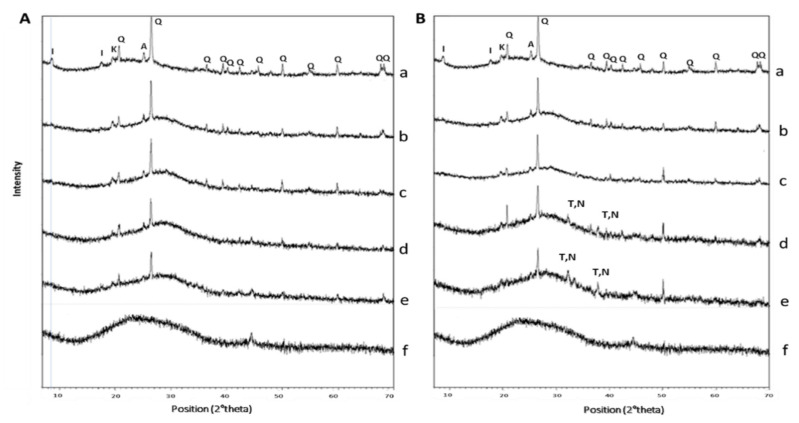
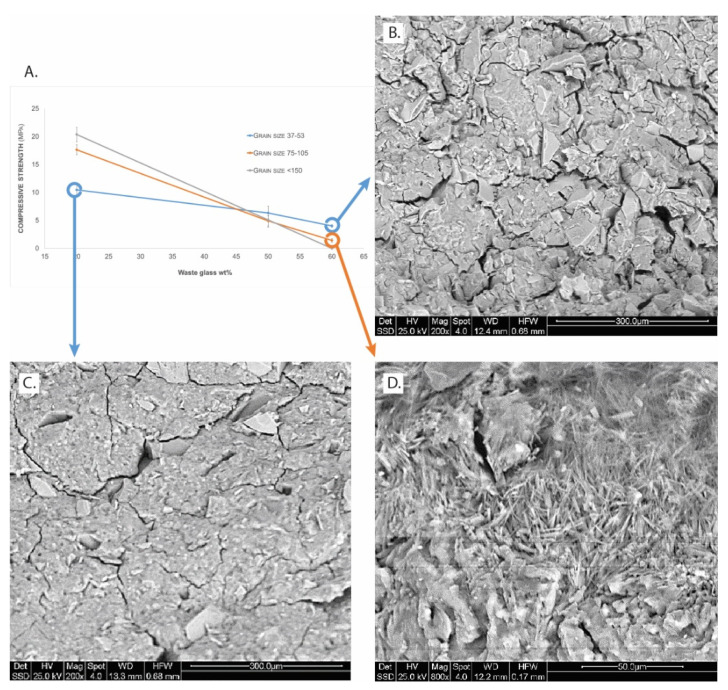
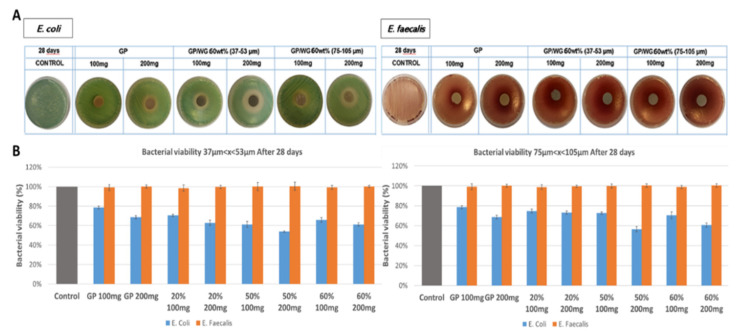
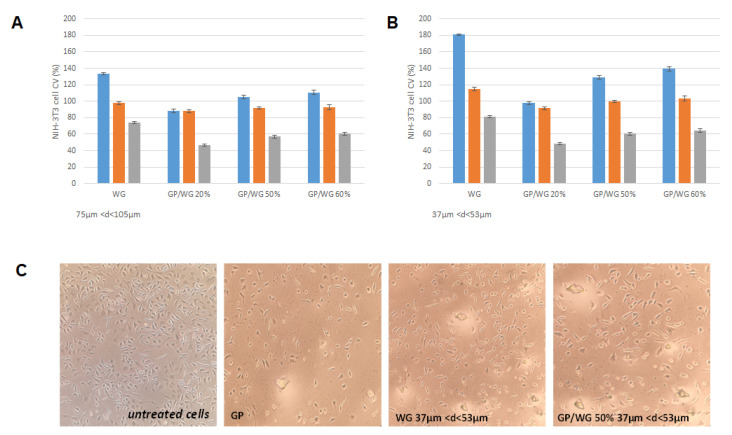
Reuse of waste glass can significantly decrease the quantity of waste to be treated or disposed of in landfills, allowing to both diminish the ecological damage and to reduce the costs of transportation for removal. Geopolymer mixes with diverse percentages (20, 50 and 60 wt%) and with different grain size ranges (37 μm < diam < 53 μm; 75 μm < diam < 105 μm) of waste glass and the residual part of pure metakaolin were prepared by addition of NaOH and sodium silicate as alkaline activator solutions. The effect of waste glass on the mechanical and microstructure of new geopolymers has been explored in this study. Fourier transform infrared spectroscopy (FTIR) evidenced the reactivity of waste glass in terms of Si-O and Si-O-Al bonds, more evident for the finer waste glass powder. The consolidation of the materials has been established by reduced weight loss in water and decreased pH and ionic conductivity of the eluate after 7, 14 and 28 days of curing at room temperature. The decrease of the mechanical properties with waste glass content was less evident for the finer glassy powders, yet the value of about 4-5 MPa indicates their potential use as non-structural materials. The consolidated final materials were tested for their effects on the microbial growth of and after 24 and 48 h, respectively. The samples showed a very limited and absent inhibition zone, for fine and coarse grain size ranges, respectively. Finally, the cytotoxicity tests accomplished the ecological valuation of the final consolidated products.
废玻璃的再利用可以显著减少需要在垃圾填埋场处理或处置的废物量,既能减少生态破坏,又能降低运输成本。通过添加氢氧化钠和硅酸钠作为碱性活化剂溶液,制备了含有不同百分比(20%、50%和60%重量)以及不同粒度范围(37μm<直径<53μm;75μm<直径<105μm)的废玻璃与纯偏高岭土剩余部分的地质聚合物混合物。本研究探讨了废玻璃对新型地质聚合物力学性能和微观结构的影响。傅里叶变换红外光谱(FTIR)证明了废玻璃在硅氧键和硅氧铝键方面的反应活性,对于更细的废玻璃粉末更为明显。通过在室温下养护7天、14天和28天后,材料在水中的失重减少以及洗脱液的pH值和离子电导率降低,证实了材料的固化。对于更细的玻璃状粉末,随着废玻璃含量增加力学性能的下降不太明显,但约4 - 5兆帕的值表明它们有作为非结构材料的潜在用途。分别在24小时和48小时后测试了固化后的最终材料对大肠杆菌和金黄色葡萄球菌微生物生长的影响。对于细粒度和粗粒度范围,样品分别显示出非常有限的抑制区和无抑制区。最后,细胞毒性测试完成了对最终固化产品的生态评估。