Pharmacoidea Ltd., H-6726 Szeged, Hungary.
Department of Medicine, Albert Szent-Györgyi Clinical Center, Faculty of Medicine, University of Szeged, H-6725 Szeged, Hungary.
Int J Mol Sci. 2021 May 19;22(10):5336. doi: 10.3390/ijms22105336.
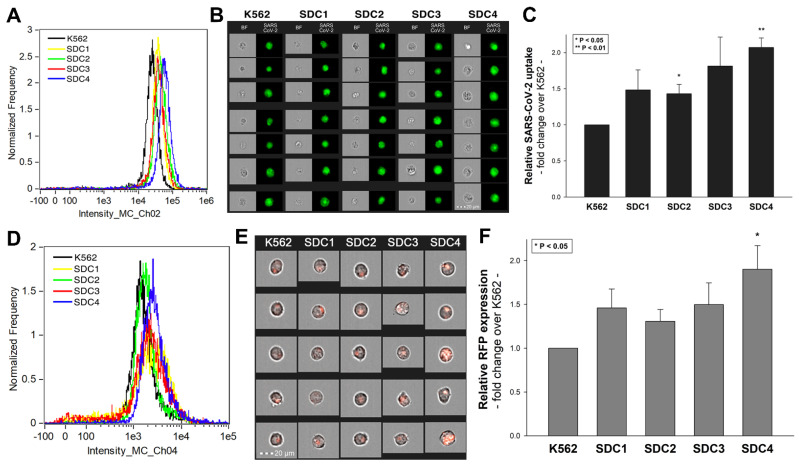
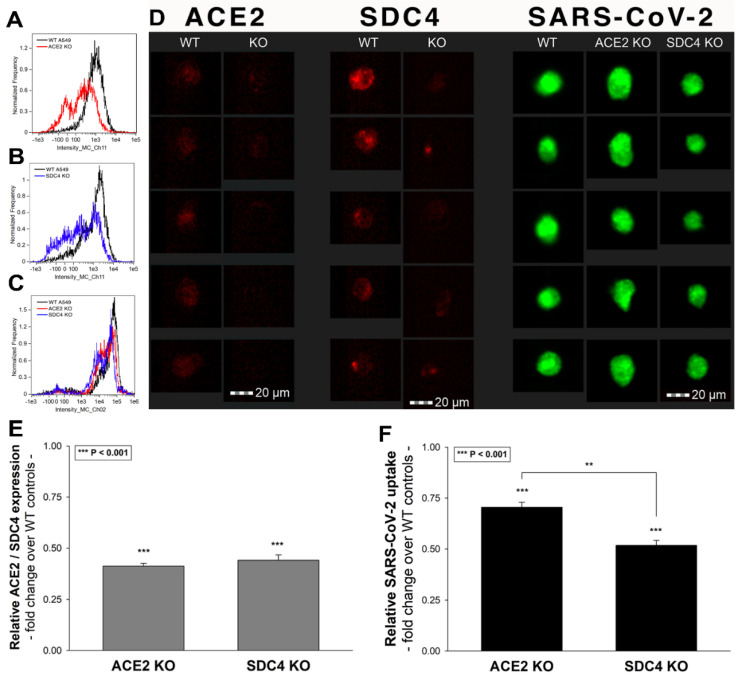
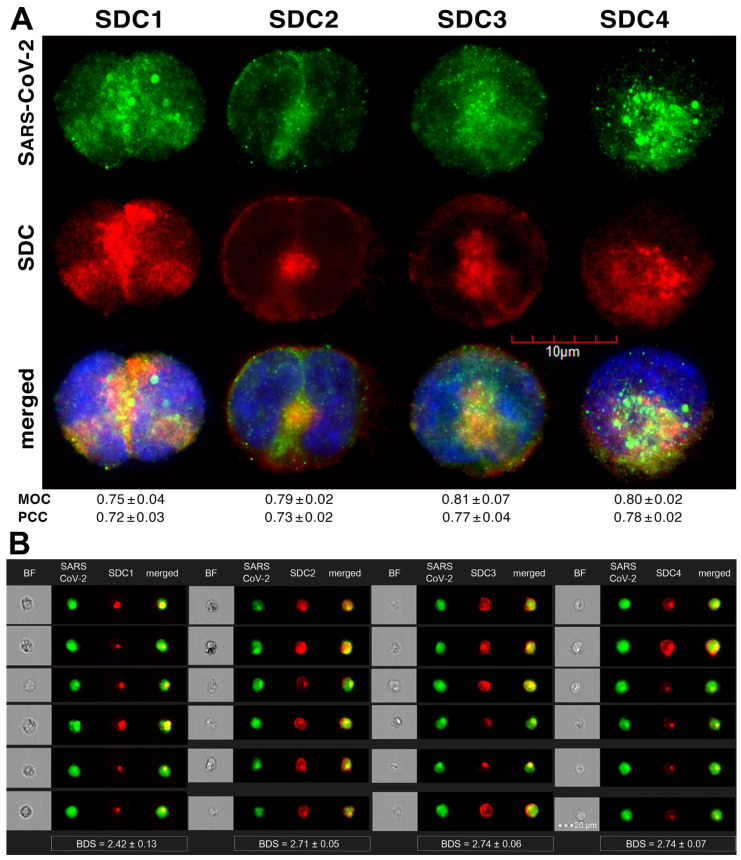
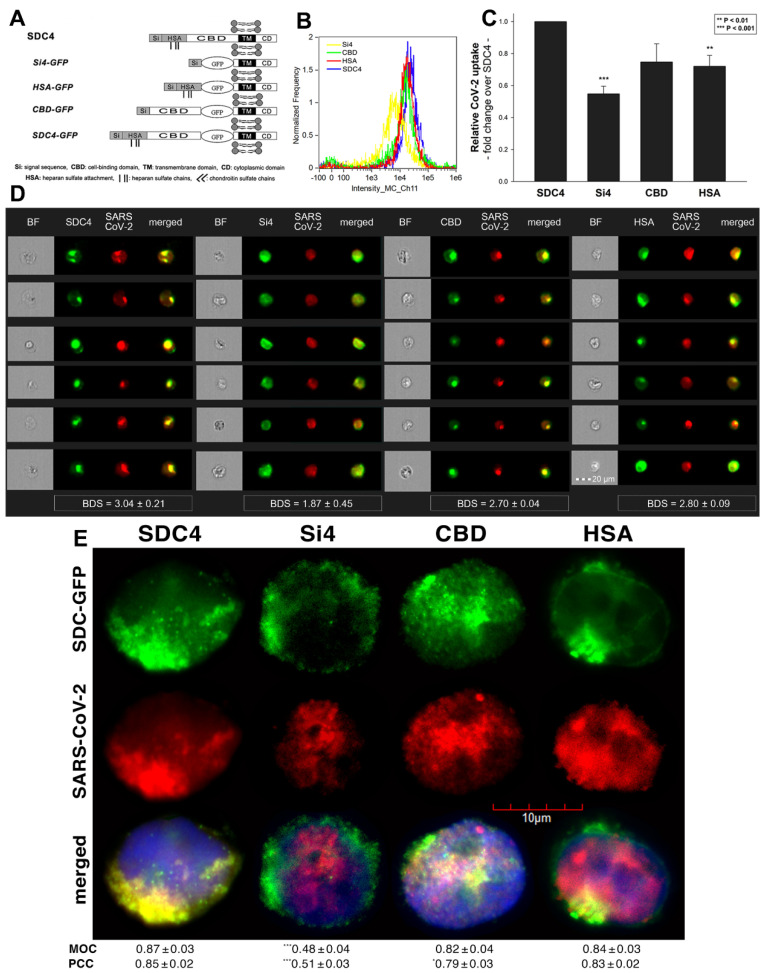
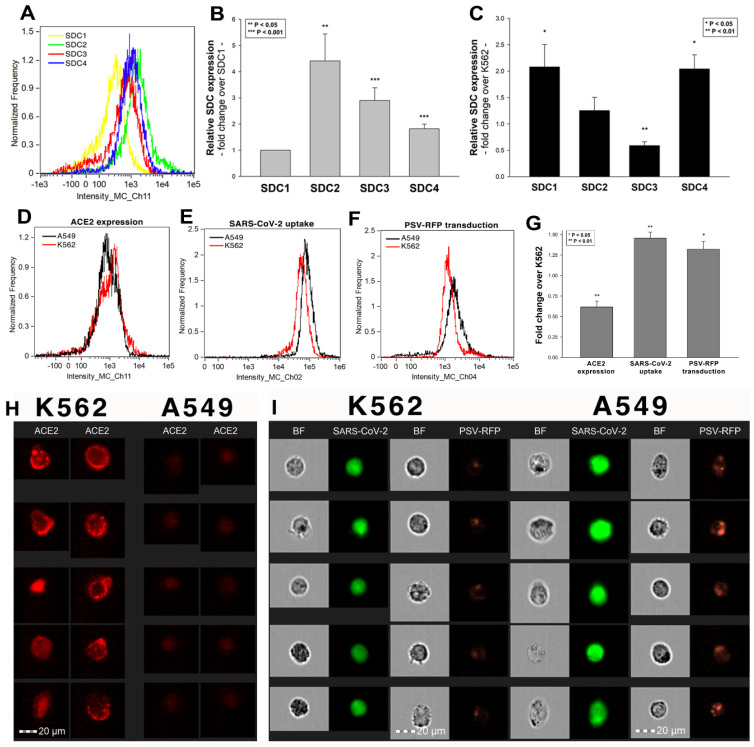
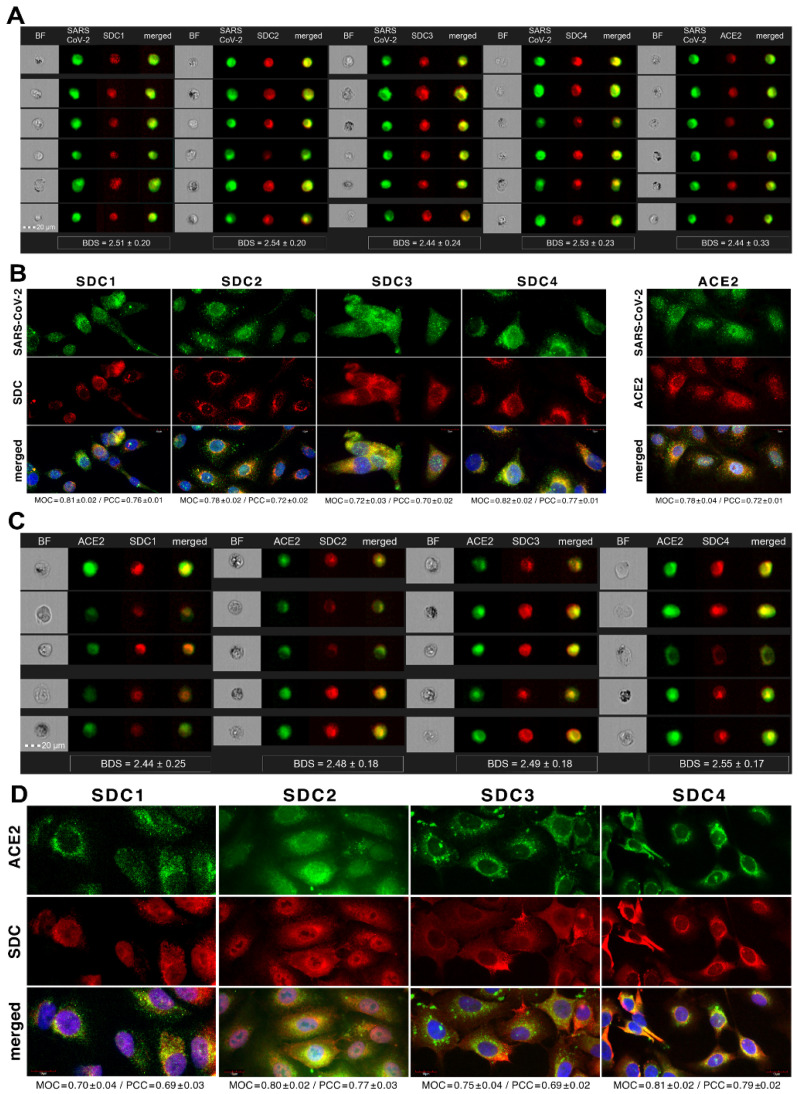
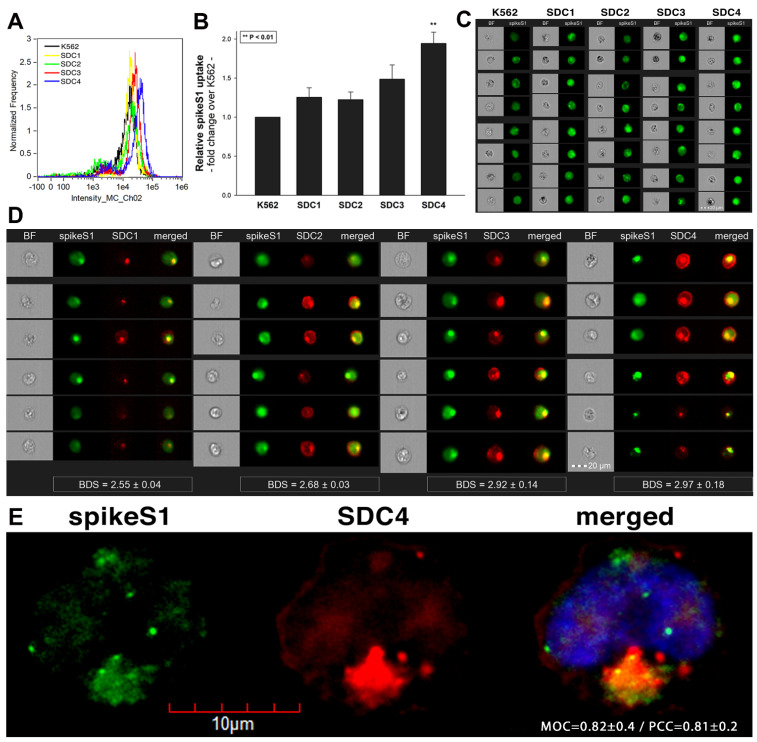
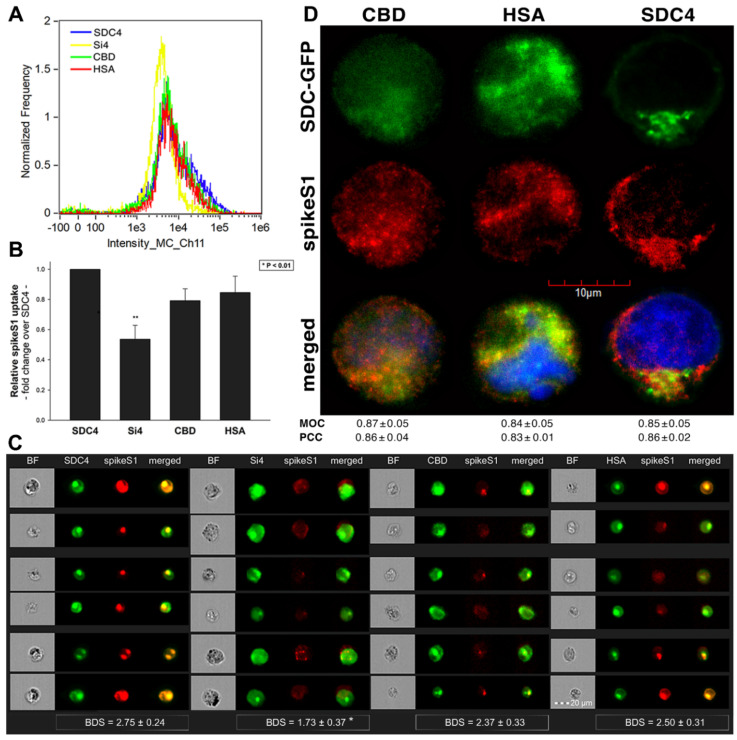
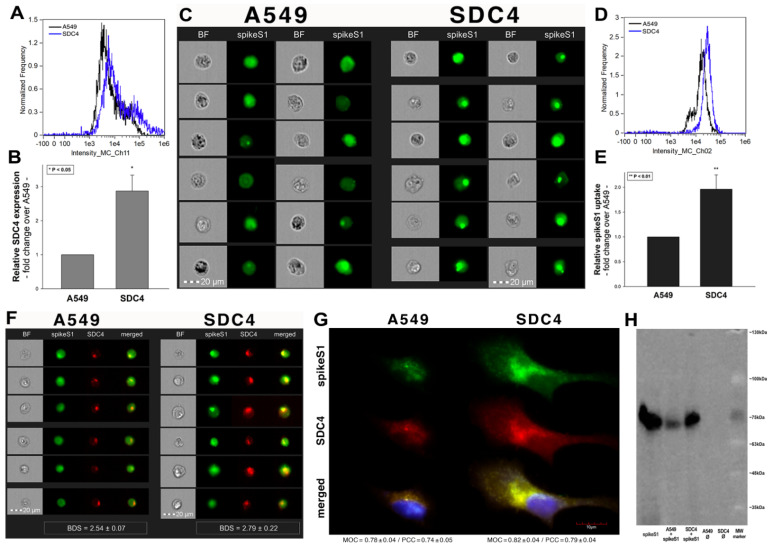
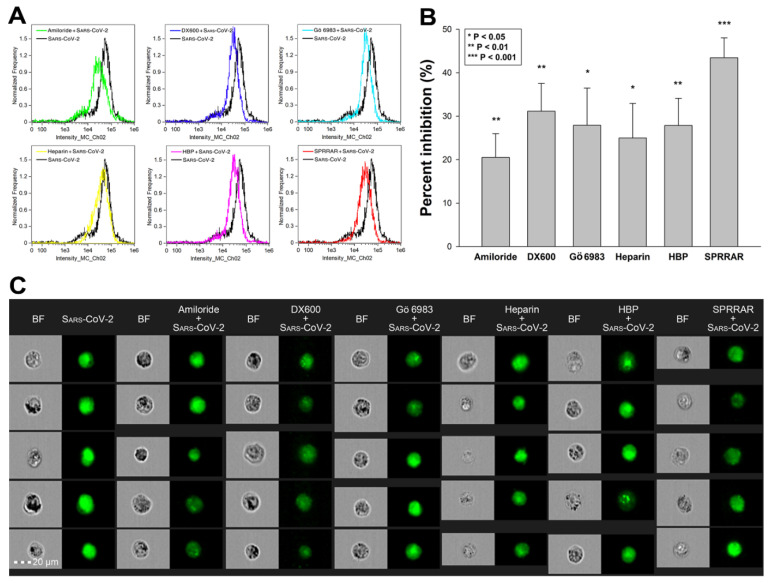
The severe acute respiratory syndrome coronavirus 2 (SARS-CoV-2) is a novel emerging pathogen causing an unprecedented pandemic in 21st century medicine. Due to the significant health and economic burden of the current SARS-CoV-2 outbreak, there is a huge unmet medical need for novel interventions effectively blocking SARS-CoV-2 infection. Unknown details of SARS-CoV-2 cellular biology hamper the development of potent and highly specific SARS-CoV-2 therapeutics. Angiotensin-converting enzyme-2 (ACE2) has been reported to be the primary receptor for SARS-CoV-2 cellular entry. However, emerging scientific evidence suggests the involvement of additional membrane proteins, such as heparan sulfate proteoglycans, in SARS-CoV-2 internalization. Here, we report that syndecans, the evolutionarily conserved family of transmembrane proteoglycans, facilitate the cellular entry of SARS-CoV-2. Among syndecans, the lung abundant syndecan-4 was the most efficient in mediating SARS-CoV-2 uptake. The S1 subunit of the SARS-CoV-2 spike protein plays a dominant role in the virus's interactions with syndecans. Besides the polyanionic heparan sulfate chains, other parts of the syndecan ectodomain, such as the cell-binding domain, also contribute to the interaction with SARS-CoV-2. During virus internalization, syndecans colocalize with ACE2, suggesting a jointly shared internalization pathway. Both ACE2 and syndecan inhibitors exhibited significant efficacy in reducing the cellular entry of SARS-CoV-2, thus supporting the complex nature of internalization. Data obtained on syndecan specific in vitro assays present syndecans as novel cellular targets of SARS-CoV-2 and offer molecularly precise yet simple strategies to overcome the complex nature of SARS-CoV-2 infection.
严重急性呼吸综合征冠状病毒 2(SARS-CoV-2)是一种新型的新兴病原体,在 21 世纪的医学中引发了前所未有的大流行。由于当前 SARS-CoV-2 爆发对健康和经济造成的巨大负担,因此迫切需要新型干预措施来有效阻断 SARS-CoV-2 感染。SARS-CoV-2 细胞生物学的未知细节阻碍了有效且高度特异性的 SARS-CoV-2 疗法的发展。已报道血管紧张素转换酶-2(ACE2)是 SARS-CoV-2 细胞进入的主要受体。然而,新兴的科学证据表明,其他膜蛋白,例如硫酸乙酰肝素蛋白聚糖,也参与了 SARS-CoV-2 的内化。在这里,我们报告说,衔接蛋白是进化上保守的跨膜蛋白聚糖家族,可促进 SARS-CoV-2 的细胞进入。在衔接蛋白中,肺丰富的衔接蛋白-4介导 SARS-CoV-2 的摄取效率最高。SARS-CoV-2 刺突蛋白的 S1 亚基在病毒与衔接蛋白相互作用中起主要作用。除了带负电荷的硫酸乙酰肝素链外,衔接蛋白外域的其他部分,例如细胞结合域,也有助于与 SARS-CoV-2 的相互作用。在病毒内化过程中,衔接蛋白与 ACE2 共定位,提示存在共同的内化途径。ACE2 和衔接蛋白抑制剂均能显著降低 SARS-CoV-2 的细胞进入,从而支持内化的复杂性。在衔接蛋白的特定体外测定中获得的数据表明,衔接蛋白是 SARS-CoV-2 的新型细胞靶标,并提供了分子精确但简单的策略来克服 SARS-CoV-2 感染的复杂性。