Yaskolka Meir Anat, Tuohy Kieran, von Bergen Martin, Krajmalnik-Brown Rosa, Heinig Uwe, Zelicha Hila, Tsaban Gal, Rinott Ehud, Kaplan Alon, Aharoni Asaph, Zeibich Lydia, Chang Debbie, Dirks Blake, Diotallevi Camilla, Arapitsas Panagiotis, Vrhovsek Urska, Ceglarek Uta, Haange Sven-Bastiaan, Rolle-Kampczyk Ulrike, Engelmann Beatrice, Lapidot Miri, Colt Monica, Sun Qi, Shai Iris
Faculty of Health Sciences, Ben-Gurion University of the Negev, Beer-Sheva 8410501, Israel.
Department of Food Quality and Nutrition, Fondazione Edmund Mach, Research and Innovation Centre, Via E. Mach, 1, San Michele all'Adige, 38098 Trento, Italy.
Nutrients. 2021 May 30;13(6):1866. doi: 10.3390/nu13061866.
Polyphenols are secondary metabolites produced by plants to defend themselves from environmental stressors. We explored the effect of 'Mankai', a novel cultivated strain of a polyphenol-rich aquatic plant, on the metabolomic-gut clinical axis in vitro, in-vivo and in a clinical trial.
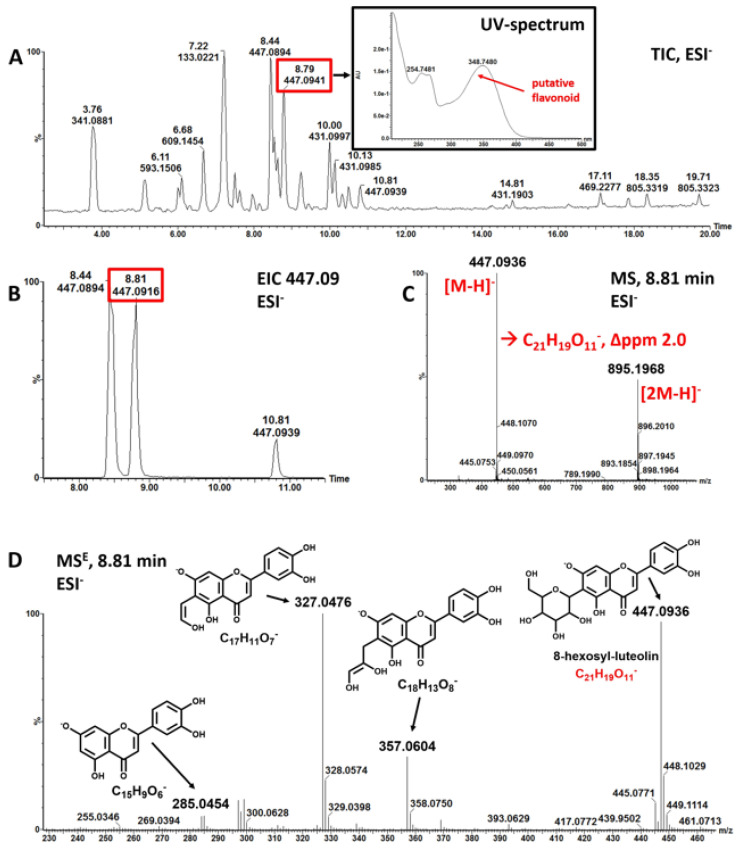
We used mass-spectrometry-based metabolomics methods from three laboratories to detect Mankai phenolic metabolites and examined predicted functional pathways in a Mankai artificial-gut bioreactor. Plasma and urine polyphenols were assessed among the 294 DIRECT-PLUS 18-month trial participants, comparing the effect of a polyphenol-rich green-Mediterranean diet (+1240 mg/polyphenols/day, provided by Mankai, green tea and walnuts) to a walnuts-enriched (+440 mg/polyphenols/day) Mediterranean diet and a healthy controlled diet.
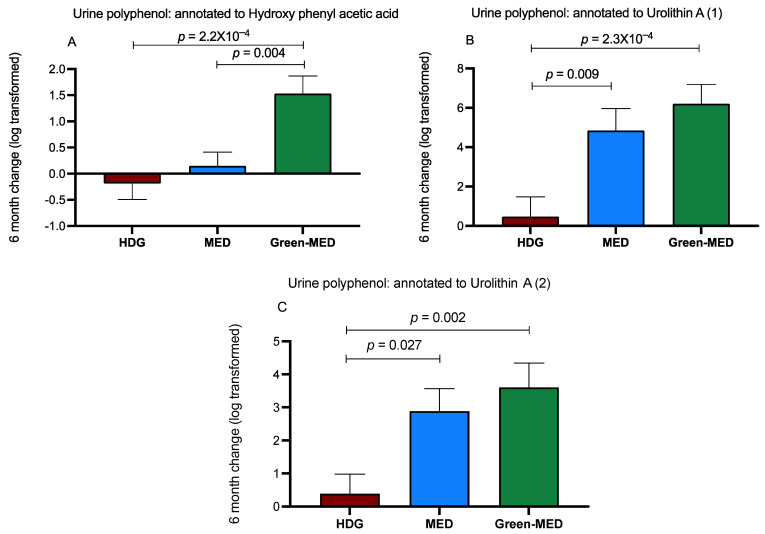
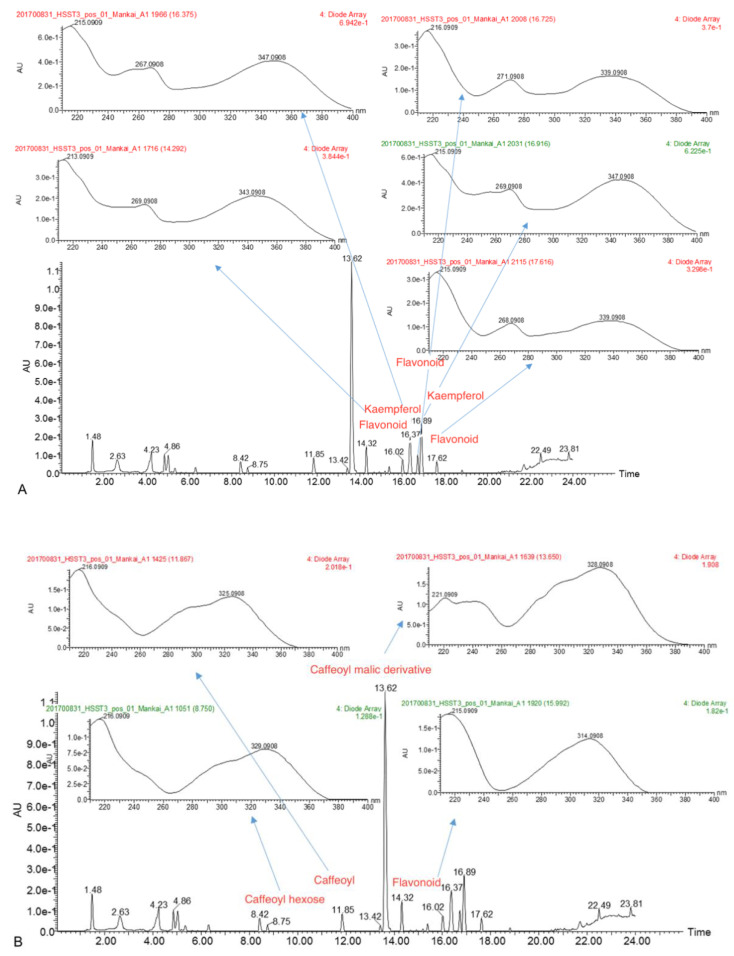
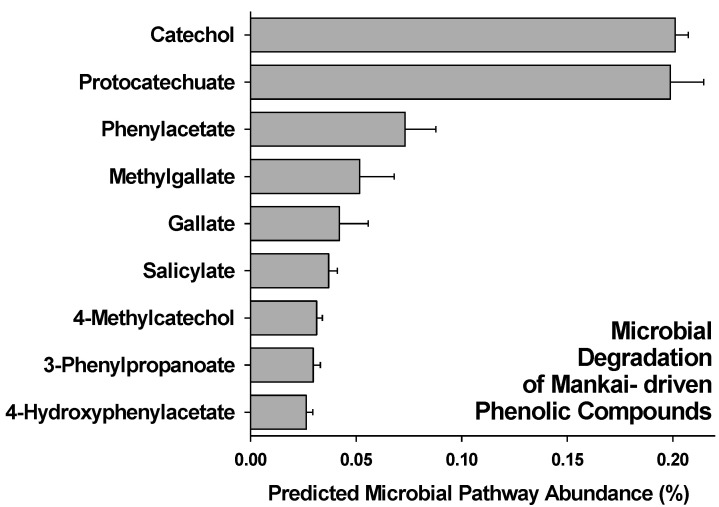
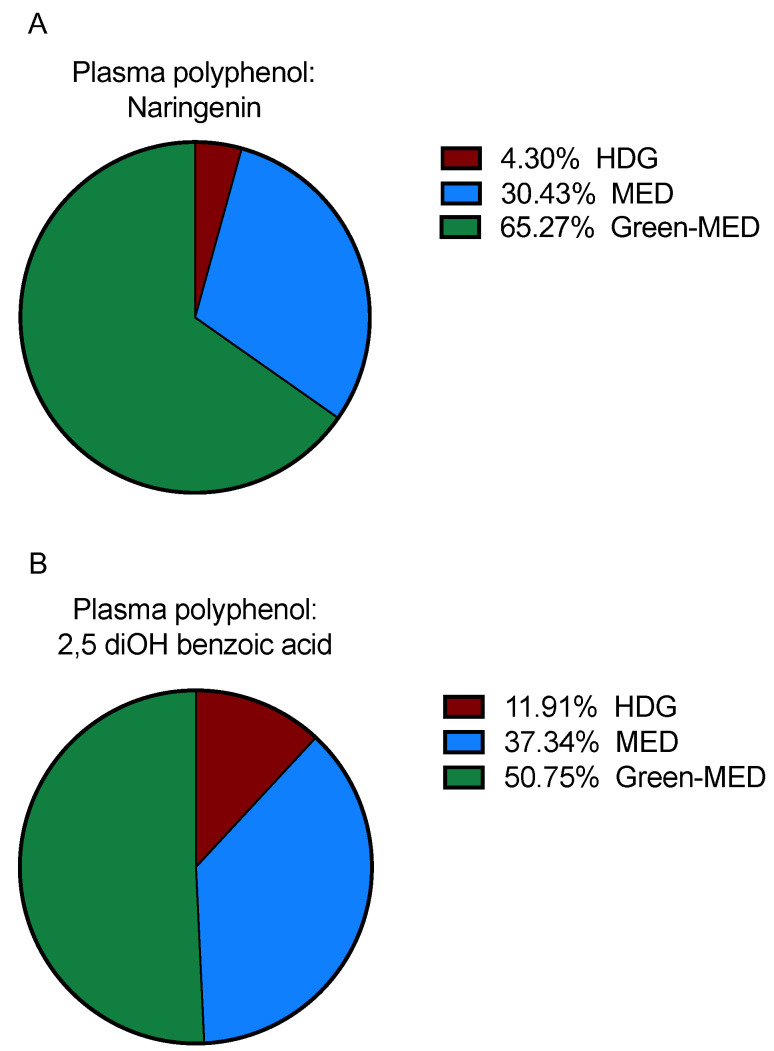
Approximately 200 different phenolic compounds were specifically detected in the Mankai plant. The Mankai-supplemented bioreactor artificial gut displayed a significantly higher relative-abundance of 16S-rRNA bacterial gene sequences encoding for enzymes involved in phenolic compound degradation. In humans, several Mankai-related plasma and urine polyphenols were differentially elevated in the green Mediterranean group compared with the other groups ( < 0.05) after six and 18 months of intervention (e.g., urine hydroxy-phenyl-acetic-acid and urolithin-A; plasma Naringenin and 2,5-diOH-benzoic-acid). Specific polyphenols, such as urolithin-A and 4-ethylphenol, were directly involved with clinical weight-related changes.
The Mankai new plant is rich in various unique potent polyphenols, potentially affecting the metabolomic-gut-clinical axis.
多酚是植物产生的次生代谢产物,用于抵御环境压力。我们在体外、体内和一项临床试验中探索了一种富含多酚的水生植物新栽培品种“满开”对代谢组学-肠道-临床轴的影响。
我们使用来自三个实验室的基于质谱的代谢组学方法来检测满开中的酚类代谢产物,并在满开人工肠道生物反应器中检查预测的功能途径。在DIRECT-PLUS为期18个月的试验的294名参与者中评估血浆和尿液中的多酚,比较富含多酚的绿色地中海饮食(每天+1240毫克多酚,由满开、绿茶和核桃提供)与富含核桃(每天+440毫克多酚)的地中海饮食和健康对照饮食的效果。
在满开植物中特异性检测到约200种不同的酚类化合物。补充满开的生物反应器人工肠道显示,编码参与酚类化合物降解的酶的16S-rRNA细菌基因序列的相对丰度显著更高。在人类中,干预6个月和18个月后,与其他组相比,绿色地中海组中几种与满开相关的血浆和尿液多酚有差异地升高(<0.05)(例如,尿液中的羟基苯乙酸和尿石素A;血浆中的柚皮素和2,5-二羟基苯甲酸)。特定的多酚,如尿石素A和4-乙基苯酚,与临床体重相关变化直接相关。
满开这种新植物富含各种独特的强效多酚,可能会影响代谢组学-肠道-临床轴。