New Francesca J, Deverill Sally J, Somani Bhaskar K
Department of Urology, University Hospital Southampton, Southampton SO16 6YD, UK.
Department of Urology, Queen Alexandra Hospital, Portsmouth PO6 3LY, UK.
J Clin Med. 2021 May 27;10(11):2354. doi: 10.3390/jcm10112354.
Malignant ureteric obstruction occurs in a variety of cancers and has been typically associated with a poor prognosis. Percutaneous nephrostomy (PCN) can potentially help increase patient longevity by establishing urinary drainage and treating renal failure. Our aim was to look at the outcomes of PCN in patients with advanced cancer and the impact on the patients' lifespan and quality of life.
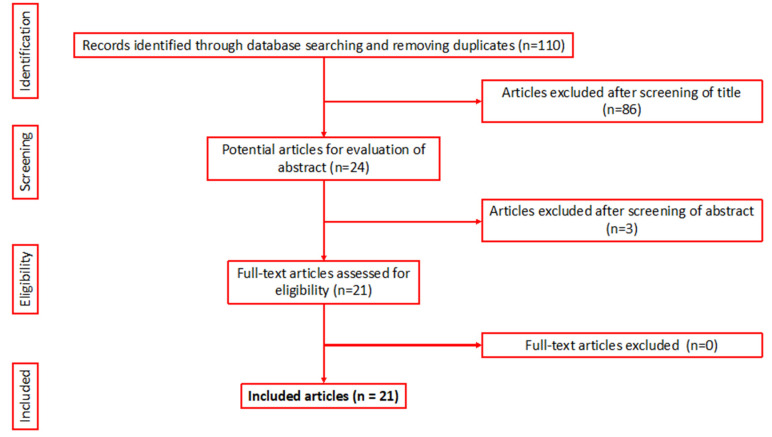
A literature review was carried out for articles from 2000 to 2020 on PCN in patients with advanced malignancies, using MEDLINE, EMBASE, Scopus, CINAHL, Cochrane Library, clinicaltrials.gov, and Google Scholar. All English-language articles reporting on a minimum of 20 patients who underwent PCN for malignancy-associated ureteric obstruction were included.
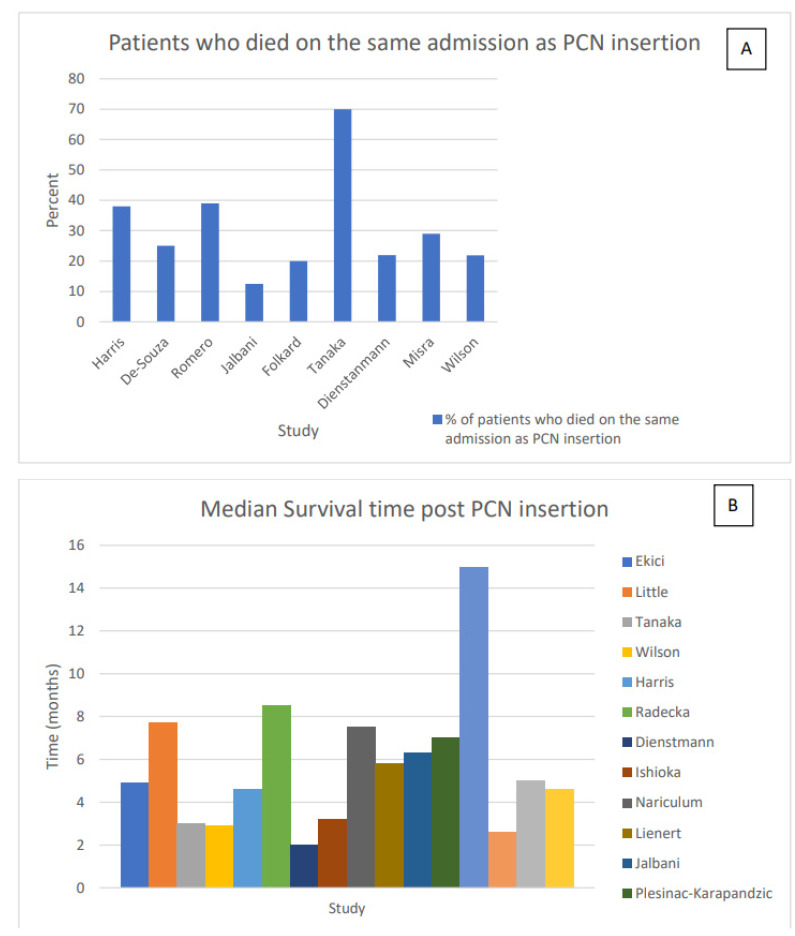
A total of 21 articles (1674 patients) met the inclusion criteria with a mean of 60.2 years (range: 21-102 years). PCN was performed for ureteric obstruction secondary to urological malignancies ( = -633, 37.8%), gynaecological malignancies ( = 437, 26.1%), colorectal and GI malignancies ( = 216, 12.9%), and other specified malignancies ( = 205, 12.2%). The reported mean survival times varied from 2 to 8.5 months post PCN insertion, with an average survival time of 5.6 months, which depended on the cancer type, stage, and previous treatment.
Patients with advanced malignancies who need PCN tend to have a survival rate under 12 months and spend a large proportion of this time in the hospital. Although the advent of newer chemotherapy and immunotherapy options has changed the landscape of managing advanced cancer, decisions on nephrostomy must be balanced with their survival and quality of life, which must be discussed with the patient.
恶性输尿管梗阻发生于多种癌症,通常与预后不良相关。经皮肾造瘘术(PCN)通过建立尿液引流和治疗肾衰竭,可能有助于延长患者寿命。我们的目的是研究晚期癌症患者接受PCN的结果及其对患者寿命和生活质量的影响。
使用MEDLINE、EMBASE、Scopus、CINAHL、Cochrane图书馆、clinicaltrials.gov和谷歌学术搜索,对2000年至2020年关于晚期恶性肿瘤患者PCN的文章进行文献综述。纳入所有报道至少20例因恶性肿瘤相关输尿管梗阻接受PCN患者的英文文章。
共有21篇文章(1674例患者)符合纳入标准,患者平均年龄60.2岁(范围:21 - 102岁)。PCN用于治疗泌尿系统恶性肿瘤继发的输尿管梗阻(n = 633,37.8%)、妇科恶性肿瘤(n = 437,26.1%)、结直肠癌和胃肠道恶性肿瘤(n = 216,12.9%)以及其他特定恶性肿瘤(n = 205,12.2%)。报道的PCN术后平均生存时间从2个月至8.5个月不等,平均生存时间为5.6个月,这取决于癌症类型、分期和既往治疗情况。
需要PCN的晚期恶性肿瘤患者生存率往往低于12个月,且在此期间大部分时间住院。尽管新型化疗和免疫治疗方案的出现改变了晚期癌症的治疗格局,但肾造瘘术的决策必须在患者生存和生活质量之间取得平衡,且必须与患者进行讨论。