Xie Fei, Lan Xianfeng, Lin Jingui
Department of Hand Surgery, Fuzhou Second Hospital Affiliated to Xiamen University, Fuzhou, Fujian, 350004, People's Republic of China.
J Pain Res. 2021 May 27;14:1457-1464. doi: 10.2147/JPR.S299135. eCollection 2021.
Bone loss at the metacarpophalangeal joint (MCP) after trauma is difficult to treat.
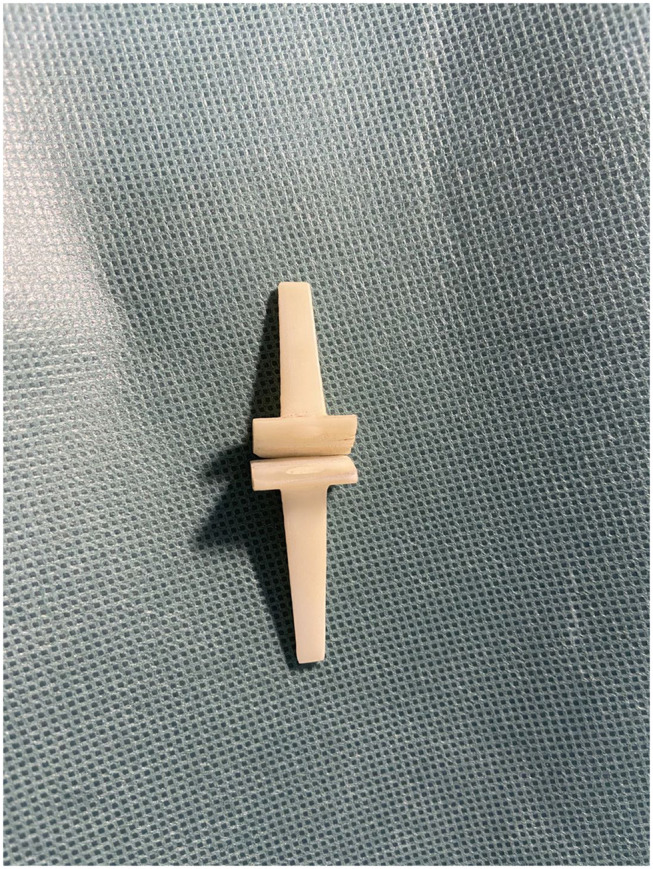
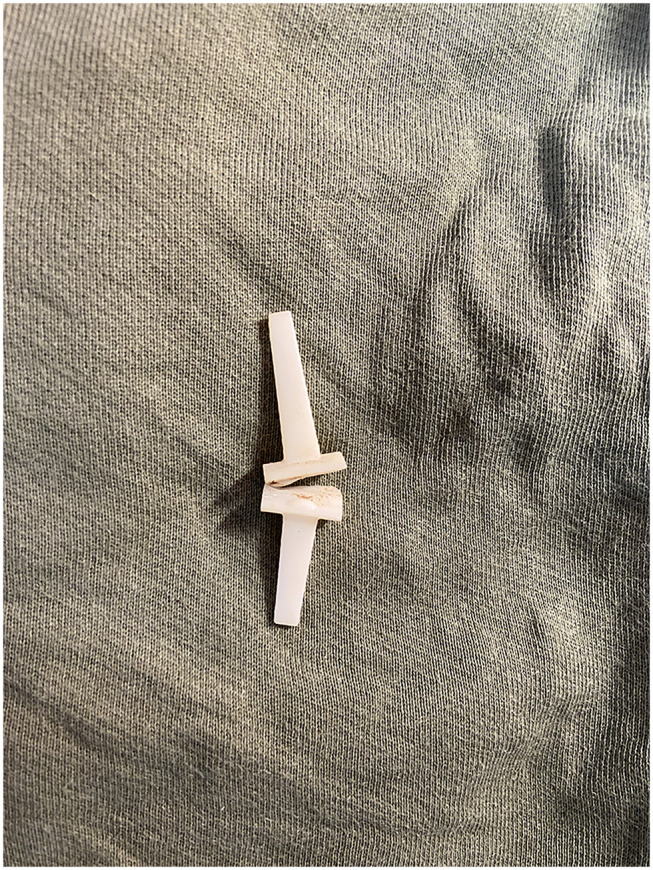
We aimed to investigate the effectiveness of Swanson's arthroplasty and the reason for implant fracture.
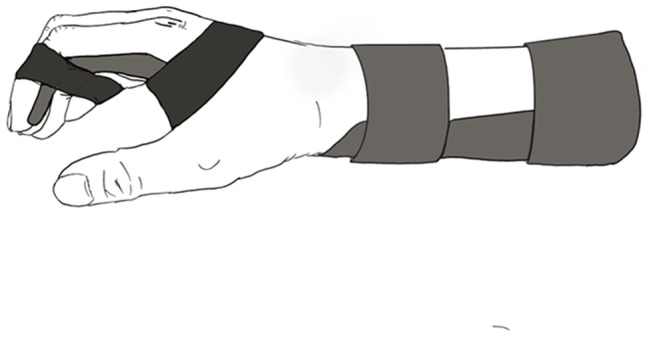
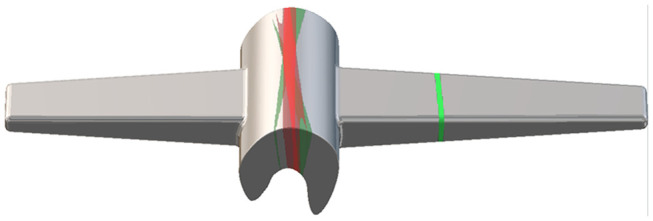
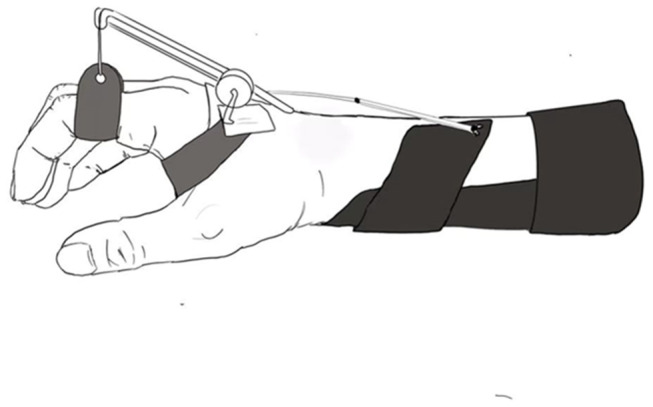
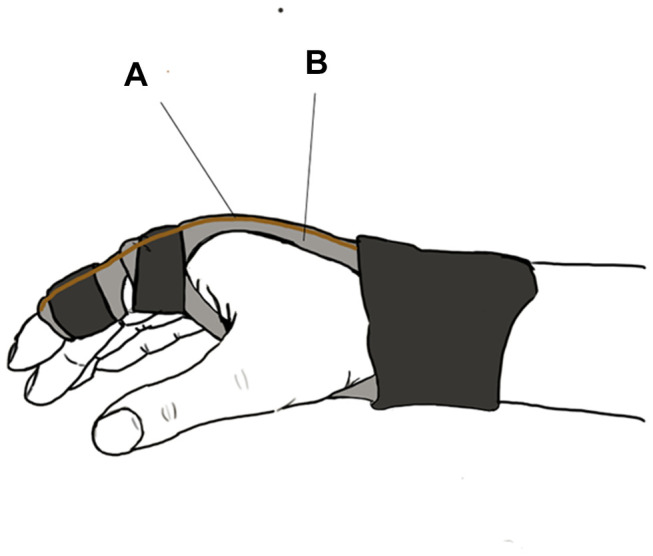
We retrospectively analyzed the data of 175 patients who underwent emergency MCP arthroplasty between 2013 and 2016. Some patients used a orthosis to limit the radioulnar movement of the metacarpal joint for eight weeks after surgery (Group A), while the other patients underwent only hand rehabilitation after surgery (Group B). The basic information and perioperative data of the patients were compared. The patients were followed up clinically for an average of 65±19 months. Postoperative and follow-up complications and functional parameters were recorded and compared. Stress model of implant fracture had been analyzed in order to mark the frequent area.
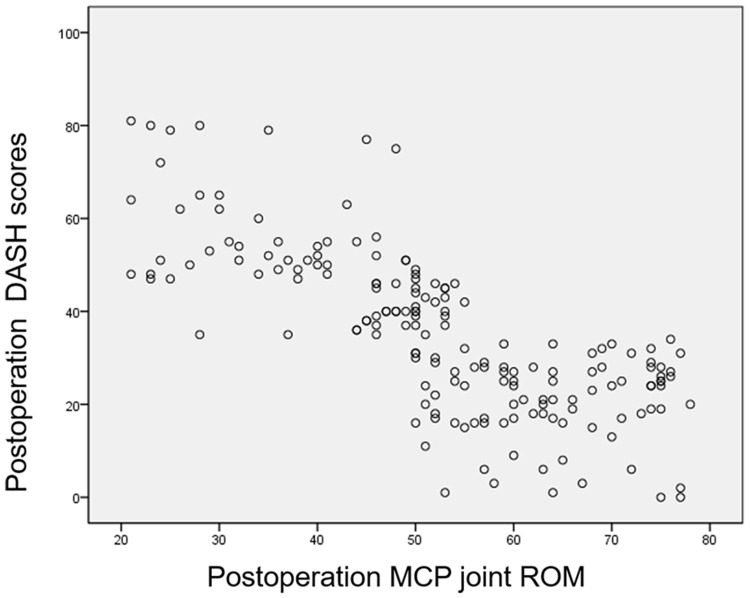
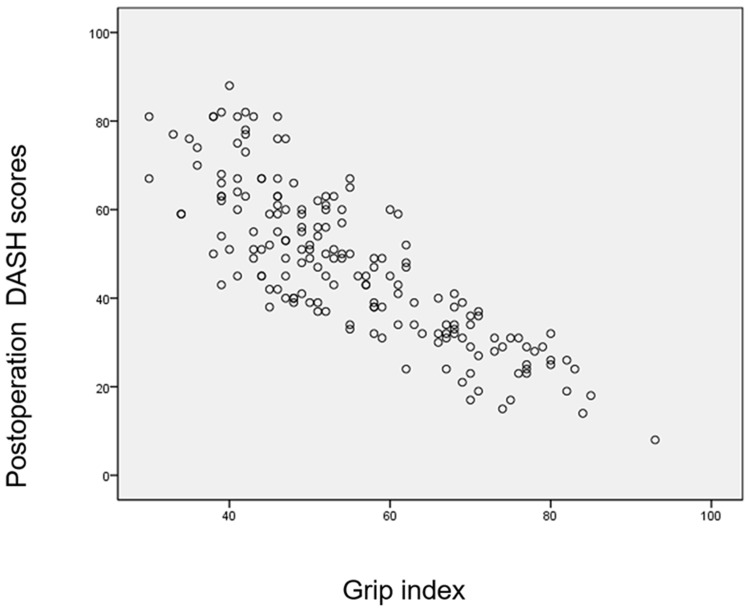
A total of 162 patients were followed up, 4 of whom were lost to follow-up completely and 9 of whom were followed up by telephone only. There were 11 and 26 implant fractures in groups A and B, respectively (P=0.019), and the degrees of radioulnar movement were 2±1° and 7±4°, respectively (P<0.01). The disabilities of the arm, shoulder, and hand (DASH) score and MCP joint range of motion (ROM) did not significantly differ.
The effect of Swanson's arthroplasty for bone loss at MCP joint is useful. The radioulnar stress may be the reason for implant fracture. Joint orthosis can reduce the incidence of implant fractures.
创伤后掌指关节(MCP)骨质流失难以治疗。
我们旨在研究斯旺森关节成形术的有效性及植入物骨折的原因。
我们回顾性分析了2013年至2016年间接受急诊MCP关节成形术的175例患者的数据。部分患者术后使用矫形器限制掌指关节的桡尺运动8周(A组),而其他患者术后仅进行手部康复(B组)。比较患者的基本信息和围手术期数据。对患者进行平均65±19个月的临床随访。记录并比较术后及随访并发症和功能参数。分析植入物骨折的应力模型以标记常见区域。
共162例患者得到随访,其中4例完全失访,9例仅通过电话随访。A组和B组分别有11例和26例植入物骨折(P = 0.019),桡尺运动度分别为2±1°和7±4°(P < 0.01)。上肢、肩部和手部功能障碍(DASH)评分和MCP关节活动范围(ROM)无显著差异。
斯旺森关节成形术治疗MCP关节骨质流失效果良好。桡尺应力可能是植入物骨折的原因。关节矫形器可降低植入物骨折的发生率。