Yang Xiao-Li, Shi Yi, Zhang Dan-Dan, Xin Rui, Deng Jing, Wu Ting-Miao, Wang Hui-Min, Wang Pei-Yao, Liu Ji-Bin, Li Wen, Ma Yu-Shui, Fu Da
National Engineering Laboratory for Deep Process of Rice and Byproducts, College of Food Science and Engineering, Central South University of Forestry and Technology, Changsha 410004, Hunan, China.
Cancer Institute, Nantong Tumor Hospital, Affiliated Tumor Hospital of Nantong University, Nantong 226631, China.
Mol Ther Oncolytics. 2021 Apr 20;21:255-263. doi: 10.1016/j.omto.2021.04.006. eCollection 2021 Jun 25.
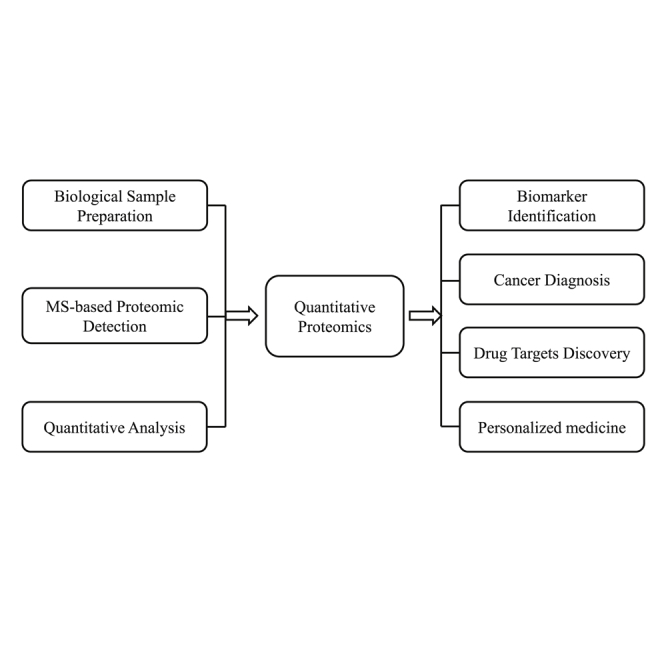
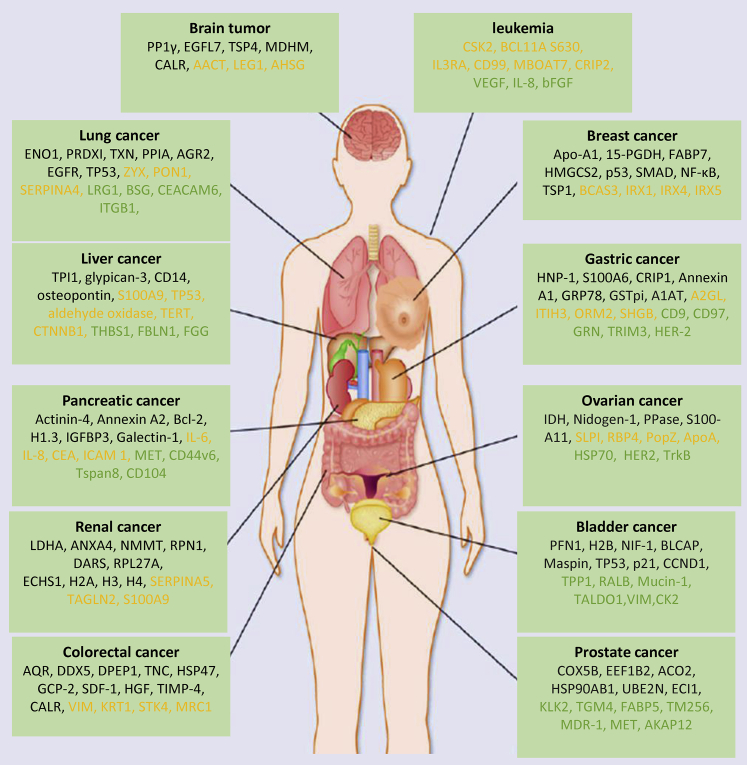
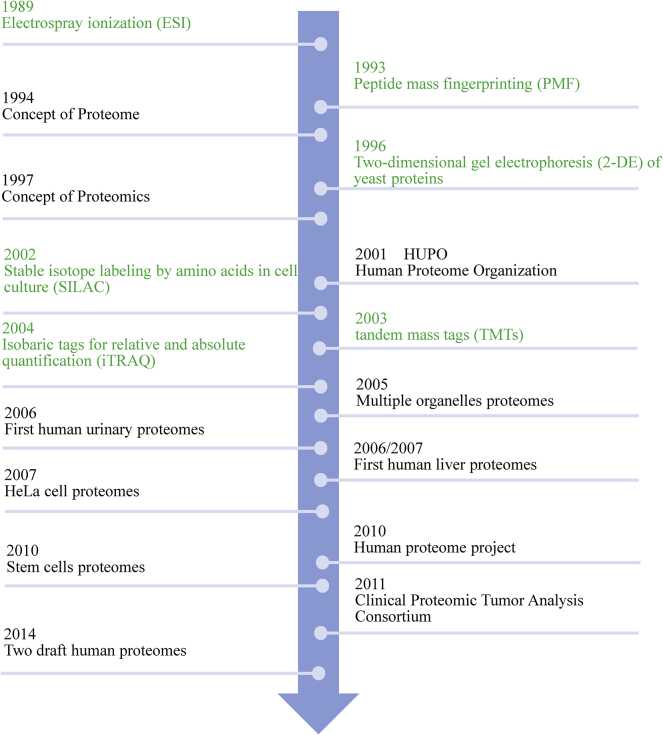
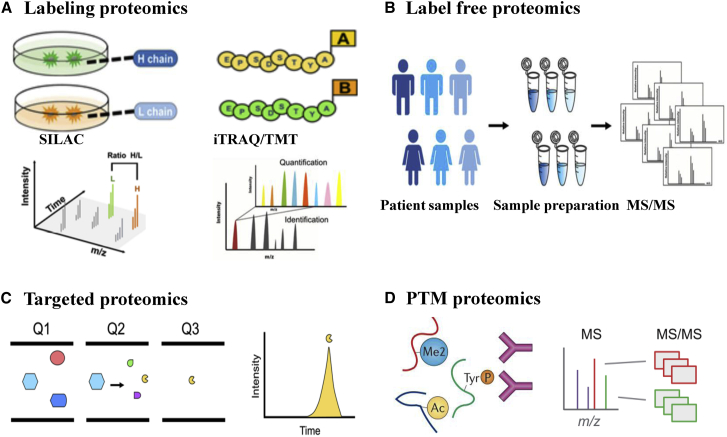
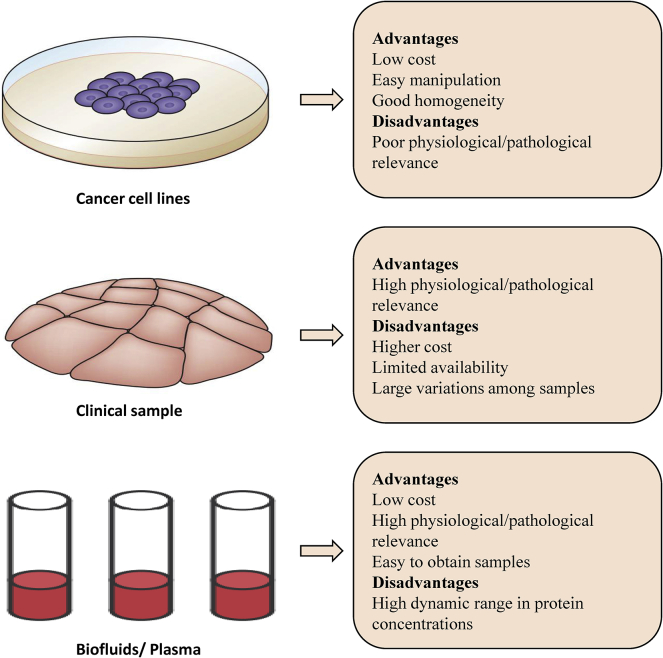
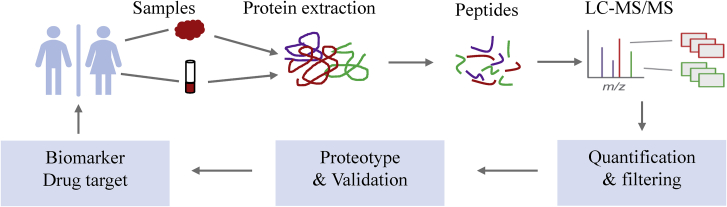
Cancer accounted for 16% of all death worldwide in 2018. Significant progress has been made in understanding tumor occurrence, progression, diagnosis, treatment, and prognosis at the molecular level. However, genomics changes cannot truly reflect the state of protein activity in the body due to the poor correlation between genes and proteins. Quantitative proteomics, capable of quantifying the relatively different protein abundance in cancer patients, has been increasingly adopted in cancer research. Quantitative proteomics has great application potentials, including cancer diagnosis, personalized therapeutic drug selection, real-time therapeutic effects and toxicity evaluation, prognosis and drug resistance evaluation, and new therapeutic target discovery. In this review, the development, testing samples, and detection methods of quantitative proteomics are introduced. The biomarkers identified by quantitative proteomics for clinical diagnosis, prognosis, and drug resistance are reviewed. The challenges and prospects of quantitative proteomics for personalized medicine are also discussed.
2018年,癌症占全球所有死亡人数的16%。在分子水平上理解肿瘤的发生、发展、诊断、治疗和预后方面已经取得了重大进展。然而,由于基因与蛋白质之间的相关性较差,基因组学变化并不能真正反映体内蛋白质的活性状态。能够定量癌症患者中相对不同蛋白质丰度的定量蛋白质组学已越来越多地应用于癌症研究。定量蛋白质组学具有巨大的应用潜力,包括癌症诊断、个性化治疗药物选择、实时治疗效果和毒性评估、预后和耐药性评估以及新治疗靶点的发现。在这篇综述中,介绍了定量蛋白质组学的发展、测试样本和检测方法。综述了通过定量蛋白质组学鉴定的用于临床诊断、预后和耐药性的生物标志物。还讨论了定量蛋白质组学在个性化医学中的挑战和前景。