Department of Immunology, Graduate School of Medicine and Faculty of Medicine, The University of Tokyo, Tokyo, Japan.
Immunol Rev. 2021 Jul;302(1):68-85. doi: 10.1111/imr.12985. Epub 2021 Jun 6.
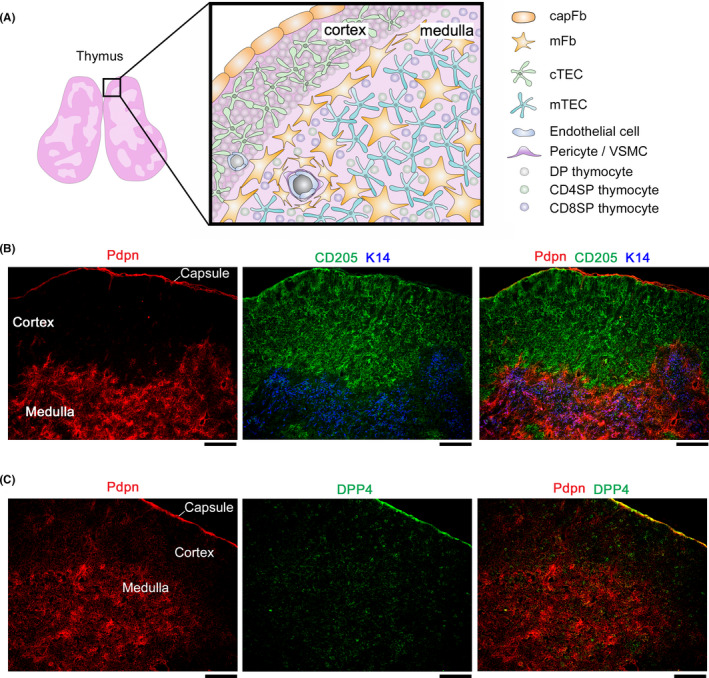
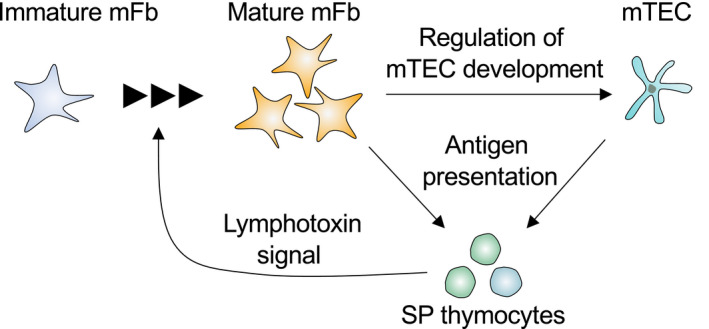
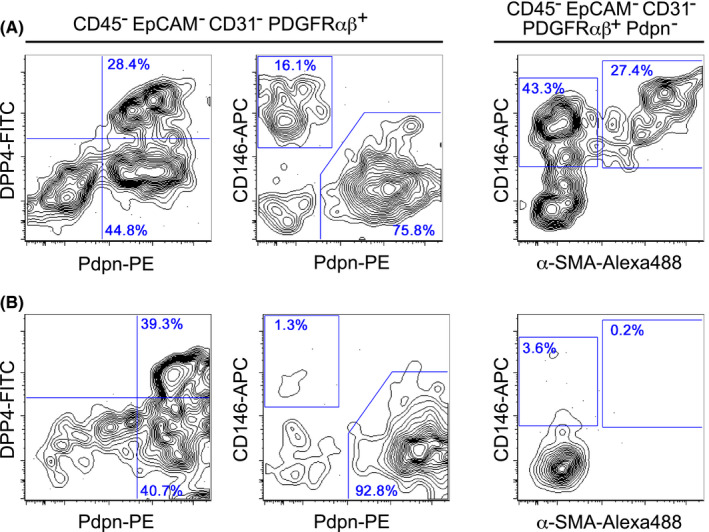
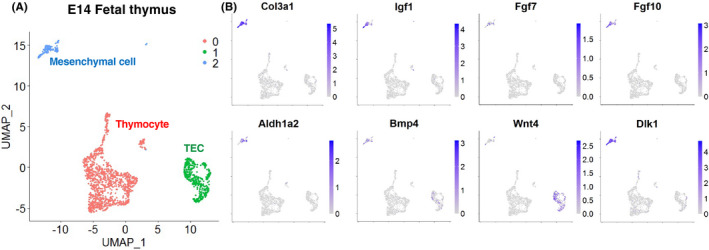
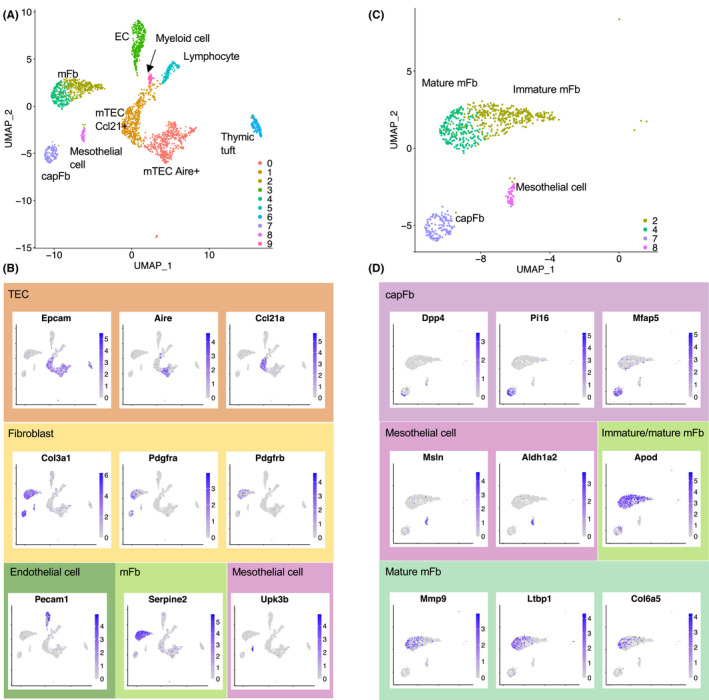
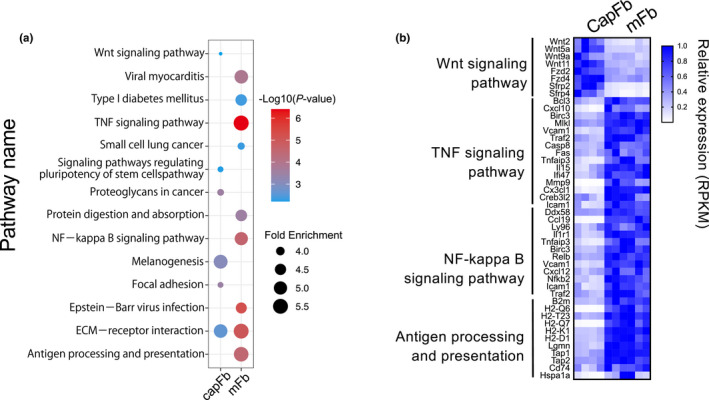
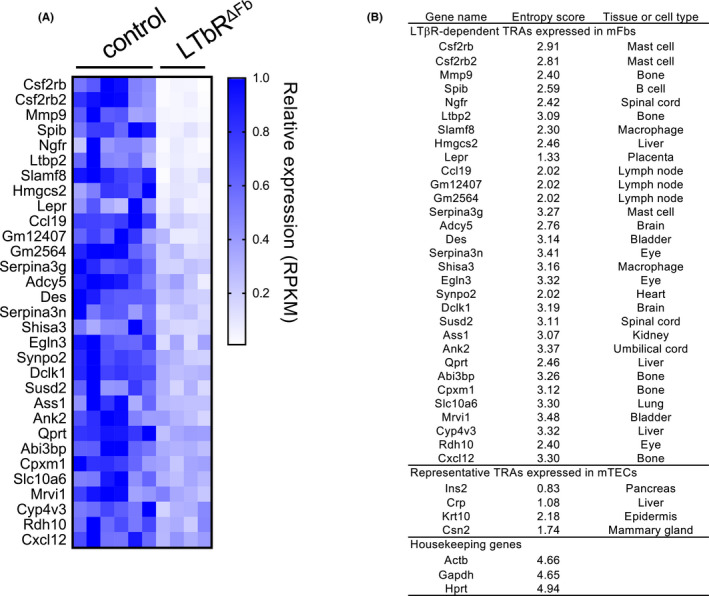
Fibroblasts have recently attracted attention as a key stromal component that controls the immune responses in lymphoid tissues. The thymus has a unique microenvironment comprised of a variety of stromal cells, including fibroblasts and thymic epithelial cells (TECs), the latter of which is known to be important for T cell development because of their ability to express self-antigens. Thymic fibroblasts contribute to thymus organogenesis during embryogenesis and form the capsule and medullary reticular network in the adult thymus. However, the immunological significance of thymic fibroblasts has thus far only been poorly elucidated. In this review, we will summarize the current views on the development and functions of thymic fibroblasts as revealed by new technologies such as multicolor flow cytometry and single cell-based transcriptome profiling. Furthermore, the recently discovered role of medullary fibroblasts in the establishment of T cell tolerance by producing a unique set of self-antigens will be highlighted.
成纤维细胞最近作为控制淋巴组织免疫反应的关键基质成分引起了关注。胸腺具有独特的微环境,其中包括成纤维细胞和胸腺上皮细胞 (TEC),后者对于 T 细胞发育很重要,因为它们能够表达自身抗原。胸腺成纤维细胞在胚胎发生期间有助于胸腺器官发生,并在成年胸腺中形成胶囊和髓质网状网络。然而,迄今为止,胸腺成纤维细胞的免疫学意义仅得到了初步阐明。在这篇综述中,我们将总结新技术(如多色流式细胞术和单细胞转录组分析)揭示的胸腺成纤维细胞的发育和功能的最新观点。此外,还将强调髓质成纤维细胞通过产生独特的自身抗原集在建立 T 细胞耐受中的新发现作用。