Garcia-Pallero M Ángeles, Cardona Diana, Rueda-Ruzafa Lola, Rodriguez-Arrastia Miguel, Roman Pablo
Hospital Universitario Central de Asturias, Asturias, Spain.
Department of Nursing Science, Physiotherapy and Medicine, University of Almería, Almería, Spain.
Neural Regen Res. 2022 Jan;17(1):59-64. doi: 10.4103/1673-5374.314288.
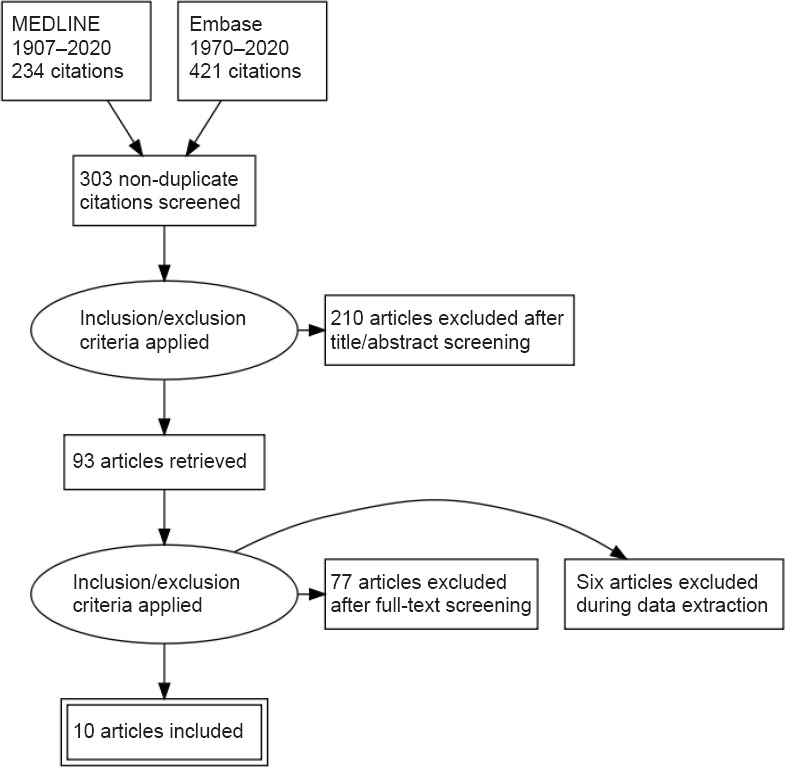
Phantom limb pain is a chronic pain syndrome that is difficult to cope with. Despite neurostimulation treatment is indicated for refractory neuropathic pain, there is scant evidence from randomized controlled trials to recommend it as the treatment choice. Thus, a systematic review was performed to analyze the efficacy of central nervous system stimulation therapies as a strategy for pain management in patients with phantom limb pain. A literature search for studies conducted between 1970 and September 2020 was carried out using the MEDLINE and Embase databases. Principles of The Preferred Reporting Items for Systematic Reviews and Meta-Analyses guideline were followed. There were a total of 10 full-text articles retrieved and included in this review. Deep brain stimulation, repetitive transcranial magnetic stimulation, transcranial direct current stimulation, and motor cortex stimulation were the treatment strategies used in the selected clinical trials. Repetitive transcranial magnetic stimulation and transcranial direct current stimulation were effective therapies to reduce pain perception, as well as to relieve anxiety and depression symptoms in phantom limb pain patients. Conversely, invasive approaches were considered the last treatment option as evidence in deep brain stimulation and motor cortex stimulation suggests that the value of phantom limb pain treatment remains controversial. However, the findings on use of these treatment strategies in other forms of neuropathic pain suggest that these invasive approaches could be a potential option for phantom limb pain patients.
幻肢痛是一种难以应对的慢性疼痛综合征。尽管神经刺激疗法适用于难治性神经性疼痛,但随机对照试验中几乎没有证据推荐将其作为治疗选择。因此,进行了一项系统评价,以分析中枢神经系统刺激疗法作为幻肢痛患者疼痛管理策略的疗效。使用MEDLINE和Embase数据库对1970年至2020年9月期间进行的研究进行了文献检索。遵循了系统评价和Meta分析的首选报告项目指南。本评价共检索并纳入了10篇全文文章。所选临床试验中使用的治疗策略包括深部脑刺激、重复经颅磁刺激、经颅直流电刺激和运动皮层刺激。重复经颅磁刺激和经颅直流电刺激是减轻幻肢痛患者疼痛感知以及缓解焦虑和抑郁症状的有效疗法。相反,侵入性方法被认为是最后的治疗选择,因为深部脑刺激和运动皮层刺激的证据表明幻肢痛治疗的价值仍存在争议。然而,这些治疗策略在其他形式神经性疼痛中的应用结果表明,这些侵入性方法可能是幻肢痛患者的一种潜在选择。