Department of Epidemiology, Rollins School of Public Health, Emory University, Atlanta, GA, USA; Emory Clinical Cardiovascular Research Institute, Department of Medicine, Division of Cardiology, Emory University School of Medicine, Atlanta, GA, USA.
Department of Epidemiology, Rollins School of Public Health, Emory University, Atlanta, GA, USA; Emory Clinical Cardiovascular Research Institute, Department of Medicine, Division of Cardiology, Emory University School of Medicine, Atlanta, GA, USA; Atlanta VA Medical Center, Decatur, GA, USA.
Atherosclerosis. 2021 Jul;328:74-82. doi: 10.1016/j.atherosclerosis.2021.05.020. Epub 2021 May 30.
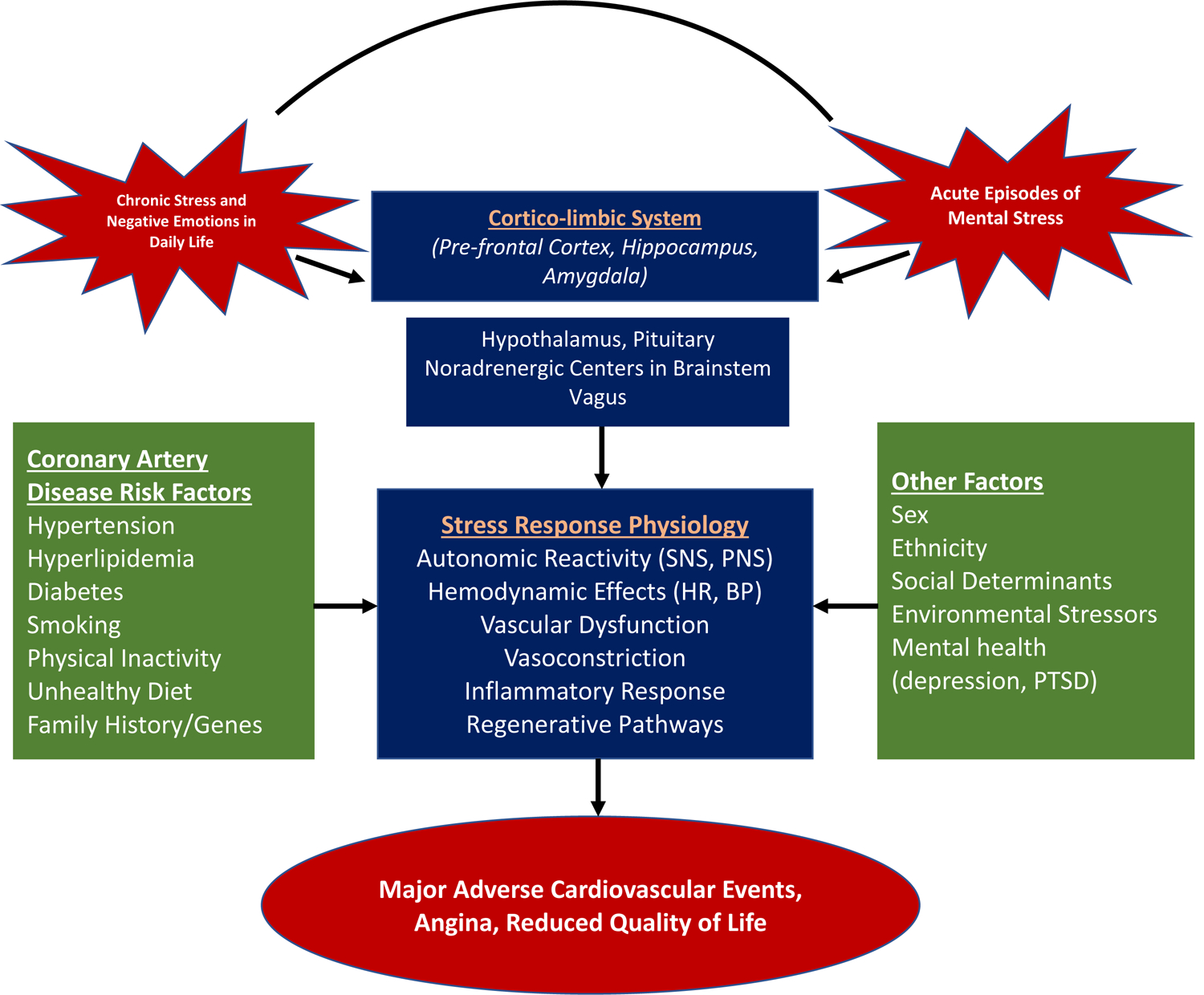
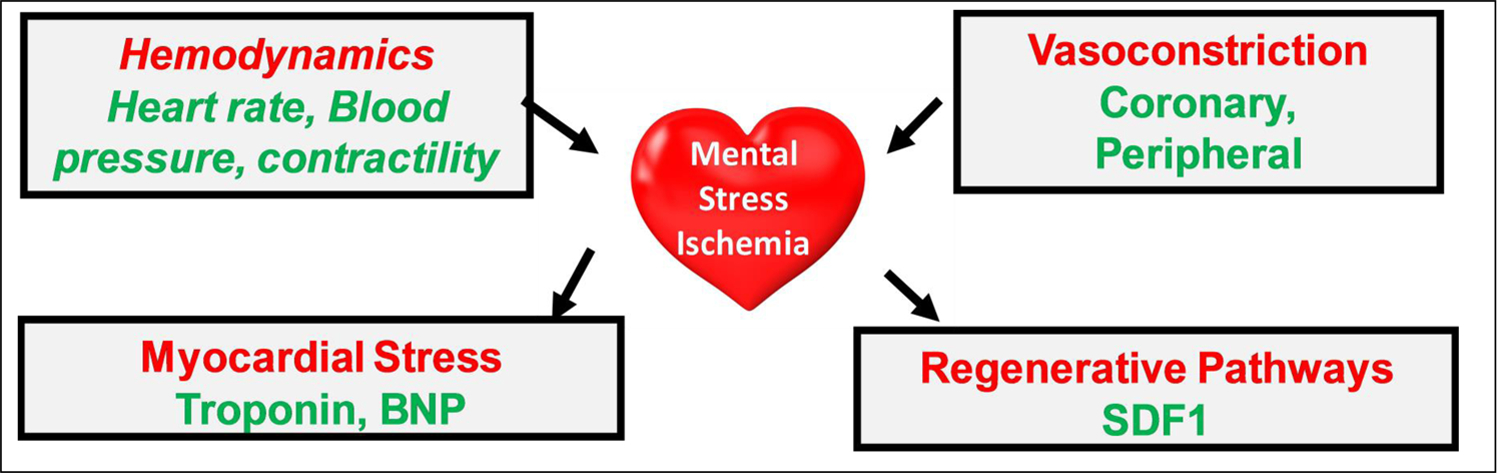
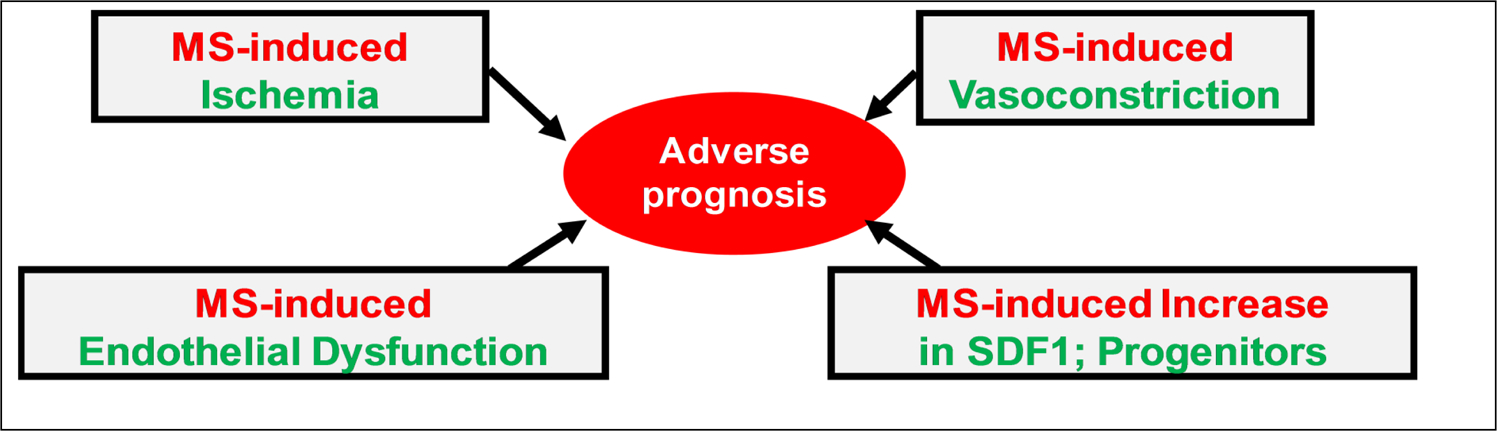
The influence of psychological stress on the physiology of the cardiovascular system, and on the etiology and outcomes of cardiovascular disease (CVD) has been the object of intense investigation. As a whole, current knowledge points to a "brain-heart axis" that is especially important in individuals with pre-existing CVD. The use of acute psychological stress provocation in the laboratory has been useful to clarify the effects of psychological stress on cardiovascular physiology, immune function, vascular reactivity, myocardial ischemia, neurobiology and cardiovascular outcomes. An emerging paradigm is that dynamic perturbations of physiological and molecular pathways during stress or negative emotions are important in influencing cardiovascular outcomes, and that some patient subgroups, such as women, patients with an early-onset myocardial infarction, and patients with adverse psychosocial exposures, may be at especially high risk for these effects. This review summarizes recent knowledge on mind-body connections in CVD among cardiac patients and highlights important pathways of risk which could become the object of future intervention efforts. As a whole, this research suggests that an integrated study of mind and body is necessary to fully understand the determinants and consequences of CVD.
心理压力对心血管系统生理学的影响,以及对心血管疾病(CVD)的病因和结果的影响,一直是激烈研究的对象。总的来说,目前的知识指向一个“脑心轴”,在已有 CVD 的个体中尤为重要。在实验室中使用急性心理压力诱发已经有助于澄清心理压力对心血管生理学、免疫功能、血管反应性、心肌缺血、神经生物学和心血管结果的影响。一个新兴的范例是,在压力或负面情绪期间生理和分子途径的动态波动在影响心血管结果方面很重要,并且一些患者亚组,如女性、早发心肌梗死患者和经历不良心理社会暴露的患者,可能特别容易受到这些影响。这篇综述总结了心脏患者中 CVD 中心身联系的最新知识,并强调了可能成为未来干预努力对象的重要风险途径。总的来说,这项研究表明,身心的综合研究对于充分了解 CVD 的决定因素和后果是必要的。