Li Xin, Gao Meng, Zhu Shenghu, Yin Lianhong, Zhang Bao, Qi Yan, Zhao Yanyan, Yu Yongjian, Xu Lina
Jiangsu Hengshun Vinegar Industry Co., Ltd., Zhenjiang, China.
College of Pharmacy, Dalian Medical University, Dalian, China.
Front Nutr. 2021 May 28;8:635232. doi: 10.3389/fnut.2021.635232. eCollection 2021.
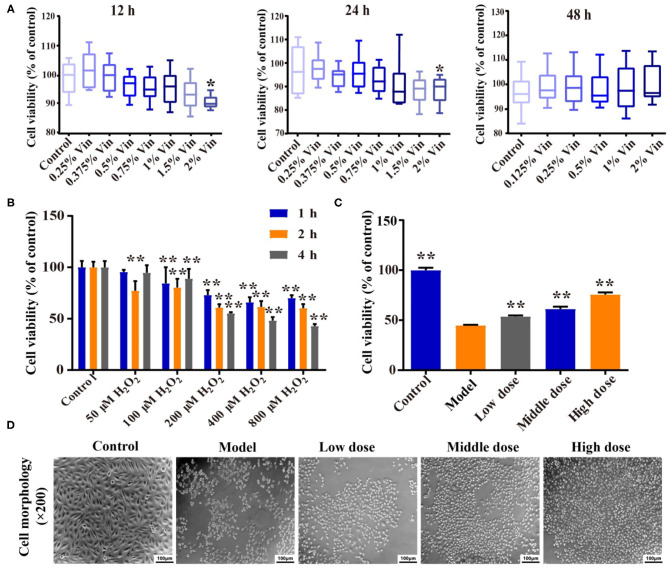
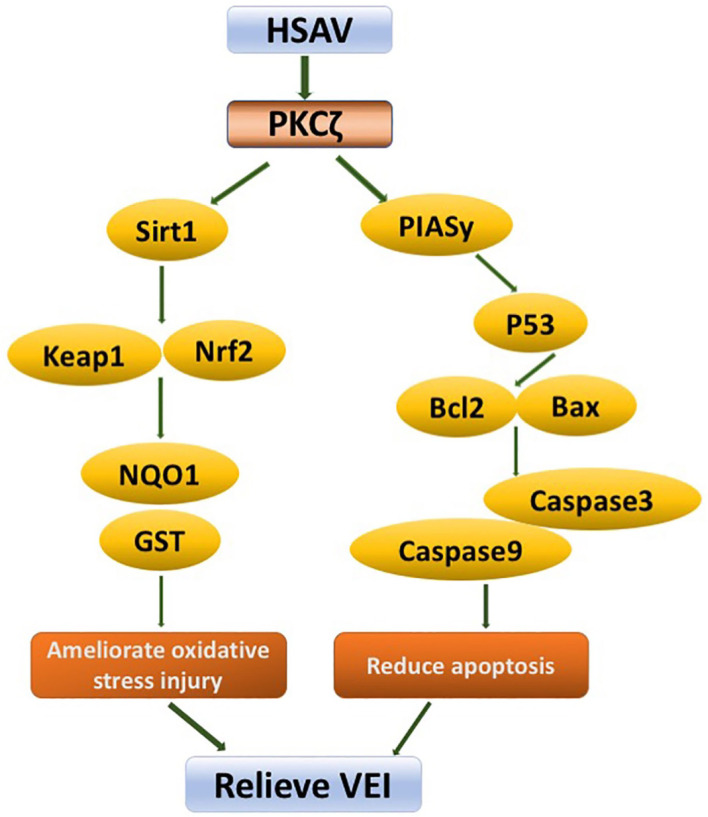
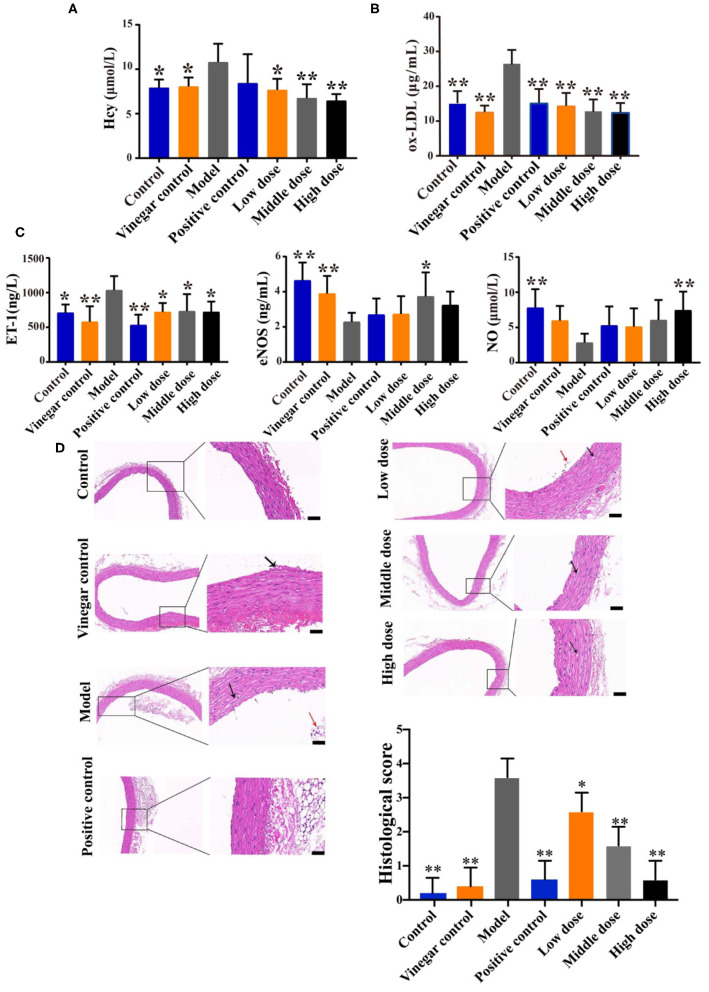
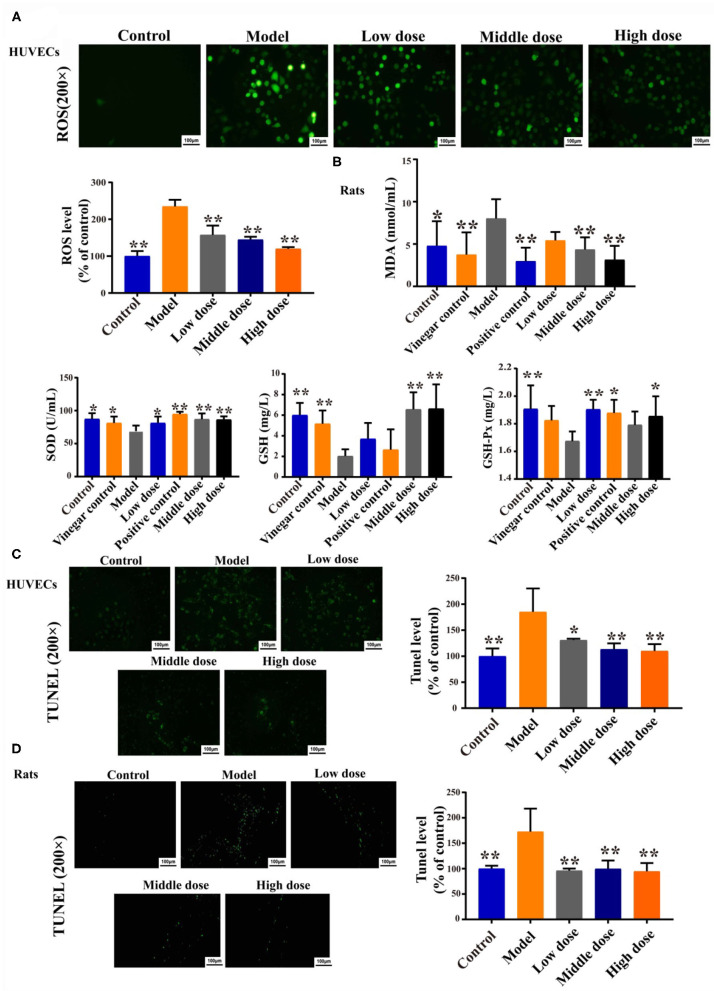
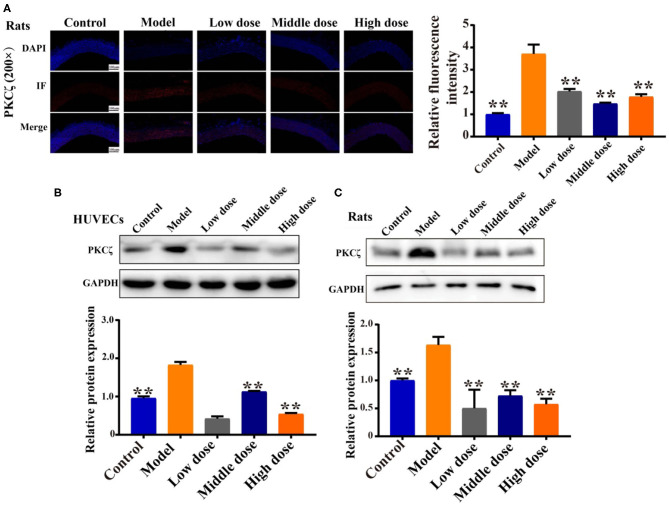
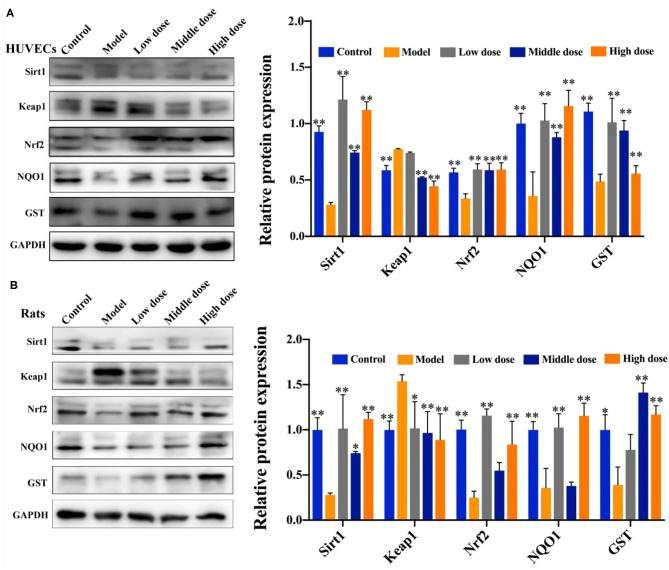
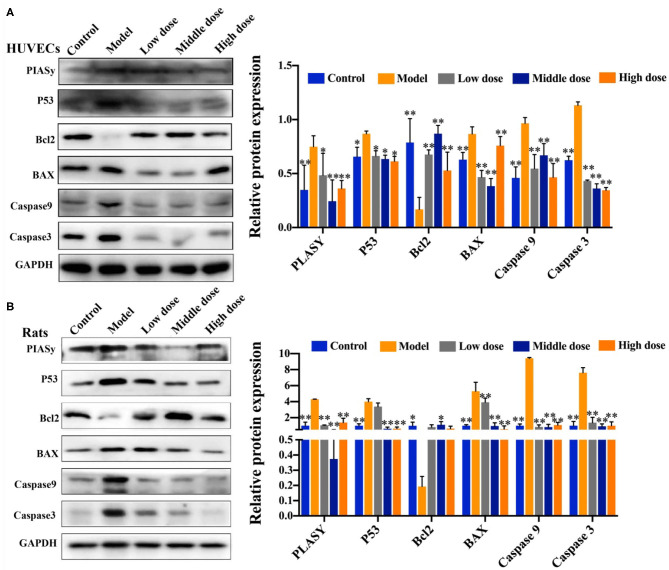
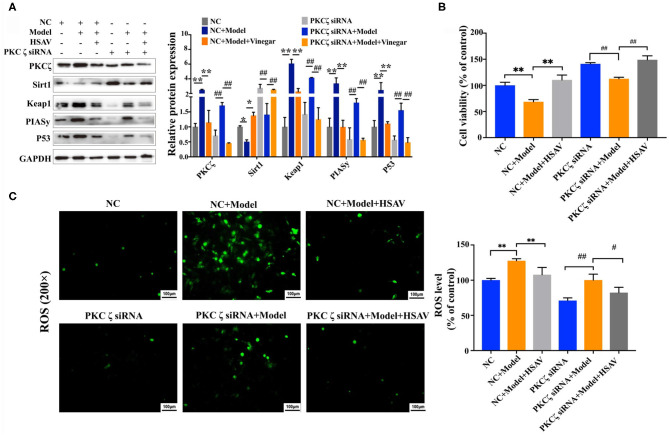
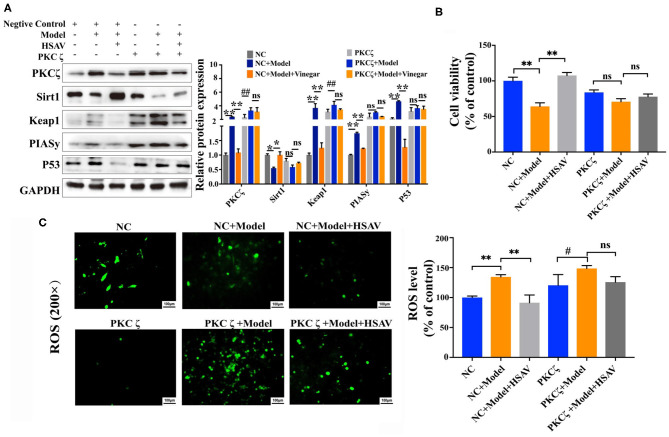
Vascular endothelial injury (VEI) is an early event of atherosclerosis, and reversing endothelial dysfunction has become a new trend in the prevention and treatment of cardiovascular diseases. Hengshun aromatic vinegar (HSAV), a traditional vinegar, has been reported to have many pharmacological activities, but its effect against VEI and the molecular mechanism are still unknown. In this study, effects of HSAV on VEI were evaluated in HO-induced human umbilical vein endothelial cells (HUVECs) and methionine-induced VEI in rats. Results showed that HSAV significantly increased cell viability, inhibited apoptosis, and reduced the generation of reactive oxygen species (ROS) in HO-induced HUVECs. Meanwhile, HSAV decreased serum homocysteine (Hcy), endothelin 1 (ET-1), and oxidized low-density lipoprotein (ox-LDL) levels, increased nitric oxide (NO) and endothelin nitric oxide synthase (eNOS) levels, ameliorated pathological changes in rats with VEI induced by methionine. In parallel, HSAV relieved oxidative stress by decreasing malondialdehyde (MDA) level and increasing superoxide dismutase (SOD), glutathione (GSH), and glutathione peroxidase (GSH-Px) levels in rats with VEI. Mechanism studies indicated that HSAV markedly downregulated the expression of protein kinase C zeta (PKCζ), and consequently regulated sirtuin 1 (Sirt1)-mediated oxidative stress signal pathway, and protein inhibitor of activated STATy (PIASy)-mediated apoptosis pathway, leading to the alleviation of oxidative stress and inhibition of apoptosis. These regulative effects of HSAV were further validated by knockdown and overexpression of PKCζ . In conclusion, HSAV showed protective effect against VEI by inhibiting PKCζ and, thereby, ameliorating oxidative stress and inhibiting apoptosis. This study not only provides guidance for the consumption of vinegar in daily life but also promotes the development of diet supplement for disease prevention.
血管内皮损伤(VEI)是动脉粥样硬化的早期事件,逆转内皮功能障碍已成为心血管疾病防治的新趋势。恒顺香醋(HSAV)作为一种传统食醋,已报道具有多种药理活性,但其对VEI的作用及分子机制尚不清楚。本研究在过氧化氢(HO)诱导的人脐静脉内皮细胞(HUVECs)和蛋氨酸诱导的大鼠VEI模型中评估了HSAV对VEI的影响。结果显示,HSAV显著提高了HO诱导的HUVECs的细胞活力,抑制了细胞凋亡,并减少了活性氧(ROS)的产生。同时,HSAV降低了大鼠血清同型半胱氨酸(Hcy)、内皮素1(ET-1)和氧化型低密度脂蛋白(ox-LDL)水平,提高了一氧化氮(NO)和内皮型一氧化氮合酶(eNOS)水平,改善了蛋氨酸诱导的大鼠VEI的病理变化。与此同时,HSAV通过降低VEI大鼠丙二醛(MDA)水平、提高超氧化物歧化酶(SOD)、谷胱甘肽(GSH)和谷胱甘肽过氧化物酶(GSH-Px)水平减轻了氧化应激。机制研究表明,HSAV显著下调蛋白激酶Cζ(PKCζ)的表达,从而调节沉默信息调节因子1(Sirt1)介导的氧化应激信号通路以及信号转导和转录激活因子1的蛋白抑制剂(PIASy)介导的凋亡通路,导致氧化应激减轻和细胞凋亡受到抑制。HSAV的这些调节作用通过PKCζ的敲低和过表达得到进一步验证。总之,HSAV通过抑制PKCζ对VEI具有保护作用,从而减轻氧化应激并抑制细胞凋亡。本研究不仅为日常生活中食醋的食用提供了指导,也推动了疾病预防膳食补充剂的发展。