Cellular and Molecular Research Center, Research Institute for Prevention of Non-Communicable Disease, Qazvin University of Medical Sciences, Qazvin 34159-14595, Iran.
Social Determinants of Health Research Center, Qazvin University of Medical Sciences, Qazvin 34159-14595, Iran.
Biomed Res Int. 2021 May 28;2021:5598907. doi: 10.1155/2021/5598907. eCollection 2021.
Vulvovaginal candidiasis caused by species is a prevalent fungal infection among women. It is believed that the pathogenesis of species is linked with the production of biofilm which is considered a virulence factor for this organism. The aim of this study was molecular identification, antifungal susceptibility, biomass quantification of biofilm, and detection of virulence markers of species.
We investigated the molecular identification of 70 vaginal isolates of species, antifungal resistance to amphotericin B, fluconazole, itraconazole, and voriconazole according to CLSI M27-A3 and M27-S4, biofilm formation, and frequency analysis of biofilm-related ALS1, ALS3, and HWP1 genes.
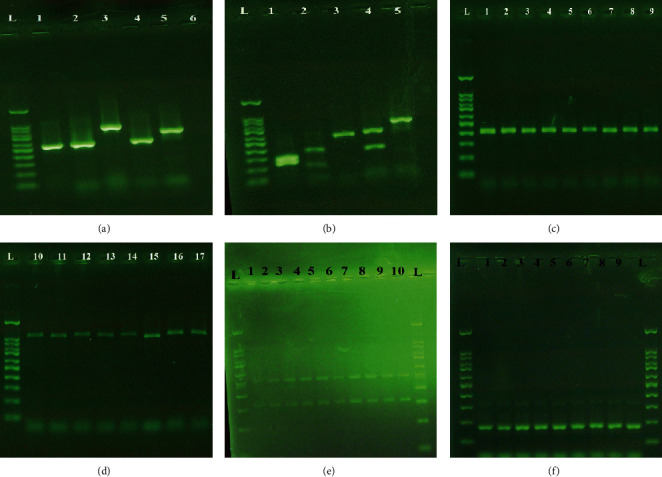
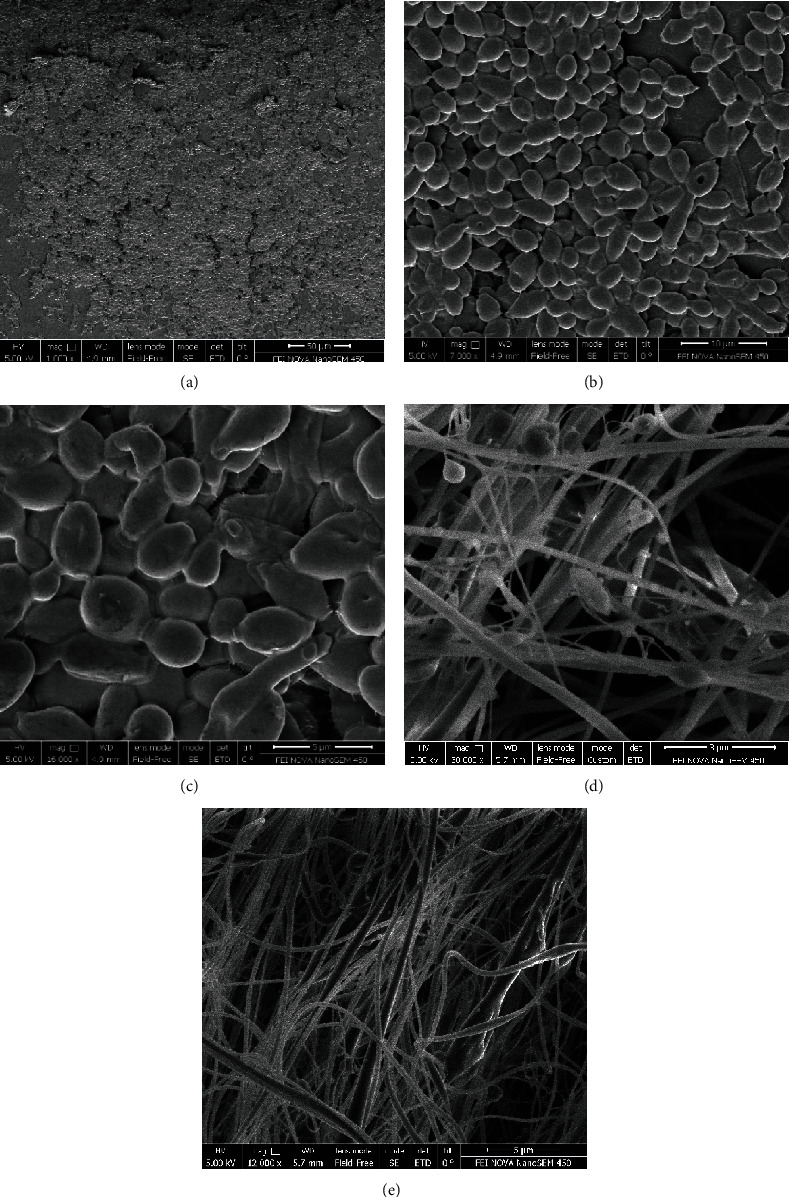
Our findings showed that the most common yeast isolated from vaginal discharge was . (67%), followed by the non- species (33%). All . complex isolates were confirmed as . by HWP-PCR, and all isolates of the . complex were revealed to be . using the multiplex PCR method. FLC resistance was observed in 23.4% of . and 7.7% of . . The resistance rate to ITC was found in 10.6% of . . The frequency of ALS1, ALS3, and HWP1 genes among species was 67.1%, 80%, and 81.4%, respectively. Biofilm formation was observed in 54.3% of species, and the highest frequency detected as a virulence factor was for the ALS3 gene (97.3%) in biofilm-forming species. . Our results showed the importance of molecular epidemiology studies, investigating antifungal susceptibility profiles, and understanding the role of biofilm-related virulence markers in the pathogenesis of strains.
由 物种引起的外阴阴道假丝酵母菌病是女性中一种普遍的真菌感染。据信, 物种的发病机制与生物膜的产生有关,生物膜被认为是该生物体的一个毒力因子。本研究的目的是对 物种进行分子鉴定、抗真菌药敏试验、生物膜生物量定量和检测其毒力标记物。
我们调查了 70 株阴道分离株的分子鉴定,根据 CLSI M27-A3 和 M27-S4 检测对两性霉素 B、氟康唑、伊曲康唑和伏立康唑的抗真菌耐药性,以及生物膜形成和生物膜相关 ALS1、ALS3 和 HWP1 基因的频率分析。
我们的研究结果表明,从阴道分泌物中分离出的最常见的酵母是 (67%),其次是非 物种(33%)。所有 复合体分离株均通过 HWP-PCR 鉴定为 ,所有 复合体分离株均通过多重 PCR 方法鉴定为 。 对氟康唑的耐药率为 23.4%, 对氟康唑的耐药率为 7.7%。 对伊曲康唑的耐药率为 10.6%。 中 ALS1、ALS3 和 HWP1 基因的频率分别为 67.1%、80%和 81.4%。54.3%的 物种形成生物膜,在形成生物膜的物种中,ALS3 基因(97.3%)作为毒力因子的检出频率最高。本研究结果表明,分子流行病学研究、抗真菌药敏谱检测以及了解生物膜相关毒力标记物在 株发病机制中的作用非常重要。