Department of Immunology, Blavatnik Institute, Harvard Medical School, Boston, MA, USA.
Evergrande Center for Immunologic Diseases, Harvard Medical School and Brigham and Women's Hospital, Boston, MA, USA.
Nat Immunol. 2021 Jul;22(7):809-819. doi: 10.1038/s41590-021-00949-7. Epub 2021 Jun 17.
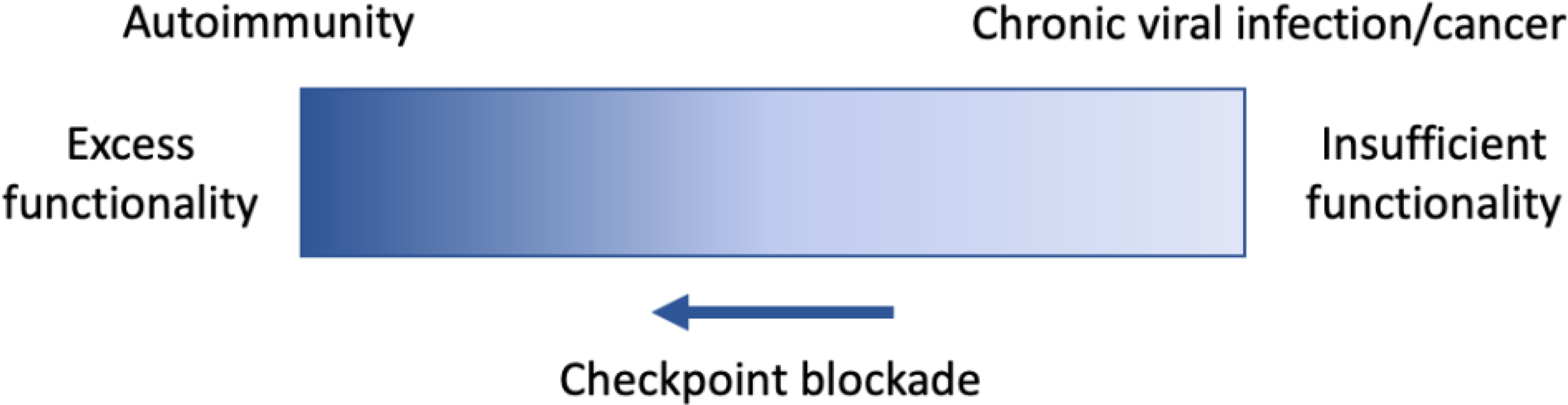
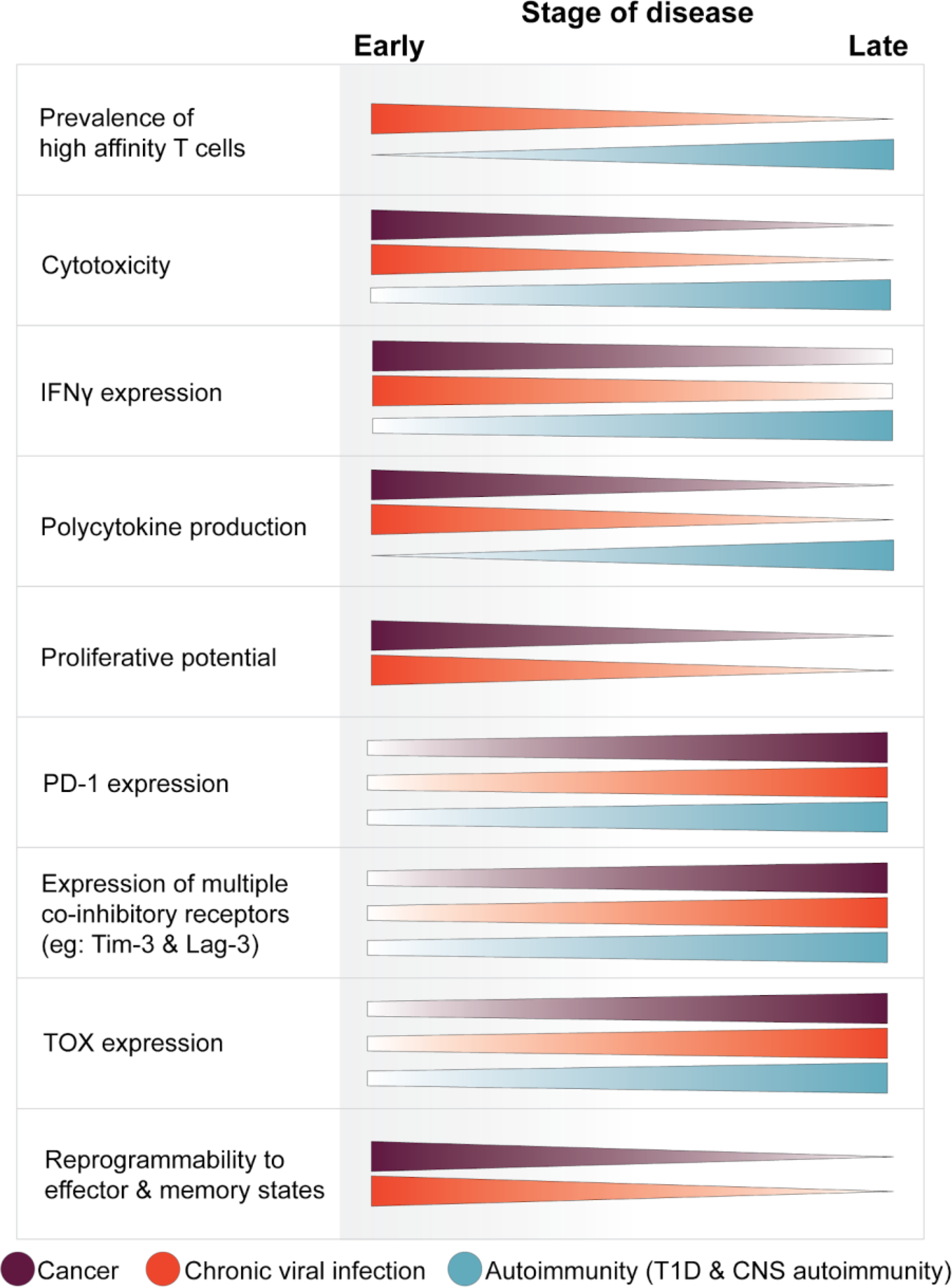
CD8 T cells are critical mediators of cytotoxic effector function in infection, cancer and autoimmunity. In cancer and chronic viral infection, CD8 T cells undergo a progressive loss of cytokine production and cytotoxicity, a state termed T cell exhaustion. In autoimmunity, autoreactive CD8 T cells retain the capacity to effectively mediate the destruction of host tissues. Although the clinical outcome differs in each context, CD8 T cells are chronically exposed to antigen in all three. These chronically stimulated CD8 T cells share some common phenotypic features, as well as transcriptional and epigenetic programming, across disease contexts. A better understanding of these CD8 T cell states may reveal novel strategies to augment clearance of chronic viral infection and cancer and to mitigate self-reactivity leading to tissue damage in autoimmunity.
CD8 T 细胞是感染、癌症和自身免疫中细胞毒性效应功能的关键介质。在癌症和慢性病毒感染中,CD8 T 细胞逐渐丧失细胞因子的产生和细胞毒性,这种状态被称为 T 细胞耗竭。在自身免疫中,自身反应性 CD8 T 细胞仍然能够有效地介导宿主组织的破坏。尽管在每种情况下临床结果不同,但在这三种情况下,CD8 T 细胞都长期暴露于抗原。这些长期受刺激的 CD8 T 细胞在疾病背景下具有一些共同的表型特征,以及转录和表观遗传编程。更好地了解这些 CD8 T 细胞状态可能会揭示新的策略,以增强清除慢性病毒感染和癌症,并减轻导致自身免疫组织损伤的自身反应性。