Crouch Garrison M, Han Donghoon, Bohn Paul W
Department of Chemical and Biomolecular Engineering, University of Notre Dame, Notre Dame, IN 46556.
Departmemt of Chemistry and Biochemistry, University of Notre Dame, Notre Dame, IN 46556.
J Phys D Appl Phys. 2018 May 16;51(19):193001. doi: 10.1088/1361-6463/aab8be. Epub 2018 Apr 20.
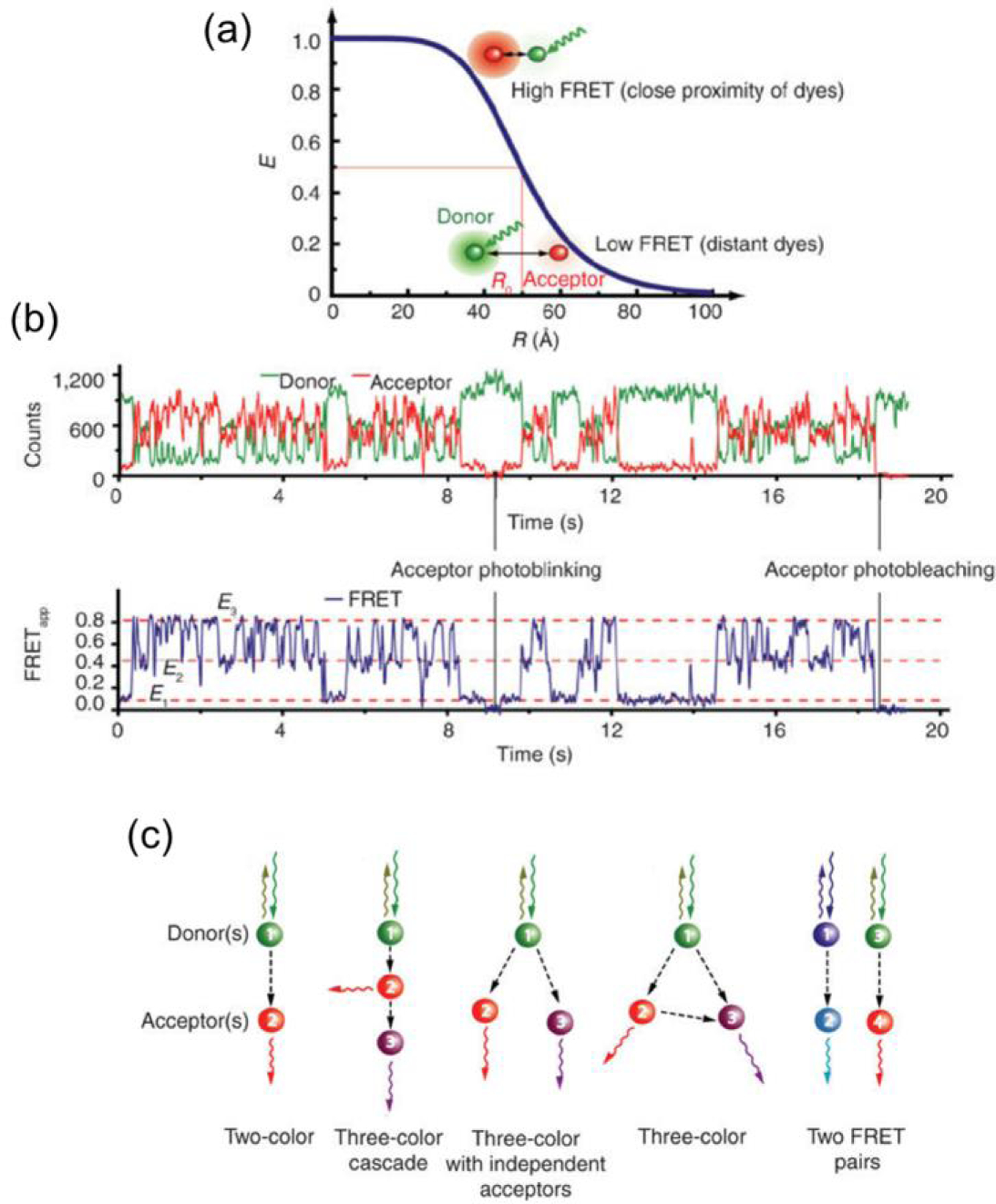
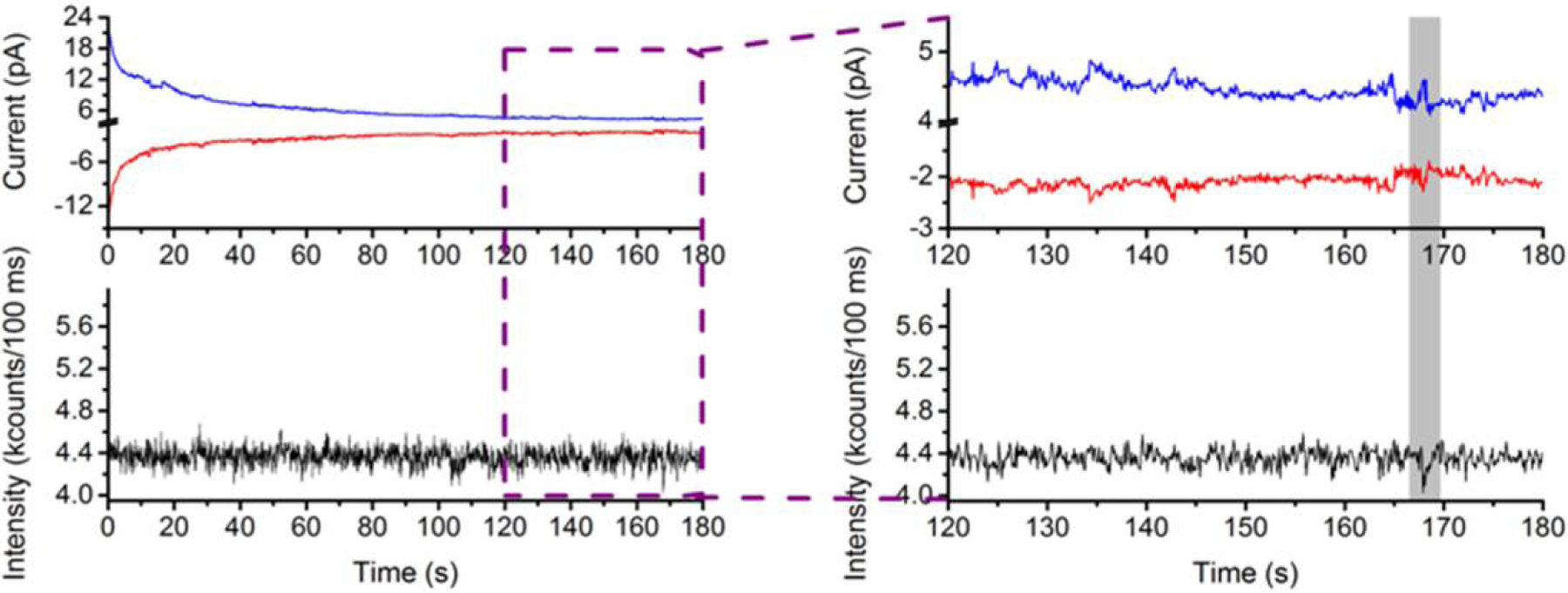
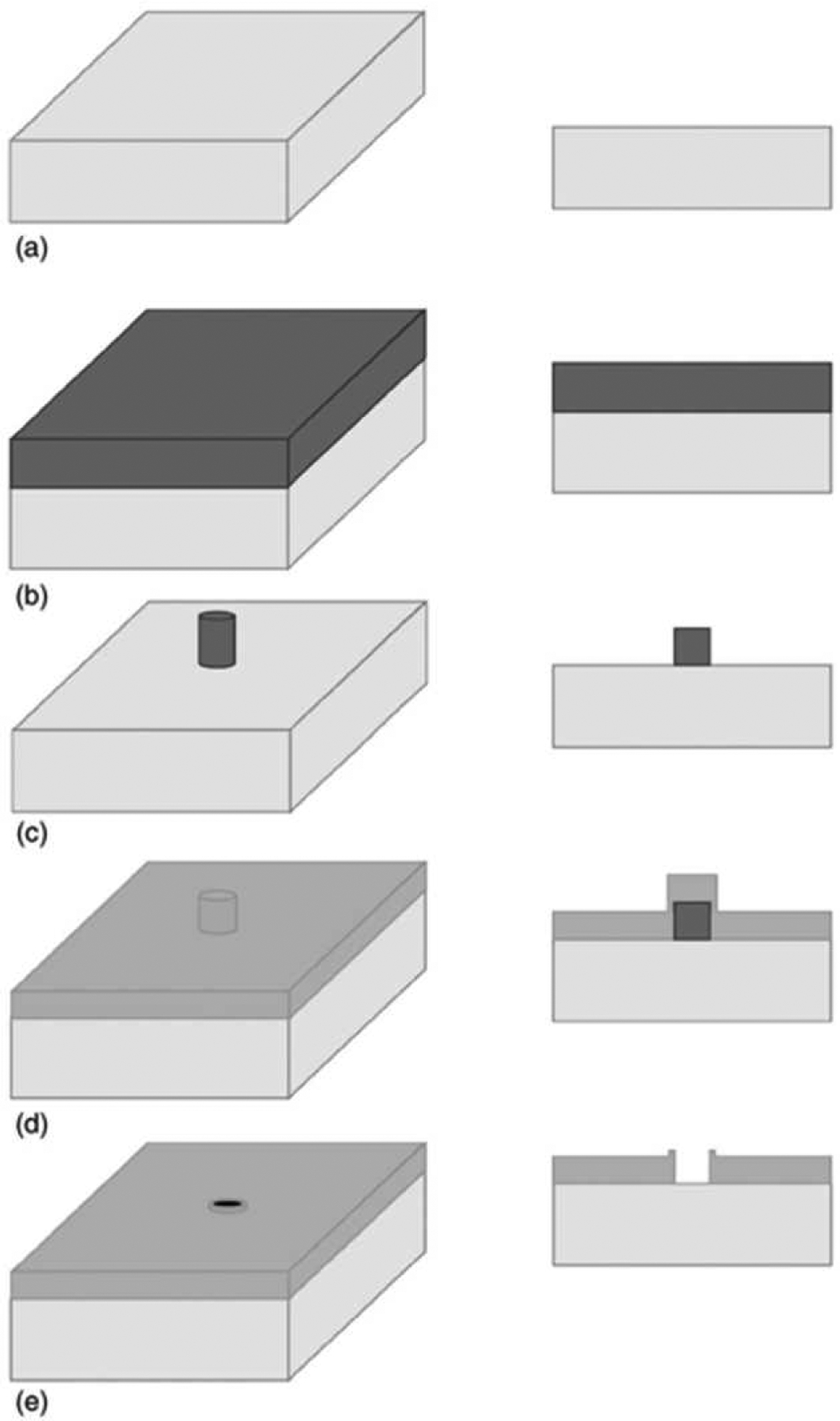
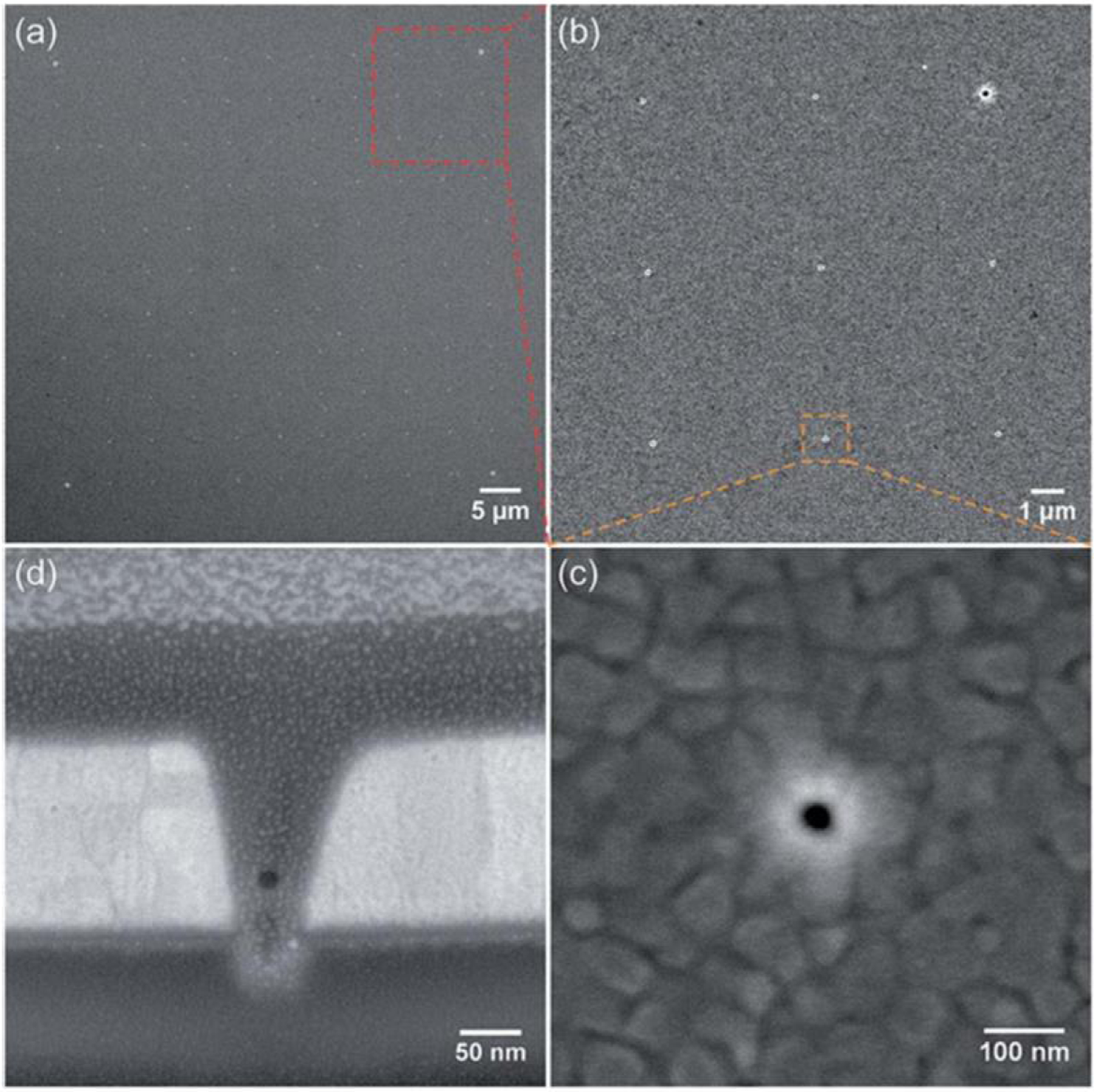
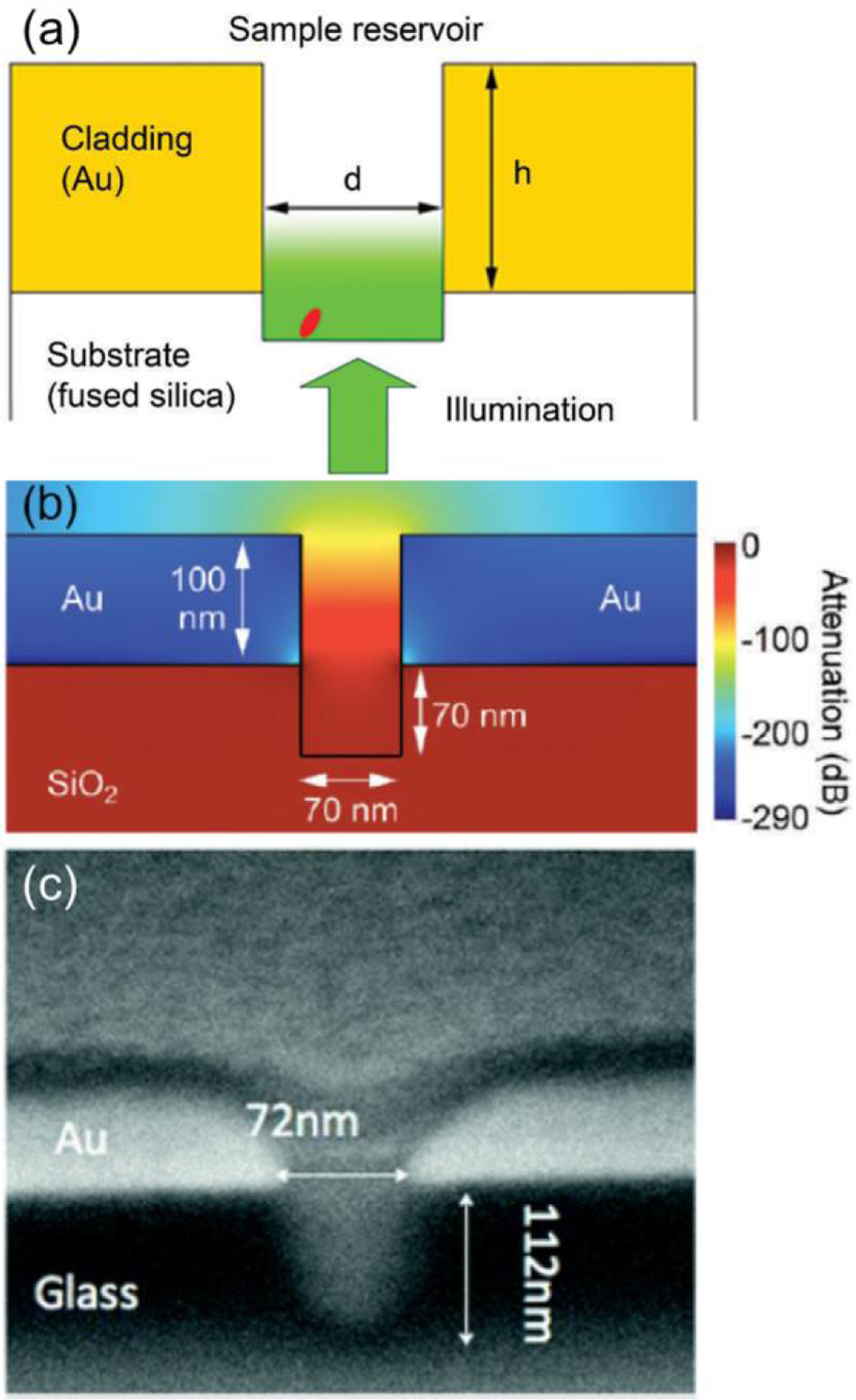
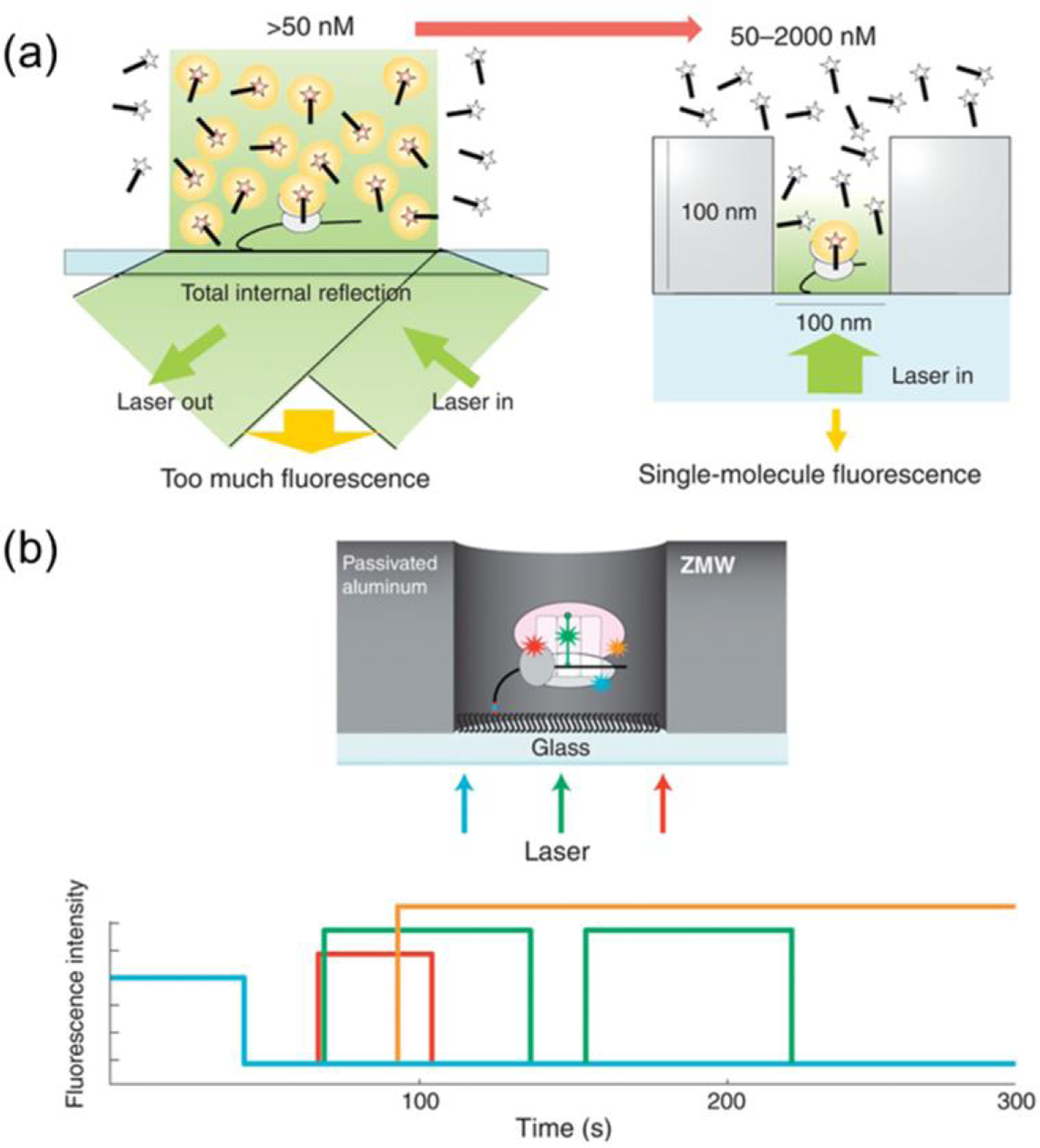
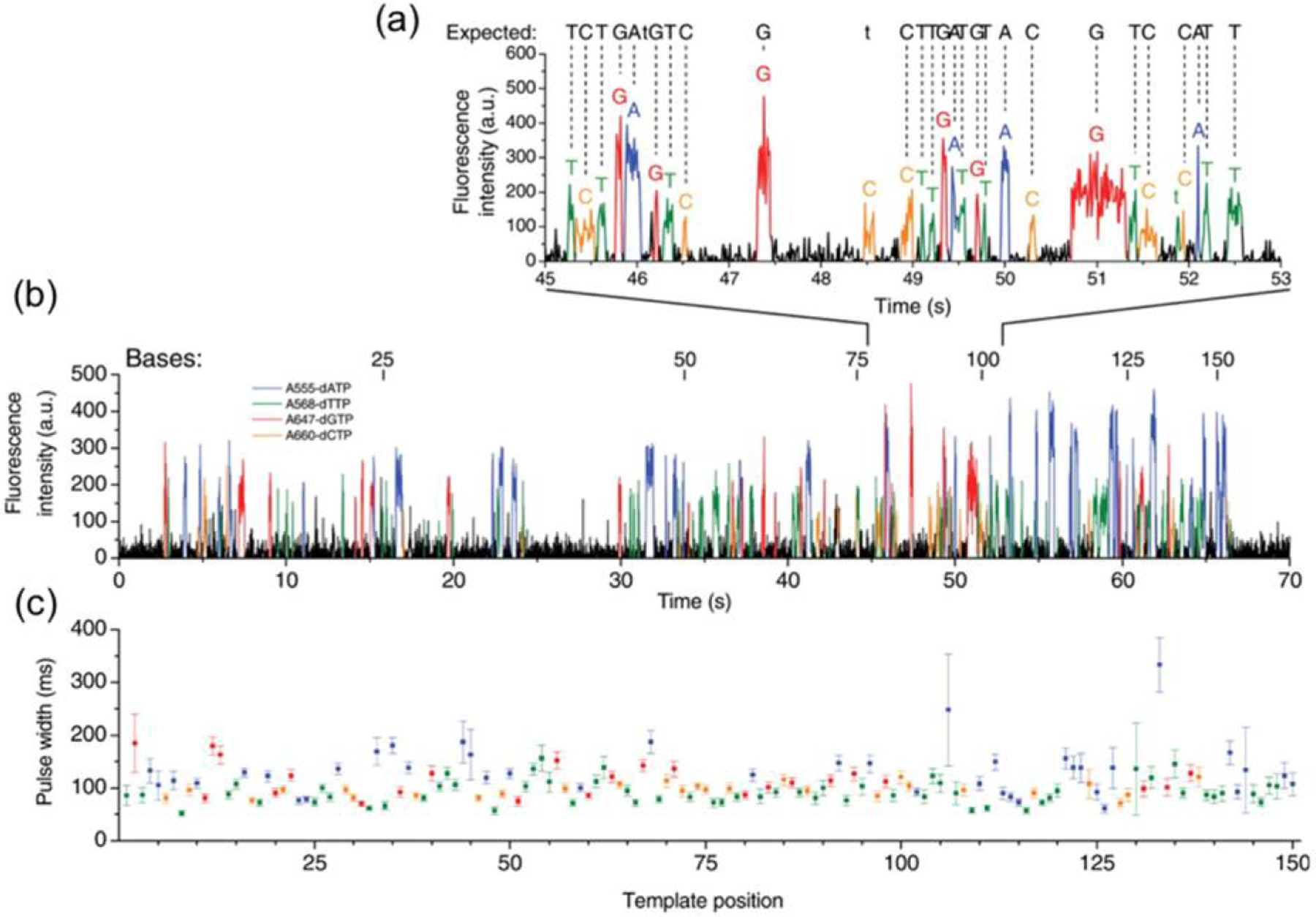
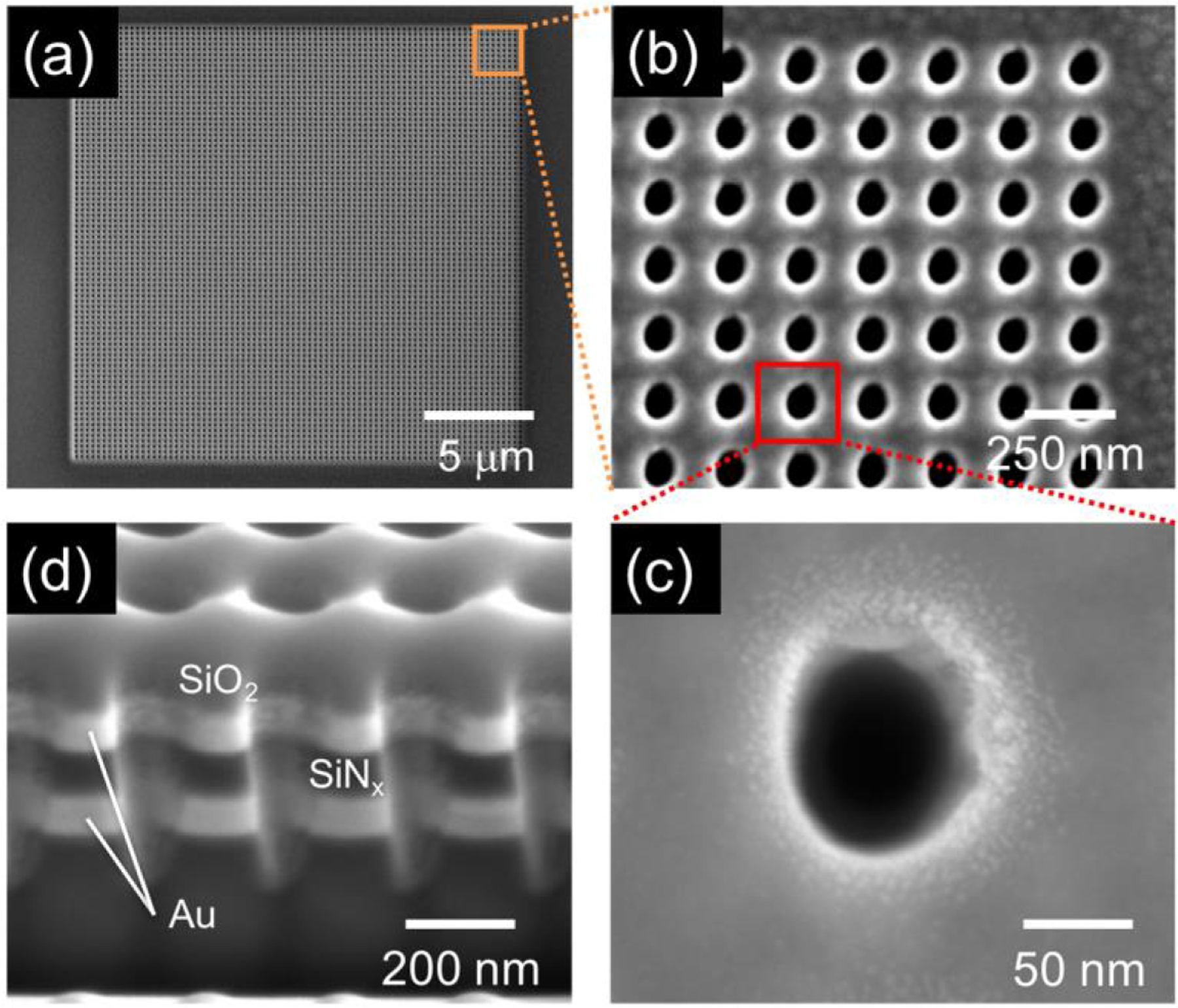
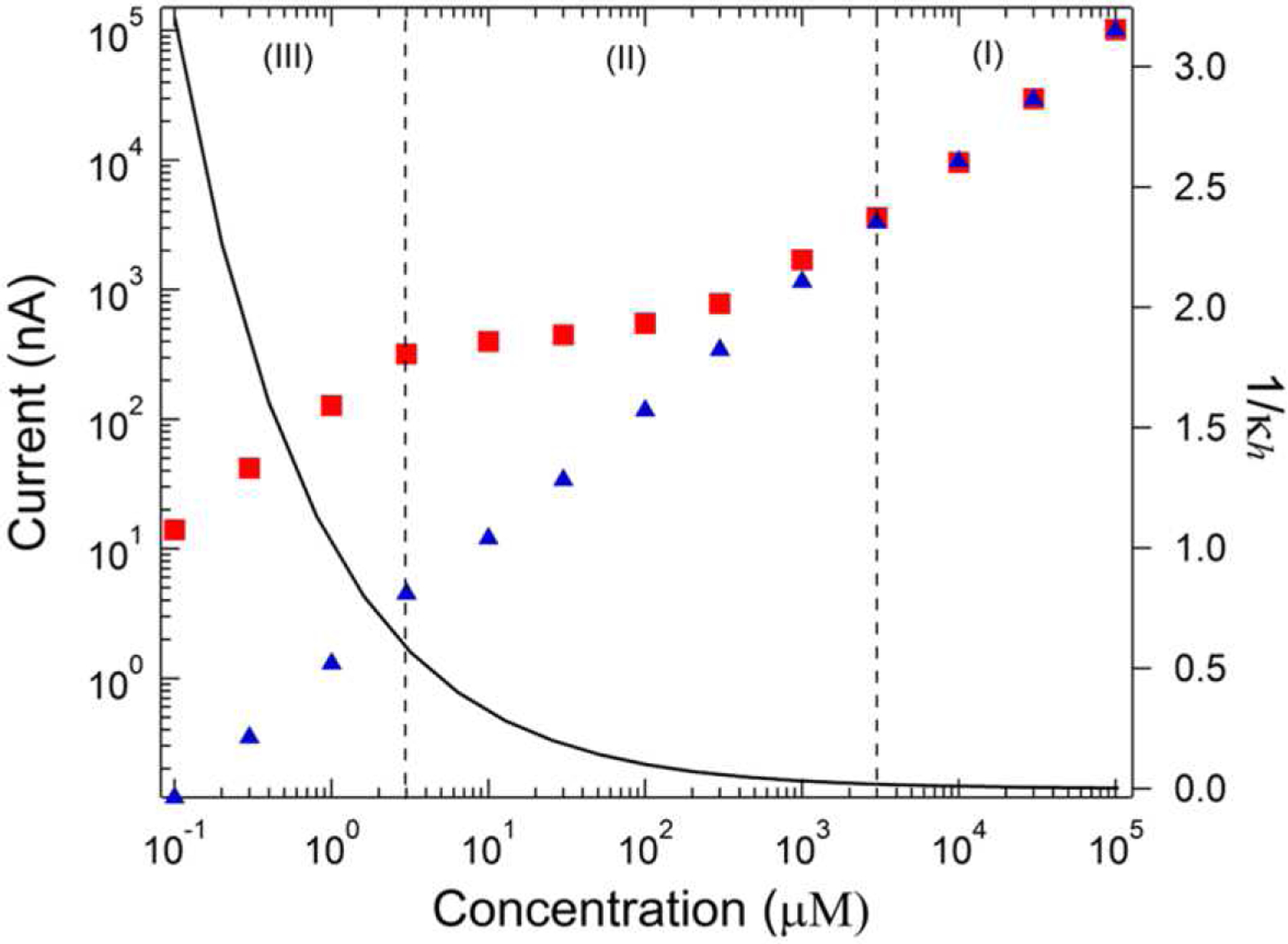
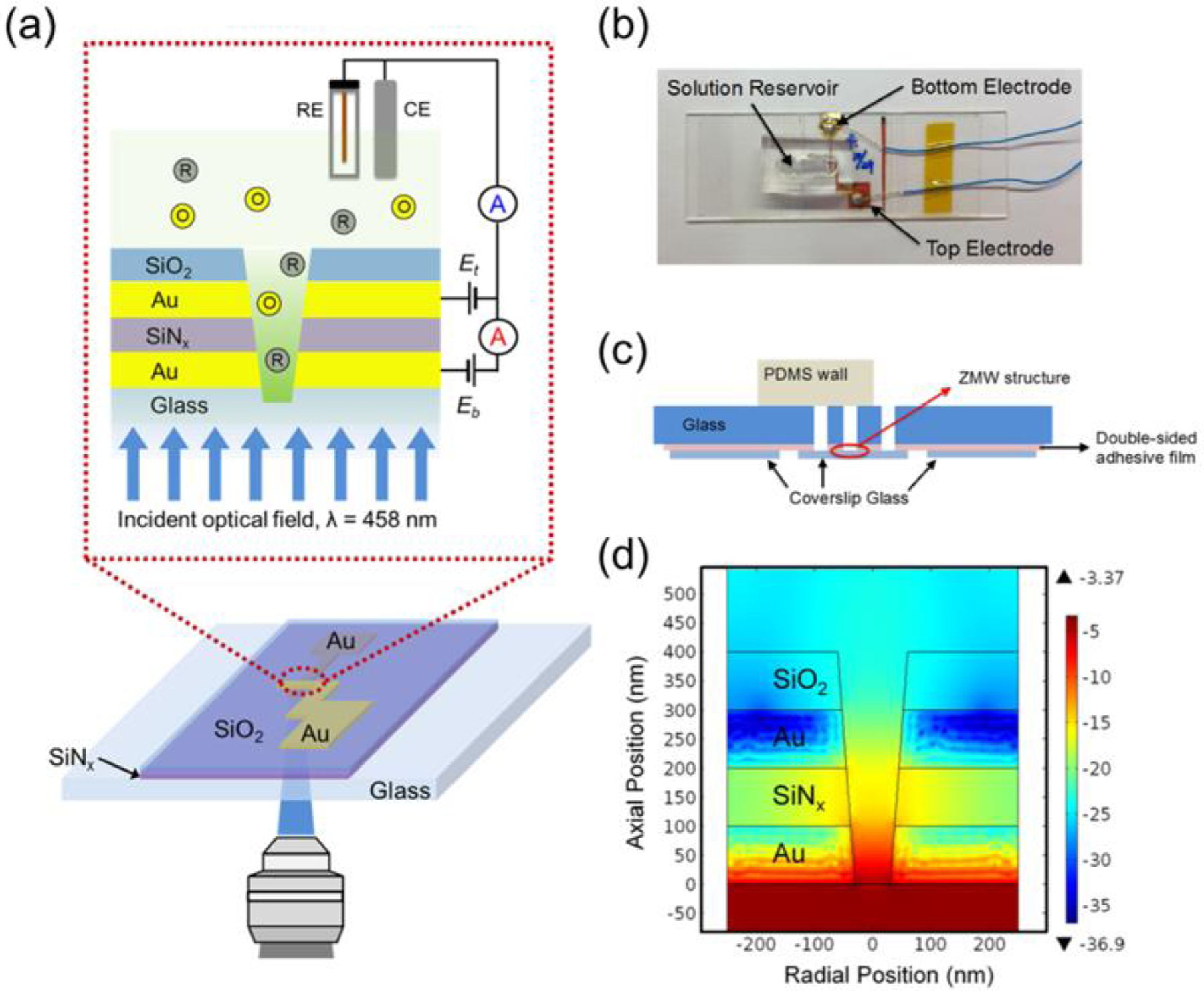
Single-molecule characterization has become a crucial research tool in the chemical and life sciences, but limitations, such as limited concentration range, inability to control molecular distributions in space, and intrinsic phenomena, such as photobleaching, present significant challenges. Recent developments in non-classical optics and nanophotonics offer promising routes to mitigating these restrictions, such that even low affinity ( mM) biomolecular interactions can be studied. Here we introduce and review specific nanophotonic devices used to support single molecule studies. Optical nanostructures, such as zero-mode waveguides (ZMWs), are usually fabricated in thin gold or aluminum films and serve to confine the observation volume of optical microspectroscopy to attoliter to zeptoliter volumes. These simple nanostructures allow individual molecules to be isolated for optical and electrochemical analysis, even when the molecules of interest are present at high concentration (μM - mM) in bulk solution. Arrays of ZMWs may be combined with optical probes such as single molecule fluorescence, single molecule fluorescence resonance energy transfer (smFRET), and fluorescence correlation spectroscopy (FCS) for distributed analysis of large numbers of single-molecule reactions or binding events in parallel. Furthermore, ZMWs may be used as multifunctional devices, for example by combining optical and electrochemical functions in a single discrete architecture to achieve electrochemical ZMWs (E-ZMW). In this review, we will describe the optical properties, fabrication, and applications of ZMWs for single-molecule studies, as well as the integration of ZMWs into systems for chemical and biochemical analysis.
单分子表征已成为化学和生命科学中至关重要的研究工具,但诸如浓度范围有限、无法控制分子在空间中的分布以及诸如光漂白等内在现象等限制带来了重大挑战。非经典光学和纳米光子学的最新进展为减轻这些限制提供了有前景的途径,从而能够研究甚至低亲和力(毫摩尔级)的生物分子相互作用。在此,我们介绍并综述用于支持单分子研究的特定纳米光子器件。光学纳米结构,如零模波导(ZMW),通常制备在薄金或铝膜中,用于将光学显微光谱的观察体积限制在阿托升至仄升量级。这些简单的纳米结构允许单个分子被分离出来进行光学和电化学分析,即使目标分子在本体溶液中以高浓度(微摩尔 - 毫摩尔级)存在。ZMW阵列可与诸如单分子荧光、单分子荧光共振能量转移(smFRET)和荧光相关光谱(FCS)等光学探针结合,以并行地对大量单分子反应或结合事件进行分布式分析。此外,ZMW可被用作多功能器件,例如通过在单个分立结构中结合光学和电化学功能来实现电化学ZMW(E-ZMW)。在本综述中,我们将描述用于单分子研究的ZMW的光学性质、制备和应用,以及ZMW在化学和生化分析系统中的集成。